
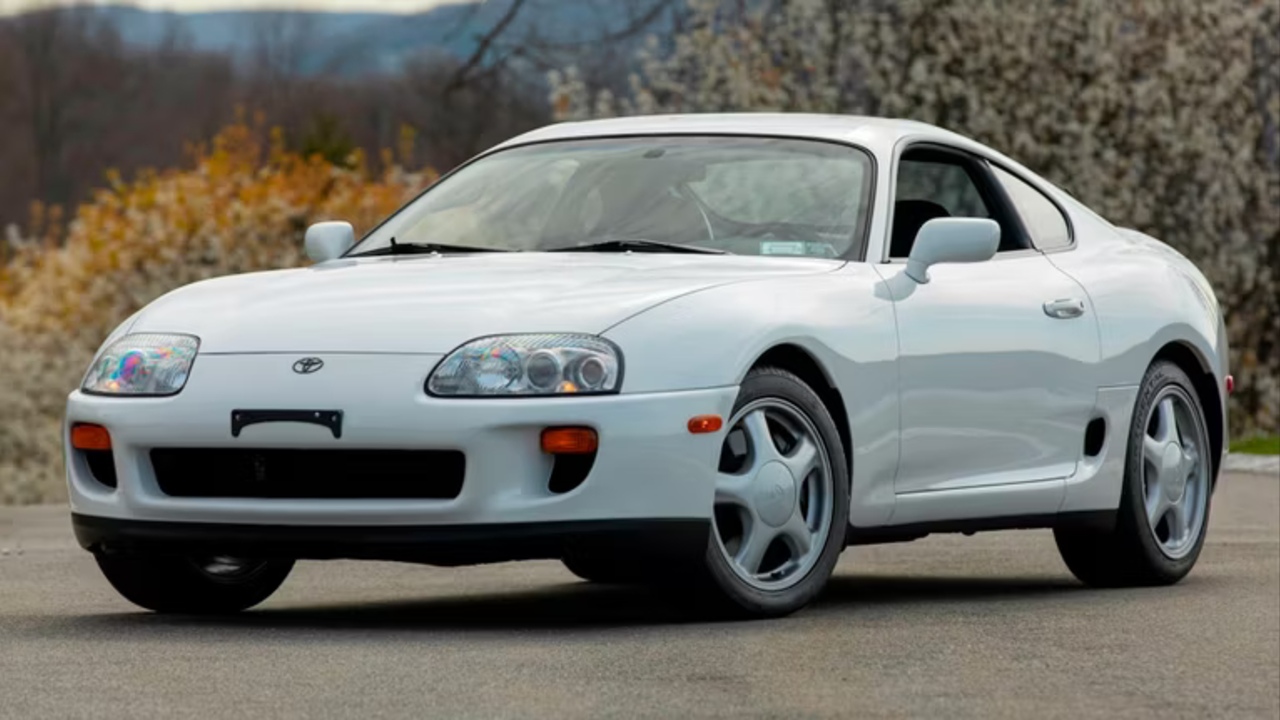
Values for 1990s cars are rising fast, turning once-forgotten daily drivers into serious collector hardware. What started as a niche interest in analog performance and boxy silhouettes has become a broader market shift, with auction data and dealer listings showing sharp appreciation for the right models from that decade.
I see a clear pattern behind the nostalgia: younger collectors with money to spend are chasing the cars they grew up seeing in video games, movies, and family driveways, while tightening emissions rules and the march toward electrification are making 1990s combustion cars feel like a last, relatively simple chapter of motoring history.
Why 1990s cars are suddenly desirable
The core appeal of 1990s cars lies in their balance of modern usability and old-school character. Many of these models have fuel injection, airbags, and workable air conditioning, yet still offer hydraulic steering, relatively light curb weights, and minimal driver aids. That mix makes a 1990s sports coupe or hot hatch feel approachable on today’s roads while still delivering the mechanical feedback that newer, heavily digitized cars often mute.
On top of that, the 1990s produced a wave of performance icons that were technologically advanced for their time but still rooted in analog engineering. Turbocharged all-wheel-drive heroes, high-revving naturally aspirated engines, and early variable valve timing systems created cars that feel special without requiring the complex software ecosystems of current models. As collectors look for machines that can be driven, maintained, and enjoyed without proprietary diagnostics or over-the-air updates, that era’s hardware has become a natural target.
The nostalgia economy and a new generation of buyers
Rising values for 1990s cars are closely tied to demographics. Enthusiasts who were children or teenagers when these models were new are now in their thirties, forties, and early fifties, with more disposable income and a desire to reconnect with formative automotive memories. I see the same pattern that previously pushed 1960s muscle cars and 1980s exotics up the price charts now playing out for 1990s metal, as buyers chase the posters and video game heroes of their youth.
Pop culture has amplified that effect. Franchises built around street racing, tuning culture, and Japanese performance cars turned specific 1990s models into global celebrities, while racing games and early online car communities cemented their status. As those fans age into serious collectors, they are willing to pay a premium for clean, low-mileage examples, especially in original specification, which tightens supply and reinforces the upward price spiral.
Limited supply, rising regulation, and the analog premium
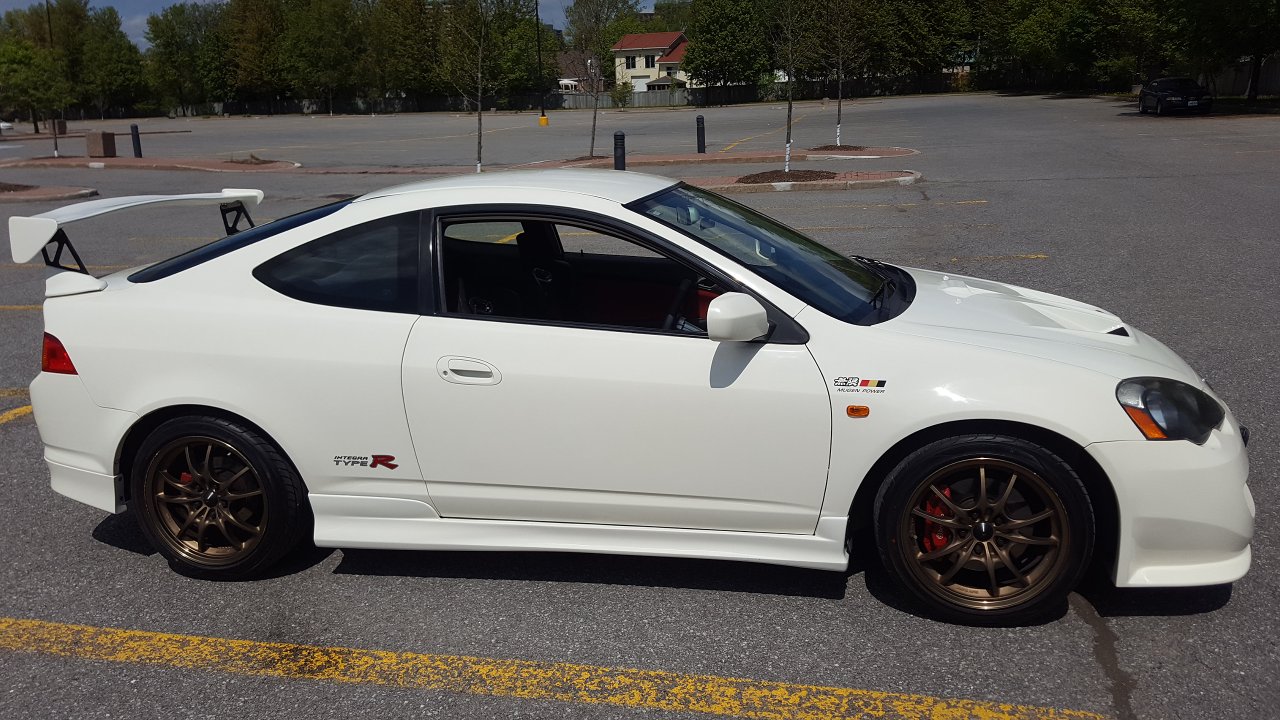
Another driver of the price surge is simple scarcity. Many 1990s cars were used hard, modified heavily, or scrapped when repair costs exceeded their then-modest market values. That attrition means unmolested survivors are far rarer than production numbers suggest, particularly for performance variants and special editions. When a limited pool of clean cars meets a growing pool of nostalgic buyers, prices move quickly.
Regulatory pressure is also reshaping the landscape. As emissions and safety standards tighten and more cities explore low-emission zones, manufacturers are pivoting toward electrification and complex hybrid systems. Against that backdrop, a relatively straightforward 1990s combustion car, with fewer sensors and simpler electronics, starts to look like a finite resource. Collectors increasingly treat these vehicles as the last broadly accessible chapter of analog driving, which adds a scarcity premium on top of already constrained supply.
How enthusiasts are responding to the price surge
The run-up in values has changed how enthusiasts approach 1990s cars. Where these models were once cheap platforms for modifications, engine swaps, and track builds, owners are now more likely to preserve originality, document service history, and store cars indoors. I see more buyers prioritizing factory paint, matching-number drivetrains, and intact interiors, knowing that originality tends to command the strongest prices at auction and in private sales.
At the same time, the market shift has pushed some enthusiasts to look for adjacent opportunities. Instead of chasing the headline-grabbing icons that have already spiked, they are hunting for overlooked trims, less powerful variants, or related models that share components but have not yet caught mainstream attention. That behavior mirrors earlier collector cycles, where once-affordable alternatives to blue-chip classics eventually followed the leaders upward, albeit from a lower base.
What buyers should watch if they are tempted to jump in
For anyone considering a 1990s car as both a passion purchase and a potential investment, the current market demands discipline. I focus first on condition and documentation, since rust, accident damage, and missing maintenance records can erase any theoretical upside. A pre-purchase inspection by a specialist who understands the specific model’s weak points is essential, particularly for cars with complex all-wheel-drive systems, turbocharged engines, or early electronic controls.
It is also important to be realistic about costs. Parts availability varies widely, and some 1990s models rely on discontinued components or fragile plastics that are difficult to replace. Insurance premiums, storage, and preventive maintenance can add up quickly, especially for performance variants that attract higher risk ratings. While the appreciation trend is real, I treat any financial upside as a bonus rather than a guarantee, and I prioritize cars that I would be happy to own and drive even if values plateau or pull back.

Leave a Reply