
For years, conventional wisdom said cars were guaranteed to lose money the moment they left the showroom. Yet a growing slice of the market is breaking that rule, with certain models climbing in value far faster than analysts expected. From everyday SUVs to niche sports cars, resale data now shows a clear divide between vehicles that quietly depreciate and those that behave more like blue-chip assets.
I set out to trace which cars have surged ahead of expert forecasts, and why. By comparing long term resale rankings, short term used market spikes, and even enthusiast predictions about future classics, a pattern emerges: scarcity, brand reputation, and cultural cachet are turning specific models into surprise overachievers while most of the market still slides downward.
The new rules of car appreciation
The starting point for understanding cars that outperformed expectations is accepting how unusual they are. As one detailed owner discussion from Dec 12, 2018 puts it, Very few cars appreciate in value, and Most decline over the course of their lives. Typically mass market cars do not appreciate at all, they simply lose less or more depending on demand and condition. That baseline makes the recent crop of value climbers stand out even more sharply, because they are defying a trend that still applies to the vast majority of vehicles on the road.
What changed is not the physics of depreciation but the market context. Supply shocks, shifting tastes, and a new wave of buyers treating cars as alternative investments have created pockets where prices move up instead of down. Owners in that same Dec discussion pointed to rarity and desirability as key factors, noting that once a model becomes more rare with time, the curve can bend upward. When I map that logic onto current resale rankings and used price data, the cars that have surged beyond expert forecasts tend to share three traits: strong brand equity, limited supply or production quirks, and a story that resonates with enthusiasts or collectors.
Resale value leaders that beat the depreciation curve
Long term resale rankings are one of the clearest ways to see which cars have quietly outperformed expectations. A detailed Feb 27, 2025 report on Best Resale Value Top models lists a Top 10 table with columns for Rank, Model, and 5-Year Resale Value. The very existence of that list shows how some vehicles are now expected to retain an unusually high percentage of their original price after five years, a direct challenge to the old assumption that everything falls off a cliff. When a model consistently appears near the top of that Rank table, it signals that earlier depreciation forecasts were too pessimistic and that the market is willing to pay more for used examples than analysts once assumed.
These high performers are not limited to exotic sports cars. The same 5-Year Resale Value data highlights mainstream trucks and SUVs that hold on to a striking share of their sticker price, often because they are workhorses with loyal followings and limited direct competition. When a family SUV or pickup is still commanding a premium half a decade later, it means buyers and dealers have revised their expectations upward in real time. That shift is visible in how some of these models now trade close to, or even above, what earlier depreciation tables would have predicted, a sign that the market has re-rated them as safer long term bets than experts once believed.
Brands that turned reliability into unexpected gains
Zooming out from individual models, brand level data shows how some manufacturers have turned reputation into hard resale gains. A detailed ranking of Best Brands for Resale Value After 5 Years puts Toyota at the top of the list, explicitly noting that Toyota as a brand does very well in maintaining its value. That kind of performance does not happen by accident. It reflects years of reliability data, owner loyalty, and conservative product planning that keeps demand high even as vehicles age. When a brand like Toyota consistently outperforms peers on five year value retention, it means earlier blanket assumptions about mass market depreciation no longer apply to its lineup.
What is striking is how this brand strength translates into real world surprises. Buyers who chose a Toyota sedan or SUV expecting ordinary depreciation have often found that their vehicles are worth more than they or their dealers projected at trade in time. The CarEdge style data on Years of ownership shows that this effect compounds over time, because a strong brand floor limits downside even in weaker segments. In practice, that means a Toyota owner who planned for a steep drop may discover a much smaller gap between purchase price and resale, effectively turning a routine commuter car into a better performing asset than many experts would have modeled a decade ago.
Used market shock: sports cars that spiked instead of slumped
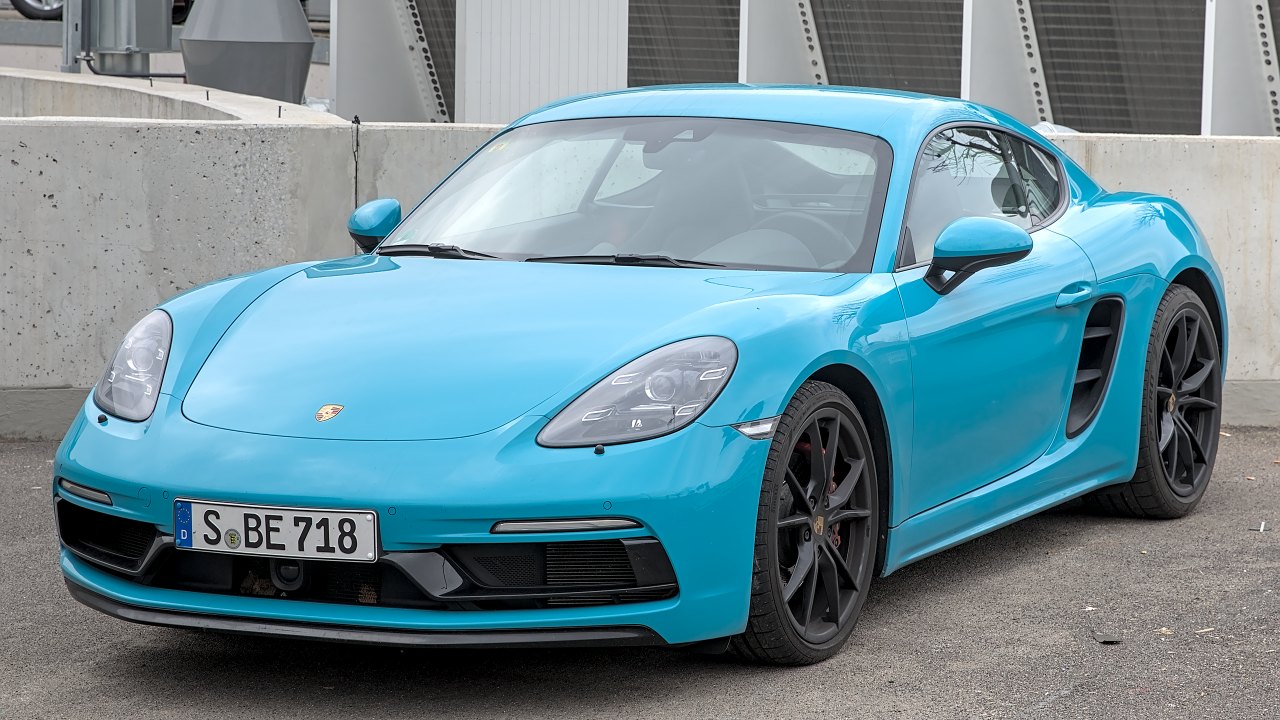
The most dramatic examples of cars outrunning expert predictions are in the used sports car market, where certain models have seen outright price spikes. A detailed Oct 11, 2024 analysis of 15 cars gaining the most value on the used market identifies the Porsche 718 Cayman as the biggest gainer, with an average used price of $99,293 that increased sharply. The report highlights the 718 designation and that $99,293 figure as a symbol of how far this model has run beyond traditional depreciation curves. A car that many once saw as a junior sports coupe is now trading at levels that rival or exceed its original transaction prices in some trims.
That same list of 15 climbers shows a broader pattern: performance oriented models from prestige brands are benefiting from constrained new car supply and a surge of buyers who want analog driving experiences before they disappear. When a Porsche Cayman or similar sports car jumps in value on the used market, it is not just a blip, it is a signal that earlier expert assumptions about how quickly such cars would fall in price were too conservative. The data driven framing of that Oct report, which ranks models and tracks their appreciation, underlines how these gains are measurable rather than anecdotal, and how they have turned certain used sports cars into short term investments rather than predictable depreciating toys.
Everyday used cars that quietly climbed the rankings
Not all overachievers are high end toys. Some of the biggest surprises are ordinary used cars that have risen in value relative to their peers. A Sep 14, 2025 breakdown of the used cars that have most risen in value lists a table with Rank, Make, Model, Average 2025 asking price, Year-on-year change, and Month-on-month change. That structure makes it easy to see which vehicles have moved up the fastest, and the presence of mainstream brands in the upper ranks shows how far the market has shifted. When a compact hatchback or family crossover posts a strong Year-on-year change in Average asking price, it means demand has outstripped the depreciation models that dealers and analysts once relied on.
The same table also reveals how volatile this segment can be. Some models show positive Month-on-month change on top of already strong annual gains, suggesting momentum that experts did not anticipate when they projected steady declines. Others, lower in the Rank order, still show negative Year-on-year change, a reminder that appreciation is the exception, not the rule. By comparing Make and Model entries across the table, I see a clear pattern: cars with strong reliability reputations, practical body styles, and limited direct competition in the used market are the ones that have climbed fastest, often catching both owners and forecasters off guard.
Investment cars that turned from niche tips into hot assets
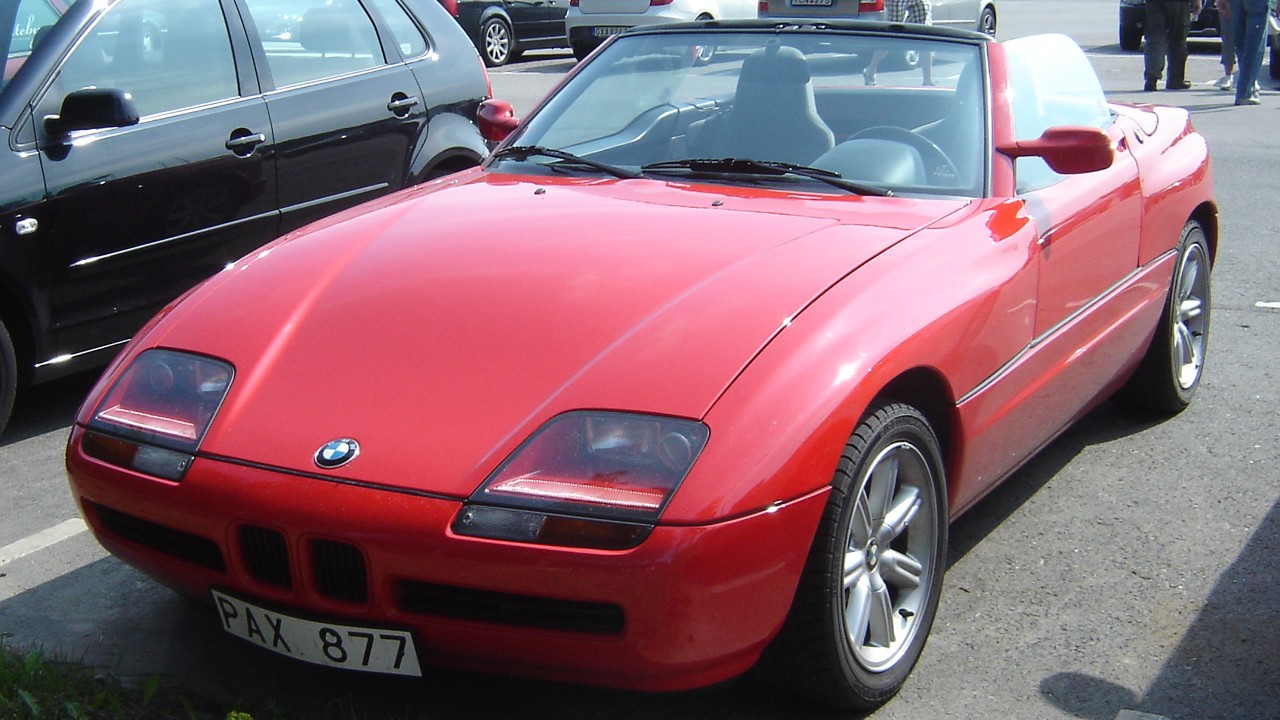
Alongside hard resale data, there is a parallel world of enthusiast driven investment tips that sometimes prove more accurate than mainstream forecasts. A Jul 25, 2024 guide to the 10 best investment cars in 2025 lists models such as the Vauxhall VX220 Turbo, BMW Z1, R50 Mini Cooper S, and R230 Merced sports cars as prime candidates. When those names first appeared in that Jul rundown, they were still relatively affordable curiosities. The argument was that their rarity, distinctive engineering, and cult followings would eventually push prices higher in 2025 and beyond.
What has happened since supports that thesis. Limited production cars like the Vauxhall VX220 Turbo and BMW Z1 have seen growing attention from collectors who want something different from the usual Porsche or Ferrari, while early hot hatches such as the R50 Mini Cooper S have benefited from nostalgia and a renewed appreciation for compact performance. The R230 Merced era roadsters, once dismissed as used luxury bargains, are now being reappraised as modern classics. When I compare these picks to current used market trends, it is clear that several have already moved beyond their earlier price brackets, validating the idea that enthusiast insight can sometimes spot future climbers before traditional experts adjust their depreciation models.
Future classics from the 1990s that are already surprising owners
Looking further back, some of the most surprising value stories involve 1990s cars that were once treated as disposable but are now edging toward classic status. A discussion from Apr 20, 2019 on which 90’s cars are going to be future classics name checks models such as the Chevrolet Malibu, Chevrolet Impala (last 2020 edition), Suzuki S Cross/SX4 S Cross, Toyota Land Cruiser, and Toyota sedans. At the time, these suggestions sounded speculative, especially for workaday sedans like the Chevrolet Malibu or family crossovers like the Suzuki S Cross. Yet the logic was clear: as clean examples become harder to find, the best survivors would eventually command a premium.
Fast forward to the current used market, and that prediction is starting to look prescient. The Toyota Land Cruiser, in particular, has become a textbook case of a 1990s utility vehicle that now trades at levels few mainstream analysts foresaw, driven by its durability and global reputation. Even the Chevrolet Impala and Chevrolet Malibu, especially in well kept, low mileage form, have seen values stabilize or rise relative to expectations, helped by shrinking supply and nostalgia for large sedans. The Suzuki S Cross and SX4 S Cross, while still niche, benefit from the same scarcity effect. When owners who bought these cars as cheap transport now discover that enthusiasts are willing to pay a premium for clean examples, it is a direct illustration of how future classic status can overturn earlier depreciation assumptions.
How Covid era supply shocks rewrote pricing logic
Any discussion of cars that climbed faster than experts predicted has to reckon with the Covid era supply shock. A widely shared Oct 16, 2024 thread on why dealers charge more than original MSRP for used cars captures the frustration of buyers facing unexpected markups. One commenter bluntly attributes the situation to inflation caused by the horrible Covid-19 policies enacted since the time of the pandemic, arguing that constrained production and pent up demand pushed used prices into uncharted territory. While that is a subjective framing, the underlying reality is clear: limited new car supply forced many buyers into the used market, where competition drove prices up instead of down.
This environment created some of the most extreme cases of cars outperforming depreciation models. Vehicles that were once expected to lose 20 percent of their value in the first year suddenly held steady or even appreciated as dealers listed nearly new examples at or above original MSRP. The Oct discussion of Covid era pricing shows how this shock was felt across segments, from economy cars to luxury SUVs. For owners who happened to hold the right models at the right time, the result was a windfall that no traditional forecast had built in, turning ordinary cars into short term assets and scrambling the assumptions that underpinned decades of resale value analysis.
Why some cars will keep climbing while most still fall
Even with all these examples, it is important to remember that appreciation remains rare. The Dec 12, 2018 reflection that Very few cars appreciate in value and Most decline over the course of their lives still holds. Typically, only vehicles with a mix of scarcity, strong brand reputation, and emotional appeal manage to buck the trend. The Sep 24, 2024 video rundown of 20 surprising cars going up in value leans into that idea, opening with the old adage that the moment you drive the car off the lot it loses 20% of its value, then showing how a select group of models now contradicts that rule. The very need to call them surprising underscores how unusual they are.
Looking across the data, I see a clear dividing line. On one side are cars like the Porsche 718 Cayman with its $99,293 average used price, high Rank entries in Best Resale Value Top tables, and brand level standouts such as Toyota in Best Brands for Resale Value After 5 Years. On the other side is the broad mass of vehicles that still follow traditional depreciation curves, even in a post Covid market. The cars that will keep climbing are likely to be those already flagged by enthusiasts and resale rankings: limited production sports models, robust off roaders like the Toyota Land Cruiser, and well regarded mainstream vehicles from brands with strong five year value data. For everyone else, the old rule still applies, but the growing list of exceptions shows that the car market is no longer a one way bet on depreciation.


Leave a Reply