Automotive history is full of models that stumbled in showrooms, only to roar back decades later as prized collectibles. Early buyers often saw flawed products, while today’s enthusiasts see rarity, character and a snapshot of engineering that manufacturers quickly abandoned or refined.
When I look at cars that flopped at launch but now command serious attention, a pattern emerges: bold ideas, imperfect execution and a market that was not ready. Over time, those same missteps turned into talking points, and the very traits that once scared buyers away now help define some of the most sought-after classics.
When innovation outpaced the market
Some of the most desirable collector cars started as commercial disappointments because they tried to leap too far ahead of their era. Automakers pushed radical styling, new materials or unfamiliar layouts, only to find that buyers preferred safer, more conventional choices. Years later, those experiments read as visionary rather than misguided, and scarcity only sharpens their appeal among enthusiasts who value originality and engineering risk.
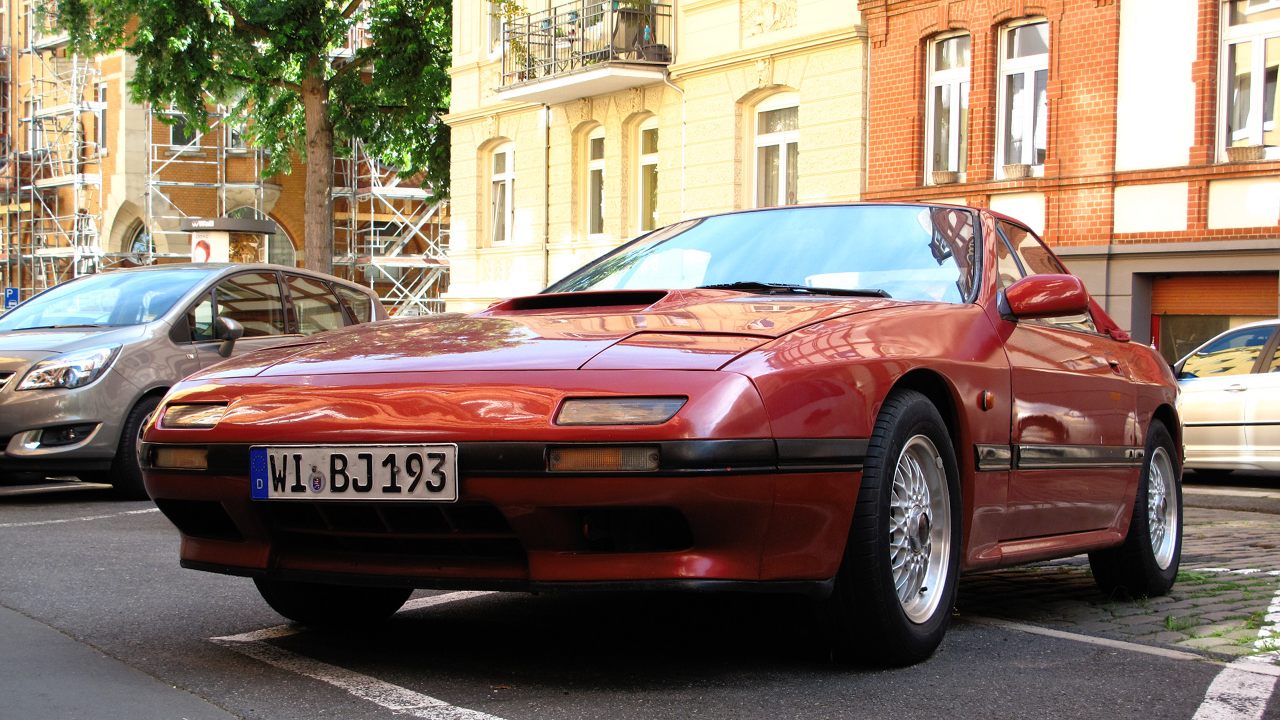
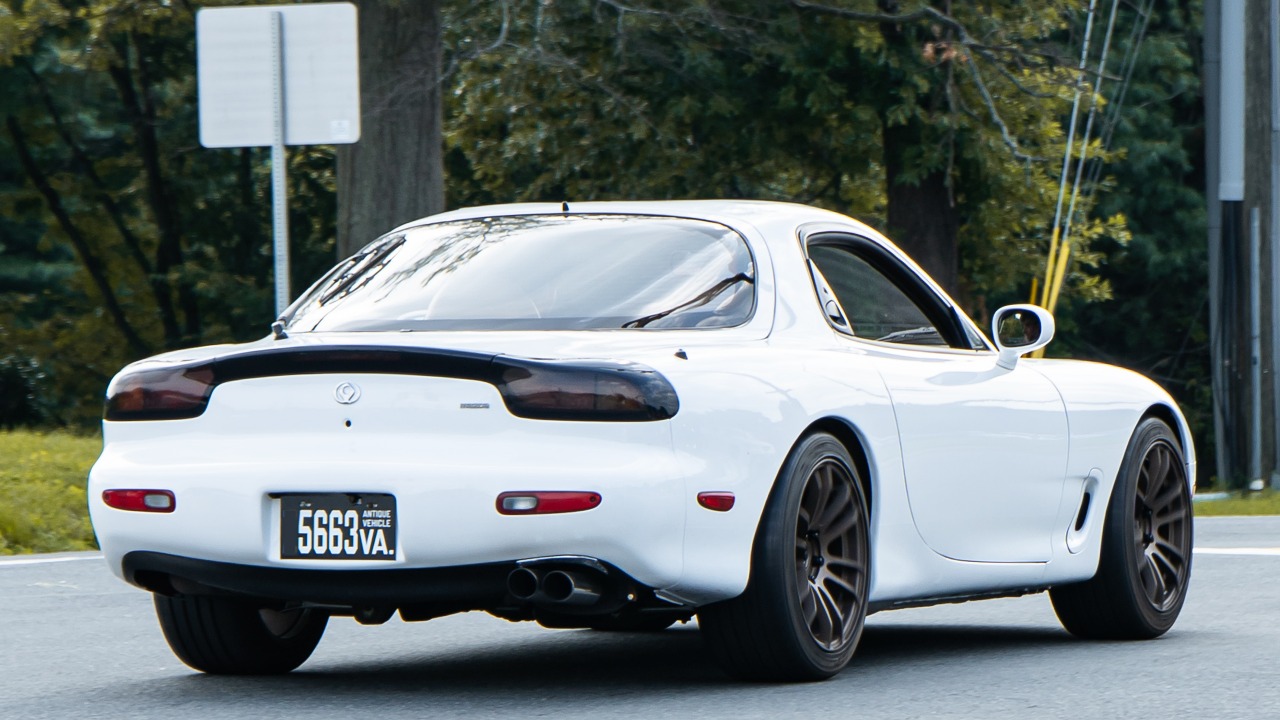
Early rotary-powered models are a clear example of this dynamic. Mazda’s first generation RX-7 arrived with a compact Wankel engine that promised smooth power and a high-revving character, but it also carried concerns about fuel consumption and long-term durability that limited mainstream adoption. As the company refined the concept, the RX-7 evolved into a lightweight, driver-focused sports car whose distinctive engine note and balanced chassis now make it a favorite among collectors who prize its unconventional powertrain and focused design, a trajectory reflected in detailed histories of the RX-7’s development and reception in period model coverage.
Misjudged at launch, vindicated by enthusiasts
Other cars failed not because they were too advanced, but because they landed in the wrong segment or carried the wrong badge for their mission. Buyers judged them against expectations the manufacturer had set over decades, and when the product did not match that mental picture, sales suffered. Over time, however, enthusiasts began to evaluate these cars on their own merits, often discovering robust engineering and engaging dynamics that had been overshadowed by early criticism.
Several performance-oriented models that struggled in showrooms now illustrate this reversal. Detailed buyer’s guides show how certain turbocharged Japanese coupes and sedans, once dismissed as niche or too expensive for their class, have become cult favorites thanks to strong aftermarket support, durable drivetrains and a driving experience that rewards committed owners. As values for these cars rise in enthusiast-focused valuation analyses, it is clear that initial market indifference did not reflect their long-term standing among drivers who prioritize feel and character over sales charts.
Design oddities that became icons
Styling is often the first thing that sinks a new model, and some of today’s most collectible cars were once mocked for their looks. Unusual proportions, polarizing details or futuristic interiors can alienate buyers who want something that blends in. Yet those same visual quirks can age into a distinctive identity, especially when later designs become more homogeneous and enthusiasts start seeking out cars that stand apart in a parking lot.
Period design reviews document how several wedge-shaped sports cars and angular coupes were criticized for being too aggressive or too unconventional when they debuted. Over time, those sharp lines and bold surfaces came to define an era, and collectors now chase well-preserved examples precisely because they capture a moment when designers were willing to take risks. Market tracking in enthusiast collector-car reports shows that once-unloved shapes can see steady appreciation as nostalgia grows and younger buyers embrace the aesthetics their parents rejected.
Performance potential that arrived too late
Some launch failures were victims of timing rather than concept. High-performance variants that appeared just as fuel prices spiked, or as regulations tightened, often struggled to find an audience. Buyers worried about running costs or looming policy changes, and dealers were left discounting cars that, on paper, offered impressive speed and handling. Decades later, those same models are prized for delivering a level of performance that was rare in their day, especially when paired with low production numbers.
Analyses of late-era muscle cars and turbocharged hot hatches show how these vehicles were overshadowed by economic and regulatory headwinds at launch. Today, collectors value them for their strong engines, analog driving feel and relative scarcity, especially when documentation confirms limited production runs and original specifications. Detailed market insights highlight how performance-focused trims that once languished on lots now command premiums, particularly when they retain factory-correct components that were often modified or removed by early owners.
How failure feeds future value
Across these stories, the same pattern repeats: commercial disappointment at launch, followed by a slow reassessment as enthusiasts look past sales figures and focus on what the car is like to drive, maintain and live with decades later. Low initial demand often means limited production, and that scarcity becomes a key ingredient in collector appeal. When a model also offers a distinctive engine, unusual design or clear place in a brand’s history, the combination can turn a showroom flop into a sought-after classic.
Current valuation data and buyer behavior studies in the enthusiast market show that collectors increasingly seek out cars with strong narratives, not just perfect sales records. A model that represents a bold but flawed experiment, or a turning point for a manufacturer, can attract dedicated followings even if it never matched its rivals in period registrations. As more detailed collector research becomes available, it is easier to trace how early missteps, limited volumes and distinctive engineering converge to create the next generation of “failed” cars that end up as heroes in private garages and at auction blocks.