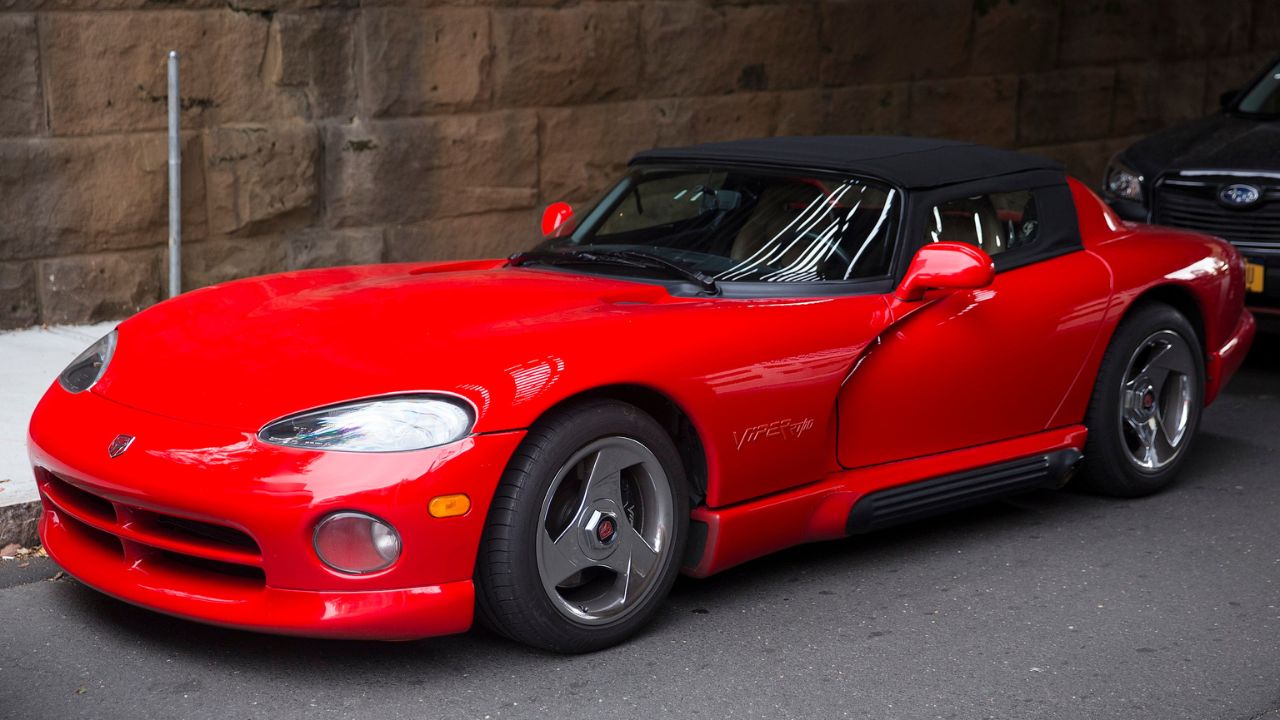
Sometimes, a car isn’t just a depreciating asset the moment it drives off the dealership lot. A handful of vehicles end up appreciating instead, turning into investments over time—whether due to limited production, performance credentials, or cultural significance. These cars hold their value or climb steadily, defying the usual downward slide. This list highlights 10 examples of models that have quietly or suddenly become worth more than when they were new. The reasons vary, but the end result is the same: these cars are now worth more money than their original price tags.
Porsche 911 Carrera RS 2.7 (1973)
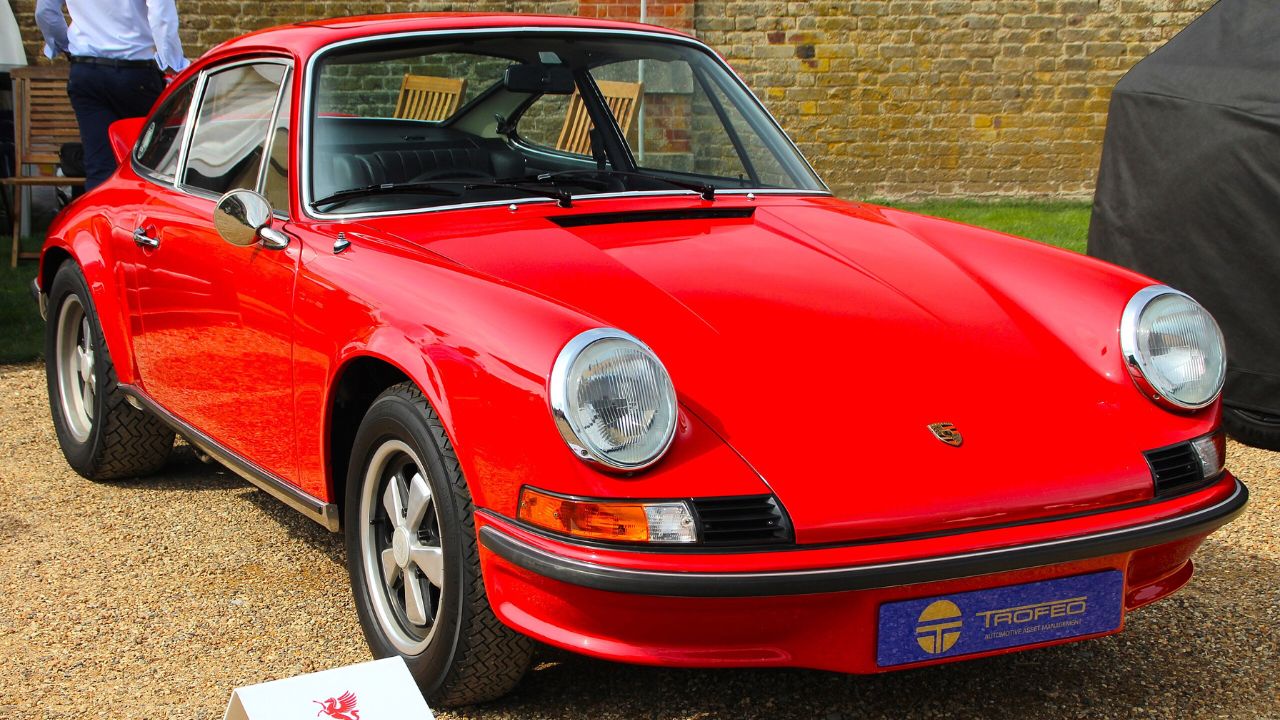
The ’73 Carrera RS 2.7 is probably the most iconic early 911 that collectors chase today. It featured a 2.7-liter flat-six producing around 210 horsepower, a significant upgrade over previous versions. Its lightweight body, rear spoiler, and track-ready suspension made it competitive on the road and the track.
Originally designed to meet homologation requirements for racing, the RS 2.7 was produced in limited numbers, and its rarity combined with legendary performance makes it highly sought after. Its minimalist interior focuses on function over luxury, keeping weight down, which helped its driving dynamics and appeal over the decades.
Toyota Supra Mk4 (1993-1998)
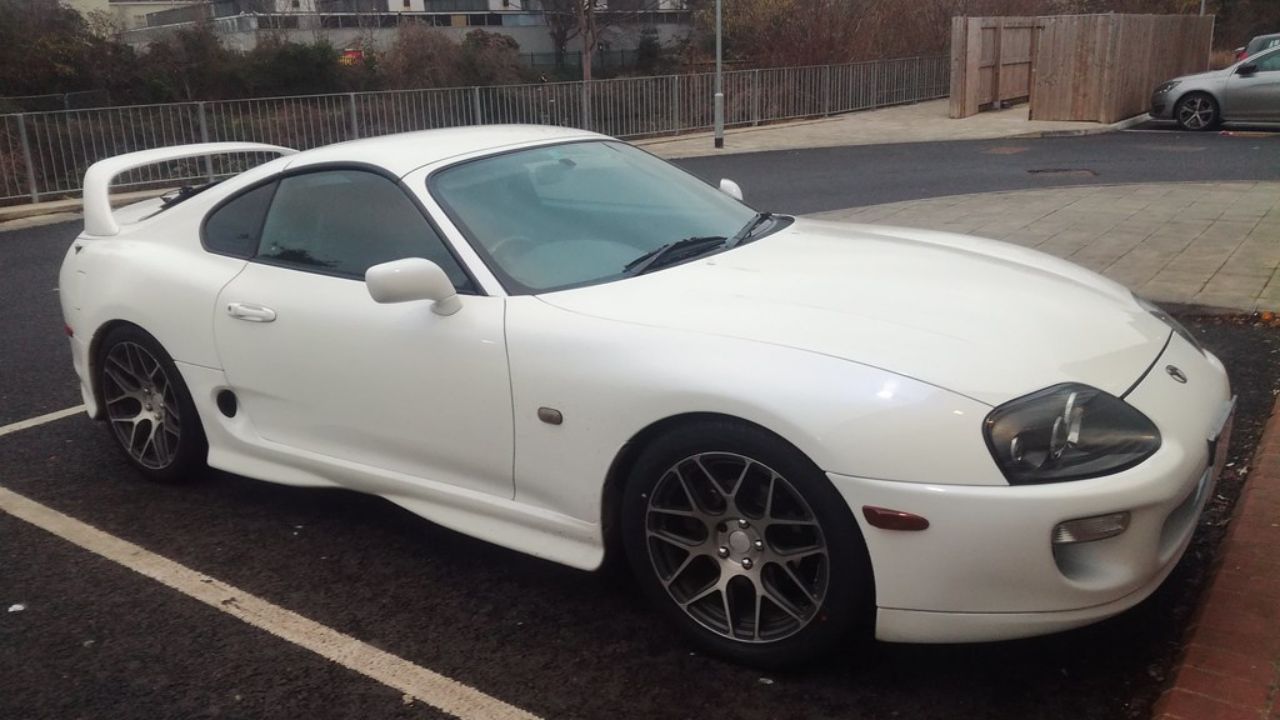
The Mk4 Supra, with its 2JZ-GTE inline-six engine delivering 276 horsepower stock (though capable of far more), rose in value thanks to a mix of performance and pop culture. It was famous for its twin-turbocharged inline-six, rear-wheel drive, and balanced chassis.
Its simple yet purposeful interior paired with reliable engineering made it a favorite among tuners and collectors alike. Low production numbers for turbo variants and legendary tuning potential have turned the Mk4 Supra into a car that’s appreciated not just for nostalgia but for actual capability.
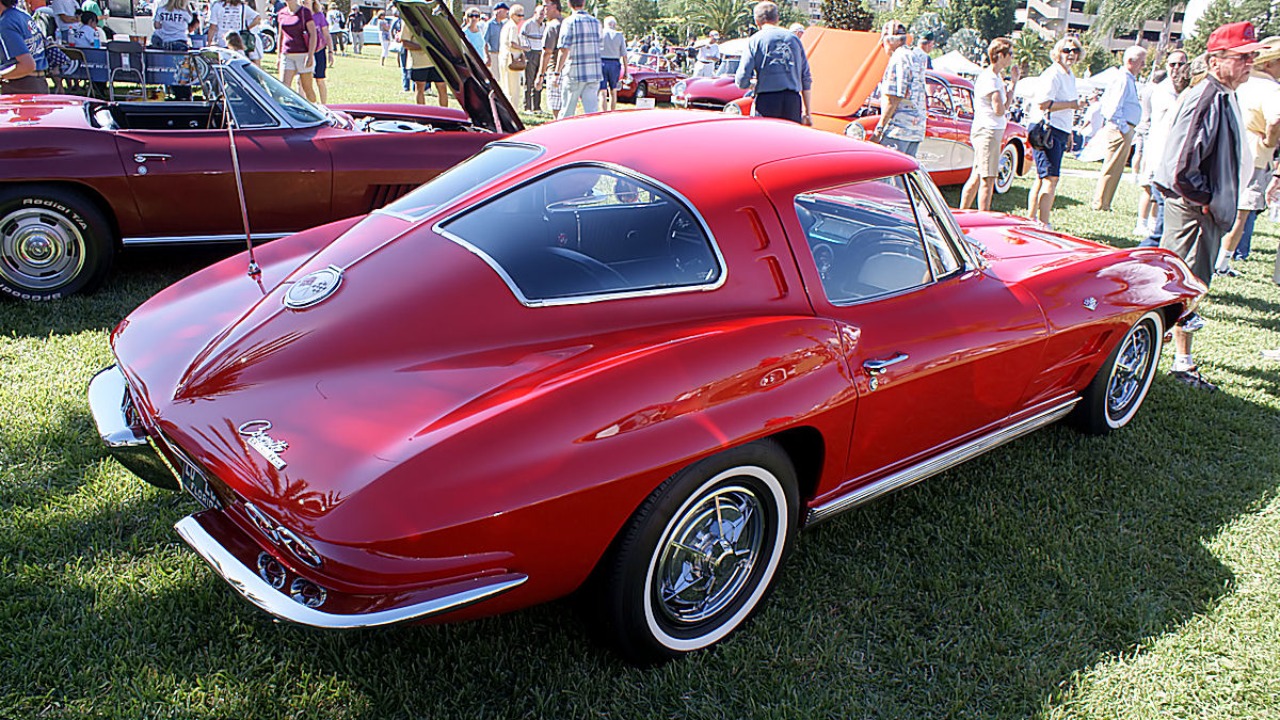
Chevrolet Corvette C3 ZL1 (1969)
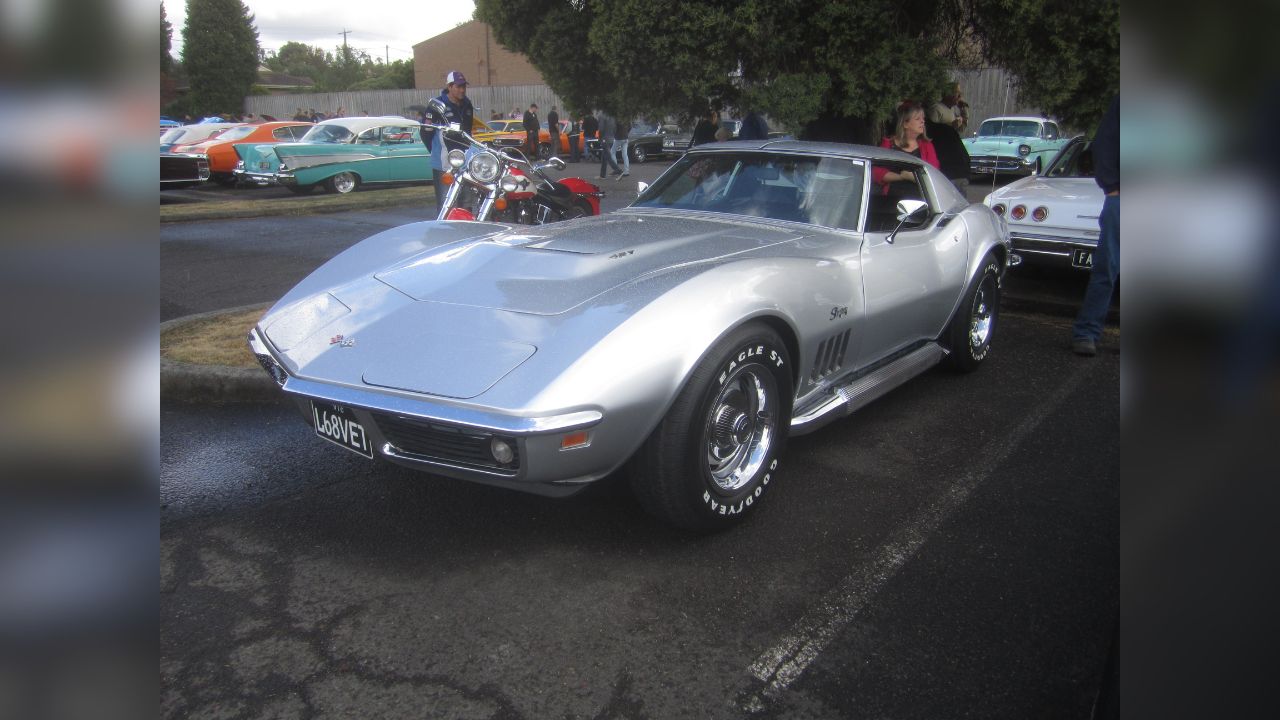
The ZL1 Corvette from 1969 is one of the rarest muscle cars ever made, with only 2 units built. Under the hood, it packed an all-aluminum 427-cubic-inch big-block V8 rated at 430 horsepower, making it one of the most powerful engines of its time.
The C3’s aggressive styling matched its brute force, and its stripped-down interior reflected a focus on performance. Because of its rarity and status as a factory-built race car, the ZL1 commands huge attention and prices at auctions, with values climbing steadily.
Nissan Skyline GT-R R34 (1999-2002)
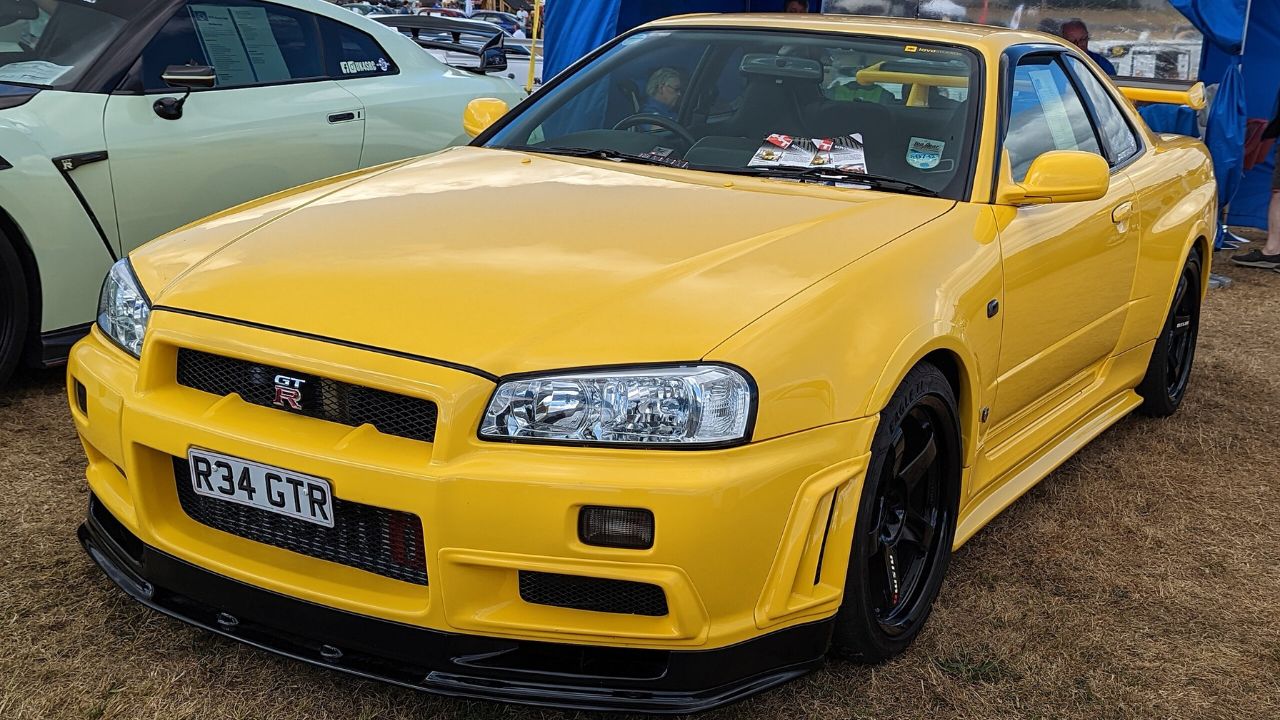
The R34 GT-R became legendary thanks to its advanced AWD system (ATTESA E-TS), the RB26DETT inline-six twin-turbo engine, and sharp handling. With around 276 horsepower stock, it was a technological marvel in its day.
Its performance capabilities combined with a simple, functional interior and a strong racing pedigree helped build a cult following. Limited imports into many countries only increased its value, turning it into one of the most collectible JDM cars today.
Ford GT (2005-2006)
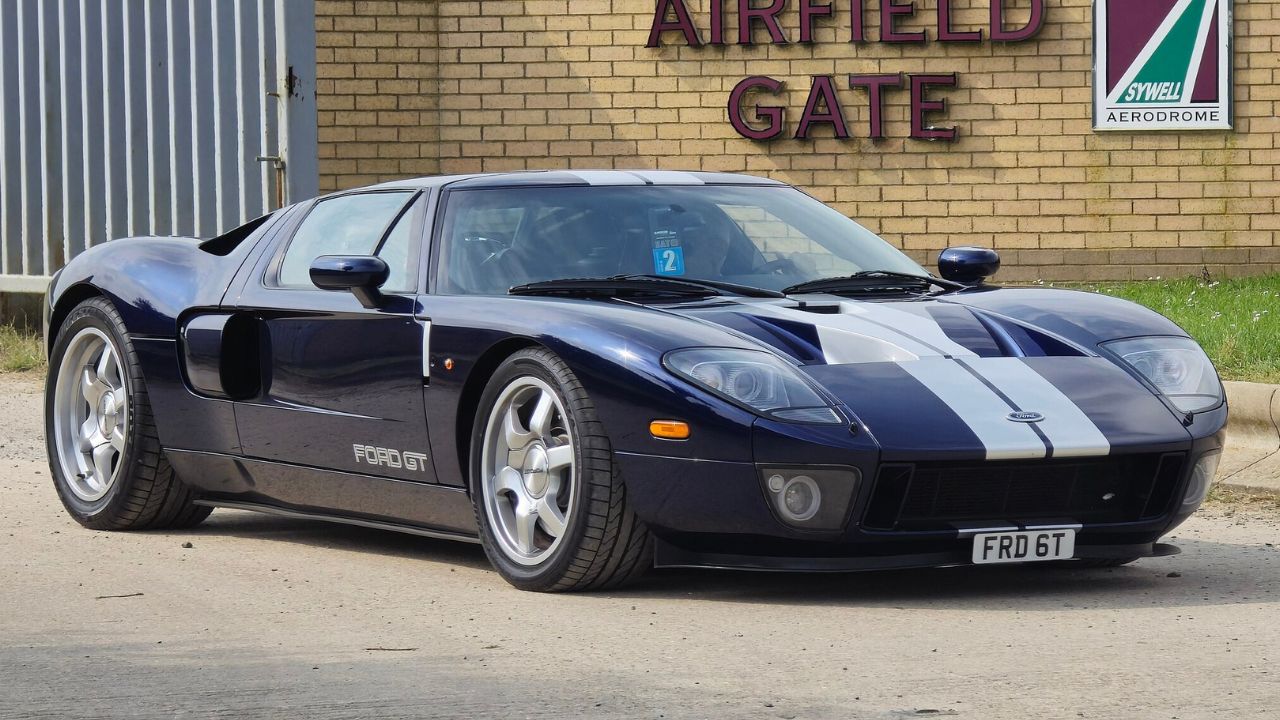
The first-generation Ford GT was a clear nod to the ’60s Le Mans racers, powered by a supercharged 5.4-liter V8 delivering 550 horsepower. Its lightweight aluminum chassis and aerodynamic shape helped it keep pace with European supercars of the era.
Inside, the GT offered a no-nonsense cockpit with supportive seats and carbon-fiber trim. Limited production—just 4,500 units—combined with its striking design and performance has pushed the value well beyond the original sticker.
BMW M3 E30 (1986-1991)
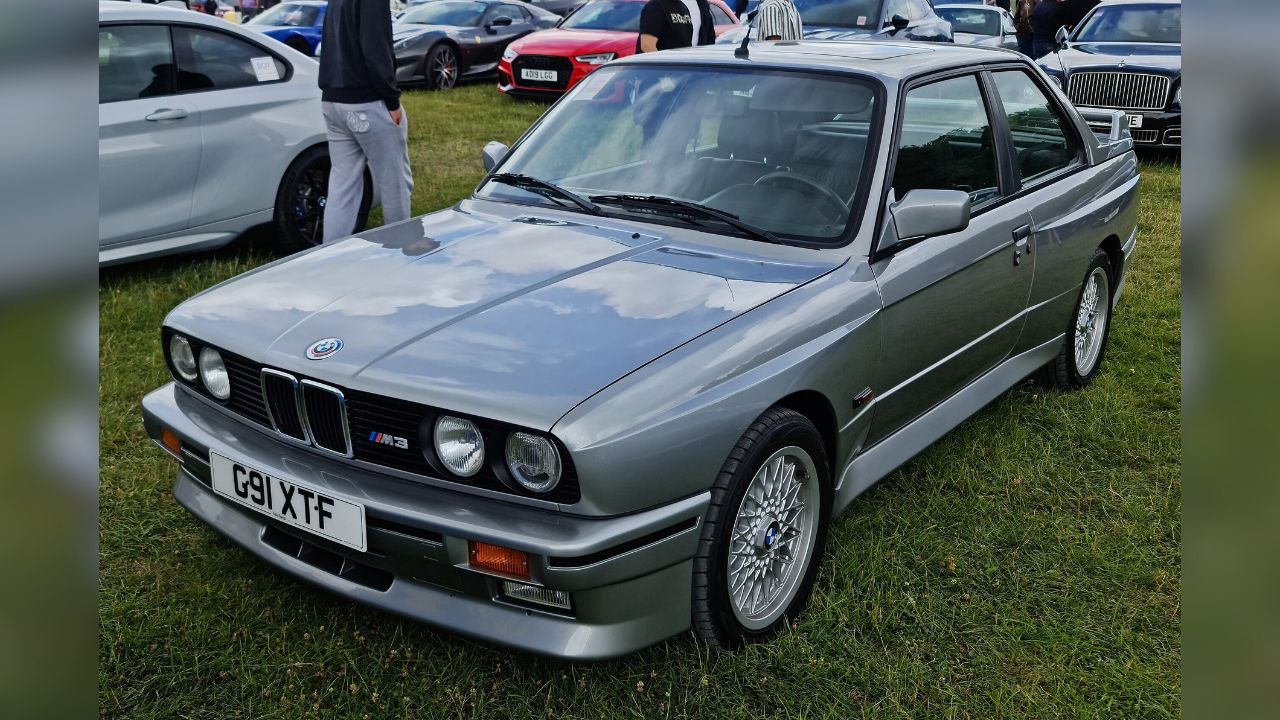
The E30 M3 was BMW’s first true M3 and quickly made a name on both the track and the street. Its high-revving 2.3-liter inline-four produced around 192 horsepower in its early form, paired with a lightweight chassis and rear-wheel drive.
It was designed with racing homologation in mind, resulting in a car that balanced everyday usability with serious cornering prowess. The boxy styling and minimalist interior still hold appeal, and low production numbers keep the demand high.
Dodge Viper RT/10 (1992-1995)
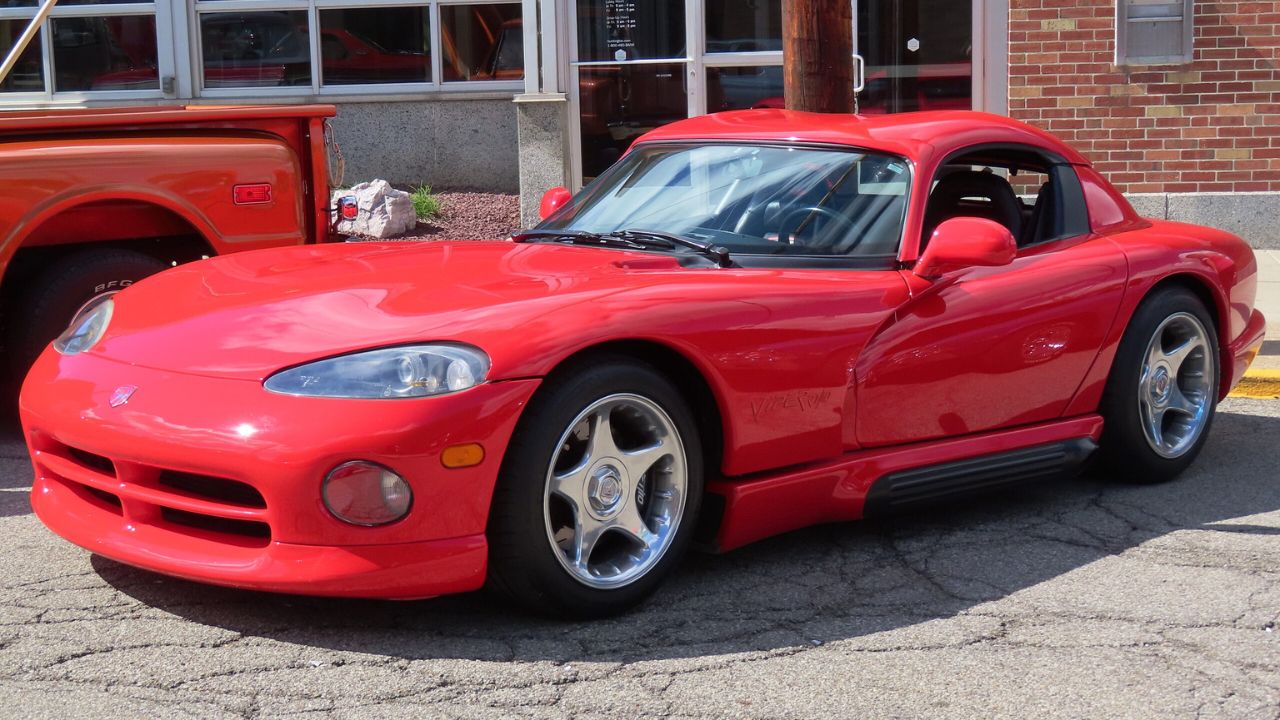
When the Viper RT/10 hit the streets in the early ’90s, it was unlike anything else: a massive 8.0-liter V10 pushing 400 horsepower in a stripped-down roadster body. The focus was on raw power and driver engagement, with very few electronic aids.
The interior was Spartan, reflecting the Viper’s purpose as a straight-up sports car. Its boldness and performance made it instantly memorable, and limited early production has contributed to its steady appreciation in value.
Mercedes-Benz 300SL Gullwing (1954-1957)
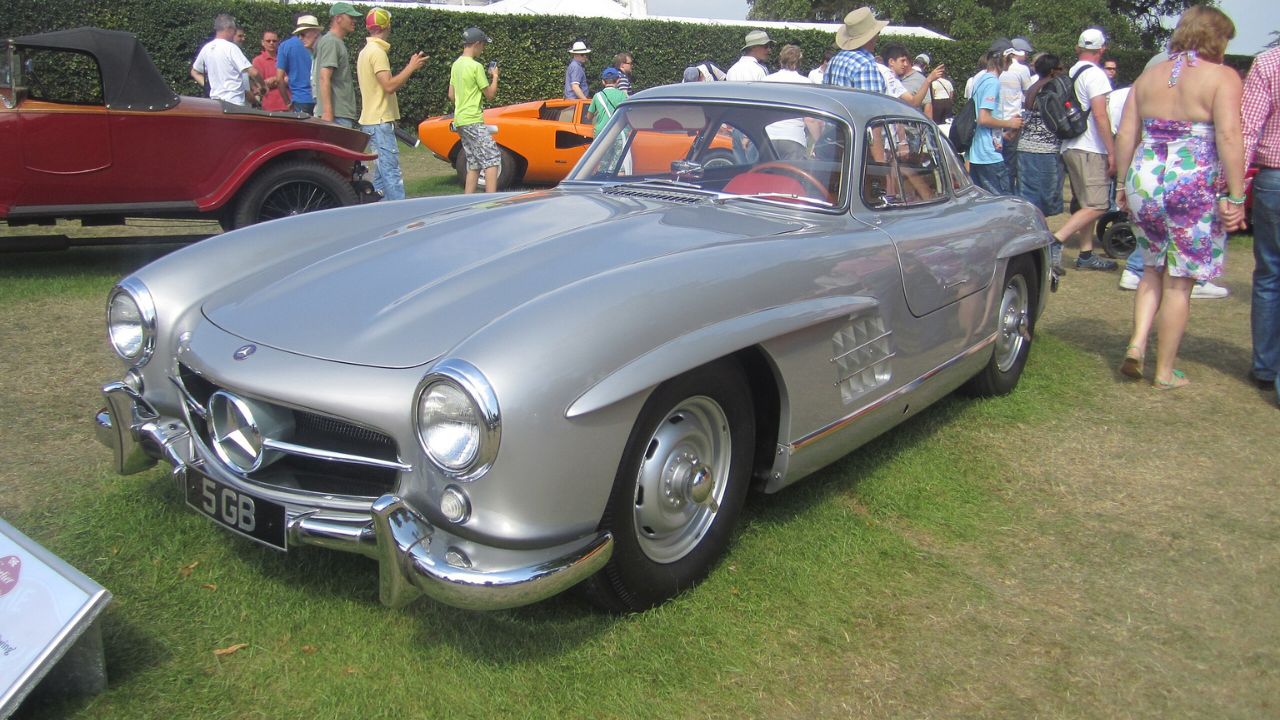
One of the rarest and most recognizable classic cars, the 300SL featured gullwing doors and a fuel-injected 3.0-liter inline-six producing 215 horsepower. It was one of the fastest cars of its time and had a chassis derived from racing.
Its luxurious interior combined with a focus on performance made it a standout both then and now. Because so few were made and so many have been preserved, its value has only grown, often selling for multiples of its original price.
Ferrari F40 (1987-1992)
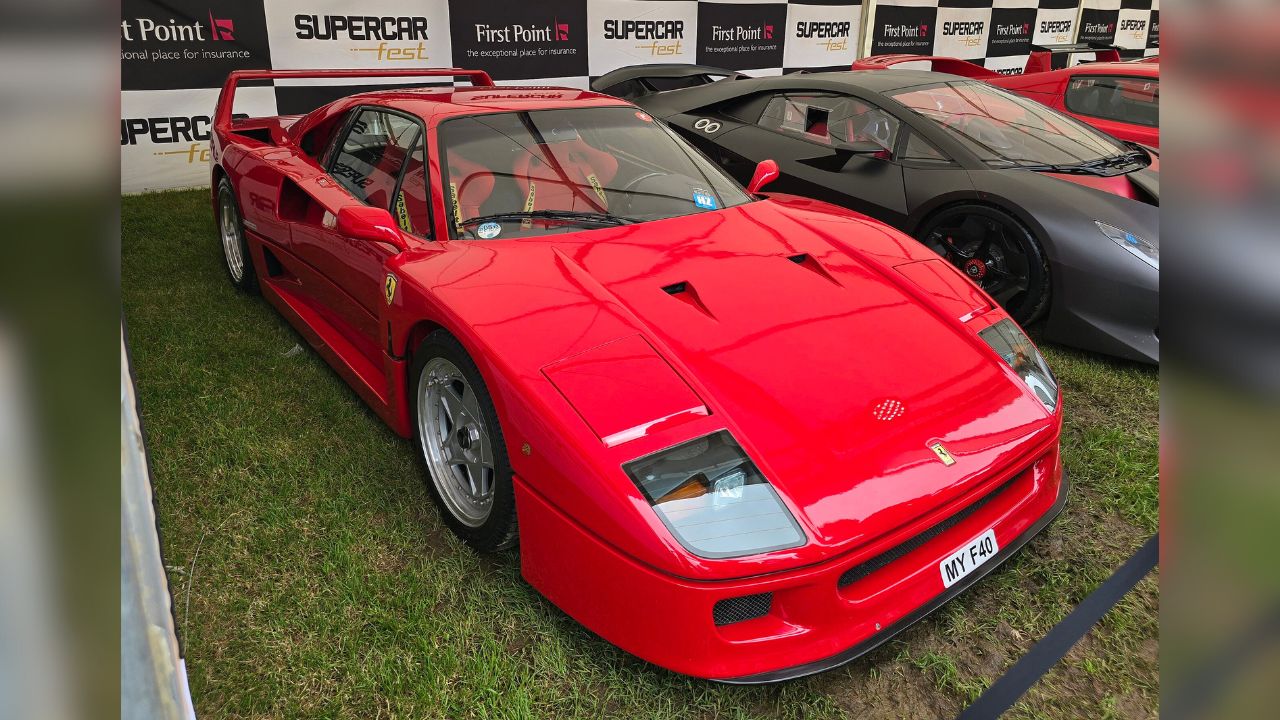
The F40 was Ferrari’s 40th-anniversary model and the last car personally approved by Enzo Ferrari. It packed a twin-turbo 2.9-liter V8 producing 471 horsepower, making it one of the fastest production cars of its time.
The minimalist, race-inspired interior eschewed comfort for weight savings and focus. Limited production and blistering performance have made the F40 a consistent value gainer and a sought-after piece of Ferrari history.
Lamborghini Countach LP400 (1974-1978)
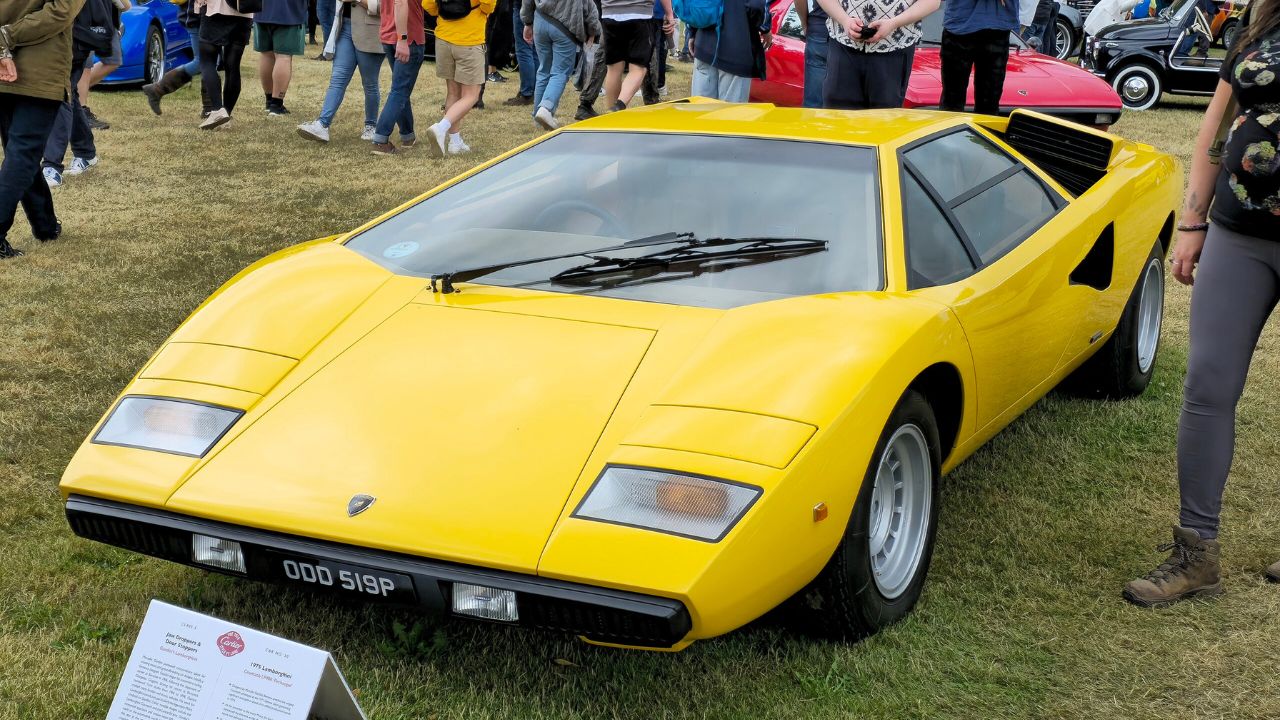
The Countach LP400 defined exotic styling for years, featuring sharp angles, scissor doors, and a mid-mounted 4.0-liter V12 with around 375 horsepower. Its dramatic presence was paired with raw performance for the era.
The interior was snug and driver-focused, matching the car’s aggressive personality. With fewer than 200 LP400s produced, its rarity and design have fueled a steady rise in value over the decades.
Like Fast Lane Only’s content? Be sure to follow us.
Here’s more from us:
*Created with AI assistance and editor review.