Throughout automotive history, some cars have gained notoriety not for their innovation or design, but for their questionable quality and execution. While some vehicles have become cult classics, others are remembered for the wrong reasons. Here, I delve into eight cars that, in hindsight, might have been better left on the drawing board.
Pontiac Aztek

The Pontiac Aztek is often cited as one of the most polarizing vehicles ever created. Released in the early 2000s, the Aztek was an attempt by General Motors to appeal to younger consumers with an adventurous lifestyle. However, its unusual design, characterized by a bulky and awkward body shape, failed to resonate with buyers. Its aesthetics were so off-putting that it overshadowed the vehicle’s practical features, such as a spacious interior and optional camping package. Despite its shortcomings in design, the Aztek has received a cult following in recent years, partly due to its role in the popular TV series “Breaking Bad.” Still, it remains a symbol of how poor design decisions can overshadow even the best intentions in engineering and functionality.
Yugo GV
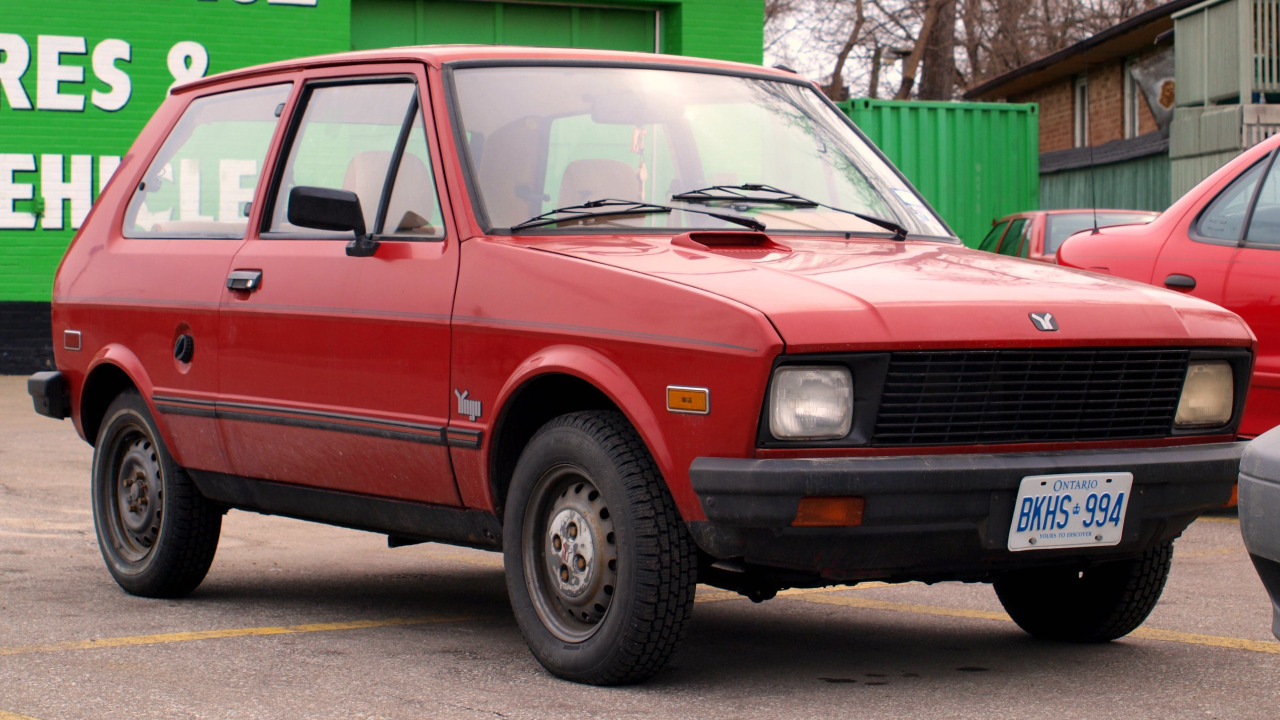
The Yugo GV is often remembered as a textbook example of why some cars should never hit the market. Manufactured in the former Yugoslavia, the Yugo was marketed in the U.S. as an affordable alternative for budget-conscious consumers. However, its low price point came with significant trade-offs, including subpar build quality and frequent mechanical issues. Critics were quick to point out the Yugo’s reliability problems, which ranged from engine failures to poorly functioning electrical systems. Ultimately, the Yugo’s reputation for being unreliable and cheaply made led to its downfall, making it a cautionary tale for automakers focusing solely on cost-cutting measures.
Ford Pinto
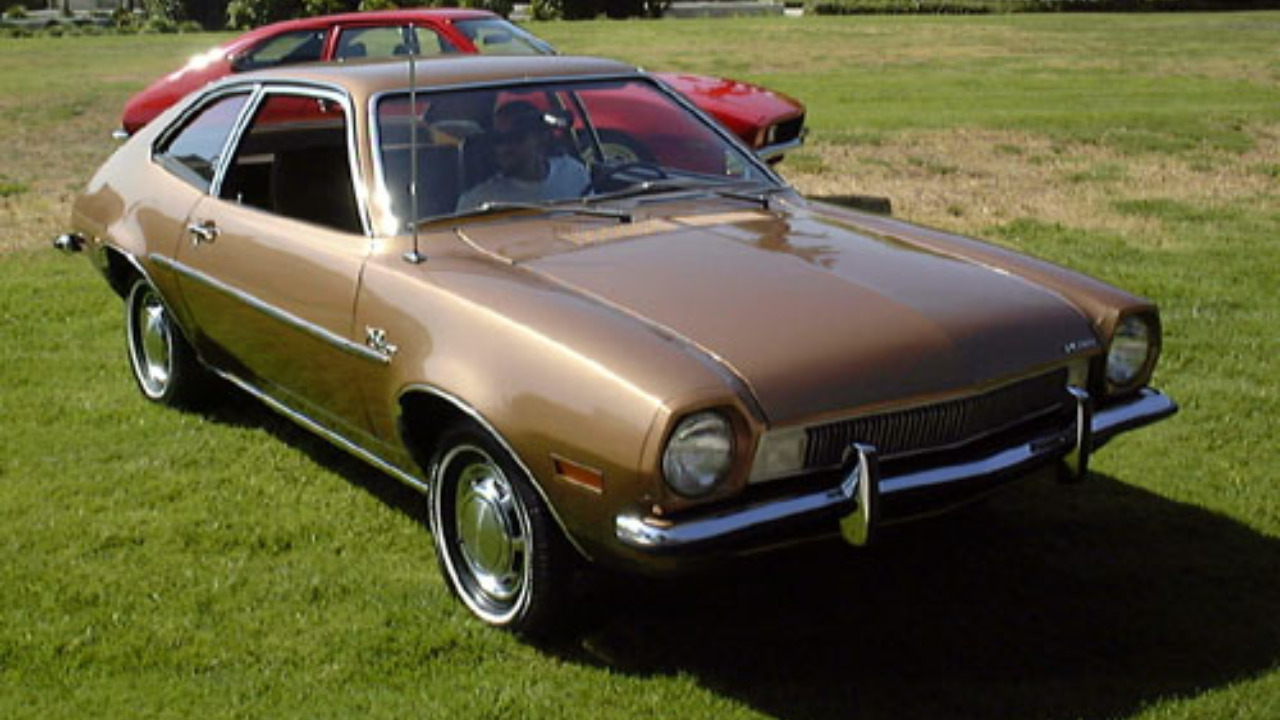
The Ford Pinto is infamous for its safety issues, particularly with its fuel tank design. Released in the 1970s, the Pinto was involved in numerous incidents where rear-end collisions resulted in fuel tank ruptures and fires. This led to a public outcry and a string of lawsuits that tarnished Ford’s reputation for years. While the Pinto was designed to be a compact and economical vehicle, its safety flaws overshadowed its affordability. Ford eventually made design improvements, but the damage to its reputation was already done. The Pinto serves as a reminder of the importance of prioritizing safety in automotive design and production.
AMC Gremlin
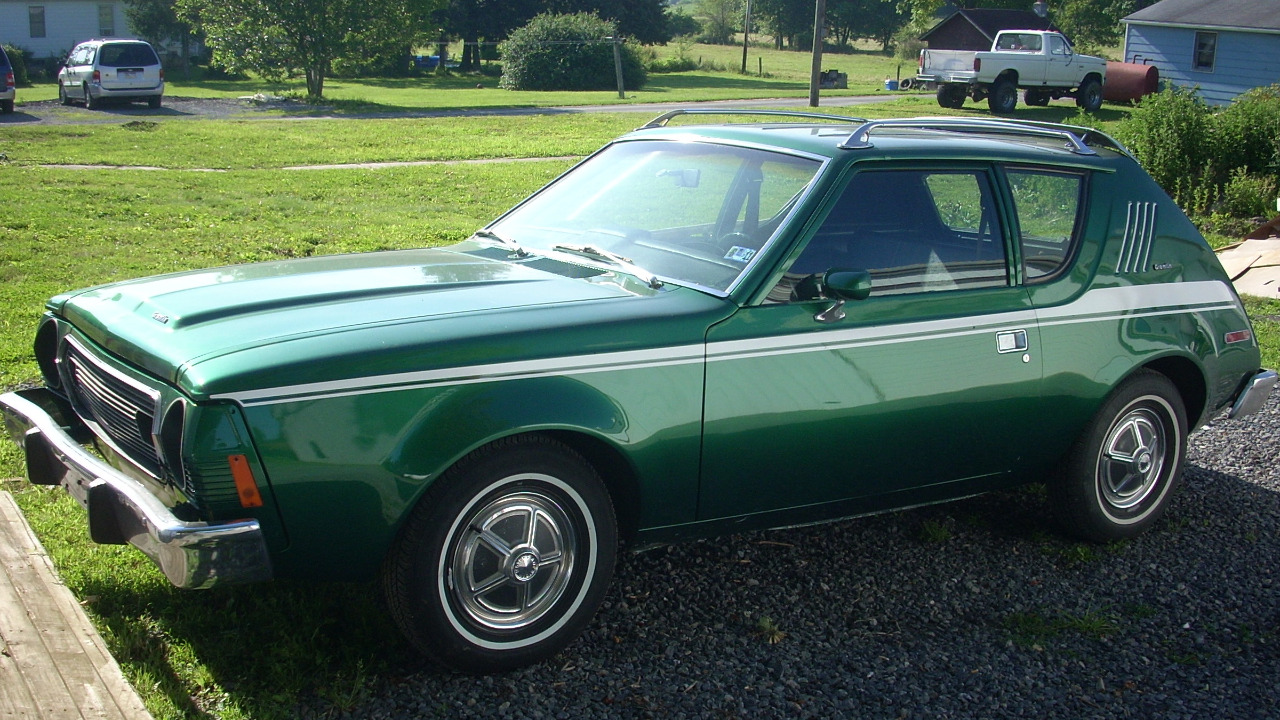
The AMC Gremlin, launched in the 1970s, was an attempt by American Motors Corporation to compete in the subcompact market. However, its odd design, which featured a truncated rear end and boxy profile, earned it more ridicule than praise. Despite its unusual appearance, the Gremlin did offer a degree of affordability and performance that appealed to some consumers. Unfortunately, the Gremlin’s quirks extended beyond its appearance. It was plagued by issues such as poor build quality and unimpressive fuel efficiency. While it has gained a cult following over the years, the Gremlin remains a reminder of how styling missteps and quality concerns can impact a vehicle’s legacy.
DeLorean DMC-12
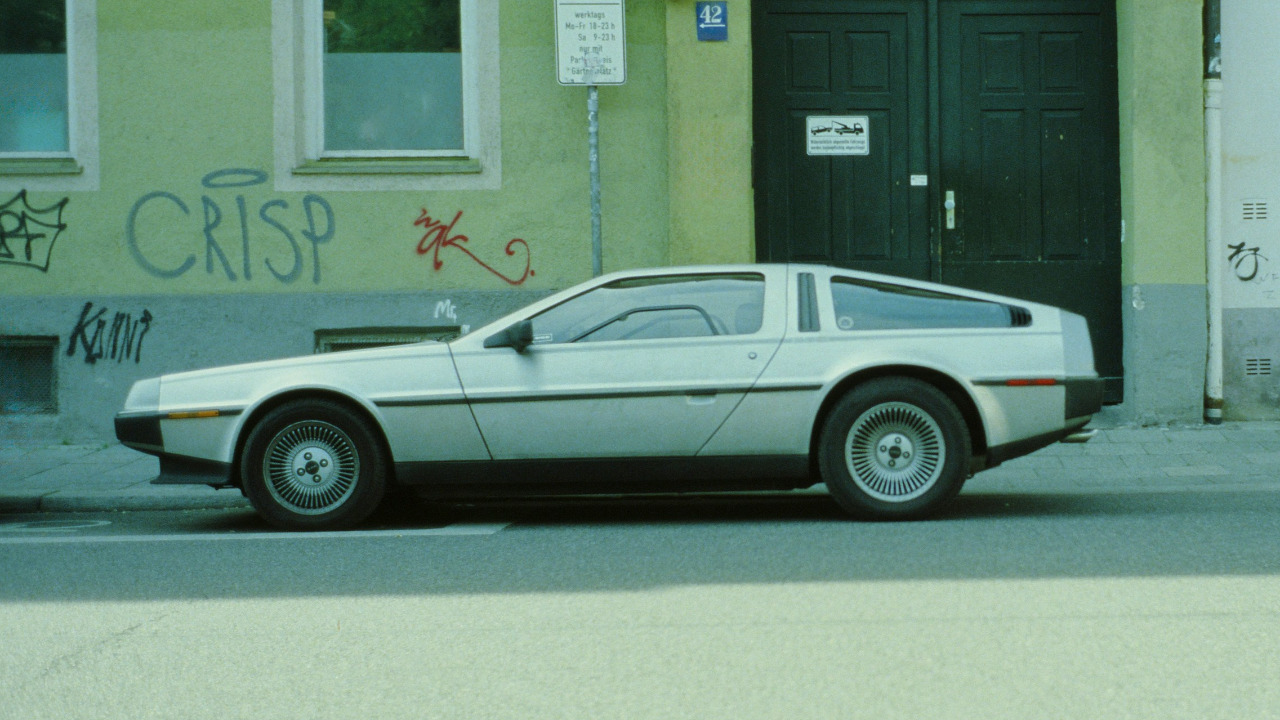
While the DeLorean DMC-12 is often celebrated for its role in the “Back to the Future” films, its real-world performance left much to be desired. Released in the early 1980s, the DMC-12’s futuristic stainless steel body and gull-wing doors captured the public’s imagination. However, beneath the surface, the car suffered from underwhelming performance and reliability issues. The DeLorean’s lackluster engine, combined with production delays and financial difficulties faced by the company, led to its downfall. Despite its iconic status in pop culture, the DMC-12’s commercial failure serves as a cautionary tale about the importance of substance over style in automotive design.
Chrysler PT Cruiser
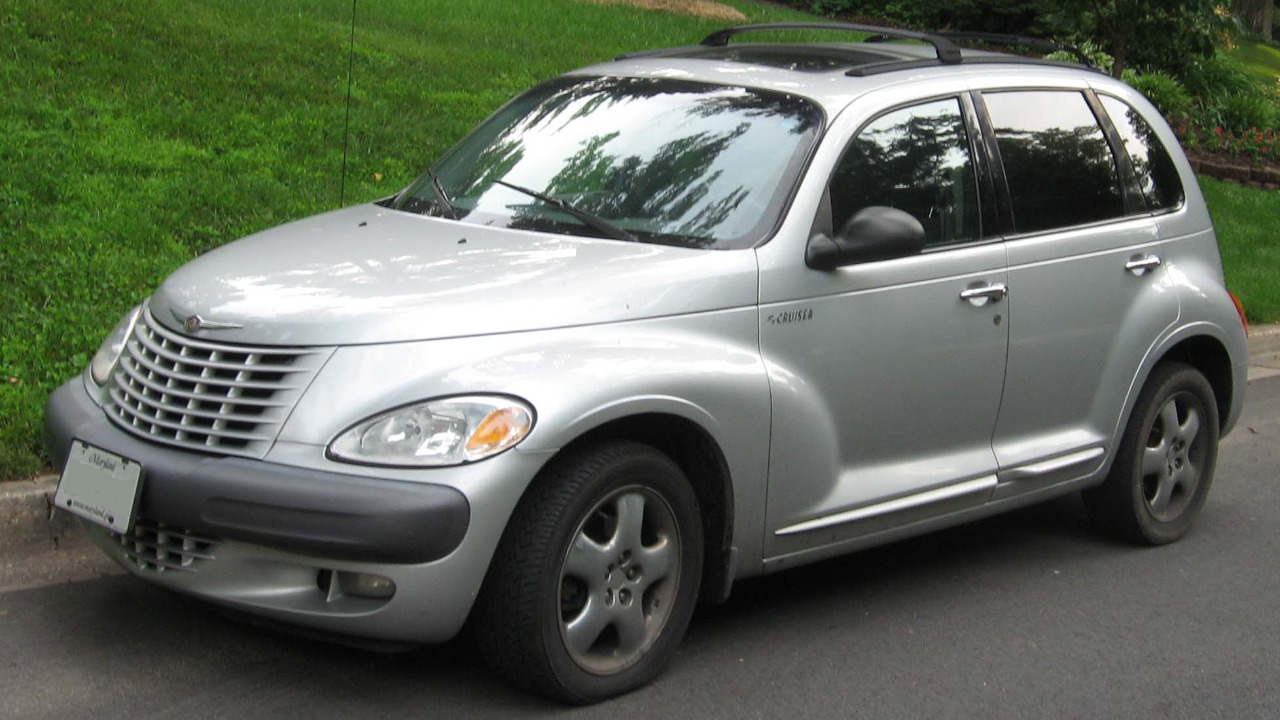
The Chrysler PT Cruiser, introduced in the early 2000s, aimed to capture the retro design trend with its distinct styling reminiscent of 1930s American cars. While its quirky looks initially attracted a strong following, the enthusiasm waned as consumers began to realize its shortcomings. Critics pointed out the PT Cruiser’s mediocre performance and lack of refinement compared to its competitors. Its interior quality and handling did not live up to the expectations set by its bold exterior. While it had its moment of popularity, the PT Cruiser eventually became a symbol of style over substance in the automotive industry.
Fiat Multipla
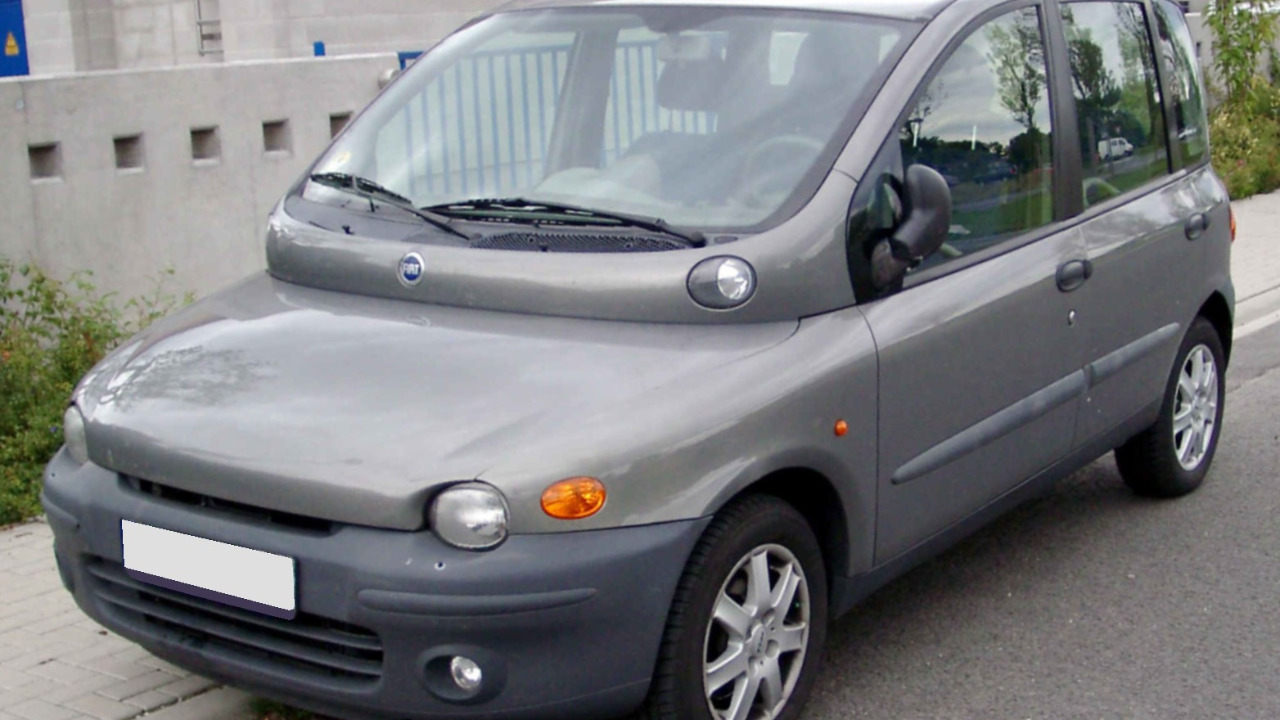
The Fiat Multipla is perhaps one of the most visually unconventional cars ever produced. Released in the late 1990s, the Multipla’s unique design, characterized by a wide body and high roofline, prioritized practicality over aesthetics. While it offered ample interior space and versatility, its looks were divisive at best. Despite its functionality, the Multipla was often criticized for its bizarre appearance, which overshadowed its practical features. It became a frequent target of ridicule and remains an example of how extreme design choices can sometimes backfire, even when practicality is prioritized.
Hummer H2

The Hummer H2, introduced in the early 2000s, was a bold statement in the SUV market. Modeled after military vehicles, the H2 was intended to convey ruggedness and power. However, its massive size and poor fuel efficiency quickly drew criticism, particularly as environmental concerns began to rise. While the H2 offered an imposing presence and off-road capabilities, its impracticality for everyday use and high operating costs limited its appeal. As the automotive industry shifted towards more fuel-efficient and environmentally friendly options, the H2 became a symbol of excess and eventually faded from the market. This shift underscores the importance of adapting to changing consumer priorities and environmental standards.