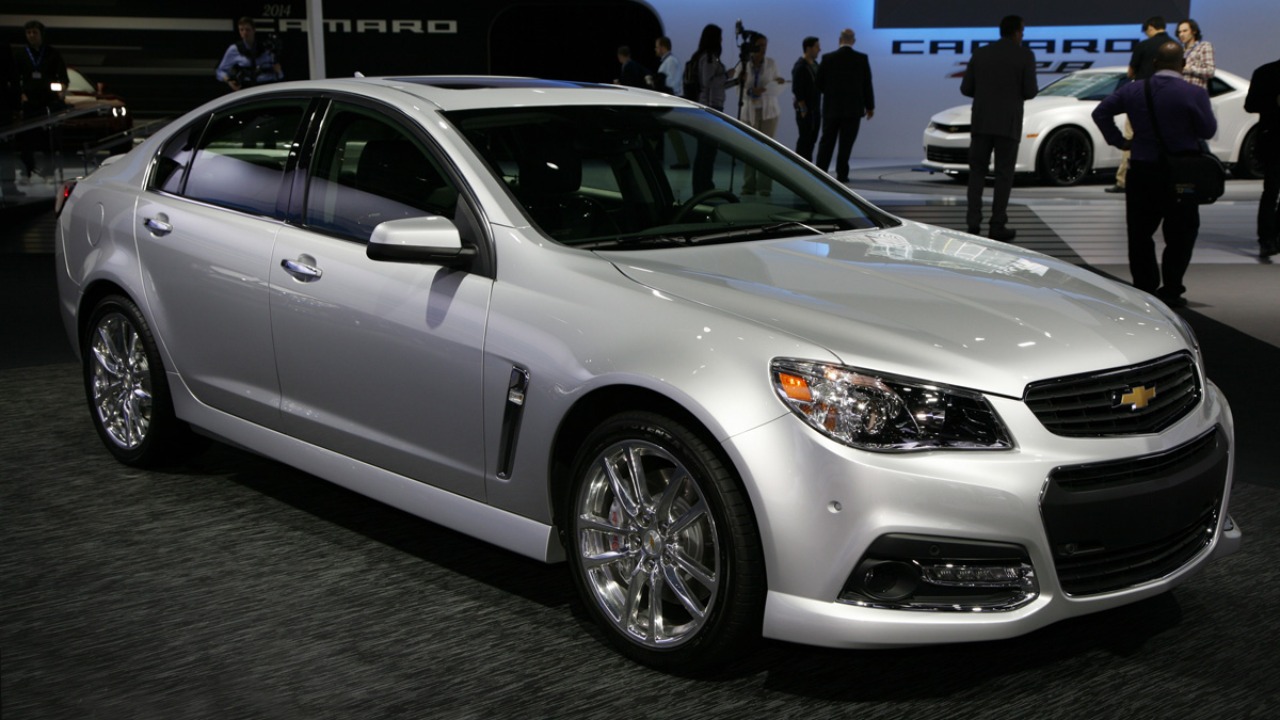
The Chevy SS sedan arrived quietly, sold slowly, and disappeared quickly, yet it has started to look like one of the most intriguing modern performance bets. A model once overlooked in Chevrolet showrooms has emerged as a low-volume V8 sedan combining rarity, character, and performance appealing to collectors. As interest and values rise, the previously slow-selling car is gaining recognition as a potential future collector favorite.
That shift did not happen overnight. It reflects a growing recognition that the SS combined ingredients that are unlikely to be repeated: a naturally aspirated big engine, rear-wheel drive, understated styling, and global-platform engineering tied to the end of Australian manufacturing. As the market reassesses those attributes, the sedan’s obscurity has started to look less like a flaw and more like a badge of insider status.
The sleeper formula that enthusiasts missed the first time
The core appeal of the Chevrolet SS was always its understatement. Beneath conservative four-door sheetmetal sat a drivetrain that shared much with contemporary performance icons, including a 415-horsepower V8 that enthusiasts immediately associated with a Corvette engine. Period coverage of the car highlighted that the Chevrolet SS delivered this 415-horsepower output in a package that looked more like a rental fleet special than a track toy, which is precisely what made it attractive to drivers who valued discretion. One review described the SS sedan as possibly the last of the Heavy Chevys, a description that captured how it tried to blend classic American muscle values with modern refinement.
Later commentary has reinforced that contrast between anonymity and capability. One enthusiast-focused review framed the car as a benchmark for those who dismissed it, asking plainly, “Why are Chevy SS so rare?” and answering that the SS was produced for only four years and totaled 12,860 units. That tiny production figure, tied to a car with genuine performance credentials, is the kind of combination that collectors typically notice only after the fact. In hindsight, the sleeper styling did not just hide the performance from casual observers; it also hid the long-term significance from many buyers while the car was new.
Australian roots, manual gearboxes, and a cult following
The SS is rooted in its global origin, based on the Australian Holden Commodore, which provided a chassis tuned for both performance and long-distance comfort. This Australian link grew significant after local manufacturing ended, tying the SS to the conclusion of rear-drive Australian sedans. According to Australia’s Motoring, Holden manufacturing employees signed the engine bay before shipping the SS to America for some examples, turning certain cars into rolling souvenirs of the factory itself and adding another layer of story that collectors tend to prize.
The specification sheet helped deepen that appeal. A six-speed manual transmission was added for 2015, which further separated the SS from the automatic-only Dodge Charger and aligned it more closely with enthusiast expectations for a serious performance sedan. Buyers who sought out these manual cars effectively self-selected into a small, committed community, and later market analyses have suggested that preserved examples could become collectible as that group matures. Enthusiast discussions have also pointed out that the Chevrolet SS shares the same Zeta platform as the fifth generation Camaro from 2010 to 2015, a fact that underscores its engineering pedigree and links it directly to another modern performance icon.
From showroom slow-seller to data-backed collector candidate
Market data has started to catch up with the car’s reputation. One detailed market spotlight on the Chevrolet SS noted that resale values immediately reflected the SS’ cult status, with early buyers able to put a healthy dose of mileage on one without taking the kind of depreciation hit that typically punishes new sedans. That same analysis observed that resale performance for cars in better-than-good condition has remained unusually strong, suggesting that enthusiasts were quietly propping up demand even as the broader public remained indifferent. A separate overview of Chevrolet SS values has reinforced that pattern by tracking how interest has grown as other V8 sedans disappear from showrooms.
On the transactional side, price aggregators have started to quantify that shift. A dedicated Chevrolet SS market page compiles recent sales and helps illustrate that the car is no longer the bargain-bin outlier it once was. Another pricing snapshot has pegged the average price of a Chevrolet SS at $40,426, a figure that would have surprised shoppers who saw heavy discounts on new examples. Enthusiast comparisons in the used market have gone further, describing the Chevy SS as a modern classic that did not sell in large numbers when it was new, yet now attracts more attention than higher-volume rivals in traffic and at events.
Why the SS now looks like a future favorite
Years after production ended, the same features that challenged initial sales now enhance the SS’s appeal to collectors. The car arrived in an era dominated by crossovers and turbocharged efficiency, yet it clung to a large-displacement engine, rear-wheel drive, and a traditional sedan body. Analysts who looked ahead at potential collector cars flagged the Chevrolet SS early, pointing out that the SS sedan may be the last of the Heavy Chevys, with a 415-horsepower Corvette engine driving the rear wheels and used examples offering good deals on eBay. That early prediction has aged well as V8 sedans have become rarer and as buyers have recognized how unusual the SS formula really was.
More from Fast Lane Only