
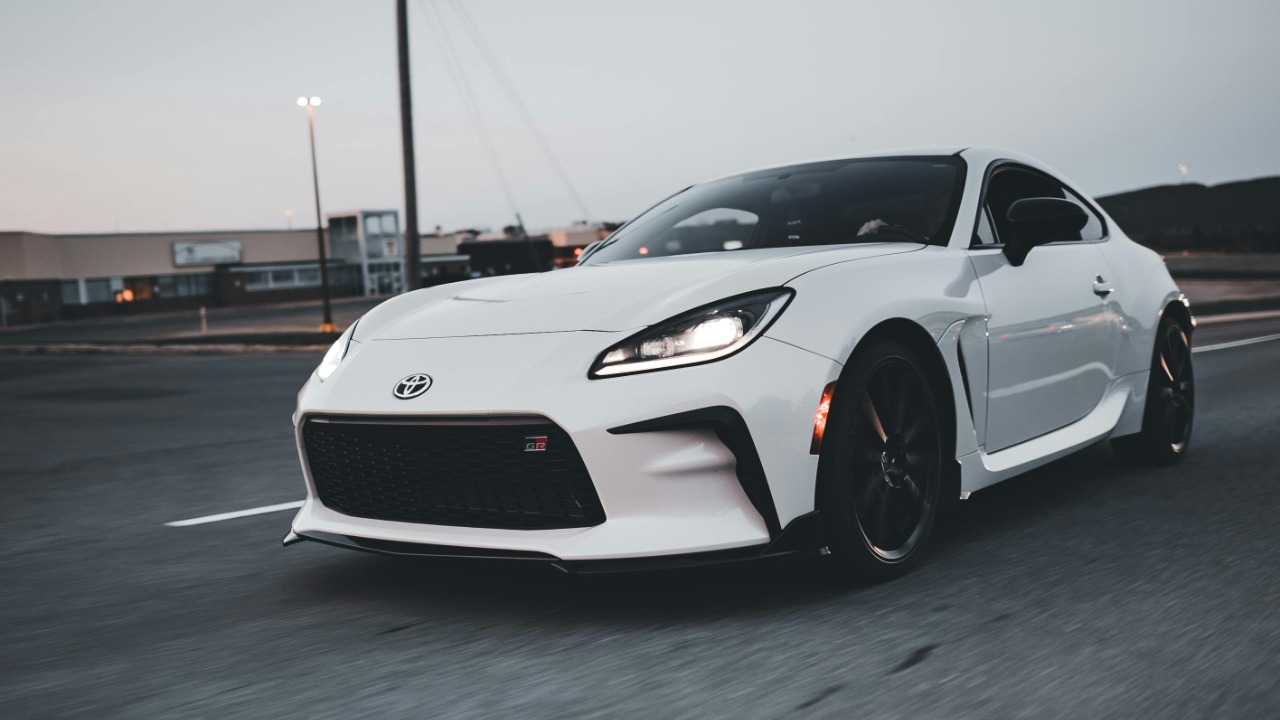
Classic car auctions increasingly reveal a split market, where chrome heavy relics stall while newer icons command feverish bidding. Collectors still chase nostalgia, yet many now define it through 1990s performance heroes and early 2000s halo models rather than 1950s cruisers.
Generational wealth reshapes what counts as a classic
Rising incomes among younger professionals give fresh buyers the confidence to enter collecting, and they bring different tastes. Many millennials and Gen Zers now channel new earnings into enthusiast cars that feel attainable, aspirational, and usable every day.
Analysts note that Turns in the economy helped Gen Zers and millennials build savings that they now deploy into enthusiast purchases. Many of these buyers grew up idolizing tuner culture, video game garages, and modern supercars rather than 1960s boulevard cruisers.
Younger collectors reject their grandparents’ garage
Market researchers describe a clear generational pivot, where younger enthusiasts respect older metal yet rarely buy it. Many prefer cars that mirror their own childhood posters, which often feature Japanese performance coupes, German sedans, and rally bred hatchbacks.
Survey work from Hagerty shows that In July researchers fielded a survey called Future of Driving. That research found 60 percent of Gen Z respondents expect to own collectible vehicles, yet they often choose radically different eras from older generations.
Modern classics rise while some icons stall
Dealers increasingly describe a two speed market, where 1960s and 1970s staples soften while younger metal quietly surges. Buyers still pay strong money for blue chip Ferraris and air cooled Porsches, yet they now chase later performance legends with equal enthusiasm.
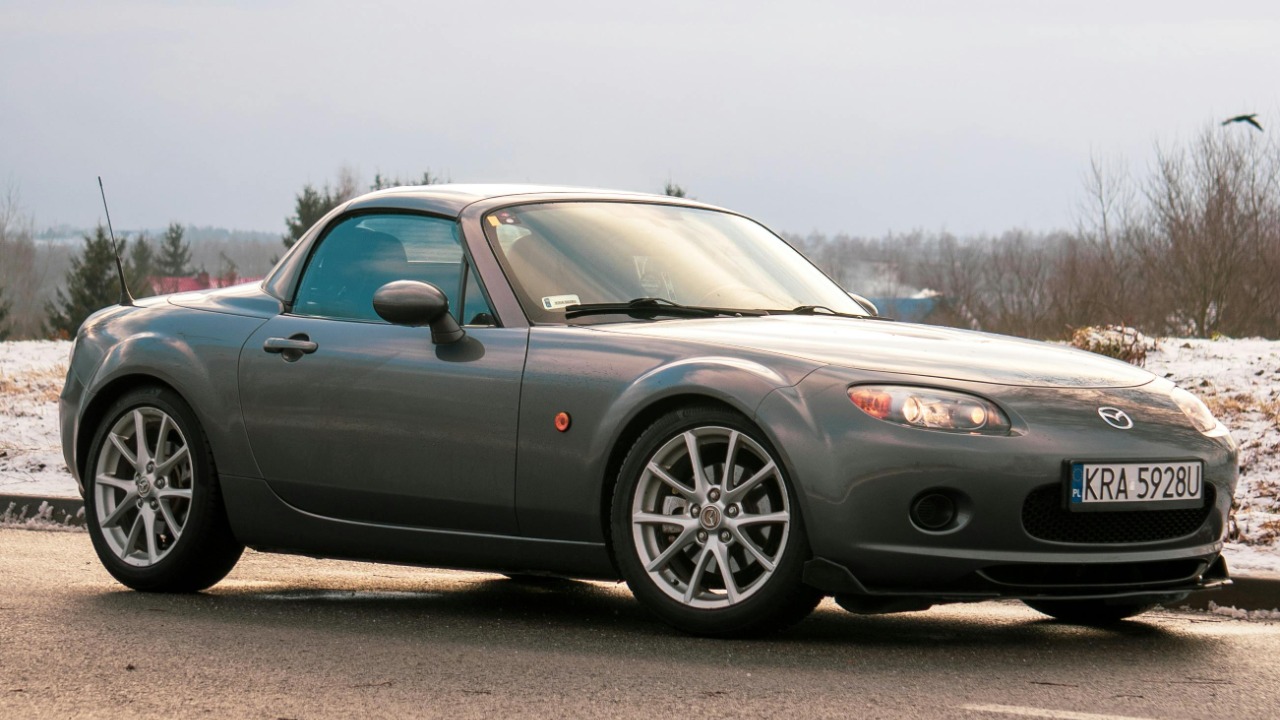
Analysts tracking residual values highlight the surge in so called modern classics, including the last V8s and V12s alongside cult hot hatches like the Toyota GR Yaris. Enthusiasts also elevate iconic convertibles such as the Mazda MX 5, which blend analog driving feel with modern reliability and everyday usability.
Classic car market no longer belongs to Baby boomers
Insurance data and club rosters show that Baby boomers no longer dominate ownership of collectible vehicles. Younger Drivers Take the Wheel as enthusiasts in their thirties and forties register more policies for weekend toys and track capable machines.
Industry observers note that the Classic Car Market now reflects a broader demographic, where Baby boomers share the stage with tech workers and creative professionals. Many of these new owners daily drive their collectibles, which changes expectations around comfort, safety, and connectivity.
Investment logic favors younger metal
Collectors who treat cars as financial assets increasingly study which segments still offer headroom. Many now view 1990s and early 2000s performance models as the next wave, since they combine analog character with limited production and rising cultural cachet.
Specialist advisors emphasize that the classic car market still grows overall, yet they warn that values diverge sharply between segments. Analysts tracking Historic vehicles describe how some categories appreciate steadily while others stagnate or slide, which pushes investors toward younger icons with stronger future demand.
Performance and practicality undercut aging legends
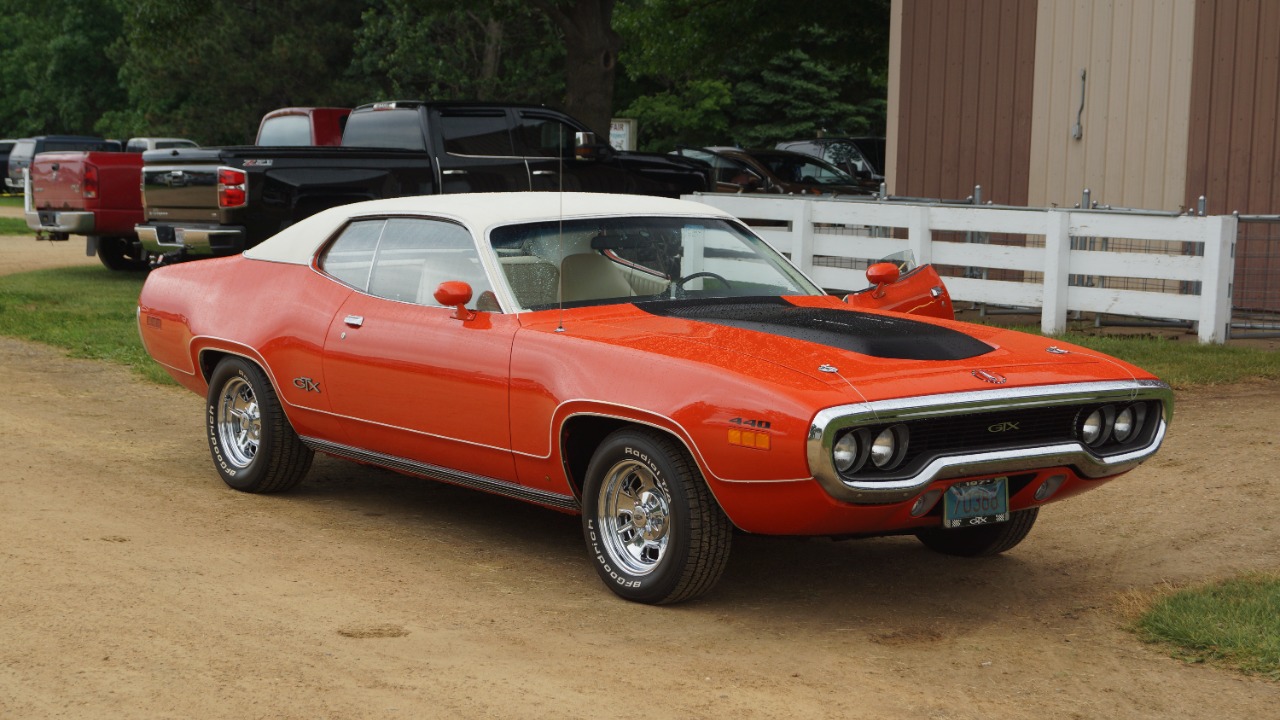
Enthusiasts who grew up with turbocharged hatchbacks and dual clutch gearboxes often struggle to justify slow, maintenance heavy classics. Many compare the performance of older muscle cars with modern hot hatches and decide that nostalgia alone cannot offset the compromises.
Commentators reviewing auction results argue that younger buyers scrutinize value more aggressively, especially when restoration costs rival house deposits. One analyst in a Jul video bluntly states that younger buyers look at some traditional classics and cannot justify the price tag when considering performance and upkeep, which helps explain why certain models now languish.
Gen Z loves classics, just not the same ones
Demographic data undercuts the stereotype that Gen Zers ignore cars entirely. Many younger enthusiasts embrace car culture passionately, yet they express that passion through drift builds, track days, and social media friendly road trips rather than concours lawns.
Research highlighted in an Aug feature titled Study shows that Gen Z Loves Classic Cars More Than Boomers. Analysts there note that younger drivers still cherish analog experiences, yet they gravitate toward 1990s Japanese icons and early 2000s European performance sedans rather than pre emissions era cruisers.
Some vintage darlings now struggle to find bidders
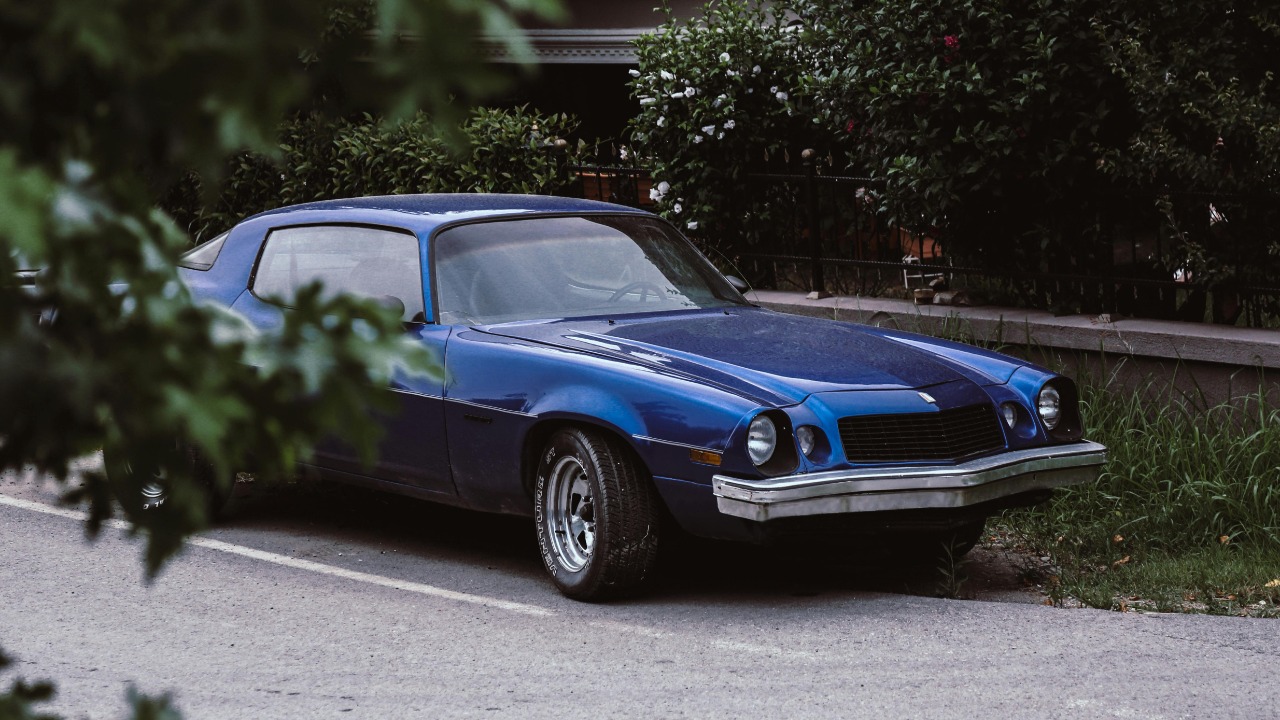
Auctioneers increasingly report softer interest in certain mid century American nameplates that once guaranteed fireworks. Cars that once symbolized futuristic optimism now struggle to resonate with buyers who associate them more with history books than personal memories.
One recent sale captured the mood when a Chevrolet Corvair, long framed as a beacon of American ingenuity, rolled onto the block and struggled to attract bidders. Observers described an auction hall where energy dipped noticeably as several once iconic vintage models crossed the stage and failed to ignite competitive bidding.

Leave a Reply