Classic cars can be a dream to own, but some are money pits or nightmares to maintain. Whether it’s shoddy build quality, sky-high repair costs, or parts that are impossible to find, these ten cars from the 1960s to 1980s are best left alone. They might look tempting at auctions or in barns, but their headaches outweigh the nostalgia. Here’s a rundown of specs, performance, and why these classics could leave you stranded or broke.
1975 AMC Pacer

The 1975 AMC Pacer stood out with its wide, fishbowl-like body and huge windows. Its 232 inline-six made 90 hp, crawling to 0–60 in ~14 seconds with a top speed of 95 mph. The interior had cheap plastic and a cramped dash, despite the roomy cabin. Rust was a huge issue, eating frames and floors, and parts like the unique glass are nearly impossible to source. Repairs are costly due to low production (145,000 units) and quirky engineering. Unless you’re a diehard AMC fan, the maintenance hassle makes this one a pass.
1980 Chevrolet Citation

The 1980 Chevrolet Citation was GM’s attempt at a front-wheel-drive compact. Its 2.8L V6 produced 115 hp, hitting 0–60 in ~11 seconds. The boxy body rusted fast, and the interior used flimsy plastics that cracked easily. Electrical issues and weak transmissions plagued early models, with recalls for brakes and suspension adding to the mess. Parts are scarce since production ended in 1985, and repair shops often struggle with its odd setup. With 1.6 million built, it’s common but not worth the constant fixes or lackluster drive.
1971 Ford Pinto
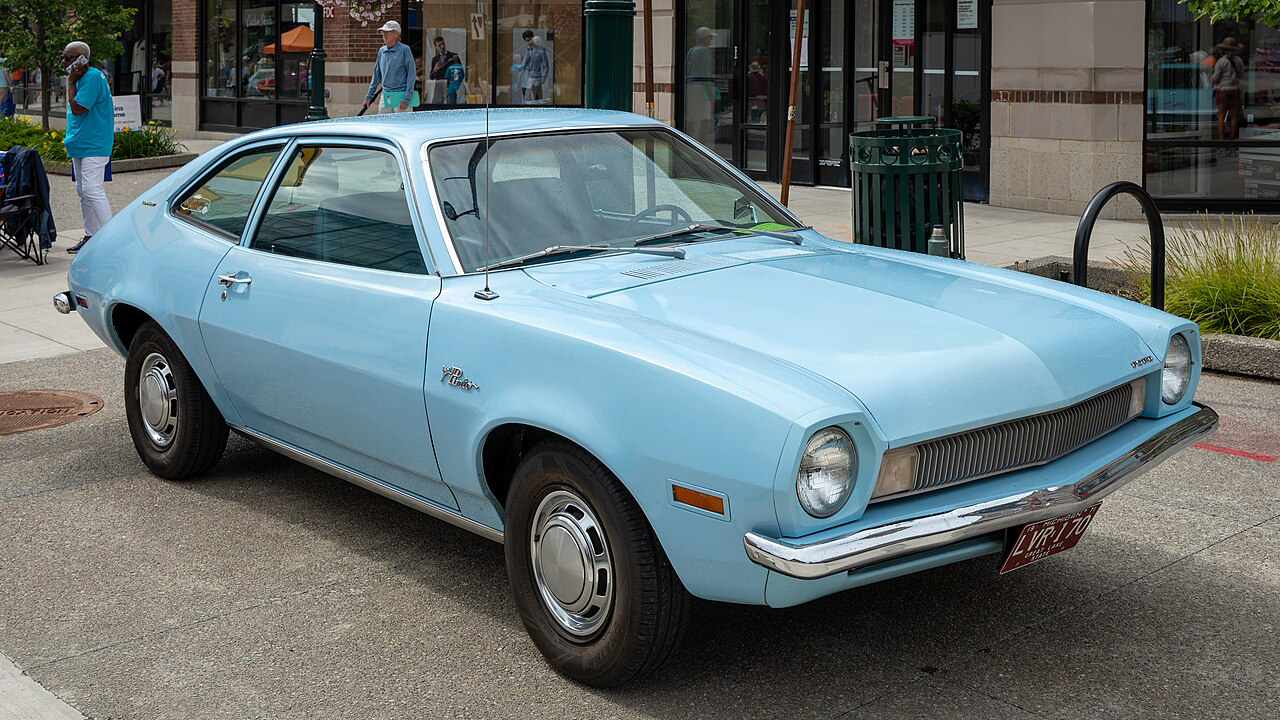
The 1971 Ford Pinto was a cheap subcompact with a 1.6L inline-four making 75 hp, taking ~15 seconds for 0–60 and topping out at 90 mph. Its bare-bones interior had thin seats and a basic dash that rattled. The infamous fuel tank design caused fire risks in rear-end collisions, leading to recalls. Rust devoured the body, and parts like trim are hard to find. Over 3 million were made, but poor safety and reliability make it a liability. You’re better off with a Mustang or even a Civic from the era.
1976 Dodge Aspen
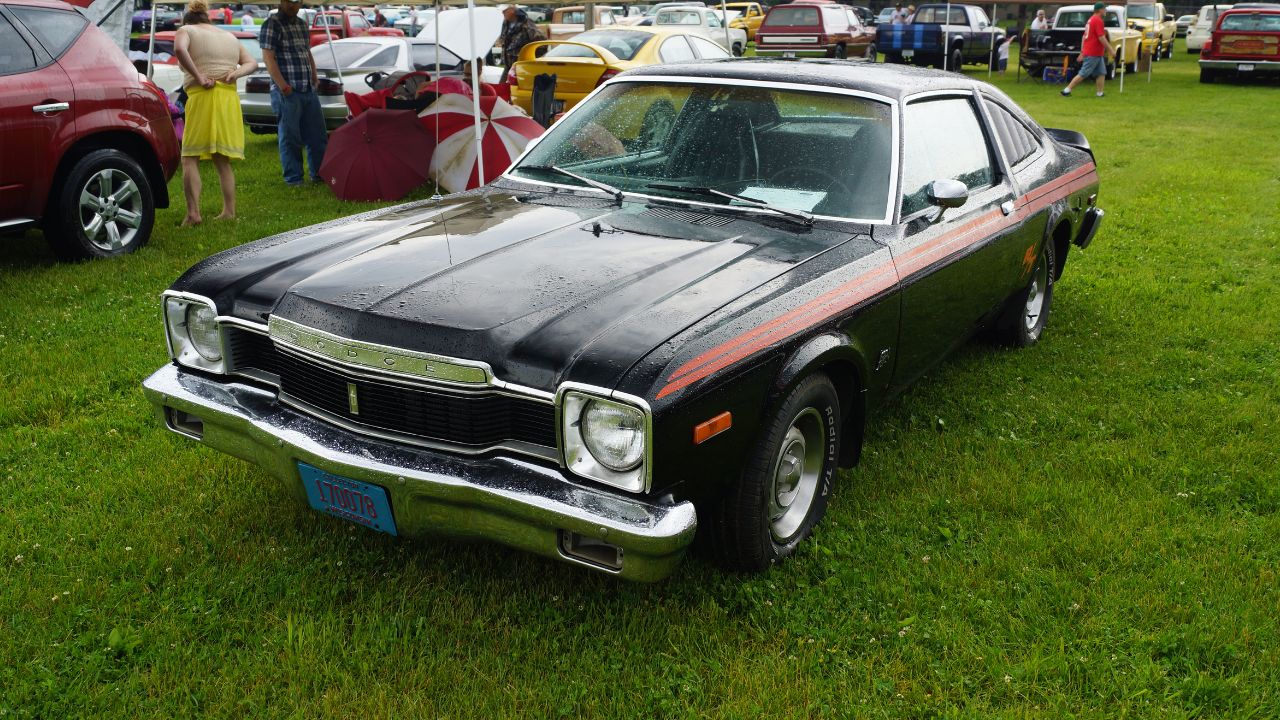
The 1976 Dodge Aspen came with a 225 Slant Six (110 hp) or optional 318 V8 (150 hp), hitting 0–60 in ~12 seconds. Its boxy look hid severe rust issues, especially in fenders and floors. The interior had cheap vinyl and a dash prone to cracking. Carburetor and electrical problems were common, and the Lean Burn system was a nightmare to fix. Parts are tough to source outside Mopar circles, and build quality was sloppy. With 250,000 built yearly, it’s not rare, but the repair costs and breakdowns make it a poor choice.
1982 Pontiac Firebird Trans Am
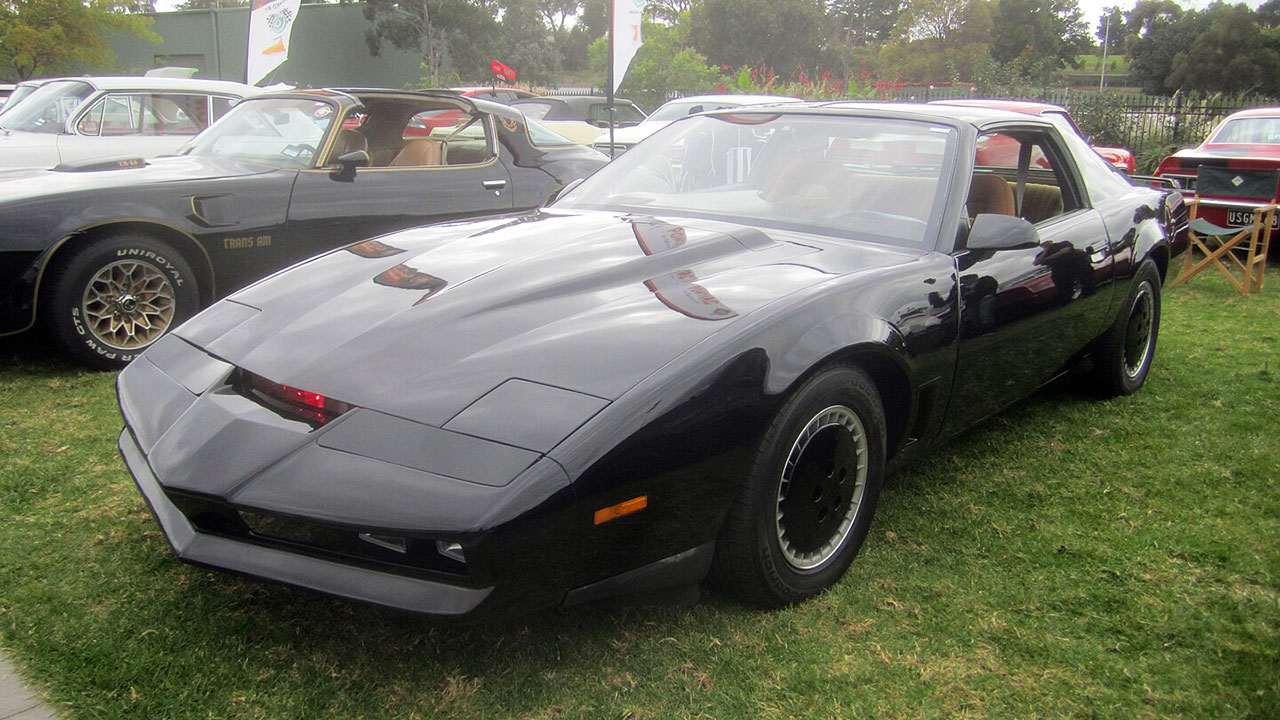
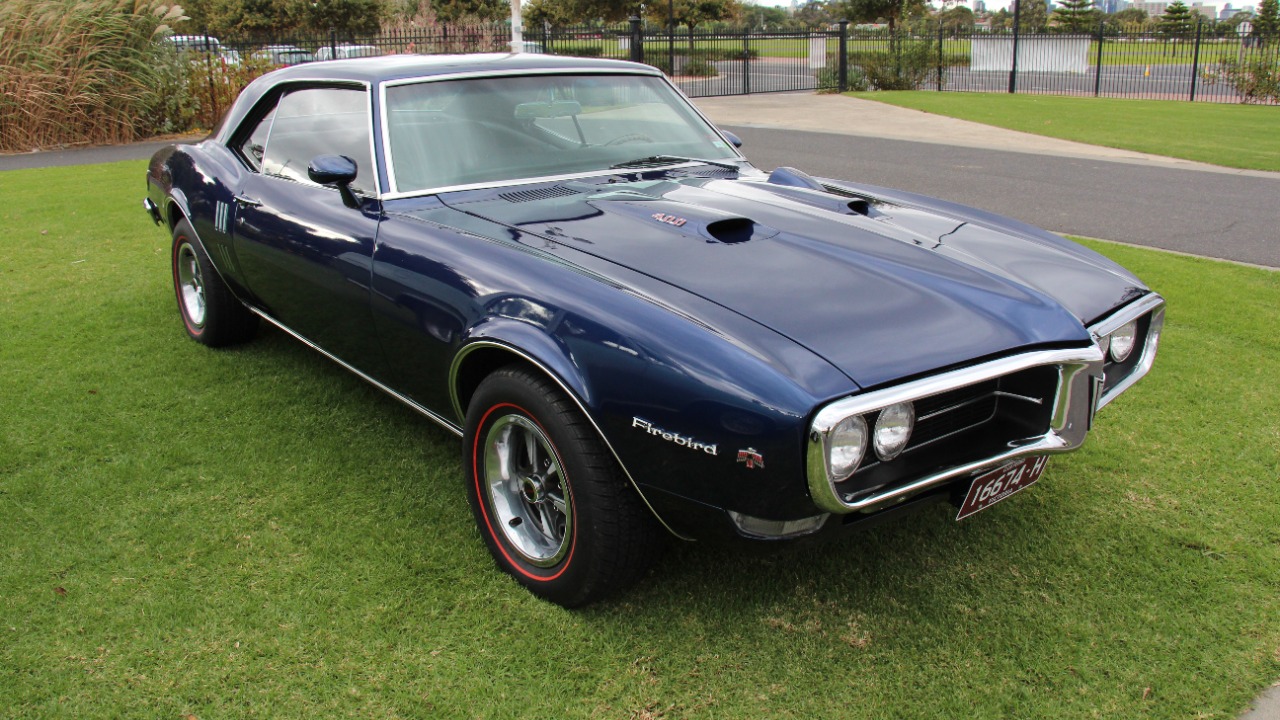
The 1982 Pontiac Firebird Trans Am promised performance but fell flat. Its 5.0L V8 with Crossfire Injection made just 165 hp, slogging to 0–60 in ~10 seconds. The futuristic dash with digital gauges often failed, and the T-top seals leaked badly. Rust hit the undercarriage, and the plastic-heavy interior aged poorly. Parts for the Crossfire system are nearly nonexistent, and repairs are pricey due to low production (52,000 units). Later Trans Ams improved, but this early third-gen model’s weak power and constant issues make it a classic to skip.
1978 Oldsmobile Diesel 350
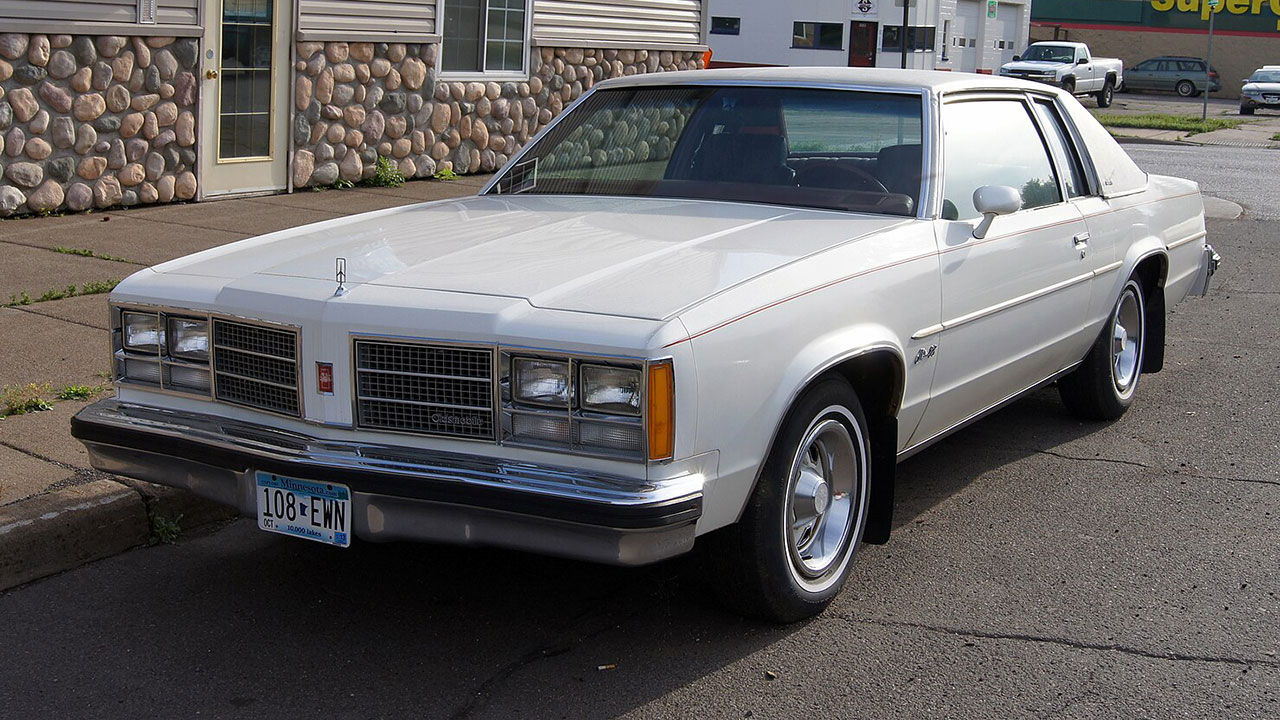
The 1978 Oldsmobile 350 diesel V8, used in models like the Delta 88, produced 120 hp and took ~15 seconds for 0–60. Its heavy body and sluggish performance frustrated drivers. The interior was plush with vinyl benches, but engine failures were rampant—head gaskets and fuel pumps died early. Converting a gas V8 to diesel caused reliability woes, and parts are scarce today. Over 100,000 diesel Oldsmobiles were sold, but most ended up scrapped. The high maintenance costs and lackluster drive make this a classic you’ll regret owning.
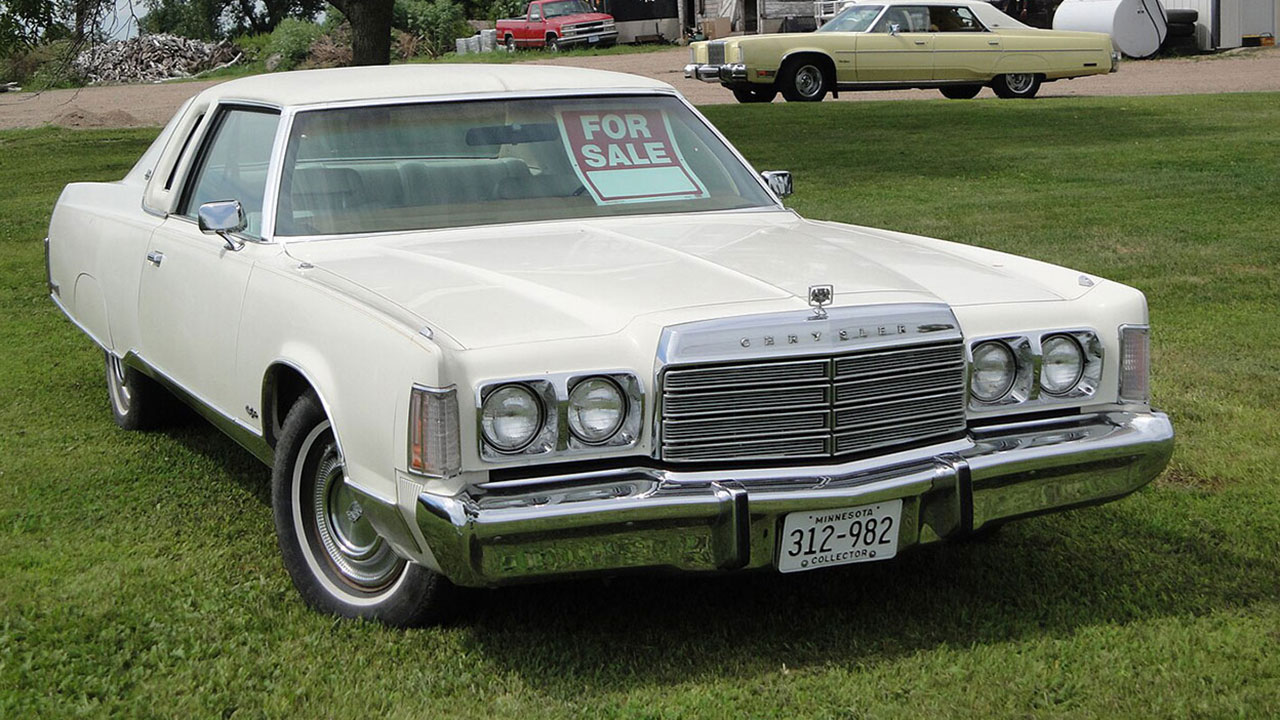
1974 Chrysler New Yorker
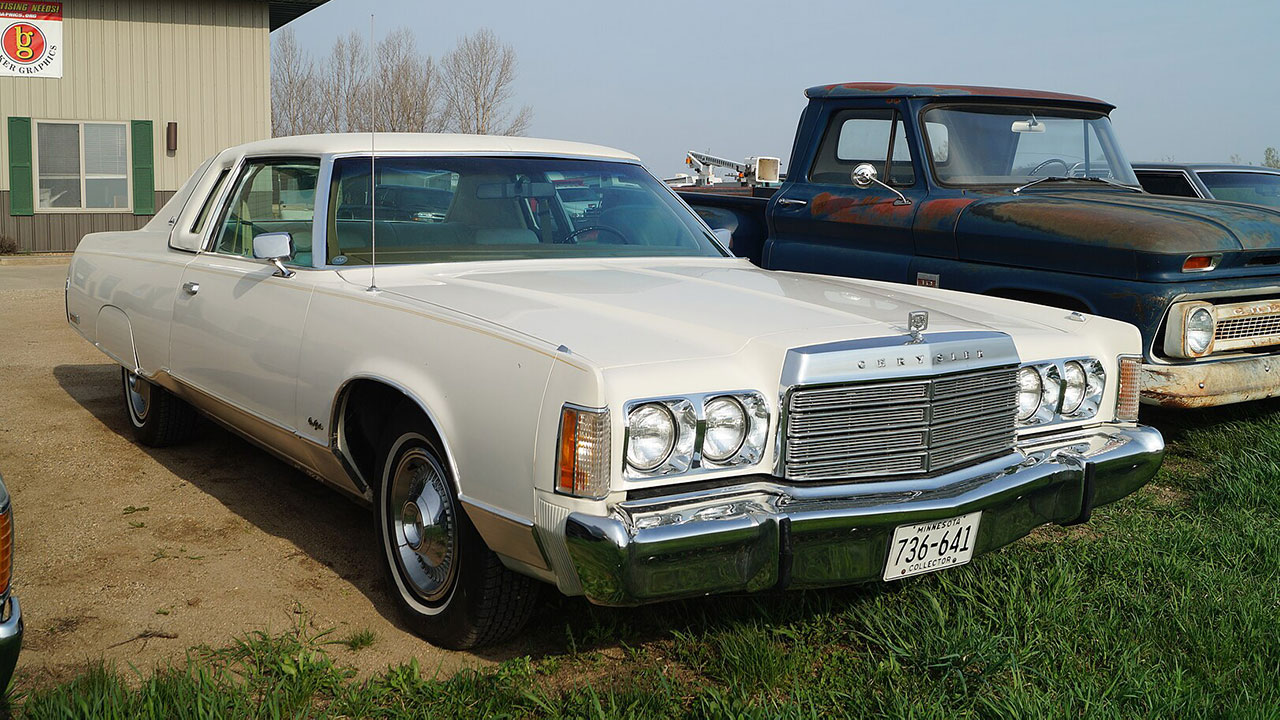
The 1974 Chrysler New Yorker packed a 440 V8 with 195 hp (post-emissions), hitting 0–60 in ~12 seconds. Its massive body rusted quickly, especially around wheel wells. The interior had cushy seats and fake wood trim, but electronics like power windows often failed. The TorqueFlite transmission was durable, but fuel economy (8–10 mpg) and hard-to-find parts like trim or carburetors hurt. With ~50,000 built, it’s not rare, but the upkeep costs and poor handling make it a gas-guzzling relic better left in the past.
1980 Ford Mustang II
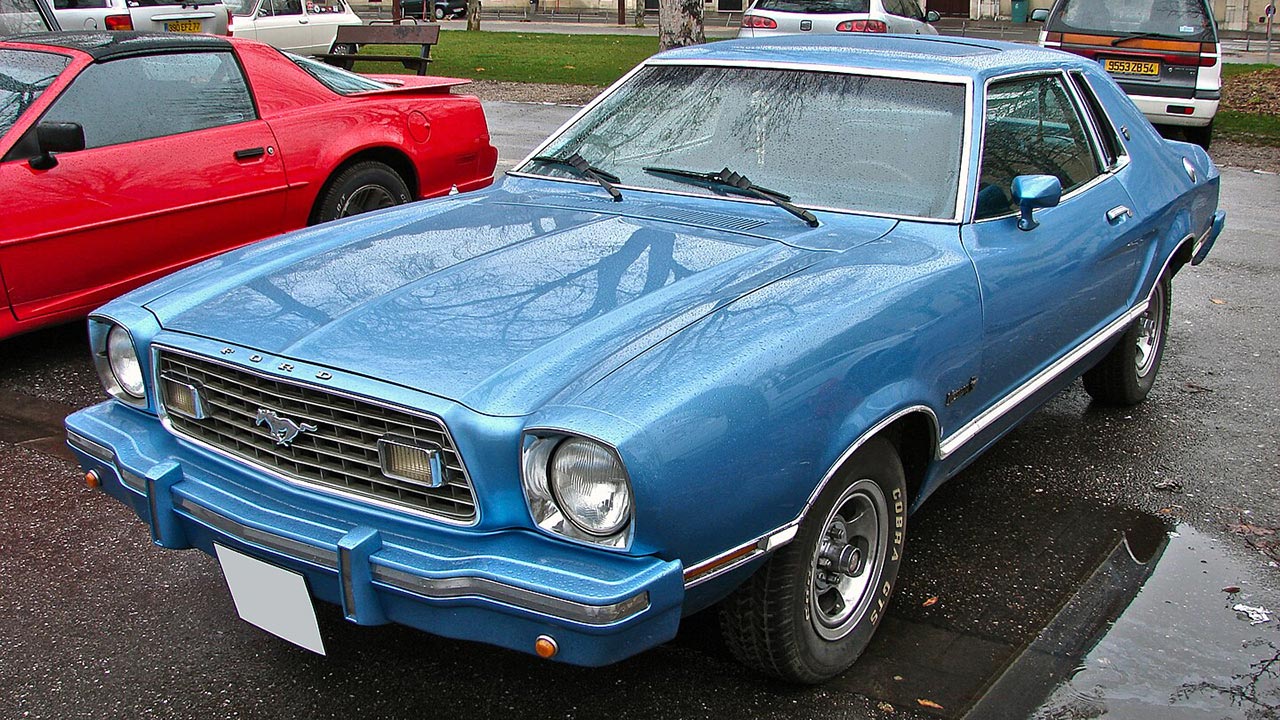
The 1980 Ford Mustang II was a low point for the nameplate. Its 2.3L inline-four made 88 hp, taking ~13 seconds for 0–60, while the optional 5.0L V8 (139 hp) wasn’t much better. The interior used cheap plastic and thin seats, with a dash that rattled. Rust was a major issue, and the Pinto-based platform felt flimsy. Parts are available but not cheap, and the car’s sluggish performance disappoints. Over 400,000 were built, but its poor reputation and maintenance headaches make it one to avoid.
1979 Mercury Capri
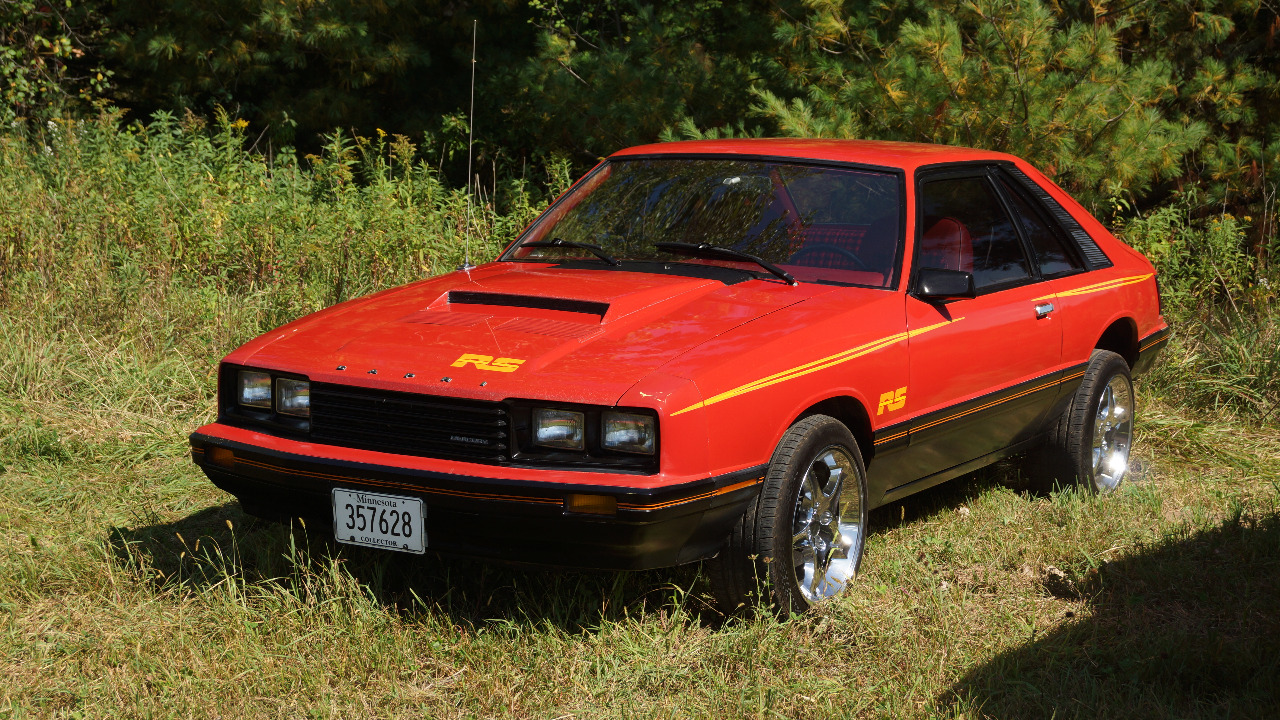
The 1979 Mercury Capri, a Fox-body cousin to the Mustang, offered a 2.8L V6 (109 hp) or 5.0L V8 (140 hp), hitting 0–60 in ~10–12 seconds. Its angular body rusted fast, and the interior’s vinyl and plastic cracked easily. Electrical gremlins and weak suspensions were common, with parts like trim hard to source outside Mustang suppliers. About 370,000 were made, but the Capri’s shared flaws with the Mustang II and lack of distinct appeal make it a tough sell. You’re better off with a later Fox Mustang.
1981 Chrysler Imperial
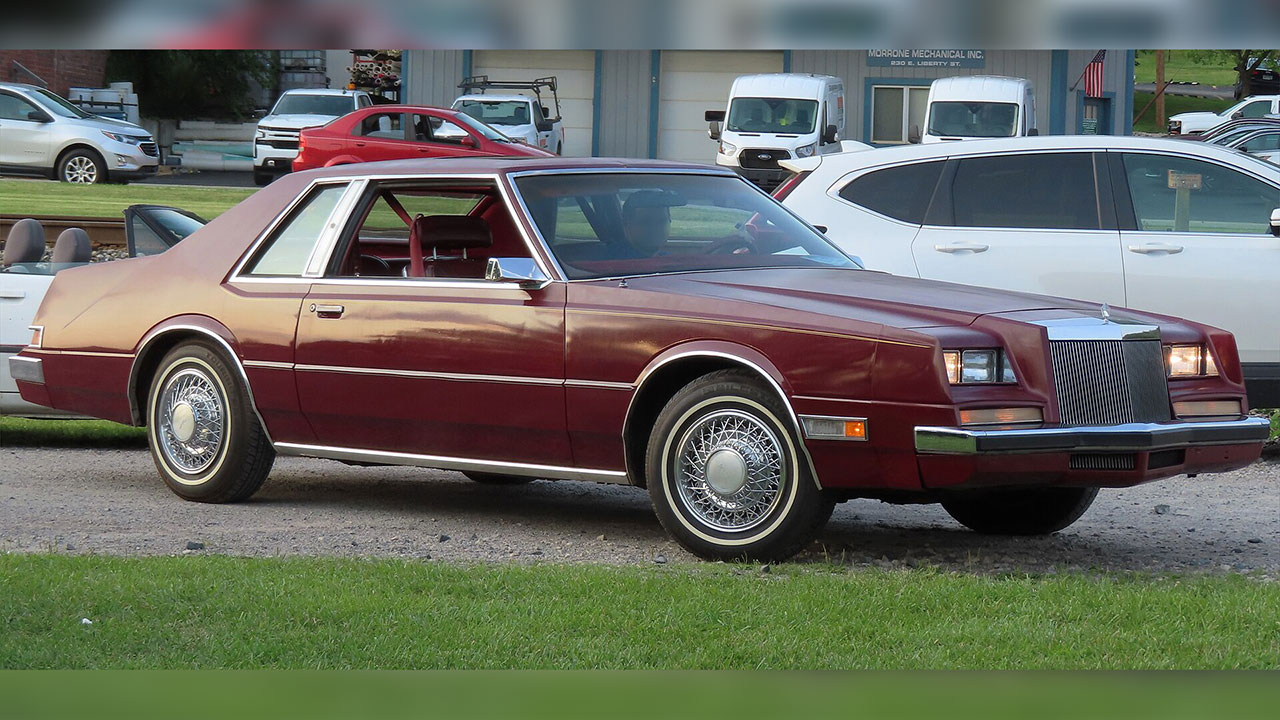
The 1981 Chrysler Imperial aimed for luxury but missed the mark. Its 5.2L V8 made 140 hp, crawling to 0–60 in ~13 seconds. The digital dash and plush leather interior were nice but plagued by electrical failures. The EFI system was unreliable, often requiring costly rebuilds. Rust hit the body hard, and parts like the unique crystal hood ornament are rare. Only 12,385 were built, making repairs expensive. Its heavy weight and poor performance don’t justify the hassle, especially when better luxury classics like Cadillacs are available.
Like Fast Lane Only’s content? Be sure to follow us.
Here’s more from us:
*Created with AI assistance and editor review.