Automakers have long drawn inspiration from the world of aviation, translating the sleek designs of aircraft into some of the most iconic vehicles on the road. These classic cars feature distinct aviation-inspired design cues that make them stand out in automotive history. From streamlined bodies to turbine-like features, these vehicles reflect an era when the sky was not the limit but a design muse.
Saab 900
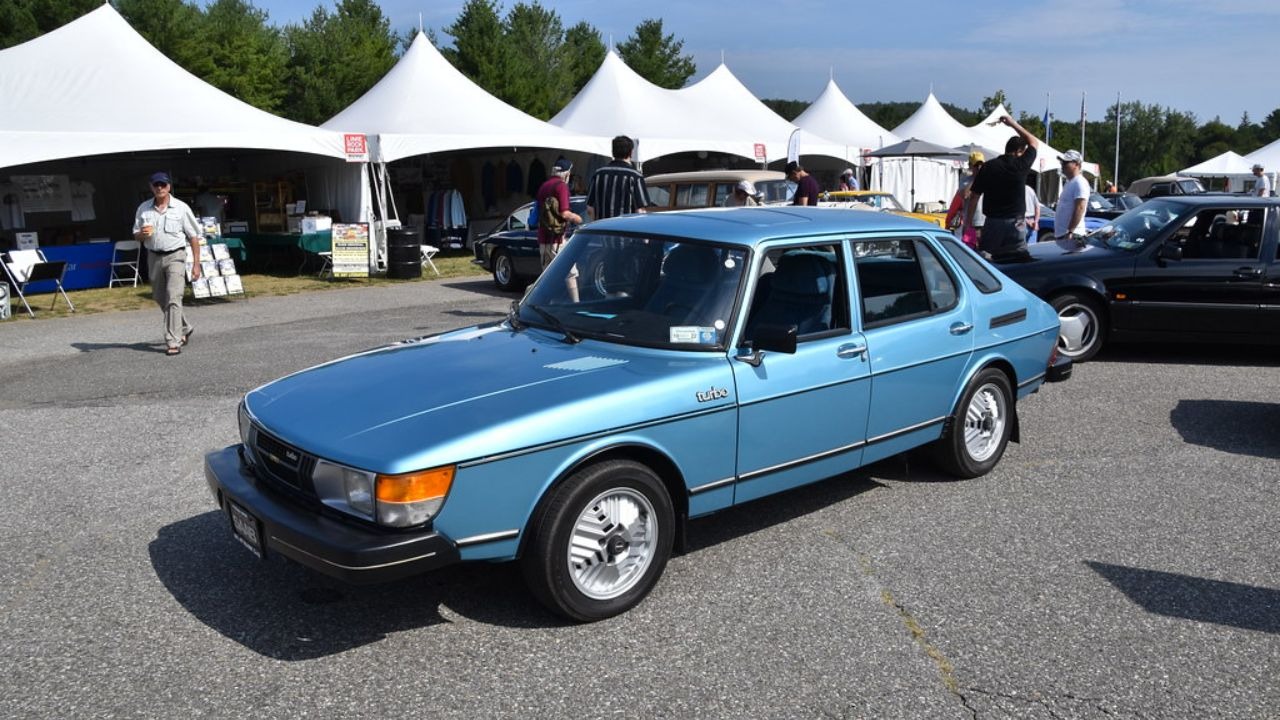
The Saab 900 is perhaps the most straightforward example of aviation inspiration since Saab started as an aircraft manufacturer. Launched in 1978, the car echoed the company’s aeronautical roots with its wraparound windscreen and cockpit-like dashboard, offering drivers an experience reminiscent of piloting an aircraft. The Saab 900’s unique profile and aerodynamic shape made it a standout during its production years, lasting until 1998.
Beyond its design, the Saab 900 was renowned for its engineering, including turbocharged engines that provided an exhilarating driving experience. Its innovative features and distinctive design have cemented its place in the hearts of automotive enthusiasts worldwide.
Tucker 48
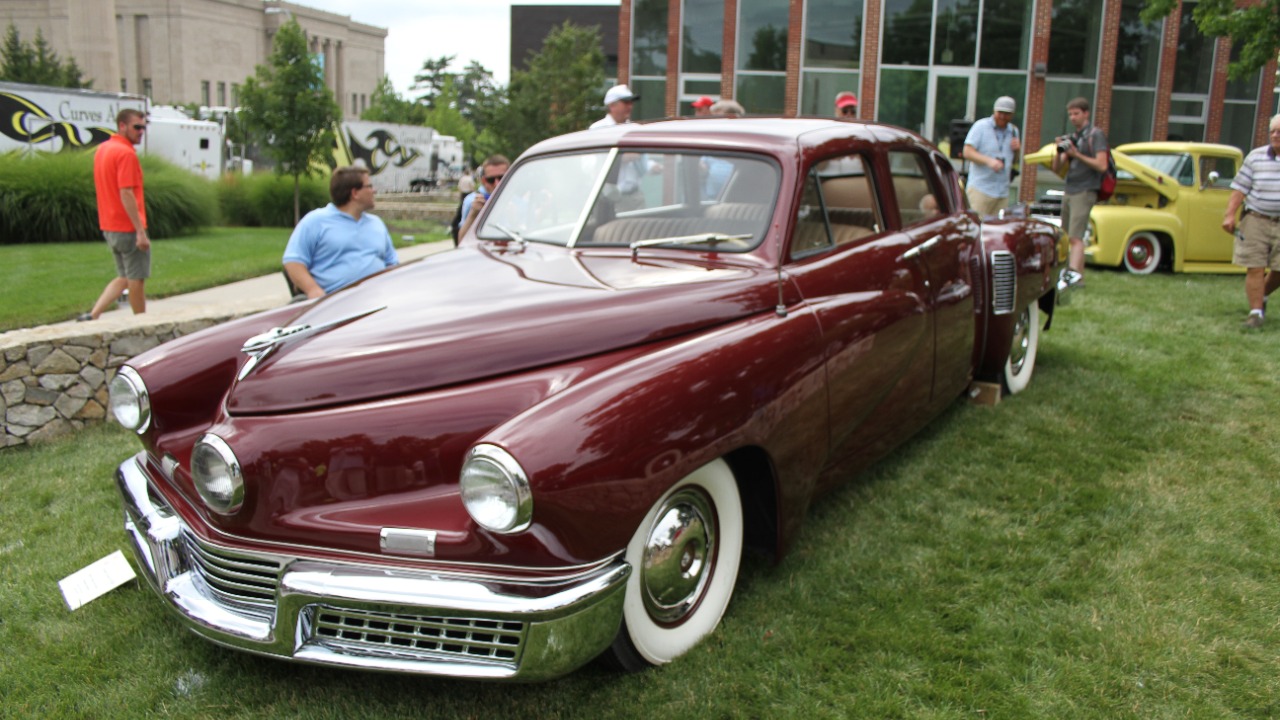
The Tucker 48, also known as the Tucker Torpedo, emerged in 1948 as a beacon of innovation and futuristic design. Preston Tucker, the mind behind the car, incorporated various aviation-inspired elements, such as a third central headlight that turned with the steering wheel, mimicking aircraft landing lights. This feature was intended to provide better visibility on winding roads.
With its streamlined body and rear-engine layout, the Tucker 48 was a marvel of engineering. Although only 51 units were produced, its legacy endures, influencing countless automotive designs that followed.
Chrysler Turbine Car
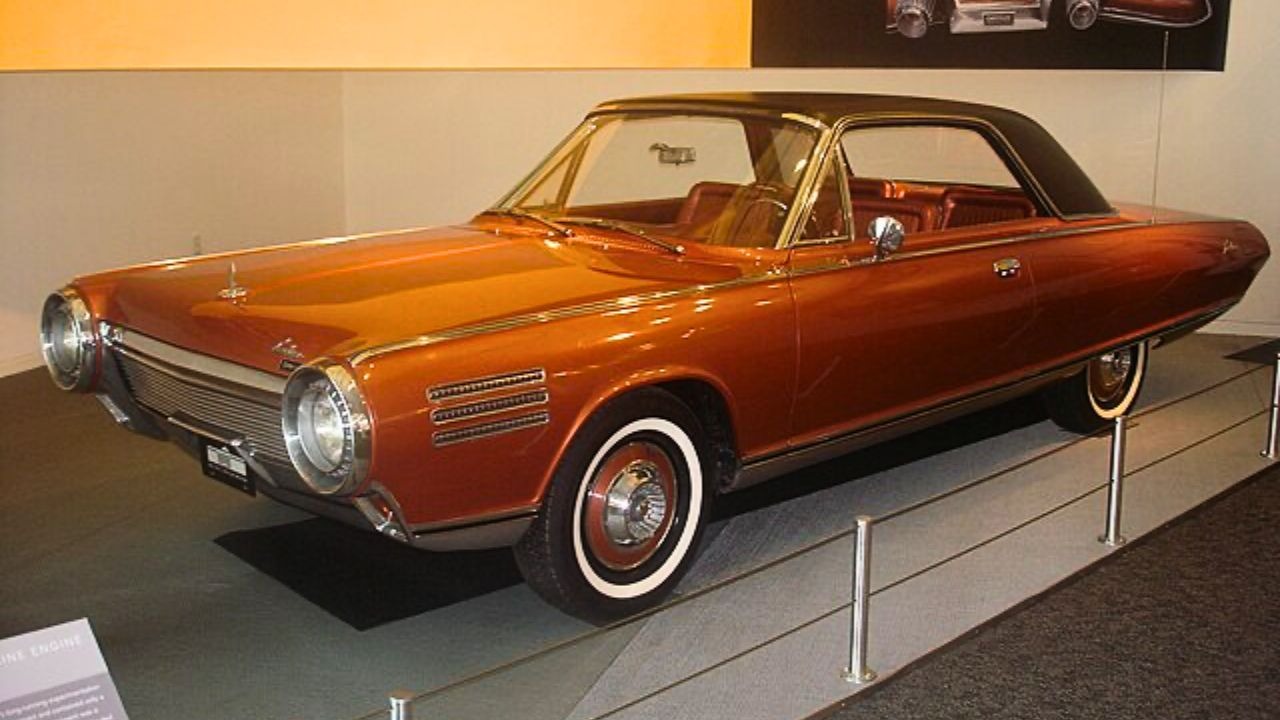
The Chrysler Turbine Car was a groundbreaking vehicle introduced in 1963, showcasing a turbine engine that echoed the jet age. Its design, featuring a sleek, futuristic body and turbine-like exhaust outlets, was heavily influenced by the aviation industry’s advancements at the time. The car’s interior also mirrored an aircraft’s cockpit, with a unique dashboard layout and controls.
Despite its limited production, the Chrysler Turbine Car left a lasting impact on automotive design and engineering, illustrating the potential of turbine engines in cars. This experimental vehicle remains a cherished piece of automotive history for its bold and innovative approach.
BMW 507
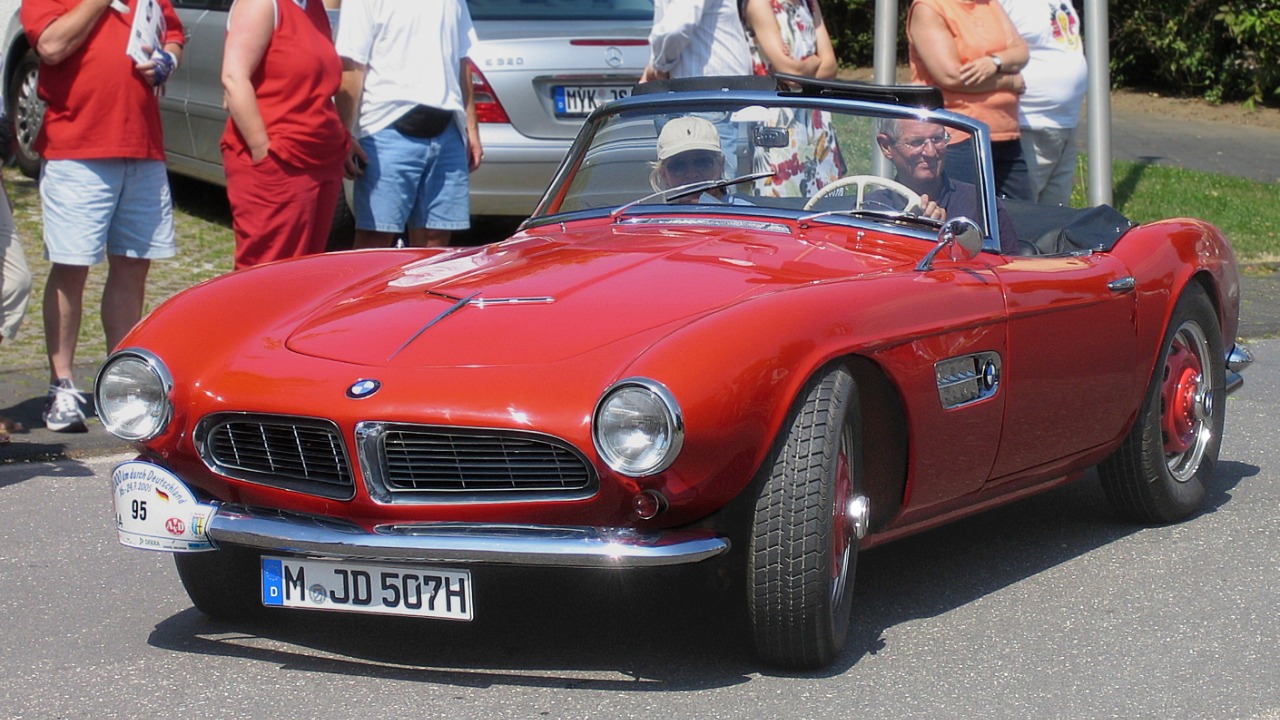
The BMW 507 is an embodiment of elegance and performance, drawing subtle inspiration from aviation with its streamlined design and aerodynamic bodywork. Produced between 1956 and 1959, this roadster featured a long hood and short rear deck, reminiscent of the sleek lines of an aircraft.
Designed by Albrecht von Goertz, the BMW 507 was intended to capture the American market with its stunning looks and powerful V8 engine. Although only 252 units were produced, its legacy lives on, influencing BMW’s future roadsters and maintaining its status as a symbol of classic automotive design.
Citroën DS
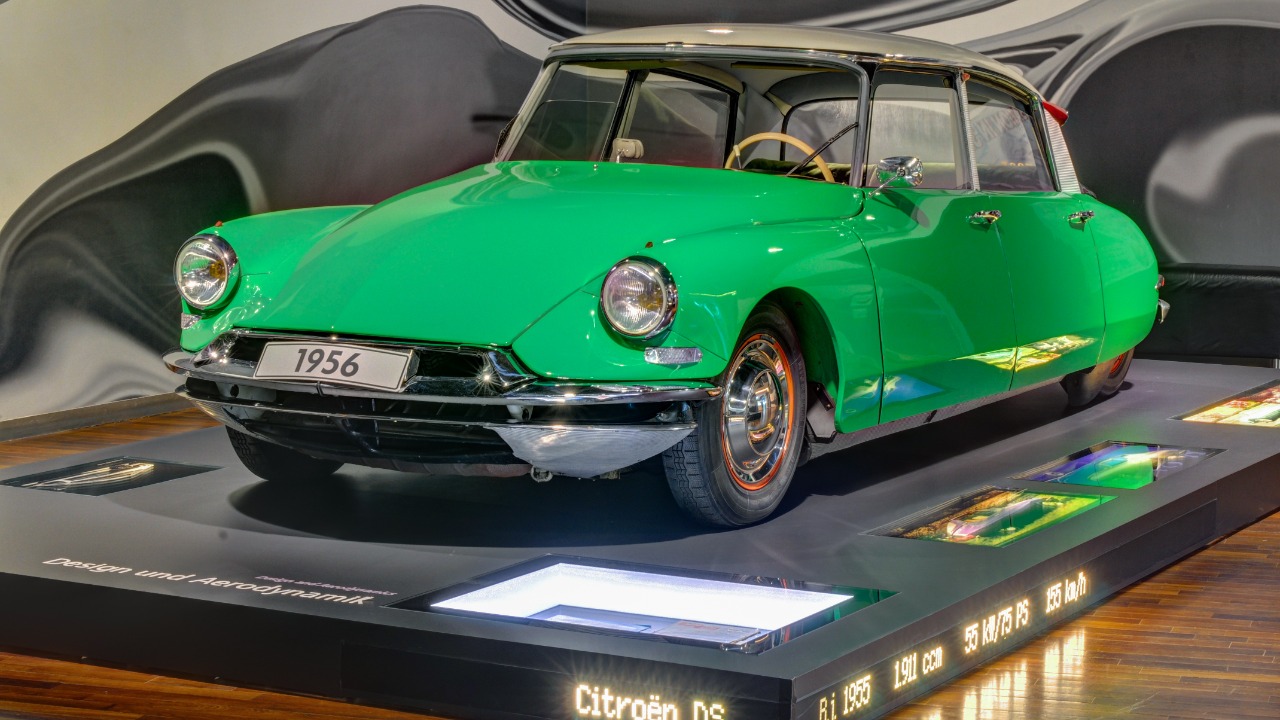
The revolutionary Citroën DS, introduced in 1955, captured the imagination of the public with its avant-garde design and advanced engineering. Its aerodynamic body and futuristic features, such as self-leveling suspension and hydraulically-operated systems, were akin to the technological advancements seen in aviation.
The DS’s unique style, with its sleek, flowing lines and innovative technology, set it apart from other vehicles of its time, earning it a cult following. Its influence on both design and engineering can still be seen in modern vehicles today.
Ford Thunderbird (First Generation)
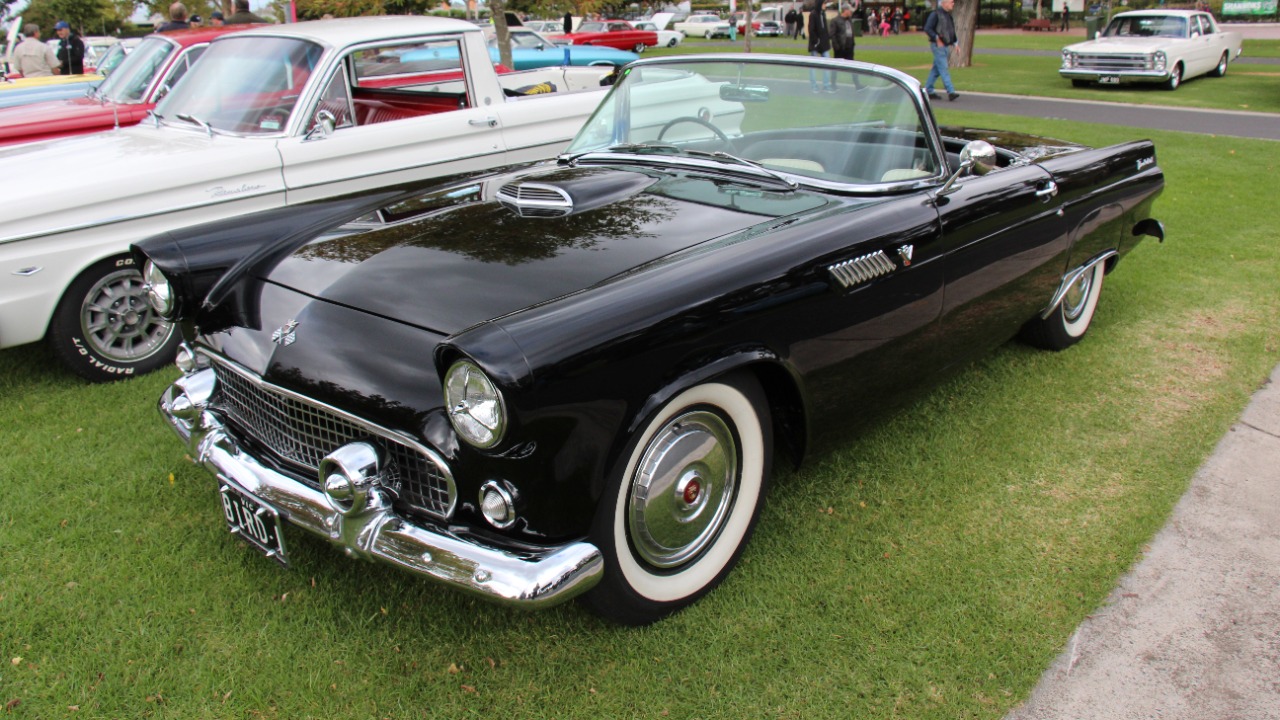
Launched in 1955, the first-generation Ford Thunderbird was designed to capture the spirit of the jet age, with its sleek lines and tailfin design. The car’s aesthetic drew clear parallels to the aircraft of the era, with a focus on speed and luxury.
The Thunderbird’s blend of performance and style made it an instant success, paving the way for future generations of the model. Its influence on automotive design is undeniable, as it set the standard for personal luxury cars in the United States.
Lincoln Continental Mark II
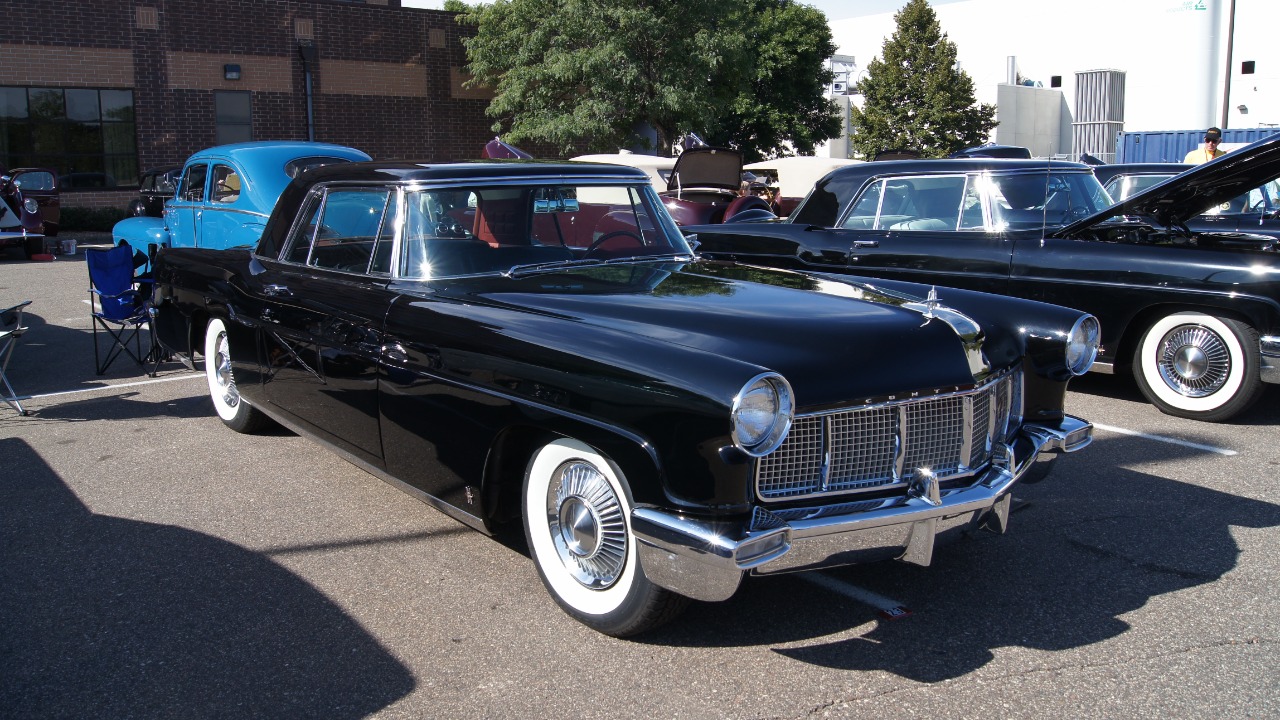
The Lincoln Continental Mark II, produced between 1956 and 1957, was a hallmark of luxury and sophistication. Its design incorporated subtle aviation-inspired elements, such as its long, sleek body and minimalist chrome accents, reminiscent of the streamlined aircraft of the time.
With its handcrafted construction and attention to detail, the Mark II was a statement of exclusivity and elegance. Although production was limited, its influence on luxury car design is still evident, and it remains a prized collector’s item today.
Chevrolet Corvette (C1)
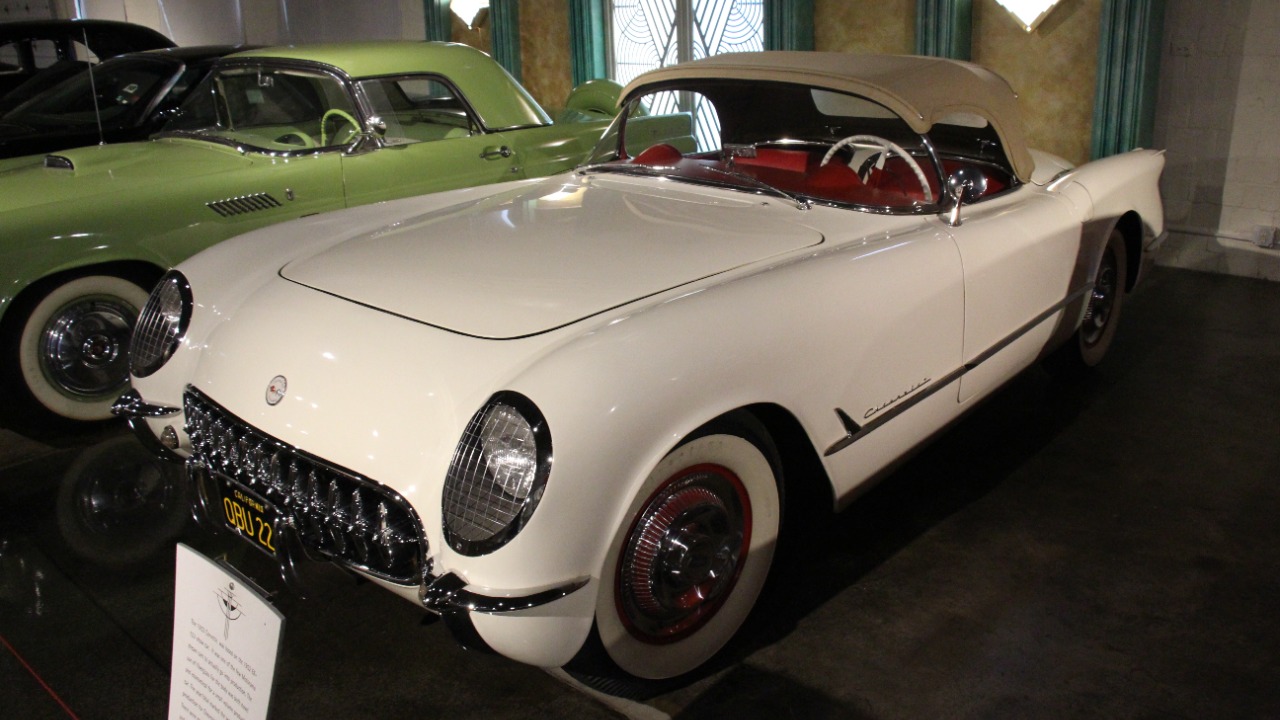
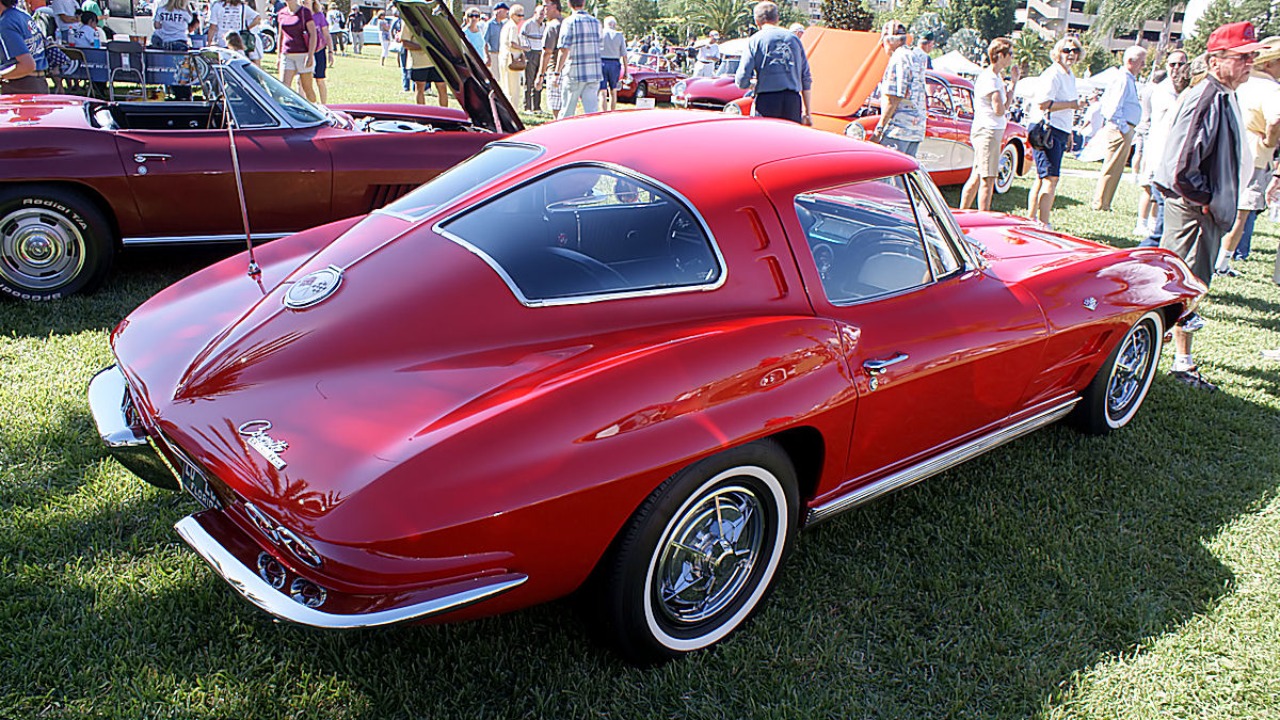
The first-generation Chevrolet Corvette, launched in 1953, was a bold step into the world of sports cars, drawing inspiration from the aerodynamic shapes of fighter jets. Its fiberglass body, a novel feature at the time, showcased its futuristic design, while the distinctive grille and tailfins echoed the aviation aesthetics of the era.
The Corvette C1’s performance and styling set it apart, establishing the Corvette name as synonymous with American sports cars. Its ongoing legacy is reflected in the continued success of the Corvette line.
Aston Martin DB4
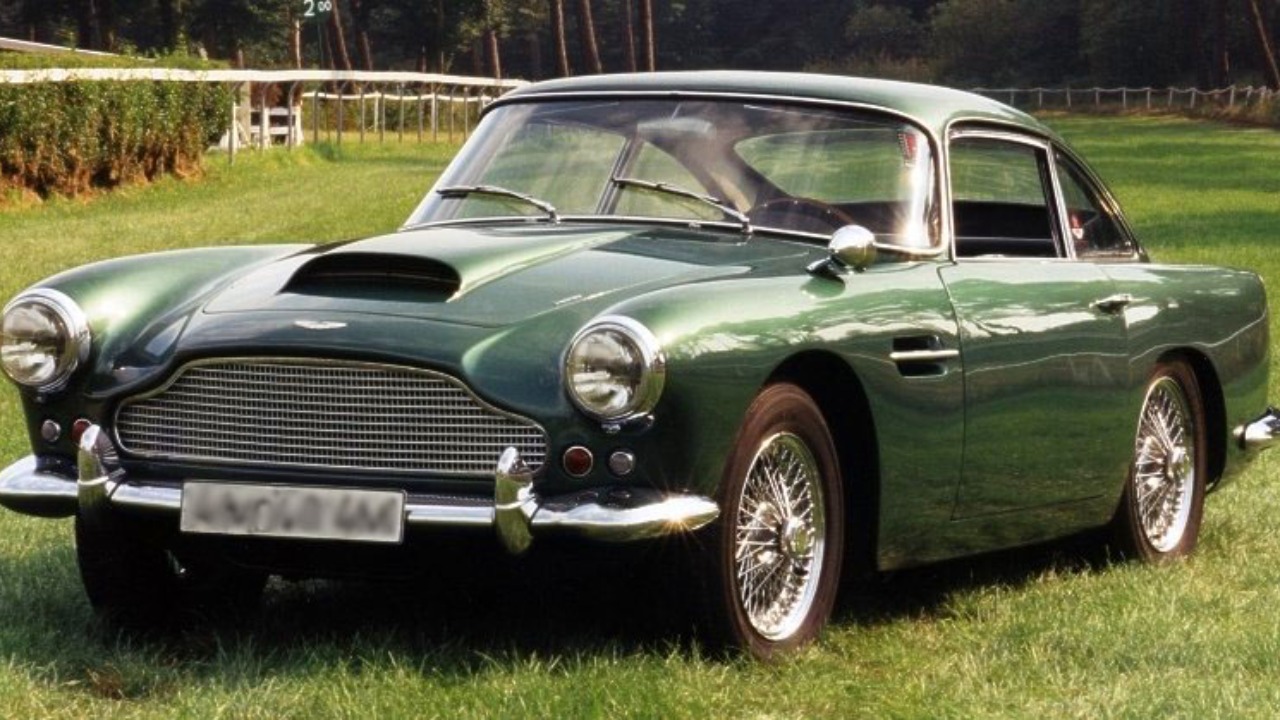
The Aston Martin DB4, introduced in 1958, was a masterpiece of British engineering and design. Its aerodynamic body, crafted by Carrozzeria Touring of Milan, was inspired by the sleek lines of aircraft, emphasizing speed and elegance.
With its powerful engine and refined styling, the DB4 set a new standard for performance cars. Its influence is still felt today, as it laid the groundwork for Aston Martin’s future models, combining luxury with high-speed capability.
Like Fast Lane Only’s content? Be sure to follow us.
Here’s more from us:
- All New Trans Am: 10 Things You Need to Know
- The Fastest Farm Truck Ever Built
*Created with AI assistance and editor review.