
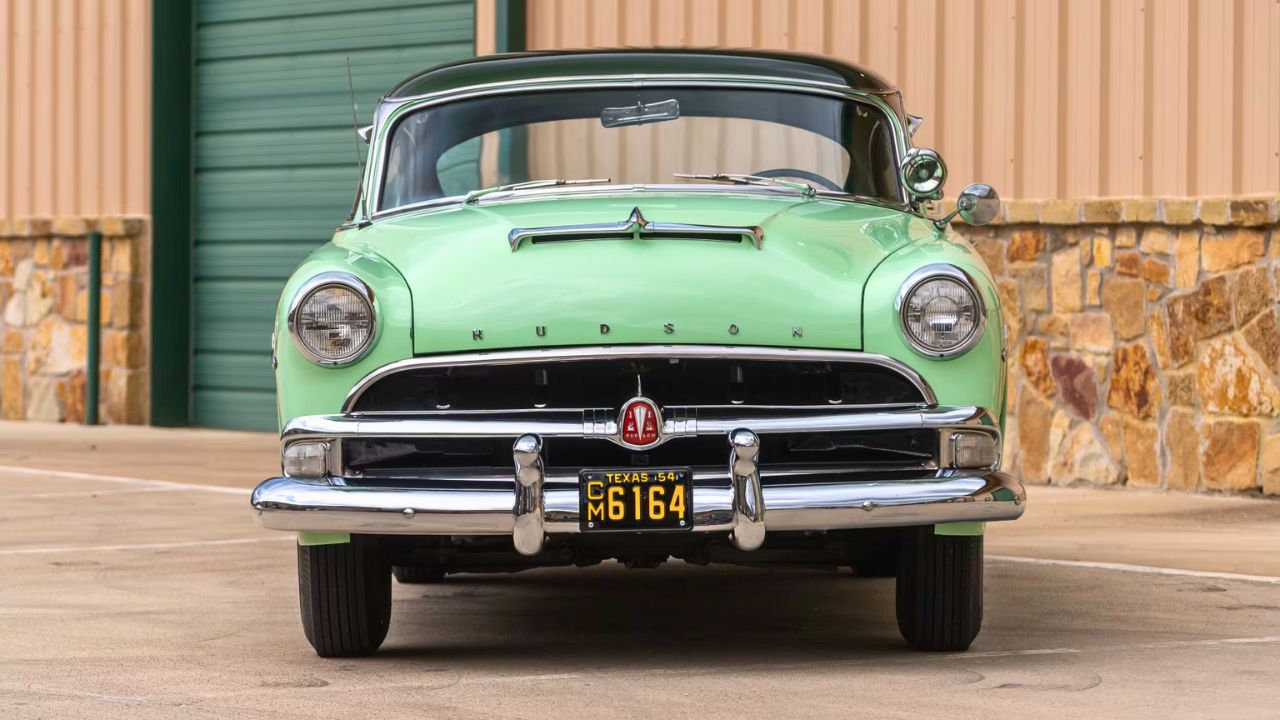
Hudson Hornets earned a reputation as one of the most dominant early postwar American performance cars—especially in stock car racing. With their unique “step-down” chassis design, low center of gravity, and powerful inline-six engines, these cars punched above their weight throughout the early 1950s. But beyond the race track, Hudson built a wide variety of Hornets with different trims and configurations. Here’s a look at ten Hornet models and variations that deserve more attention today.
1951 Hudson Hornet Club Coupe
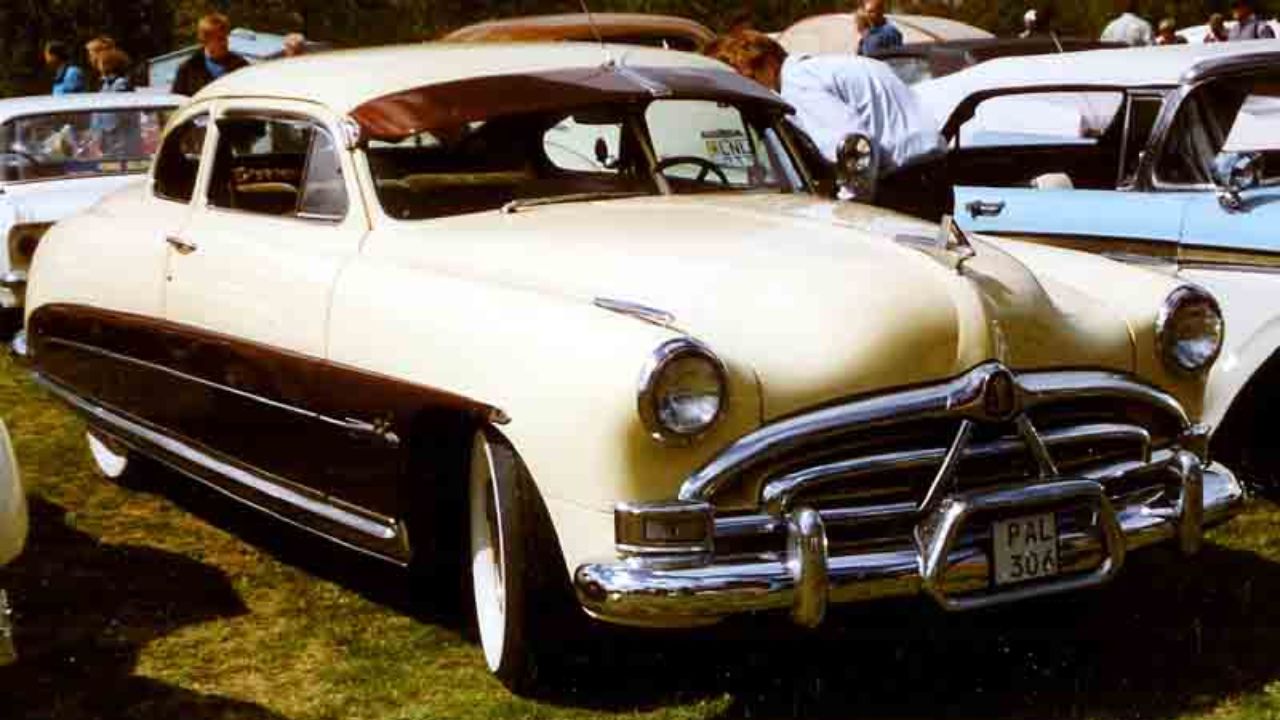
The 1951 Club Coupe was the debut year for the Hornet name and immediately turned heads with its low-slung design and potent 308-cubic-inch inline-six. It made 145 hp in stock form—impressive for its class—and even more with factory Twin H-Power. This model helped kick off Hudson’s winning streak in NASCAR and stock car circles. Its step-down floorpan gave it great handling, and it offered a tight turning radius for its size.
1952 Hudson Hornet Hollywood Hardtop
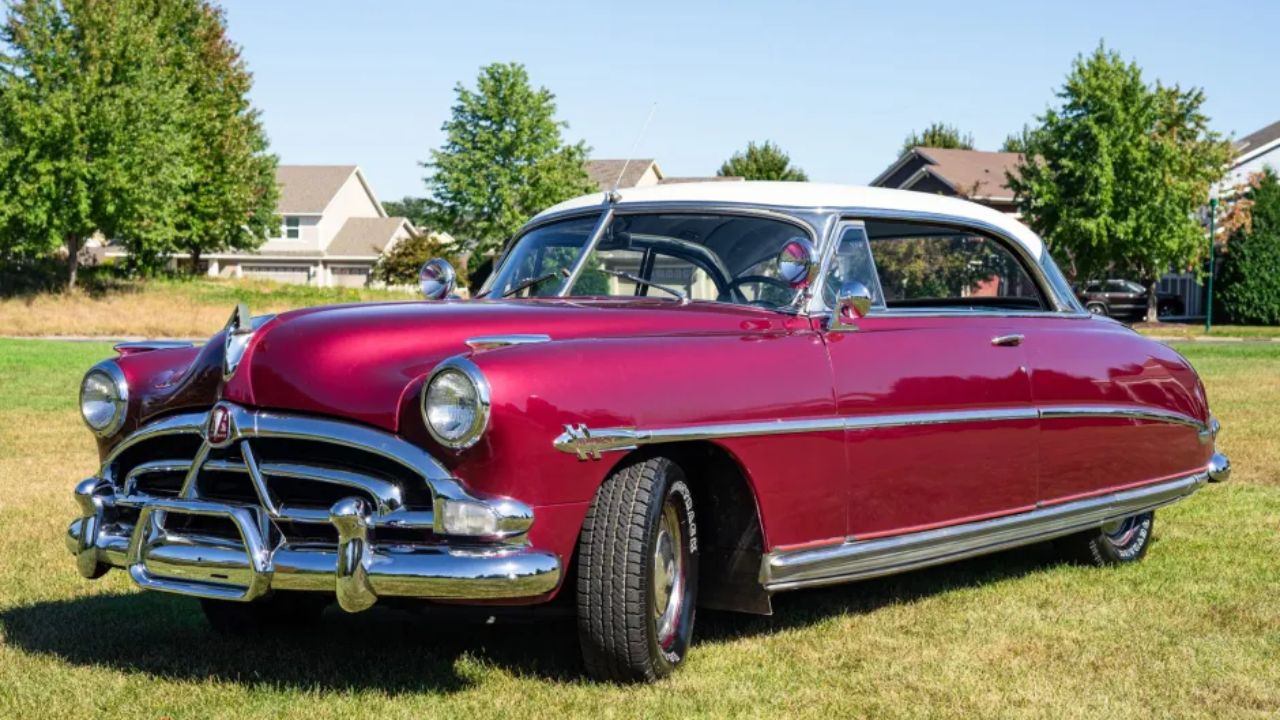
The Hollywood Hardtop was one of the most stylish versions of the Hornet line. It featured a pillarless roofline, upscale interior touches, and full Twin H-Power setup pushing the output near 170 hp. Though it cost a bit more than the sedan—around $2,800 new—it offered a more refined, sporty alternative for customers who wanted both flair and performance. Only a few thousand were made, making it rarer today than the base models.
1953 Hudson Hornet Convertible Brougham
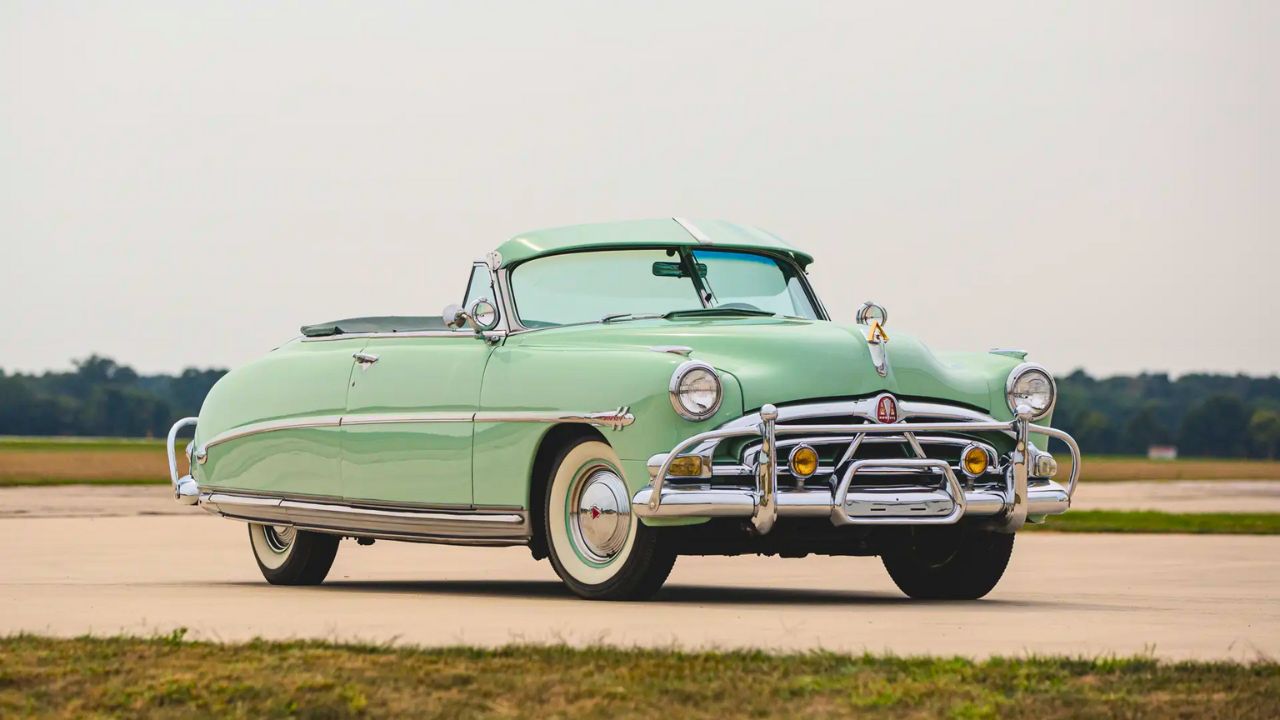
Convertible Broughams from 1953 are some of the most collectible Hornets ever built. With a production run under 1,500 units, they combined open-air cruising with Twin H-Power muscle. The 308 engine with dual carbs remained the heart of the package, paired with either a 3-speed manual or the Hydra-Matic automatic. These convertibles were heavy but quick, and their rarity has kept them in demand among early American performance collectors.
1954 Hudson Hornet Special Sedan

The 1954 Hornet Special marked the end of Hudson’s independent run before the Nash merger. Built with the same powerful inline-six, the Special was a lower-cost option that stripped some trim but kept the guts. It had a more restrained appearance, but under the hood, it was just as potent. It sold for around $2,400 and helped move more volume during a time when Hudson was struggling to keep up with the Big Three.
1952 Hudson Hornet Twin H-Power Sedan

This was the year the Twin H-Power badge really became a sales tool. The setup added two single-barrel carburetors atop a split intake manifold, helping boost performance to 170 hp. This turned the already capable Hornet into a real contender against V8 competition. It was especially popular with racers, and the factory encouraged performance upgrades. The 1952 Twin H-Power cars became the backbone of Hudson’s track reputation.
1951 Hudson Hornet NASCAR Replica
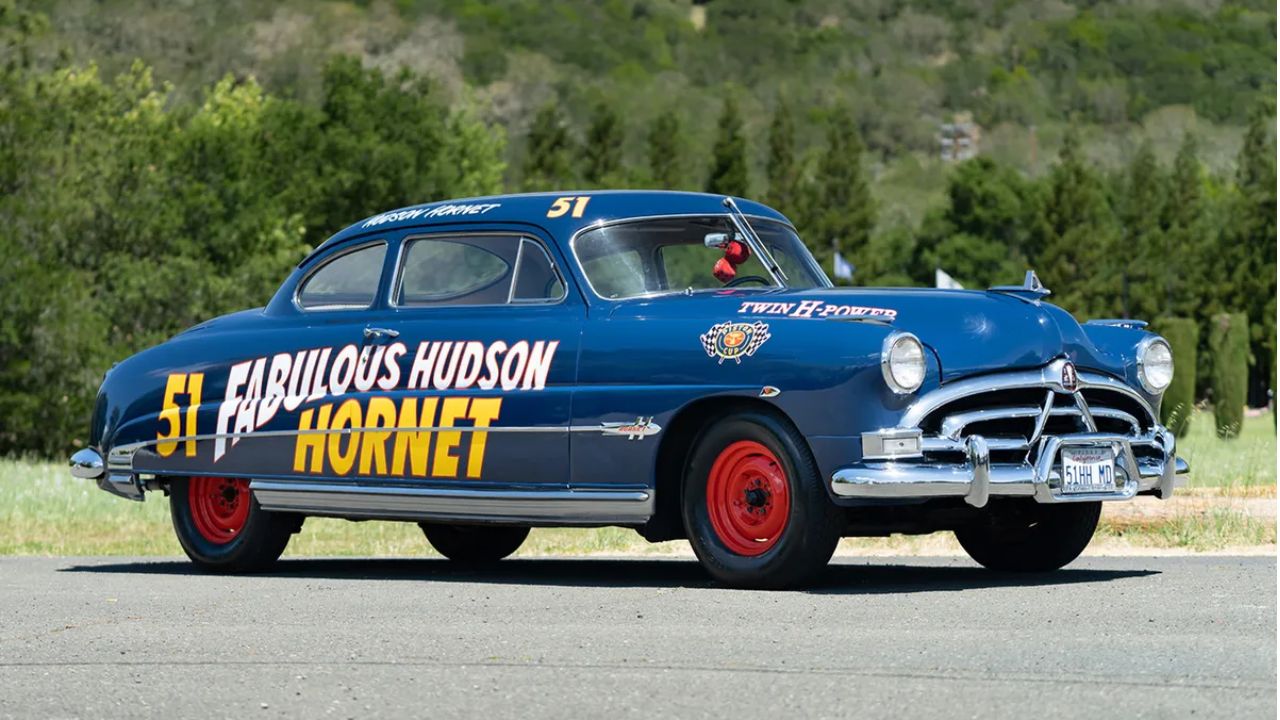
In honor of their dominance in early NASCAR, several replica Hornets have been built in the image of Herb Thomas’ No. 92 race car. The real thing won dozens of races and helped Hudson win the Manufacturer’s Championship multiple times. These tribute cars keep the Hornet’s racing legacy alive and showcase how effective the car’s design was on rough oval tracks. With a low center of gravity and torquey inline-six, it was made for speed.
1954 Hudson Hornet Hollywood Hardtop
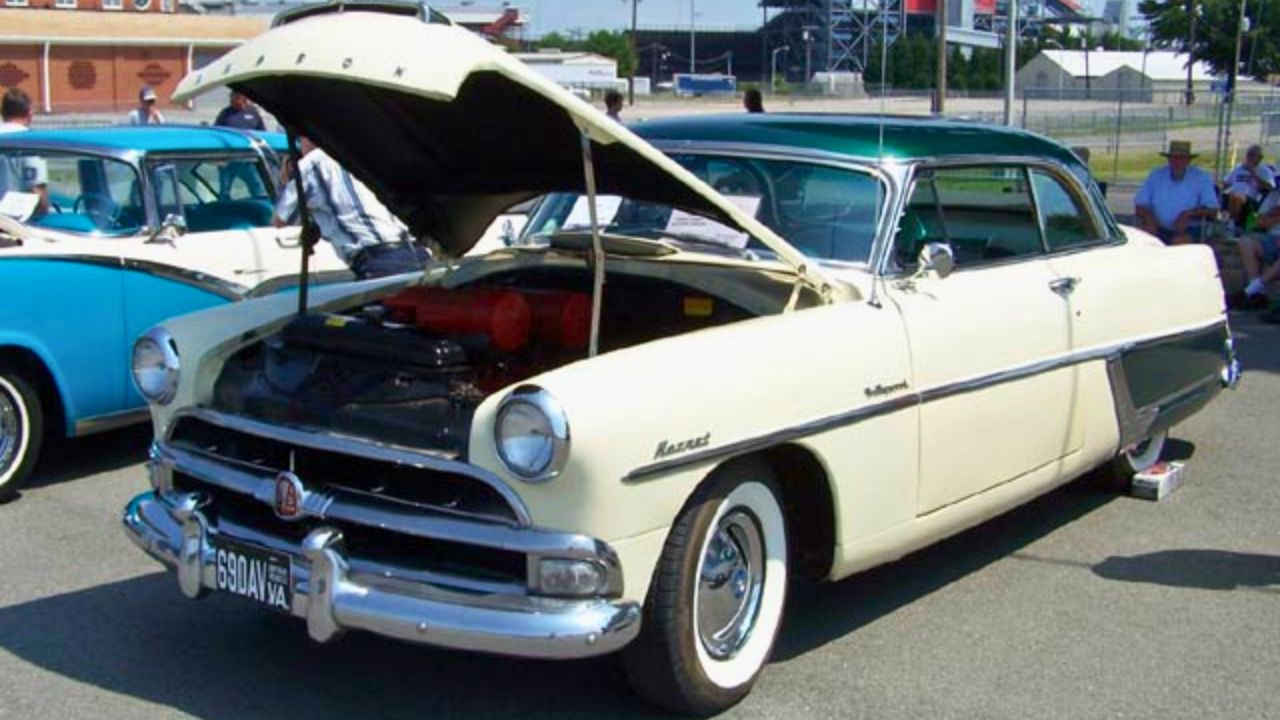
This final-year hardtop from Hudson’s independent era combined the refined looks of the Hollywood line with the most developed version of the 308 Twin H-Power engine. It produced 170 hp and could be mated to either a manual or GM-sourced Hydra-Matic transmission. It was stylish, fast, and rare—especially before the Nash merger changed the design language of Hudson forever. These late cars are sought after for their blend of style and performance.
1953 Hudson Hornet Club Sedan
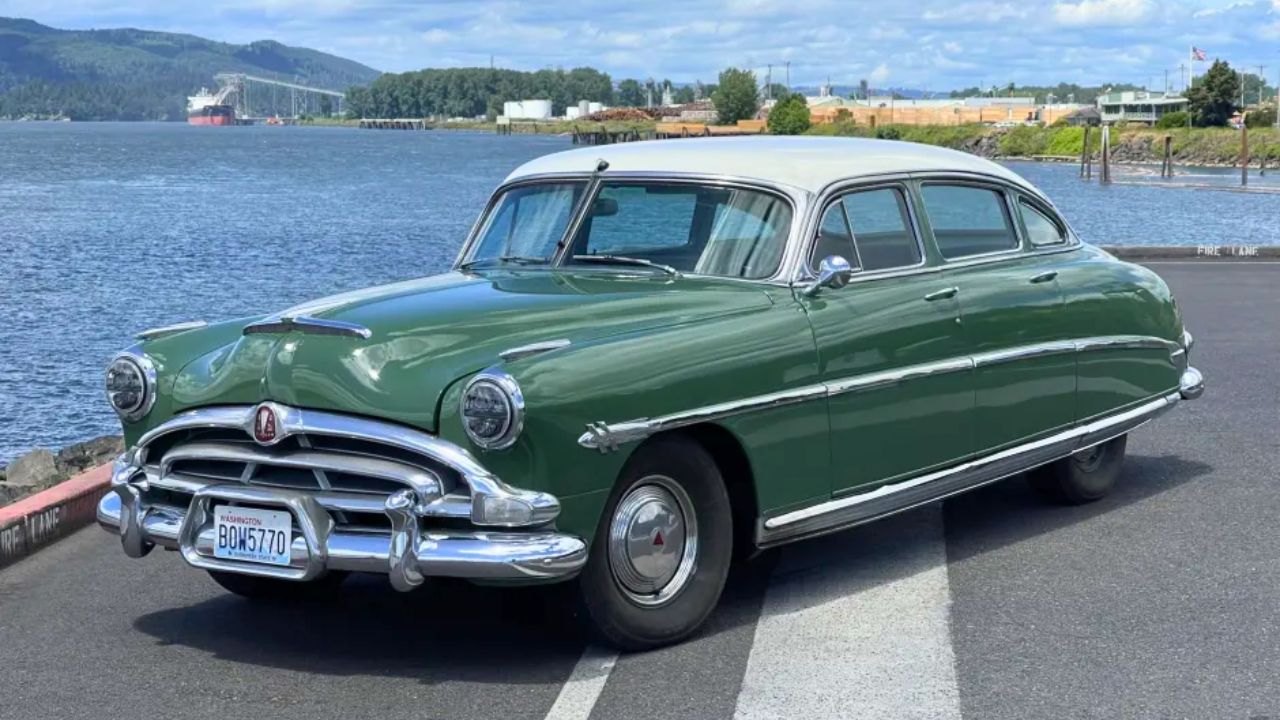
The 1953 Club Sedan kept the formula simple—full-size comfort and power without flashy extras. With the Twin H-Power 308 still at the center, it remained a force on both the road and track. It was one of the more affordable ways into the Hornet lineup, priced under $2,700. These sedans were used heavily and rarely survive today in clean condition, making them quietly desirable for serious early-’50s car collectors.
1952 Hudson Hornet Convertible
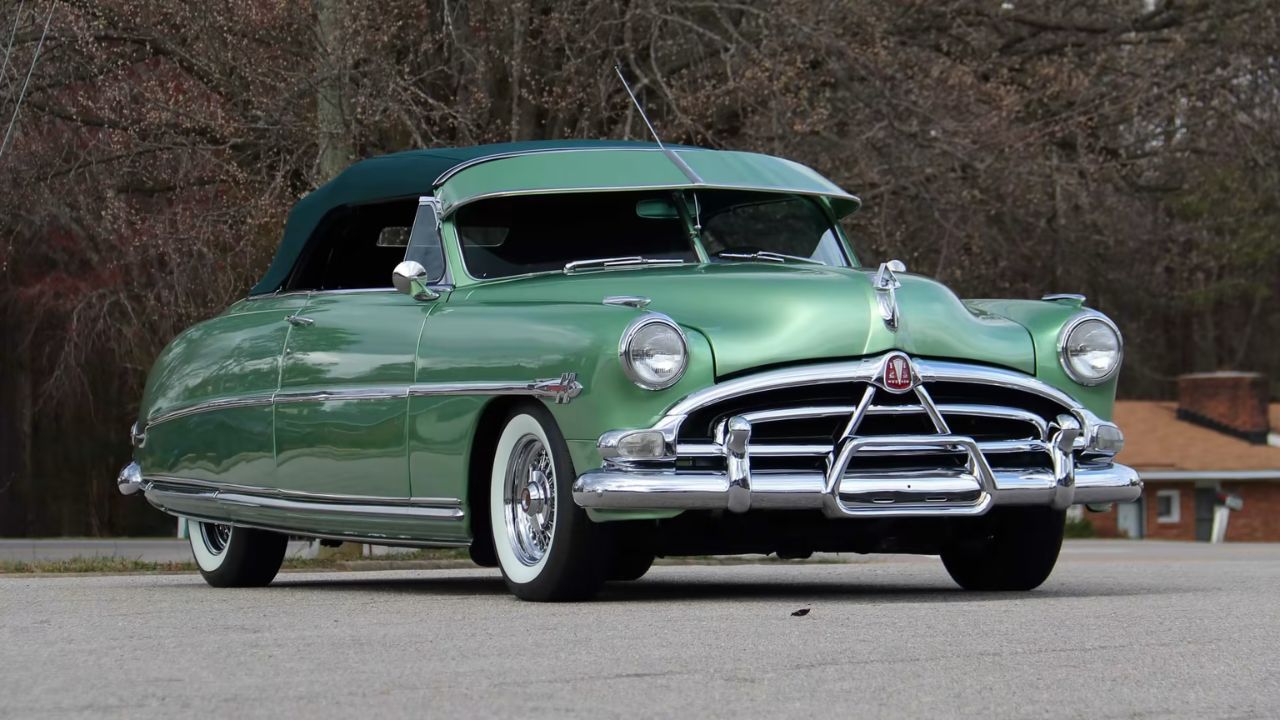
Hudson didn’t make a huge number of convertibles, and the 1952 model year was no exception. But what it lacked in volume, it made up for in attitude. These cars came standard with Hydra-Matic automatics and were often ordered with the Twin H setup. Despite their weight, they could hit 60 mph in just over 13 seconds—fast for the time. Today, survivors are rare and pricey, especially if they’ve retained original drivetrains and trim.
1954 Hudson Hornet Special Club Coupe
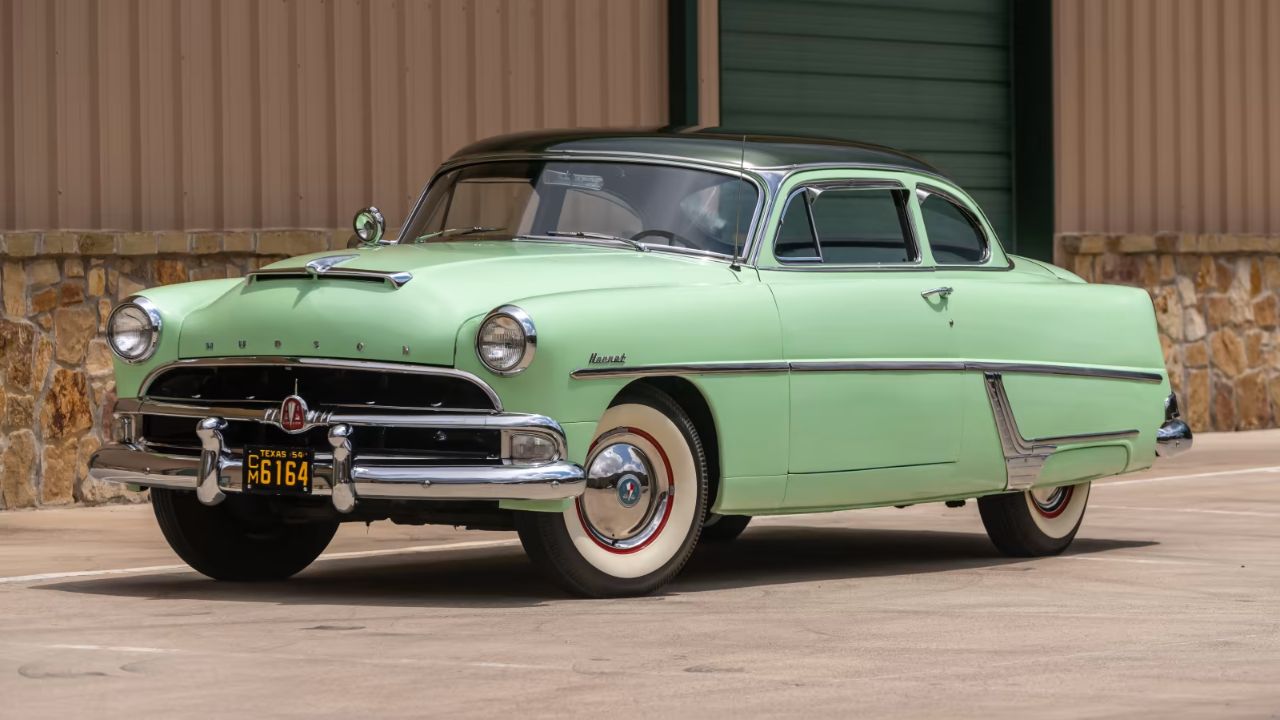
The Special Club Coupe was a toned-down, value-focused two-door built for buyers who didn’t care for extras but still wanted the Hornet’s driving experience. It retained the potent engine and “step-down” architecture but had minimal exterior trim and basic interiors. With fewer built than other trims, it’s become harder to find in the wild. It was also one of the last Hudsons before the merger, making it a neat slice of transition-era design.
Like Fast Lane Only’s content? Be sure to follow us.
Here’s more from us:




Leave a Reply