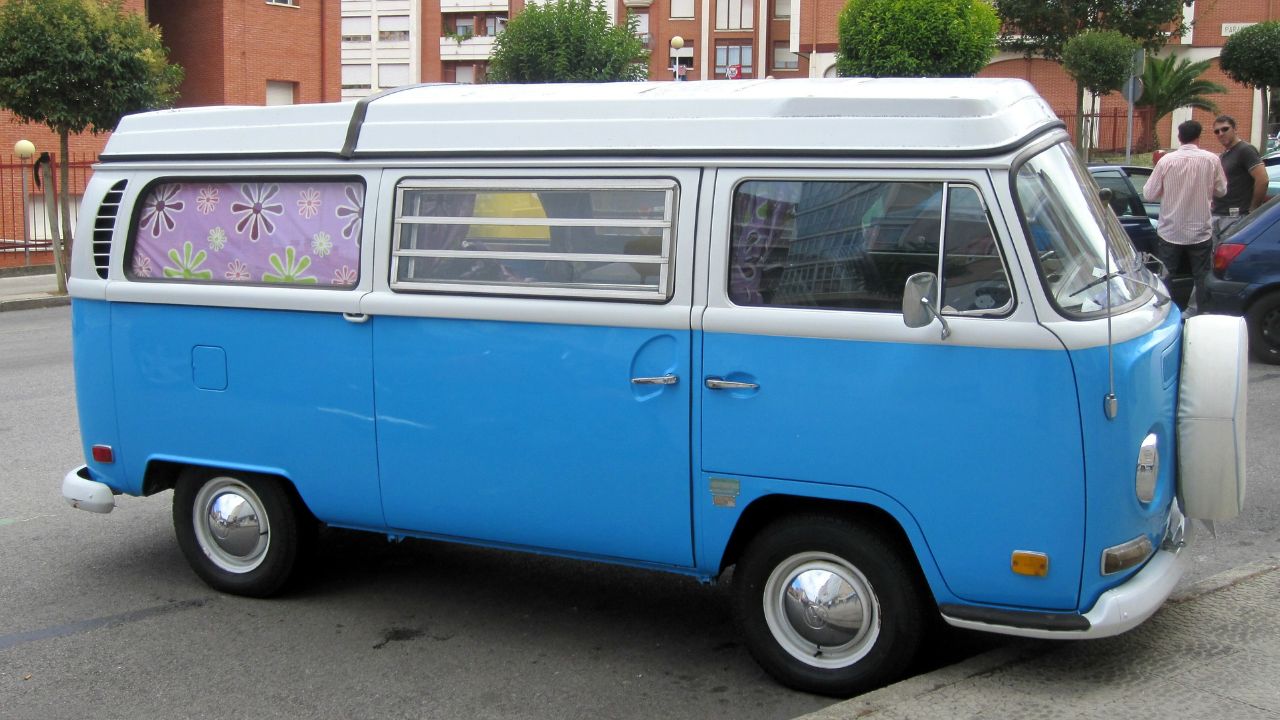
When we think of performance cars, vans aren’t usually the first thing that comes to mind. But back in the day, several manufacturers offered vans that packed surprising power and handled better than you’d expect. These weren’t just workhorses; they were muscle vans built for hauling people fast and in style. Whether for families, road trips, or just showing off, these classic performance vans carved out their own space. Here’s a look at 10 classic vans that brought more than cargo capacity to the table.
Chevrolet G20 Van SS (1987-1991)
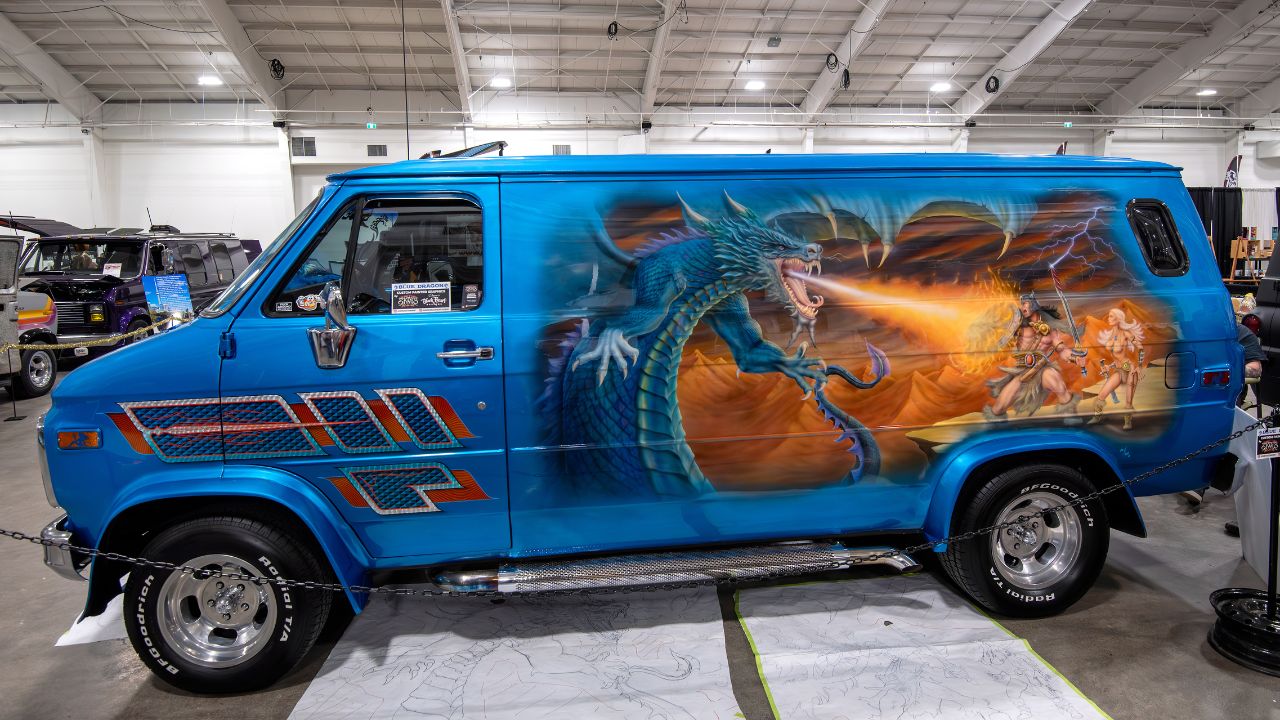
The G20 SS was Chevrolet’s attempt to inject some muscle into the traditional cargo van. Powered by a 5.7-liter V8 producing around 205 horsepower, it offered solid straight-line performance. Chevrolet added sportier suspension tuning to help manage the extra power.
Inside, the G20 SS featured bucket seats and a sportier steering wheel, offering a more engaging driving experience than a typical van. It wasn’t a track star but managed to blend van utility with decent acceleration and road manners for its size.
Ford Econoline Club Wagon XLT (1978-1991)
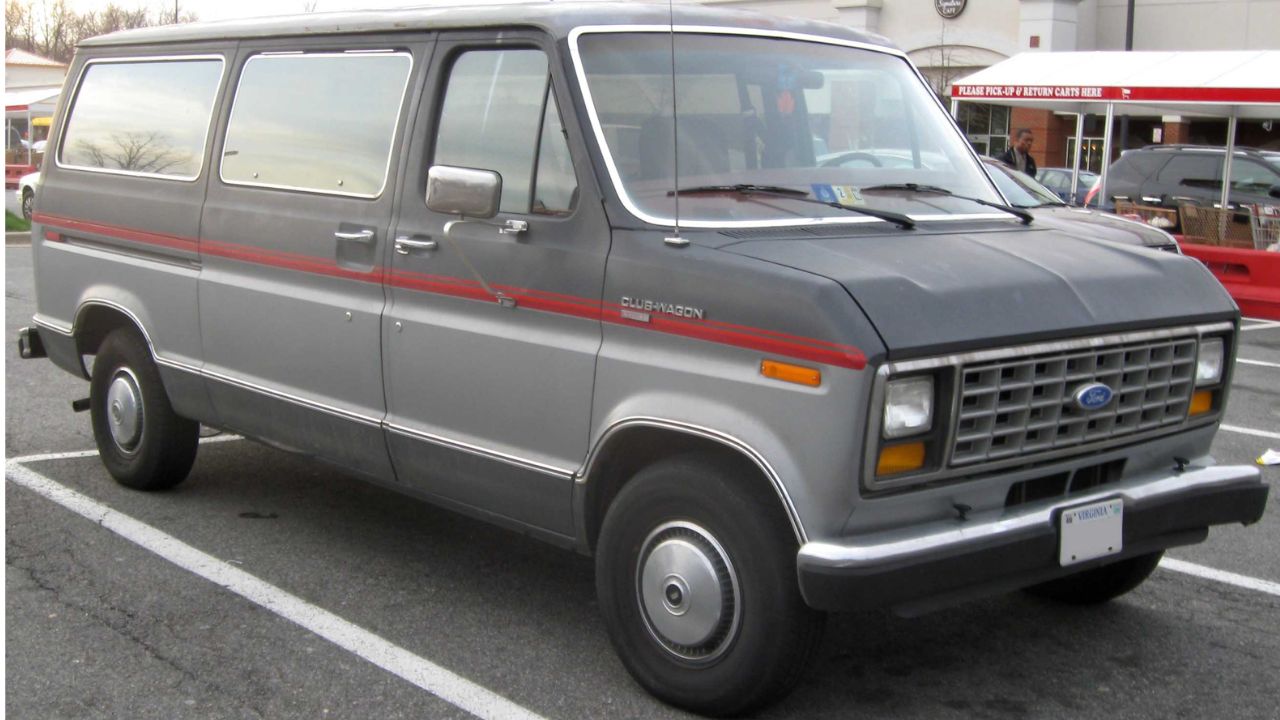
The Club Wagon XLT with the 5.8-liter V8 was Ford’s answer to the muscle van trend. The engine delivered about 210 horsepower, paired with a three-speed automatic transmission. It was capable of moving the heavy van with authority.
The interior was upgraded with plush seats, woodgrain trim, and air conditioning, making it comfortable for passengers. The suspension got some tweaks to handle the power, making it surprisingly capable for a vehicle that could seat eight or more.
Dodge Ram Van R/T (1992-1993)
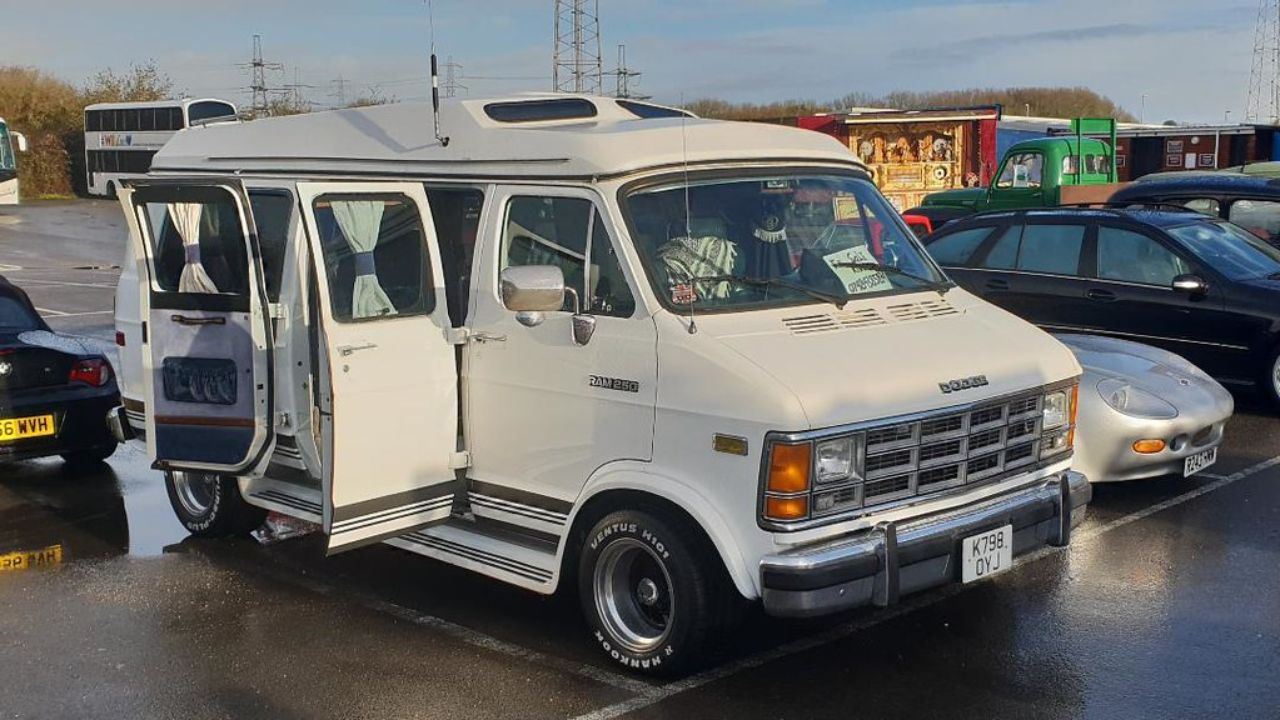
Dodge’s Ram Van R/T took the performance van concept seriously, packing a 5.2-liter V8 with fuel injection and 230 horsepower. It had a sport-tuned suspension, limited-slip differential, and performance tires, all aimed at making the big van more responsive.
The interior was geared toward comfort with bucket seats and a leather-wrapped steering wheel. Though short-lived, the Ram Van R/T offered muscle van buyers one of the most performance-focused packages available in its class.
Chevrolet Sportvan SS (1973-1977)
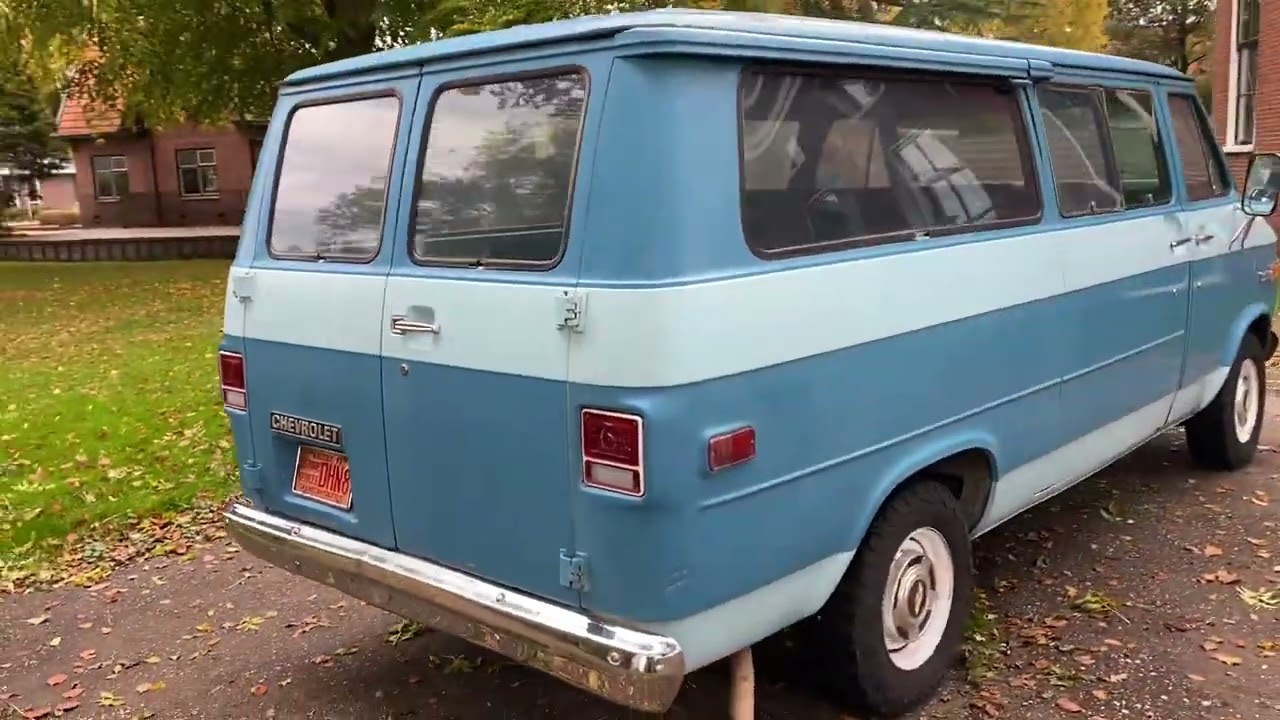
The Sportvan SS featured the 350 cubic-inch V8, producing 200 to 255 horsepower depending on the year. This gave the van strong acceleration compared to typical cargo vans. It was paired with either a manual or automatic transmission.
The Sportvan’s interior was basic but functional, with optional bench or bucket seating and a simple dashboard. Chevrolet focused on delivering power and utility, making the Sportvan SS a unique blend of muscle and practicality.
GMC Vandura Syclone (1991)
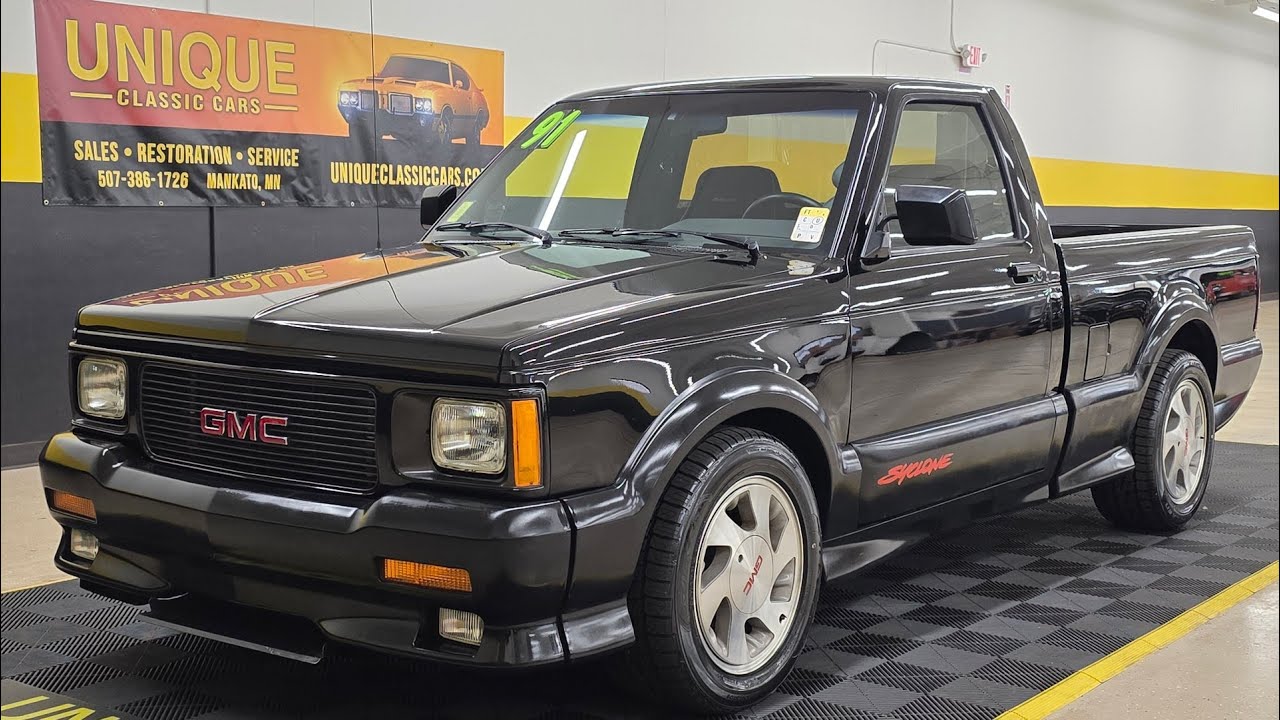
Though technically a pickup-based van variant was never produced, the GMC Syclone’s performance components were adapted into some special limited-edition vans by aftermarket tuners in the early ’90s. The Syclone’s 4.3-liter turbo V6 pushed 280 horsepower with all-wheel drive.
These vans were rare but could accelerate from 0-60 in under six seconds, unheard of for vans at the time. Inside, they were typical cargo vans, but the hidden performance beneath was unmistakable for those who knew.
Ford Transit Performance Vans (1970s)
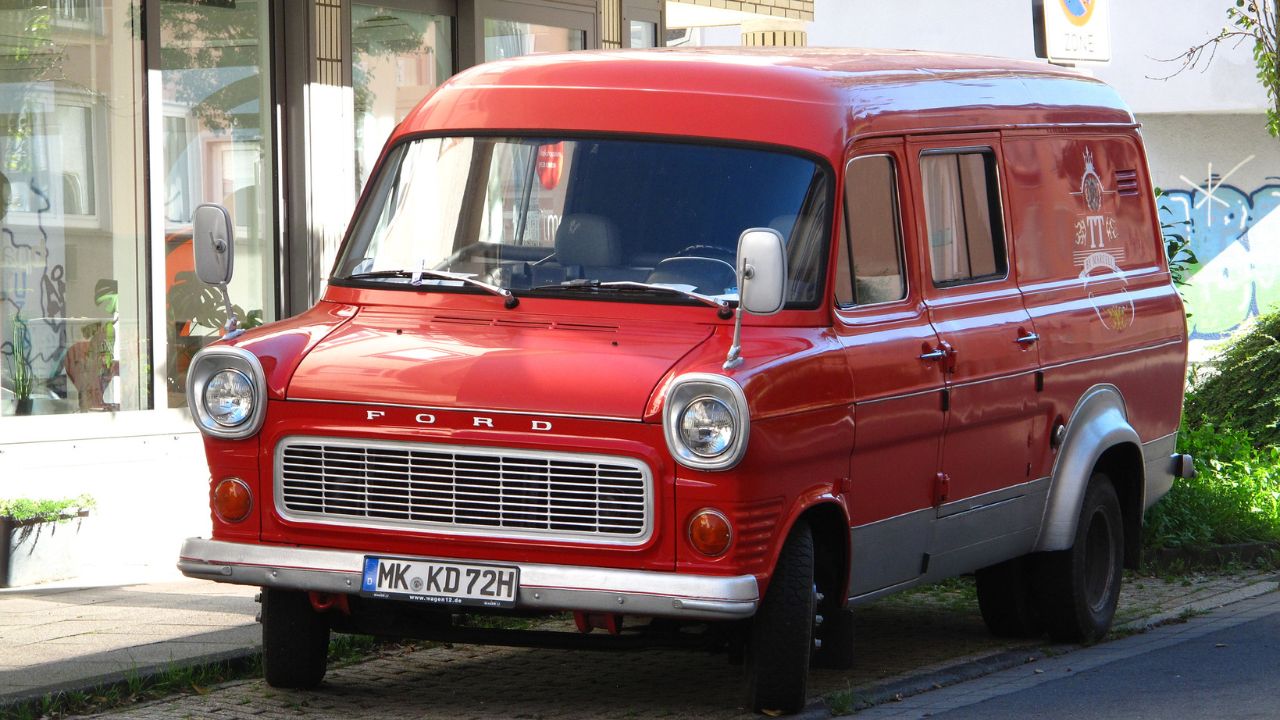
In Europe, Ford’s Transit vans occasionally came with more potent inline-six engines offering 120-140 horsepower. While not muscle vans by American standards, these Transits delivered respectable power for their size, making them popular among tradesmen who wanted speed.
The interiors were spartan but practical, focusing on driver comfort and visibility. Their lighter weight and efficient engines gave these vans surprising agility on narrow European roads.
Volkswagen Type 2 Westfalia (1970s with 2.0L Engines)
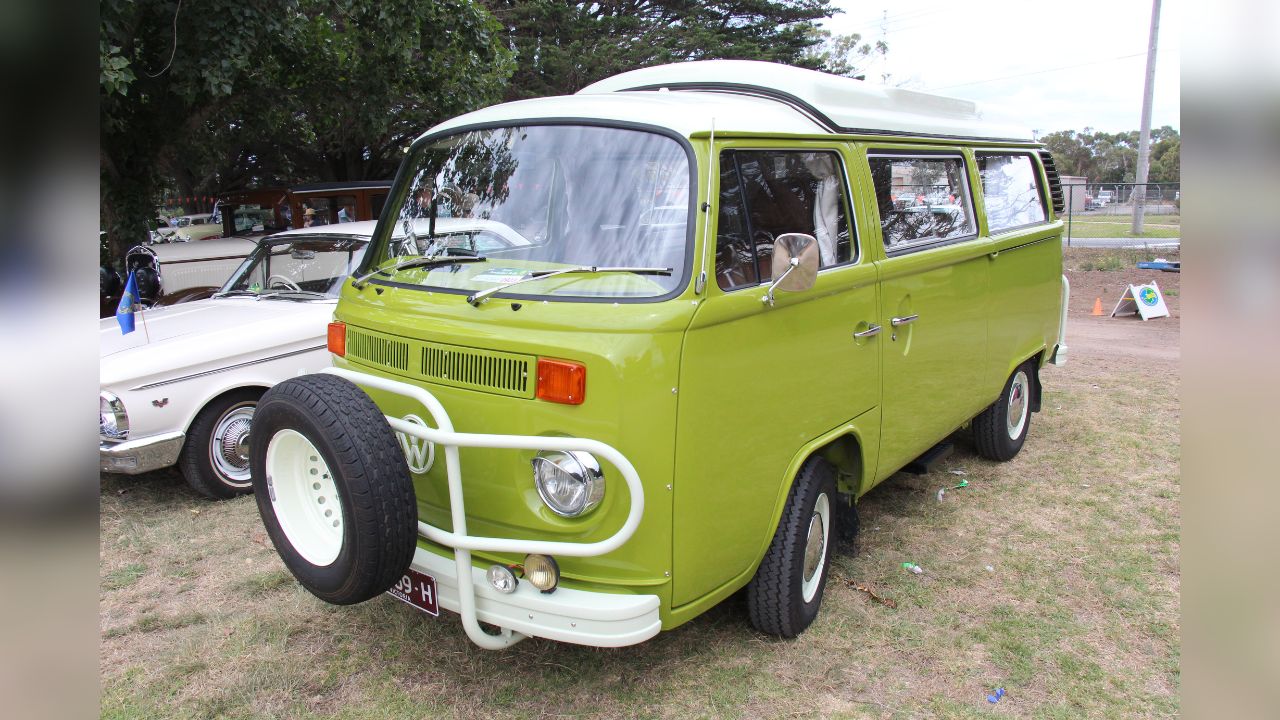
Though known for camper conversions, some VW Type 2 Westfalias came with upgraded 2.0-liter air-cooled engines producing up to 70 horsepower. While modest by muscle standards, these vans offered spirited performance given their small size and light weight.
Inside, they featured camper comforts like fold-out beds and small kitchens, but with the bigger engines, they were quicker and better on the road than their earlier counterparts, offering a unique blend of utility and liveliness.
Dodge A100 High-Performance Variants (1960s)
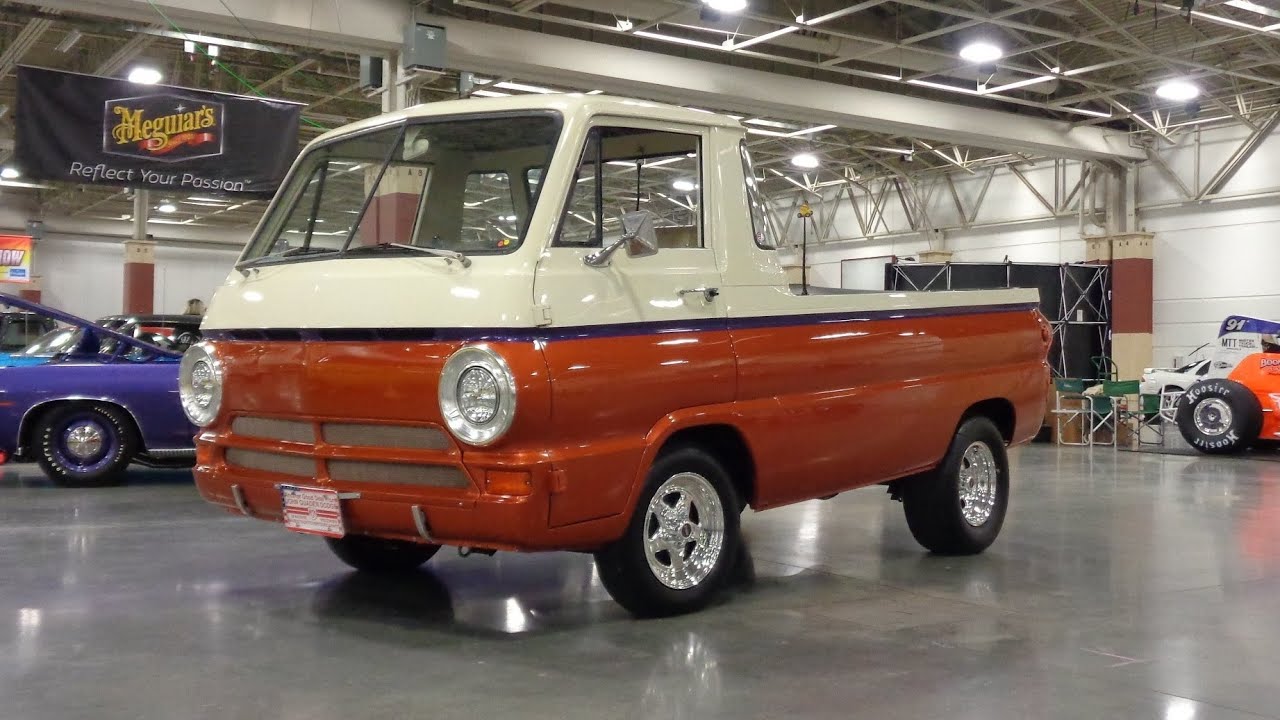
The Dodge A100 was available with a 318 cubic-inch V8 option, producing up to 230 horsepower. Its compact size and rear-engine layout gave it a surprising punch, especially when paired with manual transmissions.
Inside, the A100 was basic but practical. The performance variants weren’t just for hauling; they could hold their own against many muscle cars on tight, twisty roads, thanks to their nimble chassis and punchy engines.
Chevrolet Van G20 Sport Van (1980s)
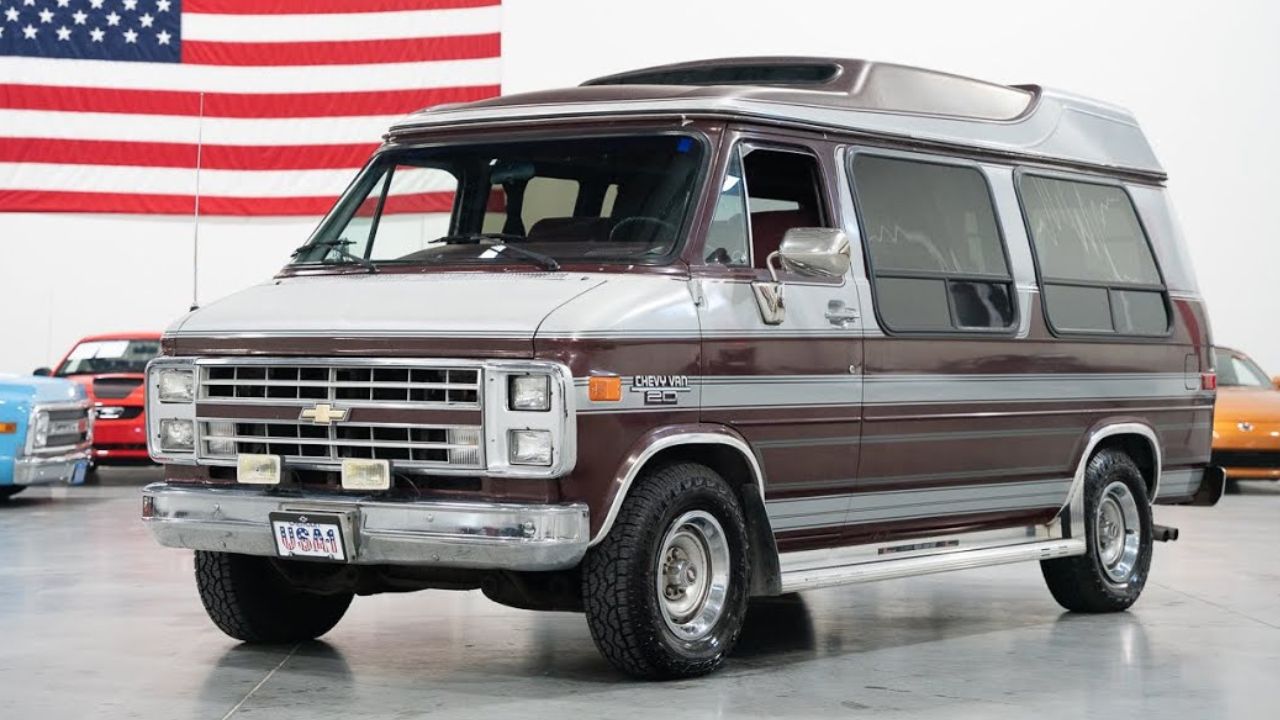
The G20 Sport Van offered a 5.7-liter V8 with around 190 horsepower and came with upgraded suspension and wheels. It was more refined inside, with options like captain’s chairs and improved sound systems.
Though mostly focused on comfort and utility, the Sport Van had enough power and handling upgrades to surprise drivers used to typical van sluggishness, making it a sleeper in the family or camper van market.
Ford E-Series Van 351W Performance Models (1970s-1980s)
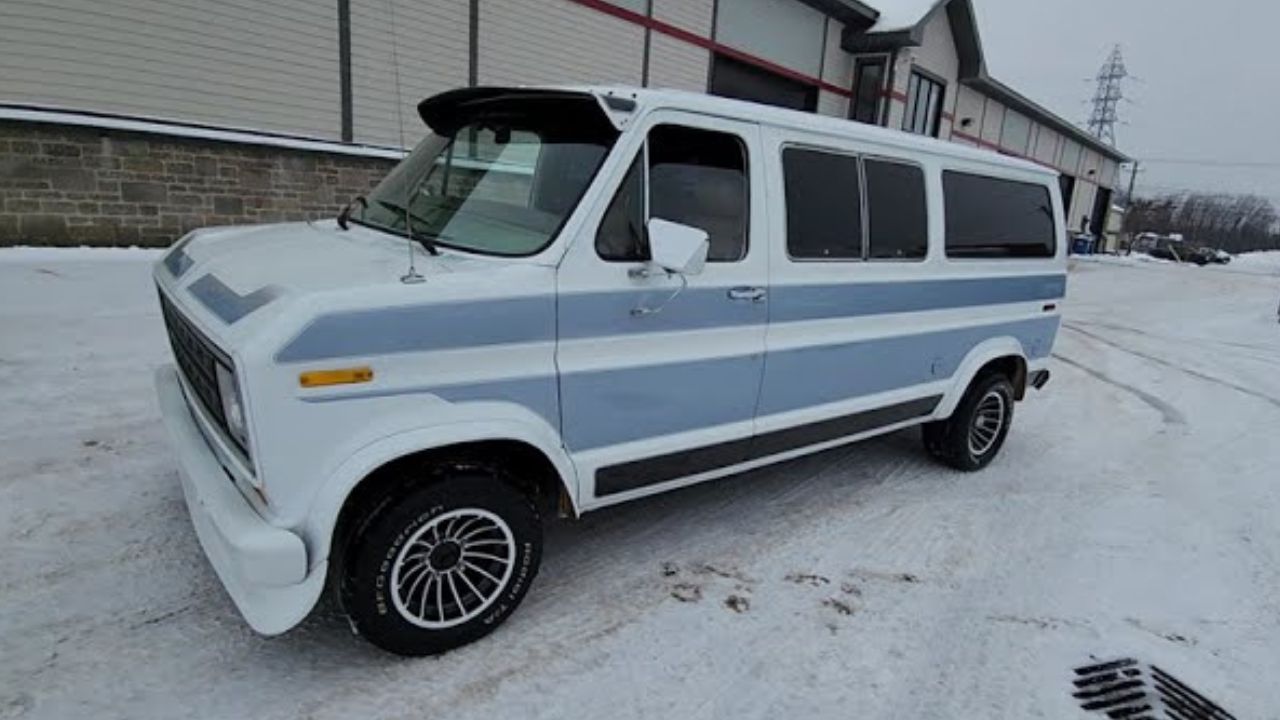
Ford’s E-Series vans could be optioned with the 351 Windsor V8 producing between 250 and 300 horsepower depending on the year and tune. The added power gave these vans better highway performance and towing capability.
The interiors were utilitarian but could be customized with nicer trim packages. These vans weren’t just workhorses; they offered respectable acceleration and handling improvements that made driving long distances less of a chore.
Like Fast Lane Only’s content? Be sure to follow us.
Here’s more from us:
*Created with AI assistance and editor review.