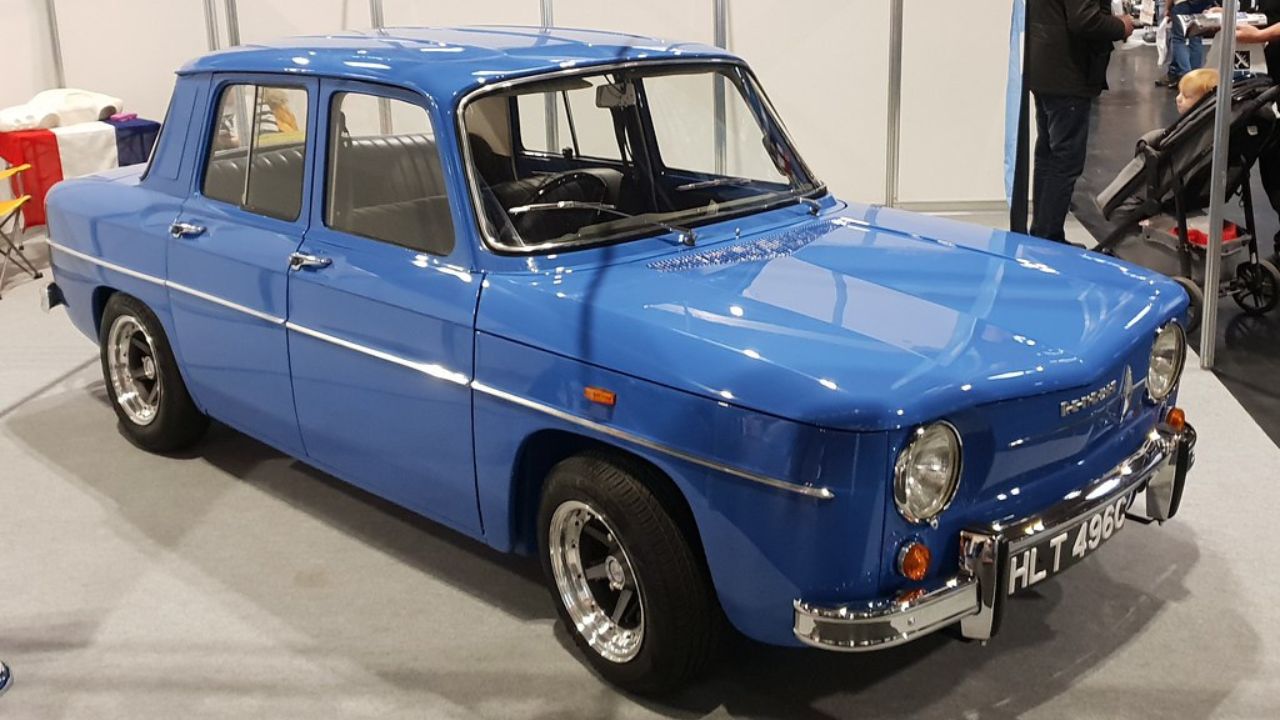
Classic rally legends like the Lancia Stratos and Audi Quattro steal the spotlight, but a quieter group of factory-built machines came ready to hit the stages. These cars left the showroom with rally-friendly parts—suspension upgrades, tough drivetrains, and in some cases, near race-spec hardware. Some were lightly dressed; others were full-on contenders. Here are 10 underrated classics that rolled out with rally potential built in.
Ford Escort RS1600 (1970–1975)
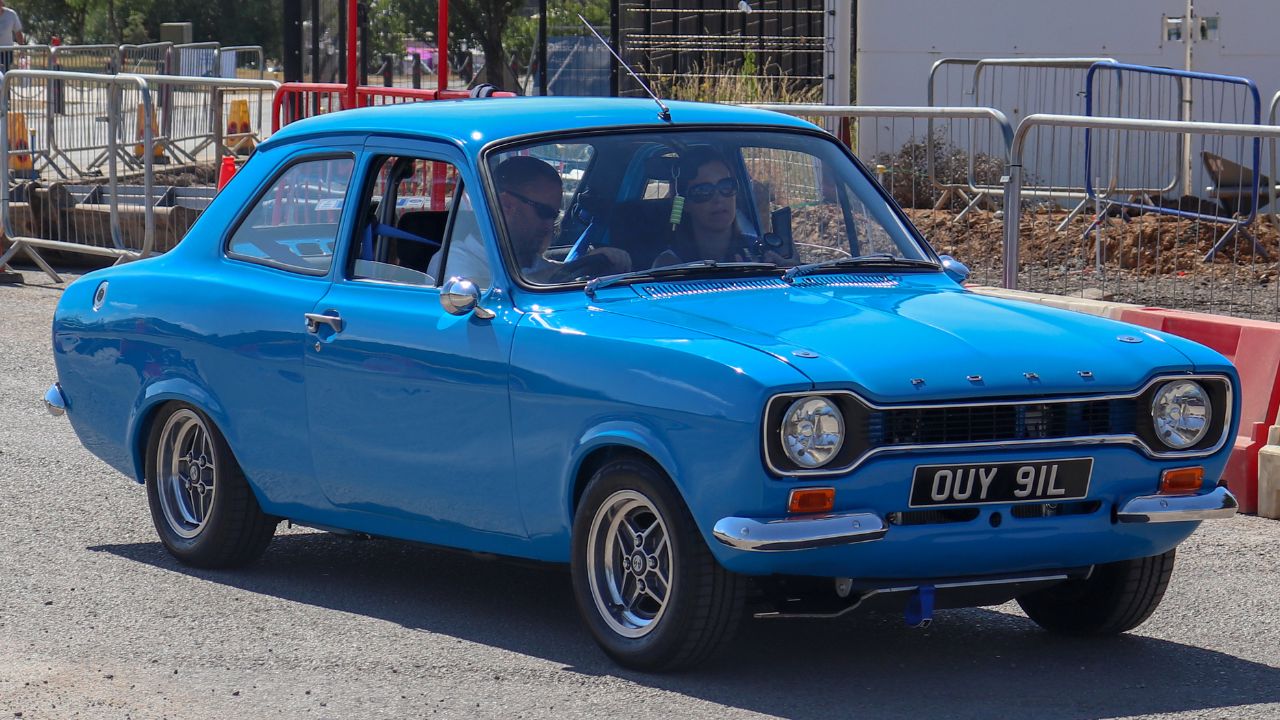
Ford’s RS1600 didn’t just look the part—it was the part. Under the hood sat a Cosworth-developed 1.6L BDA twin-cam engine putting out around 120 hp in street form, more in rally trim.
Its lightweight body, MacPherson strut suspension, and rear live axle were tuned for serious punishment. Rally kits included roll cages and reinforced components, making the RS1600 a backbone of ’70s European rally stages.
Saab 96 V4 Rally (1967–1980)

The Saab 96 V4 used a 1.5L Ford-sourced V4 that made up to 75 hp. But rally versions prepped by Saab Sport & Rally brought much more: reinforced chassis, competition suspension, and stout brakes.
Front-wheel drive gave it grip on icy Scandinavian terrain. Drivers like Erik Carlsson proved its capability. Factory cars weren’t full rally-spec, but they were made to get there fast—with the right parts and little drama.
Sunbeam Rapier H120 (1968–1976)
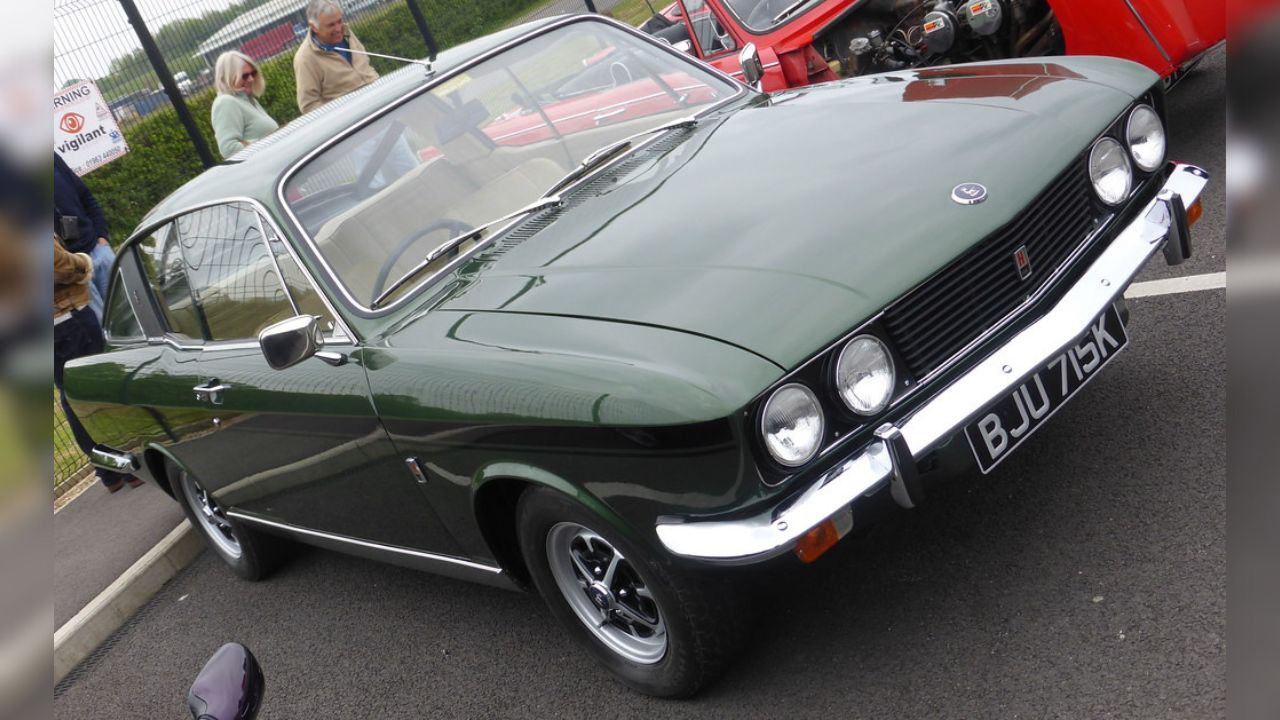
The Series V Alpine isn’t the best pick here—so swap in the Rapier H120. It came with a tuned 1.7L Holbay engine making around 110 hp, paired with stiffened suspension, better brakes, and a close-ratio gearbox.
Rootes Group sold it as a performance saloon, but its rally use was legit. The Rapier won its class in numerous events and quietly became a workhorse for private teams in the U.K. and Ireland.
Renault 8 Gordini (1964–1970)
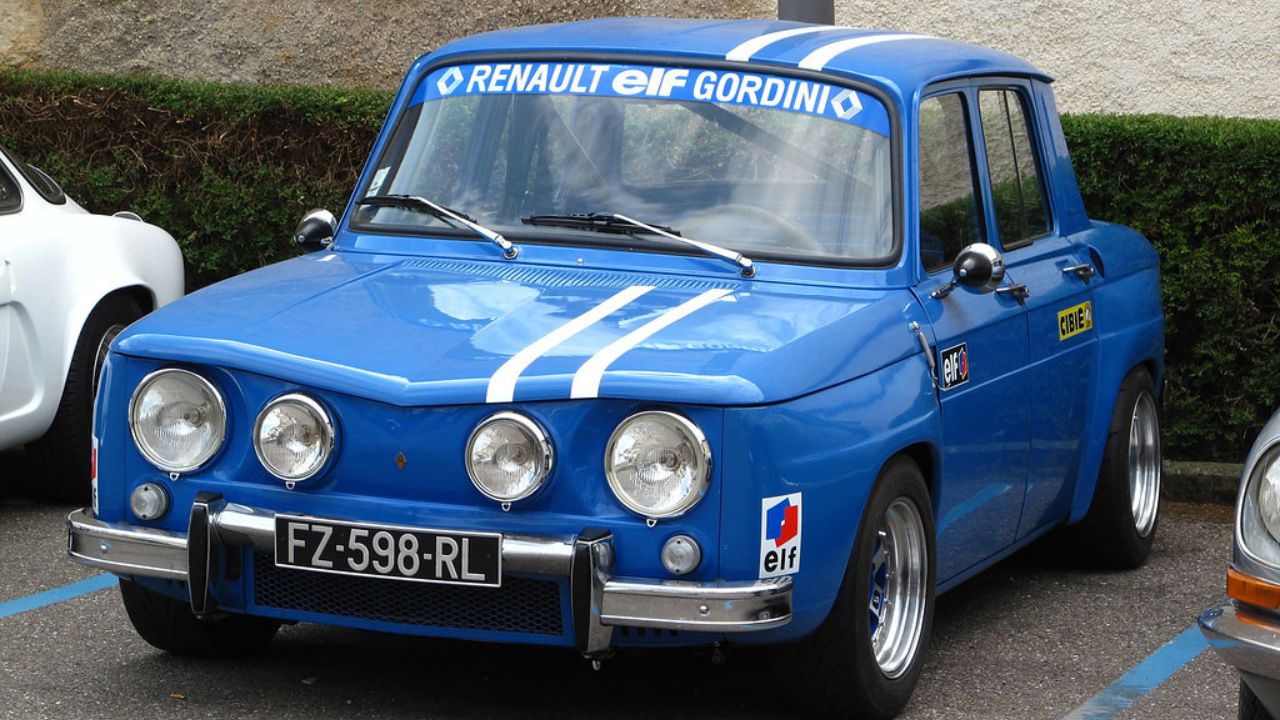
This boxy French sedan was a giant killer. The R8 Gordini packed a tuned 1.3L inline-four pushing 110 hp, disc brakes all around, and revised suspension. It even had a five-speed manual in later years.
Lightweight and agile, it punched above its weight in rally circles. The Gordini Cup built its street cred, but its real success came in road rallies and hill climbs, where it handled like a buzzsaw on wheels.
Lancia Fulvia HF (1965–1976)
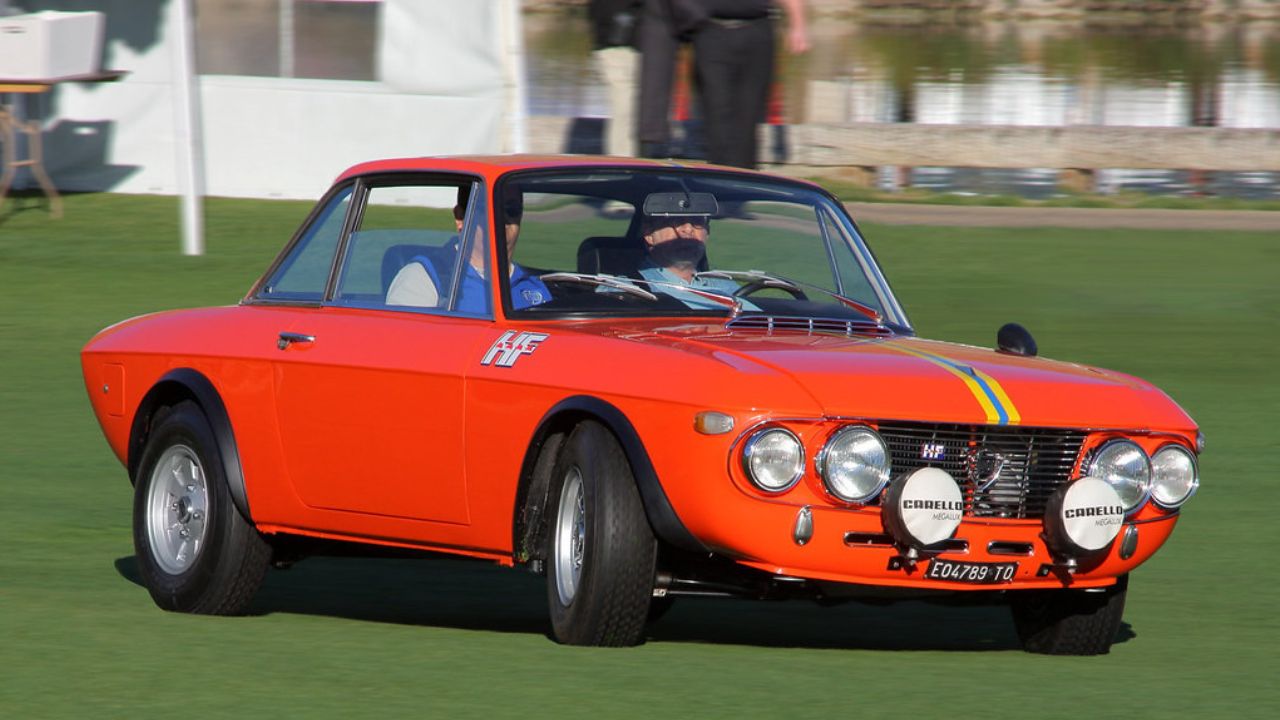
Before the Stratos, Lancia had the Fulvia HF. Its narrow-angle 1.6L V4 made about 115 hp, paired with a close-ratio gearbox and front-wheel drive for tight rally work.
The factory even sold stripped-down HF models with alloy panels, lightweight glass, and stiffened suspension. The Fulvia HF won the 1972 International Championship for Manufacturers—right from the factory lot to the forest stages.
BMW 2002 tii (1971–1974)

The 2002 tii was BMW’s idea of daily-use performance. It had a 2.0L inline-four with mechanical fuel injection, making 130 hp. Suspension was firm, and brakes were upgraded for spirited driving.
While not a factory rally car, BMW Motorsport and privateers turned the tii into a rally staple. It didn’t leave the factory caged, but it was one of the most rally-capable production cars of its day—once outfitted.
Toyota Corolla Levin TE27 (1972–1974)
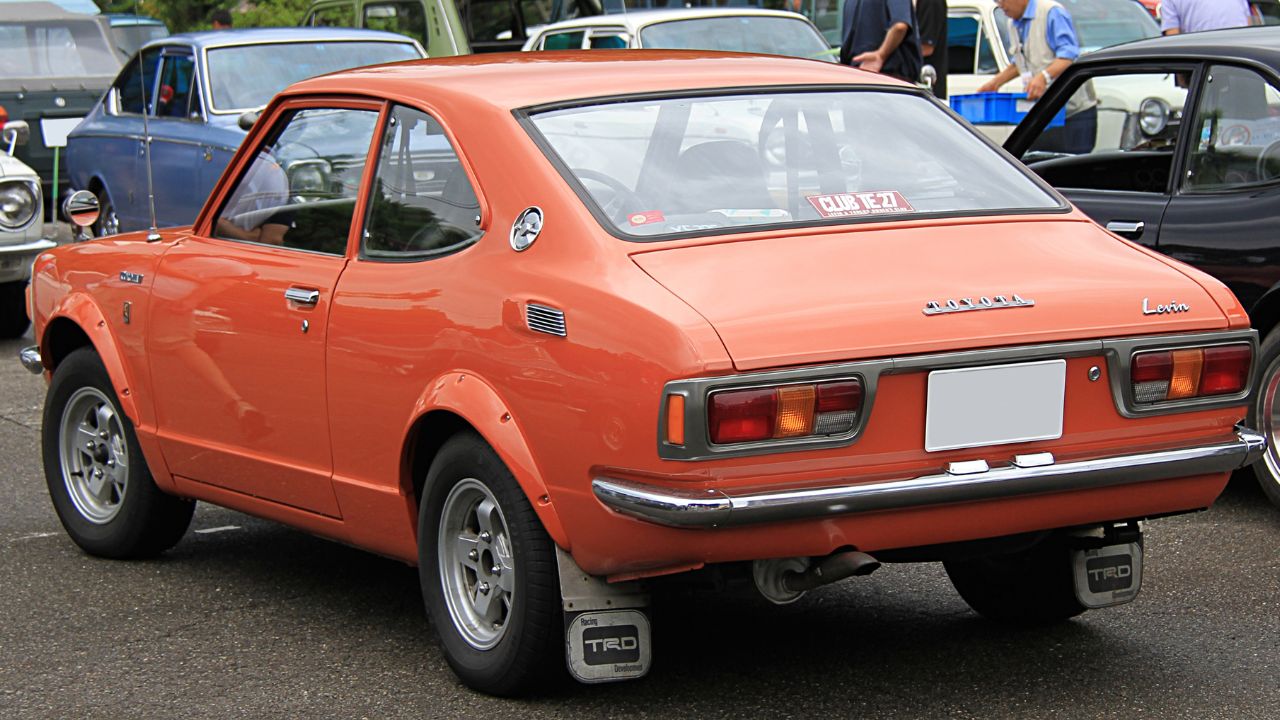
The TE27 Levin was Toyota’s Group 2 rally hero in the early ’70s. Its 2T-G 1.6L DOHC inline-four made 115 hp, and the car weighed under 2,100 pounds.
It came stock with stiffer suspension, front disc brakes, and an available limited-slip differential. Inside, there was little fluff—just sport seats and businesslike gauges. In Southeast Asia and Africa, it was a real contender.
Datsun 510 (1968–1973)
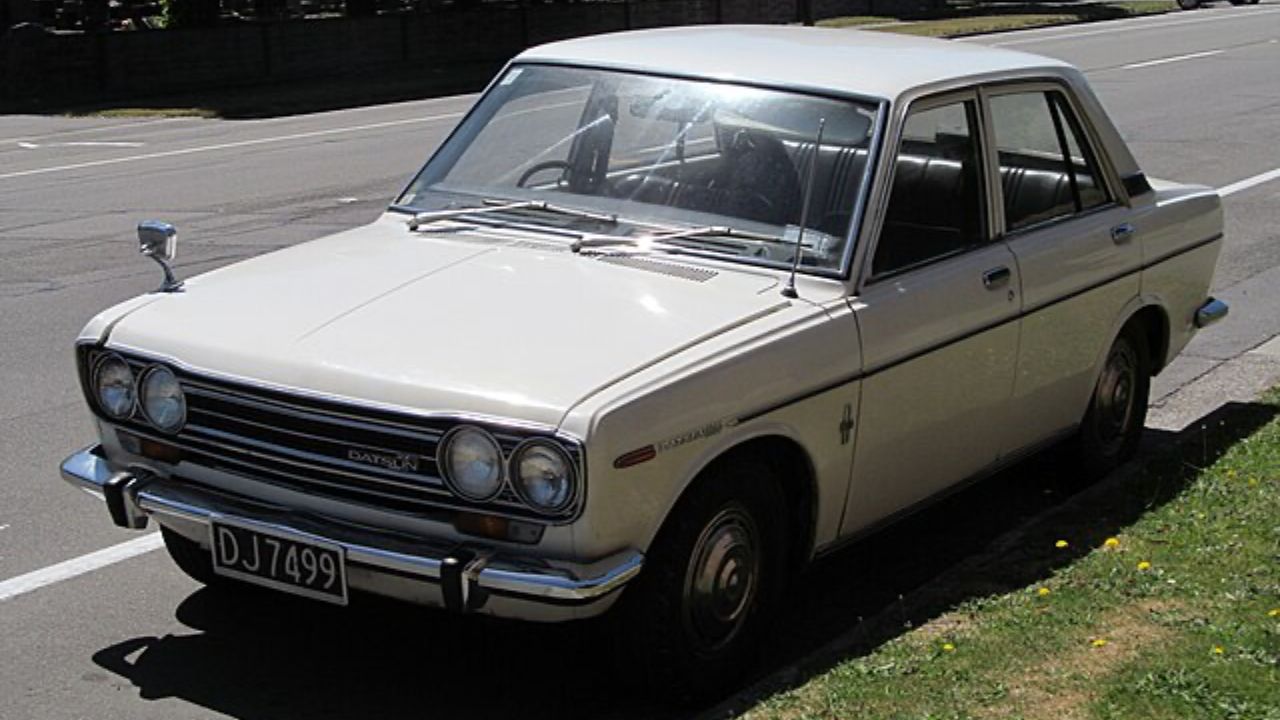
The 510 was a practical sedan with the heart of a sports car. Its 1.6L SOHC engine made around 96–108 hp depending on spec, and it came with fully independent suspension—a rarity in its class.
Datsun didn’t market it as a rally car, but it became one fast. Peter Brock’s BRE team dominated SCCA and rally events with it. Limited-slip diffs, bigger brakes, and sport seats were often added, but the bones were solid from the start.
Alfa Romeo Giulia Sprint GT Veloce (1965–1968)
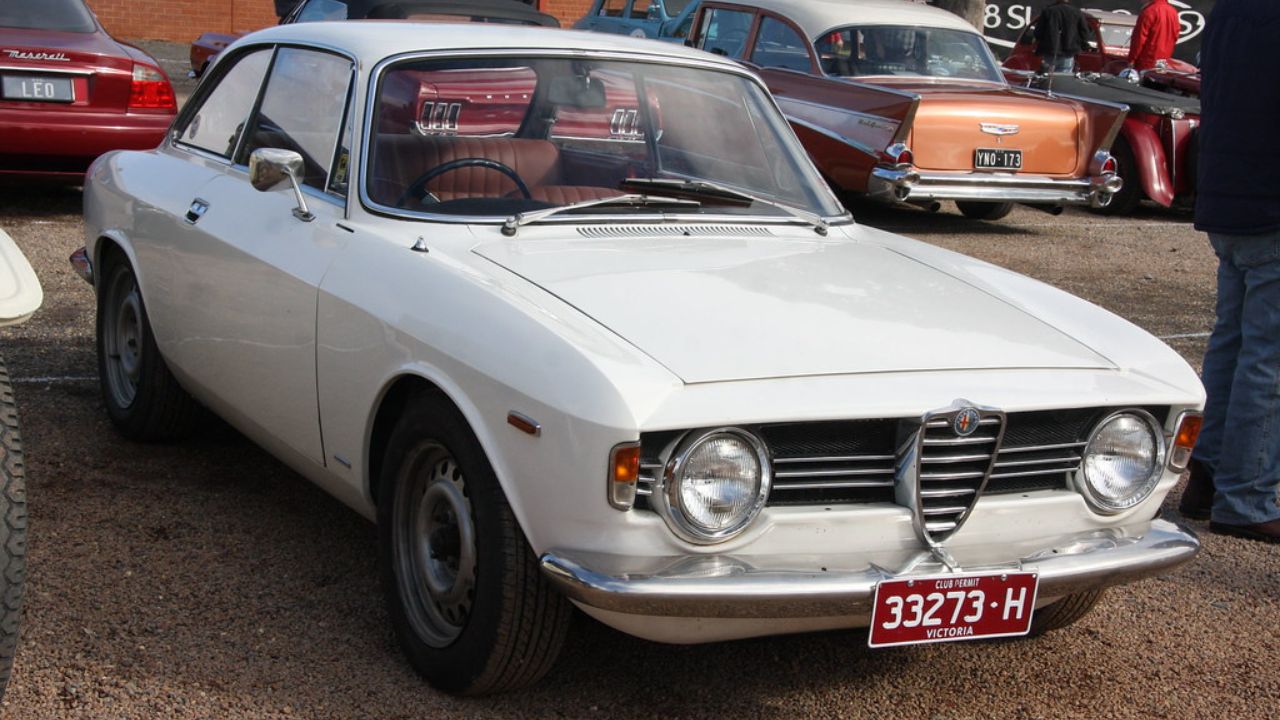
Alfa’s GTV offered real rally potential straight from the factory. It used a 1.6L DOHC engine with 112 hp, front discs, rear drums, and a stiff chassis.
The 5-speed manual and lively twin-cam engine made it fun and quick on gravel. Private teams used it in regional rallies across Europe. It wasn’t the flashiest Alfa, but it was one of the most balanced.
Volkswagen Golf GTI Mk1 (1976–1983)
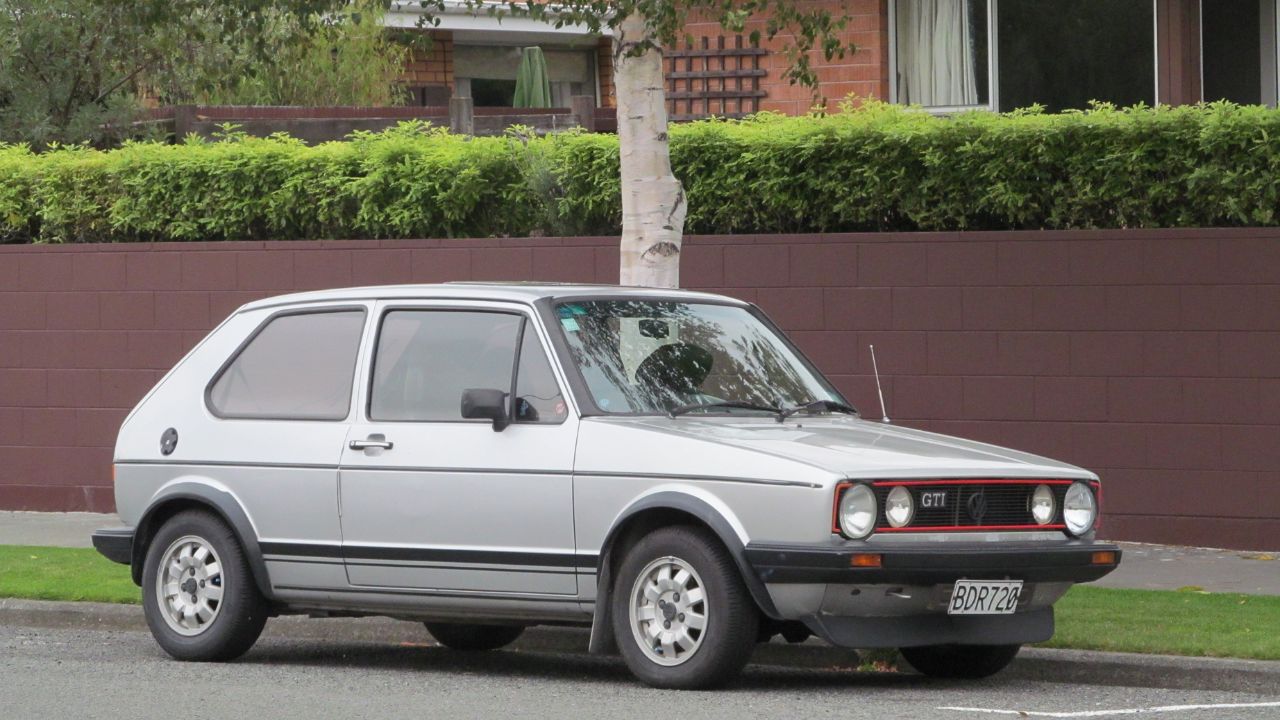
The original GTI packed a 1.6L fuel-injected inline-four making around 110 hp. With sport-tuned suspension and a curb weight under 1,900 pounds, it made up for power with handling.
VW’s Motorsport division turned early GTIs into rally weapons, and even the base models came with what you needed to start. The interior was stripped but sharp—plaid seats, a golf-ball shifter, and nothing you didn’t need.
Like Fast Lane Only’s content? Be sure to follow us.
Here’s more from us:
*Created with AI assistance and editor review.