
Some of the most coveted classic trucks on the market today started life as slow sellers, workhorses that dealers struggled to move and buyers largely ignored. Time, changing tastes, and a booming nostalgia market have turned those once-unwanted rigs into prized collectibles that command serious money and intense online bidding wars. I see the same pattern again and again: what looked outdated or impractical when new now reads as character, authenticity, and mechanical honesty.
From farm lot leftovers to auction darlings
When I look at the trucks that have climbed the furthest in value, the common thread is how out of step they were with their original moment. Buyers in the 1970s and 1980s wanted comfort, carlike manners, and fresh styling, so bare-bones work trucks with manual gearboxes and vinyl interiors often sat unsold at the back of the lot. Today those same spec sheets read like a greatest-hits list for collectors, and auction data shows how sharply values have risen for trucks that once needed heavy discounts to leave the showroom. Detailed sales records for classic pickups highlight how short-bed, regular-cab models that were once the cheapest configurations now attract premium bids compared with more plush trims that were easier to sell when new, a reversal that underlines how thoroughly the market has flipped over time.
That reversal is especially clear in the way enthusiasts now chase trucks that were built for fleets and farmers rather than suburban families. Period ordering guides and production figures show that many of the most desirable combinations today, such as high-output engines in base trim bodies, were produced in small numbers because retail buyers rarely checked those boxes. Modern price guides and auction summaries track how those low-volume configurations, once considered compromises, now rank among the most expensive variants of their respective generations, with documented examples of well-preserved work trucks selling for more than heavily optioned siblings that cost significantly more when new. The data-driven shift from discounted inventory to blue-chip collectible is one of the clearest signs that yesterday’s leftovers have become today’s status symbols for truck fans.
Square-body Chevrolets that dealers could not give away
Few stories capture this transformation better than the Chevrolet and GMC “square-body” pickups built from the early 1970s through the late 1980s. When these trucks were still in showrooms, their boxy styling and simple cabins began to look dated next to newer, more aerodynamic competitors, and period sales reports show how incentives and rebates became routine to keep volumes moving. Fleet-spec models with inline-six engines, manual transmissions, and minimal trim were especially hard to place with private buyers, who gravitated toward plusher Silverado and Sierra packages. Today, however, auction listings and private-sale data show that clean, unmodified square-bodies, particularly short-bed 4x4s, routinely sell for multiples of their original sticker prices, with documented six-figure results for exceptionally low-mileage or rare-option trucks that once languished on dealer lots.
The same sources that track those headline sales also reveal how specific details that once counted as drawbacks now add to the appeal. Contemporary road tests criticized the square-body’s ride quality and fuel economy, especially in heavy-duty configurations, and dealers often steered buyers toward more comfortable half-ton models. Modern buyers, by contrast, prize the heavy-duty frames, straightforward leaf-spring suspensions, and carbureted V8s that make these trucks easy to restore and modify, and price guides show a clear premium for original drivetrains and period-correct finishes. Documentation packages that would have meant little to a first owner, such as build sheets and window stickers, now help verify rare combinations like big-block engines in basic trims, and recent sales of such trucks confirm how far the market has moved from the days when square-bodies were treated as disposable tools rather than future collectibles.
Ford’s once-unfashionable work trucks finding a second life
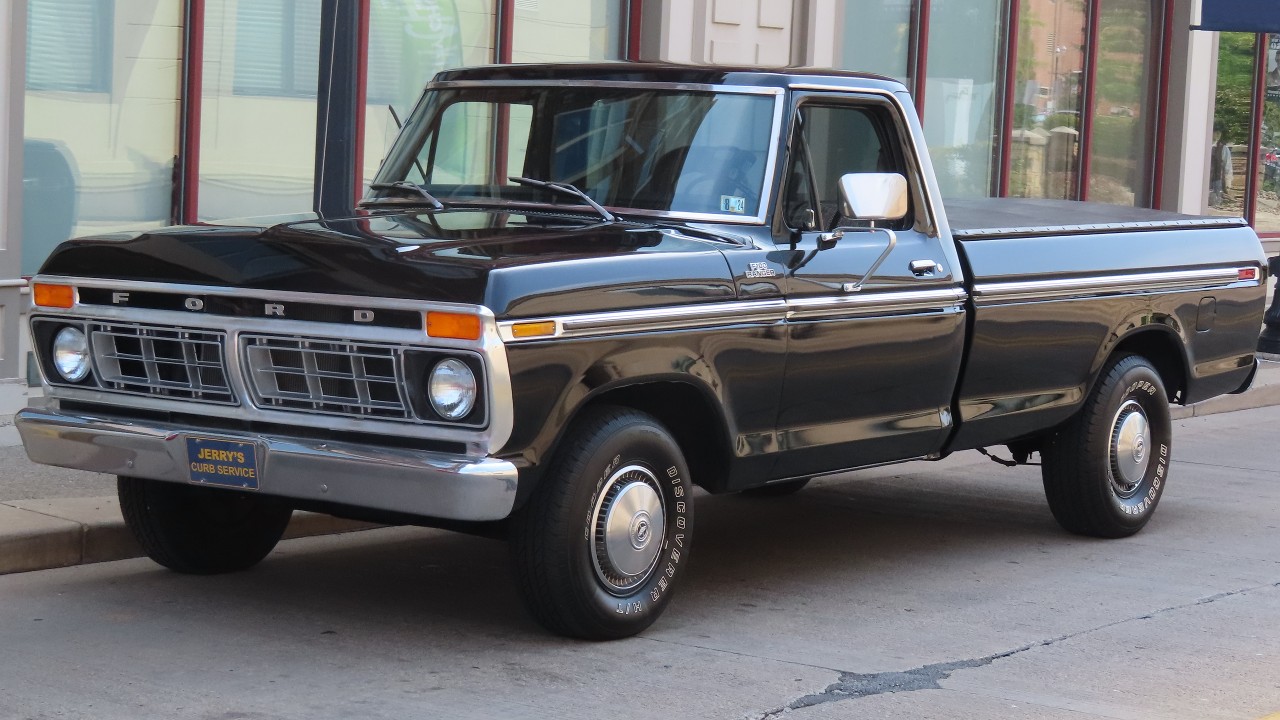
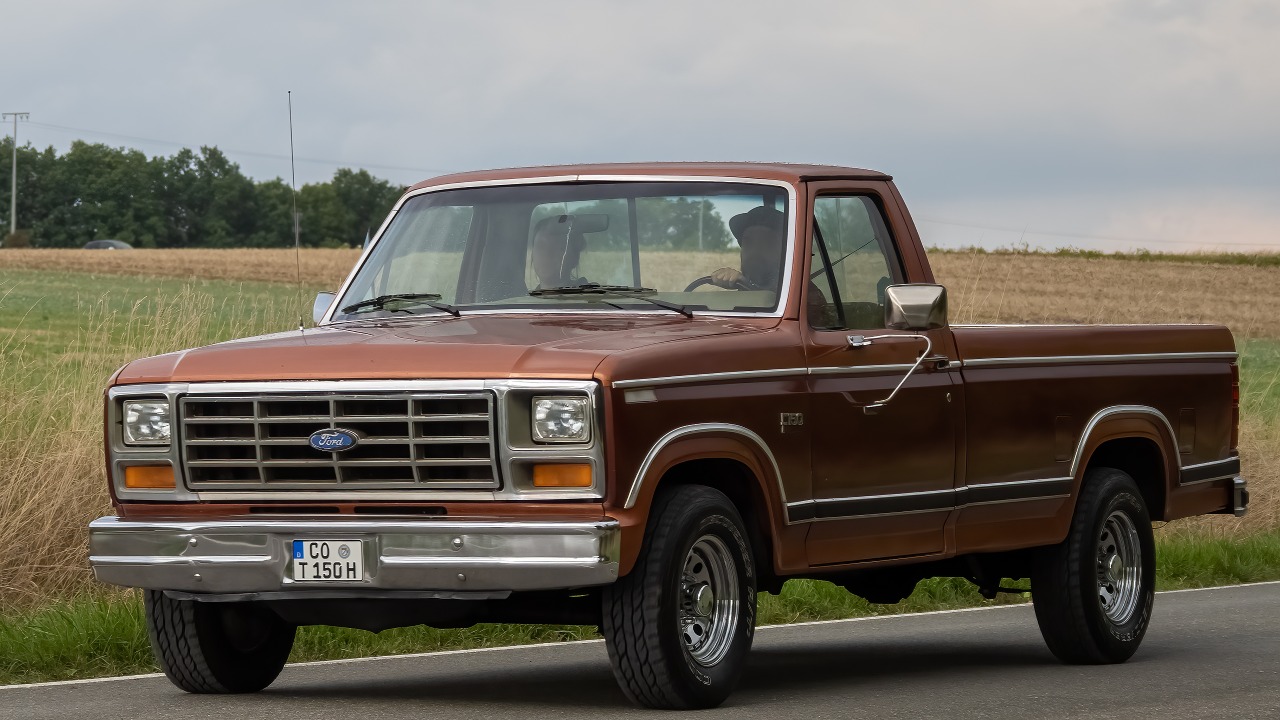
Ford’s full-size pickups and SUVs from the same era followed a similar arc, especially the F-Series models that prioritized durability over comfort. Internal production breakdowns and period advertising show how heavily Ford leaned on fleet and commercial buyers for its base F-150 and F-250 models, which often left the factory with rubber floors, bench seats, and few convenience features. Retail customers increasingly chose better-equipped XLT and Lariat trims, leaving stripped-down work trucks to sit on lots or sell at deep discounts. Modern valuation guides and auction recaps now show those basic trucks, particularly four-wheel-drive versions with V8 or inline-six engines, climbing sharply in price, with documented sales of clean, low-option examples outpacing more luxurious variants that once carried higher MSRPs.
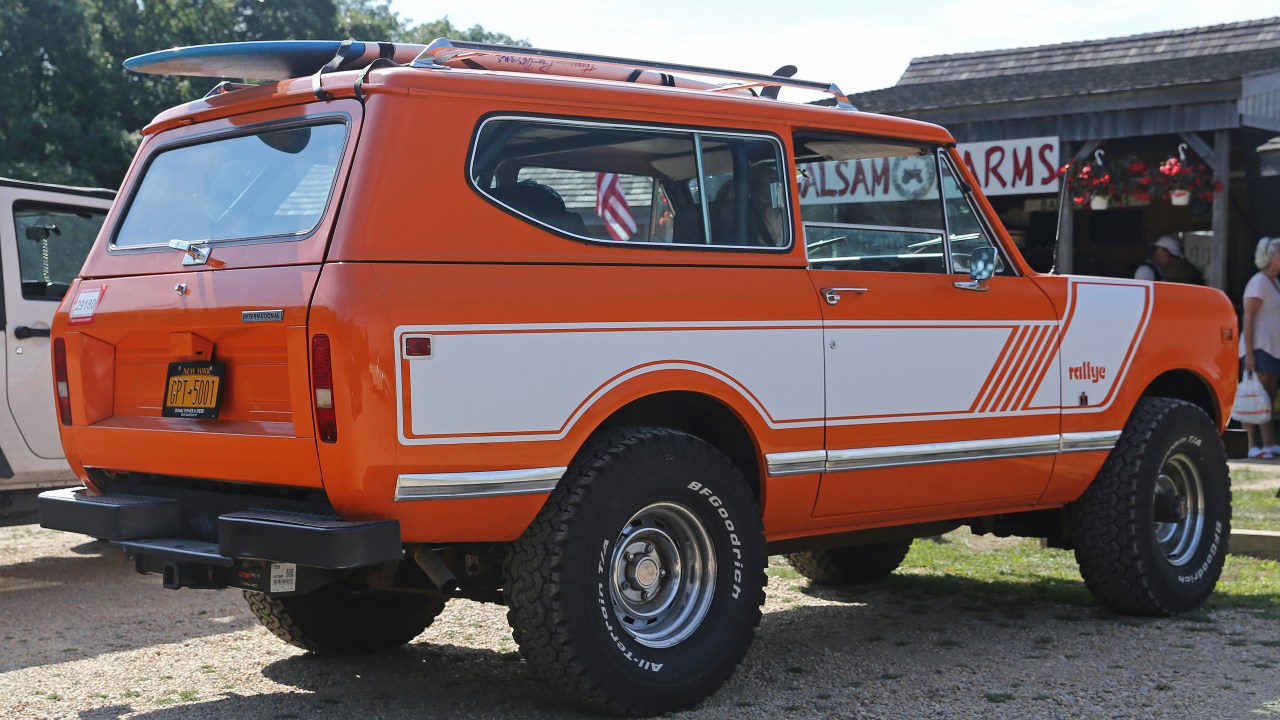
The Bronco and related SUV derivatives illustrate how quickly sentiment can change. Period reviews noted that two-door, truck-based SUVs were losing ground to more refined, family-oriented vehicles, and sales data from the late production years confirm that demand softened as buyers shifted to minivans and crossovers. Today, however, the same short-wheelbase, removable-top layout that limited their practicality has become a major draw, and recent auction results for early Broncos and later full-size models show sustained price growth across multiple generations. Detailed market analyses point to a combination of nostalgia, off-road capability, and relatively simple mechanicals as key drivers, and they also highlight how original-condition trucks with period accessories now command premiums over heavily modified builds that would have been more desirable to first owners.
Imports that were too utilitarian for their time
Japanese compact pickups and utility vehicles provide another case study in how the market can misjudge long-term appeal. When new, models like the Toyota Hilux and early Nissan trucks were often seen as basic, underpowered alternatives to domestic full-size pickups, and sales figures show that many buyers treated them as disposable appliances rather than vehicles to preserve. Their spartan interiors, modest towing ratings, and small displacement engines limited their mainstream appeal in markets that prized size and comfort, and dealers frequently used aggressive pricing to move aging inventory. Modern collectors, however, have embraced these trucks for their durability and distinctive styling, and auction data now records strong prices for rust-free, largely original examples that survived decades of hard use.
The same pattern holds for utilitarian 4x4s that once seemed too crude for daily driving. Vehicles such as early Toyota Land Cruisers and similar ladder-frame imports were designed for rugged terrain rather than suburban commutes, and contemporary road tests criticized their stiff rides and noisy cabins. As a result, many sat unsold or were relegated to niche roles, with limited production numbers that kept them out of the mainstream. Current market reports show that those constraints, combined with legendary reliability, have turned surviving trucks into highly sought-after classics, with documented sales of restored examples reaching into six-figure territory. Detailed buyer surveys and price trends suggest that enthusiasts now value the very qualities that once limited these trucks’ appeal, including manual hubs, simple four-wheel-drive systems, and bodywork that wears patina proudly.
Why yesterday’s misfits keep winning today’s bidding wars
Across brands and body styles, the trucks that were hardest to sell when new tend to share a few traits that now read as virtues. They are usually mechanically simple, with engines and drivetrains that owners can service at home, and they often feature honest, unfussy styling that stands apart from modern design trends. Production records and option breakdowns show that unpopular configurations, such as base trims with powerful engines or unusual color combinations, were built in small numbers, which has translated into scarcity decades later. Market analyses consistently link that scarcity to rising values, especially when combined with strong documentation and low mileage, and recent auction summaries highlight how bidders will pay a premium for trucks that preserve their original specification rather than heavily customized builds.
I also see a cultural shift that favors these once-unwanted machines. Enthusiast surveys and demographic studies point to a growing appetite for analog driving experiences, particularly among younger buyers who grew up with electronic driver aids and touchscreens. Classic trucks deliver that experience in a way modern vehicles cannot, with manual steering feel, mechanical shifters, and cabins that prioritize function over infotainment. At the same time, social media and online marketplaces have made it easier to find, restore, and showcase obscure models that might once have disappeared quietly into scrapyards, and transaction data from those platforms confirms how quickly prices can climb when a previously overlooked truck gains a following. The result is a market where yesterday’s slow sellers, from square-body Chevrolets to bare-bones Fords and rugged imports, now sit at the center of bidding wars that would have been hard to imagine when they were new.

Leave a Reply