
For decades, some of the most coveted classics on today’s auction blocks were once dismissed as tired used cars, parted out in back alleys or left to rust behind repair shops. The journey from scrapyard fodder to blue-chip collectible rarely happens by accident, and it often says as much about shifting tastes and cultural memory as it does about horsepower or styling. When I trace how certain models climbed from near-oblivion to six-figure status, a clear pattern emerges of overlooked engineering, changing regulations and nostalgia converging to rewrite a car’s fate.
What looks like overnight appreciation is usually the final act in a long story of underappreciated design, limited production and a small group of devoted owners who kept the faith when values were flat. The cars that made this leap tend to share a few traits: they were built in modest numbers, they offered something technically or stylistically distinctive, and they spent years trading hands for less than the cost of a major service before the market finally caught up.
From unloved muscle to blue-chip American icons
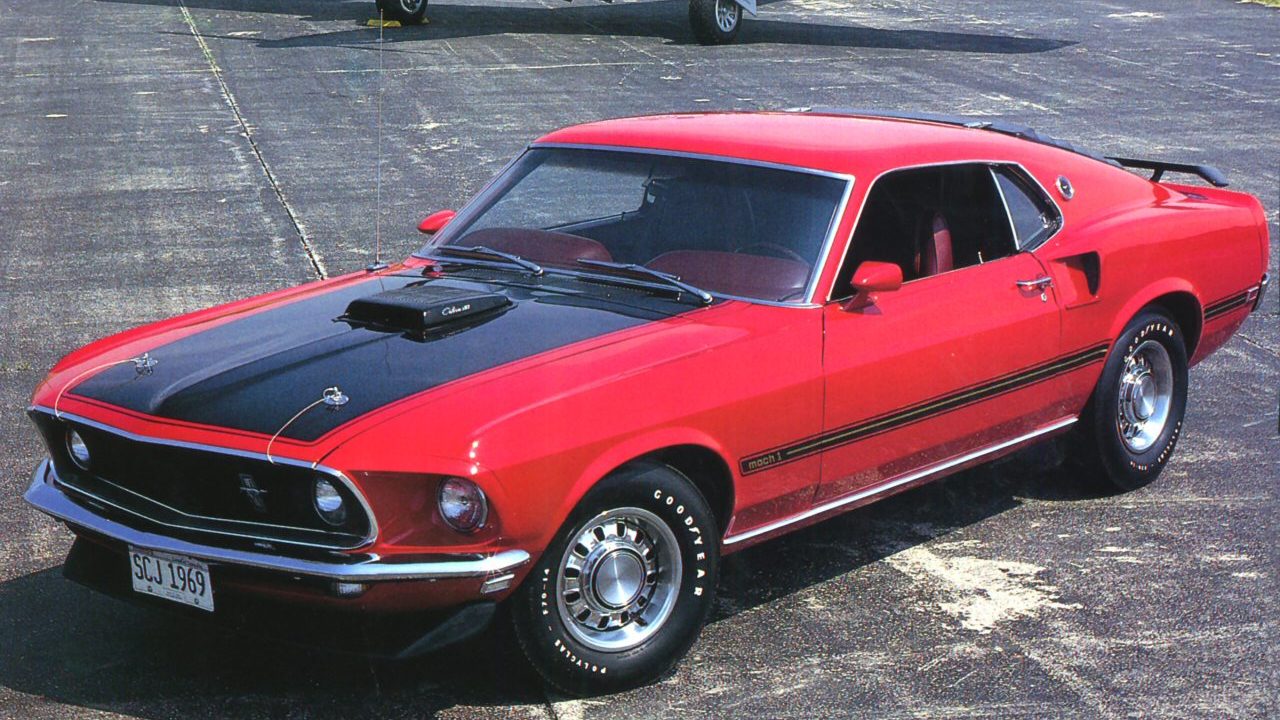
Many of the American muscle cars that now headline collector auctions spent a surprising stretch of their lives as cheap transportation, not treasured artifacts. As fuel prices rose and insurance crackdowns hit performance models, big-block coupes and convertibles were often sold on the used market for a fraction of their original sticker price, then driven hard and parked when repairs became uneconomical. I have seen period classifieds where high-compression V8 cars sat unsold, their thirsty engines and dated styling out of step with buyers who wanted economy and practicality instead of quarter-mile bragging rights.
The turnaround came as enthusiasts began to recognize how few original examples survived that era of neglect and modification. Once collectors started chasing factory-correct specifications and matching-numbers drivetrains, the supply of unmolested cars proved far smaller than the original production runs suggested. That scarcity, combined with the cultural pull of late-1960s and early-1970s performance, pushed values sharply higher and turned what had been junkyard regulars into carefully restored showpieces. Auction catalogs that once ignored these models now highlight detailed provenance, period options and documented ownership histories as key selling points.
European sports cars that outlived their repair bills
On the European side, a different dynamic sent future classics toward the breaker’s yard before collectors intervened. Many imported sports cars and grand tourers were complex, rust-prone and expensive to maintain once they aged out of warranty, which meant owners often faced repair estimates that exceeded the car’s market value. It was common for tired coupes and roadsters to be cannibalized for parts to keep a smaller number of running examples on the road, a process that quietly reduced the pool of complete cars long before anyone called them investments.
As specialist support improved and parts networks expanded, the economics shifted. Restoration shops learned how to tackle corrosion and mechanical overhauls more efficiently, and owners realized that a thorough rebuild could be justified if the finished car appealed to a growing global audience of enthusiasts. Online marketplaces and international auctions amplified that demand, revealing that what had once been a niche interest in certain European models had become a worldwide market. Cars that had languished in sheds or sat half-disassembled suddenly justified full restorations, and the same traits that once made them money pits, such as intricate engineering and hand-finished bodies, became central to their appeal.
Japanese performance heroes rescued from obscurity
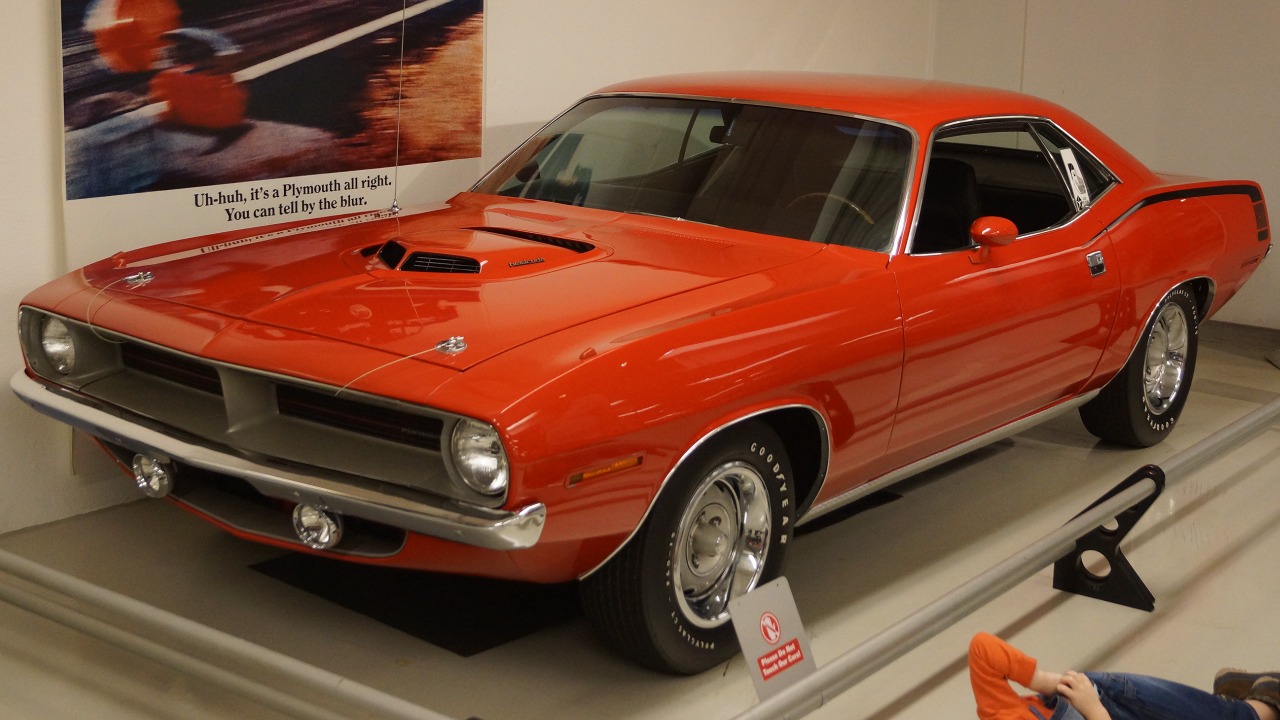
Japanese performance cars followed a particularly dramatic arc from disposable tuner platforms to serious collectibles. For years, many high-spec coupes and sedans were treated as blank canvases for modifications, with owners prioritizing power gains over originality. That culture produced some spectacular builds, but it also meant that unmodified examples were steadily disappearing, either worn out by hard use or stripped for parts to support more ambitious projects. When I look at the current market, the premium placed on stock or lightly modified cars is a direct response to how few survived that era intact.
Regulatory changes and shifting import rules added another twist to the story. As certain models became eligible for legal import into new markets after long waiting periods, pent-up demand met a limited global supply of clean cars. Enthusiasts who had grown up idolizing these machines in video games and media suddenly had the means and legal pathway to buy the real thing, and they were willing to pay for originality and documented history. That surge in interest pulled many neglected examples out of storage and prompted careful restorations, transforming what had once been inexpensive project cars into carefully preserved collectibles with international followings.
Luxury sedans and coupes that aged into modern classics
Not every car that climbed from near-scrap status to collector favorite was a pure performance machine. Several luxury sedans and coupes spent years as unfashionable used cars, their running costs and dated technology scaring off second and third owners. As depreciation took hold, these once-expensive flagships often ended up in the hands of budget-conscious drivers who lacked the resources to maintain them to original standards, accelerating their slide toward the breaker’s yard. The combination of complex electronics, specialized parts and limited independent repair expertise made many of these models seem like poor long-term bets.
Over time, however, enthusiasts began to reassess their value as comfortable, characterful modern classics. As the design language of newer cars shifted toward screens and minimalism, the analog controls, distinctive interiors and substantial road manners of older luxury models started to look more appealing. Specialist communities formed around keeping them running, sharing technical knowledge and sourcing components that had once been dealer-only items. That grassroots support network helped stabilize values and encouraged owners to invest in preventative maintenance and sympathetic restoration rather than writing the cars off when major repairs loomed.
How scarcity, storytelling and community lock in collector status
The common thread across these transformations is that market value followed, rather than led, a deeper shift in how enthusiasts perceived the cars. Scarcity alone was never enough; plenty of obscure models remain cheap despite low survival rates. What changed for the cars that escaped the junkyard was a combination of compelling stories, from motorsport success to cultural cameos, and a community willing to document, restore and celebrate them. Once those narratives took hold, auction results and private sales began to reflect not just metal and mechanicals, but the emotional weight attached to owning a tangible piece of that history.
Community infrastructure then reinforced the trend. Dedicated clubs, online forums and specialist shops made it easier for new owners to care for aging hardware, while events and shows gave them a stage to display their efforts. As more high-quality restorations appeared, they set benchmarks for originality and craftsmanship that further differentiated surviving cars from the rough, modified or incomplete examples that had once dominated the landscape. The result is a feedback loop in which attention, expertise and money concentrate around a relatively small group of models, lifting them far above their humble years as near-worthless used cars and ensuring that, for now, their place in the collector hierarchy is secure.

Leave a Reply