
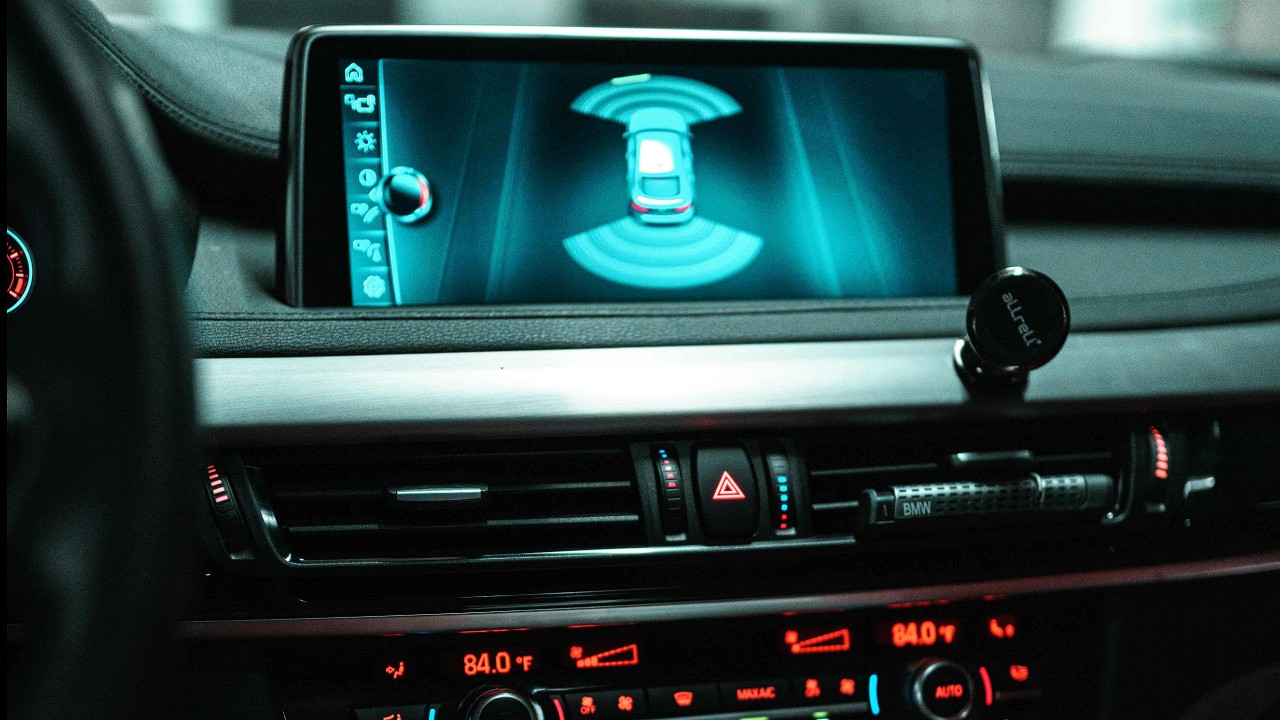
Modern cars rely on a dense web of sensors to manage everything from fuel delivery to collision avoidance, and when one fails, the result can range from a minor annoyance to a four-figure repair. I see the same pattern over and over: a small electronic component triggers a dashboard warning, the car slips into a protective mode, and the owner is suddenly staring at a bill that rivals a month’s rent. Understanding which sensors fail most often, how they behave when they go bad, and what they typically cost to diagnose and replace can turn a stressful breakdown into a manageable decision.
Why today’s cars are so sensor‑dependent
Over the past two decades, automakers have shifted critical engine and safety functions from mechanical linkages to electronic controls, which means sensors now sit at the heart of basic operations like fuel metering, braking, and steering assist. Instead of a simple cable or vacuum line, a modern powertrain control module reads dozens of inputs every second, from oxygen content in the exhaust to wheel speed at each corner, then adjusts fuel, spark, and braking pressure accordingly. That complexity improves performance and emissions, but it also creates more potential failure points and makes even simple drivability issues heavily dependent on accurate sensor data, a trend that repair databases and shop surveys consistently highlight in their breakdowns of common fault codes and warranty claims.
Because so many systems are interconnected, a single faulty sensor can trigger a cascade of warnings that look more dramatic than the underlying problem. A misreading from a mass airflow sensor, for example, can cause rough running, poor fuel economy, and a glowing “check engine” light, while the actual fix may be a single component and a short labor charge once a technician confirms the diagnosis with scan data and reference values from manufacturer service information. Industry cost guides that track average repair orders show that the bulk of sensor-related jobs fall into a mid-range price band, with parts often under a few hundred dollars and labor adding another hour or two, although some safety and emissions components sit at the higher end because of their location and calibration requirements.
Oxygen sensors and emissions controls
Oxygen sensors are among the most frequently replaced components on modern vehicles, largely because they live in a harsh environment and are essential to emissions control. These sensors sit in the exhaust stream and report how much oxygen is present so the engine computer can fine-tune the air‑fuel mixture; when they degrade, the system often defaults to a richer mixture that protects the engine but hurts fuel economy and emissions. Repair cost aggregators that track millions of invoices show typical replacement prices for a standard upstream oxygen sensor in the range of a low three‑figure total, with parts usually accounting for more than half of the bill and labor covering removal from the often rusted exhaust bung and the subsequent system check.
Downstream oxygen sensors, which monitor catalytic converter efficiency, tend to fail less often but can be more expensive when they do, especially on vehicles with multiple converters or tight packaging around the exhaust. When a downstream sensor reports poor catalyst performance, owners sometimes face a choice between replacing the sensor first or committing to a much more costly catalytic converter, a decision that repair guides recommend basing on live data readings and stored fault codes rather than guesswork. Industry pricing tools that compare dealer and independent shop estimates show that a single catalytic converter job can climb into four‑figure territory, while a sensor-only repair usually stays closer to the mid‑hundreds, which is why technicians often start with the relatively inexpensive sensor when the data supports that approach.
Mass airflow, MAP, and throttle position sensors
Air‑measurement sensors sit at the core of how the engine decides how much fuel to inject, so when they fail, the symptoms can be dramatic: hard starts, stalling at idle, and sluggish acceleration are all common complaints. The mass airflow (MAF) sensor, typically mounted in the intake duct just after the air filter, measures the amount of air entering the engine, while the manifold absolute pressure (MAP) sensor and throttle position sensor (TPS) provide additional context about load and driver demand. When any of these sensors send implausible signals, the engine control unit often substitutes default values and may trigger a reduced‑power mode, which owners experience as a sudden lack of response even though the engine is technically still running within safe limits.
From a cost perspective, these sensors usually sit in the middle of the pack, with most MAF and MAP replacements falling into a moderate price range that reflects relatively easy access and short labor times. Parts pricing data compiled from dealership and aftermarket catalogs shows that a typical MAF sensor for a mainstream model like a Toyota Camry or Ford F‑150 often lands in the low to mid‑hundreds, while labor guides list about an hour for diagnosis and installation, assuming no additional wiring damage. Throttle position sensors can be cheaper as standalone parts but more expensive on vehicles where the TPS is integrated into an electronic throttle body, since that design requires replacing the entire assembly and then performing a computer‑guided relearn procedure that adds both time and cost to the final invoice.
ABS, wheel speed, and stability control sensors
Anti‑lock braking and stability control systems rely on wheel speed sensors to detect slip and modulate braking pressure, so a failure here can light up the dashboard with ABS and traction control warnings. These sensors typically sit near the wheel hub or integrated into the bearing assembly, reading a toothed ring or magnetic encoder as it spins; when they lose signal because of corrosion, wiring damage, or internal failure, the control module often disables ABS and stability functions and reverts to basic hydraulic braking. Repair statistics that break down common ABS faults show that wheel speed sensors and their wiring harnesses account for a large share of issues, especially in regions that use road salt, which accelerates corrosion around connectors and mounting points.
Costs vary widely depending on whether the sensor is a separate bolt‑on part or built into a hub assembly. On many compact cars and crossovers, a standalone sensor can be replaced for a relatively modest sum, with parts often under a few hundred dollars and labor adding another hour or so to remove the wheel, access the sensor, and clear the fault codes. When the sensor is integrated into a wheel bearing, as on many late‑model SUVs and trucks, the job becomes more involved and the parts price climbs, pushing the total closer to the upper mid‑hundreds once alignment checks and road tests are factored in. Industry repair guides emphasize that accurate diagnosis is critical here, since a damaged tone ring or wiring fault can mimic a bad sensor and lead to unnecessary parts replacement if the technician does not confirm the root cause with oscilloscope readings or targeted resistance checks.
TPMS, parking, and camera‑based driver aids
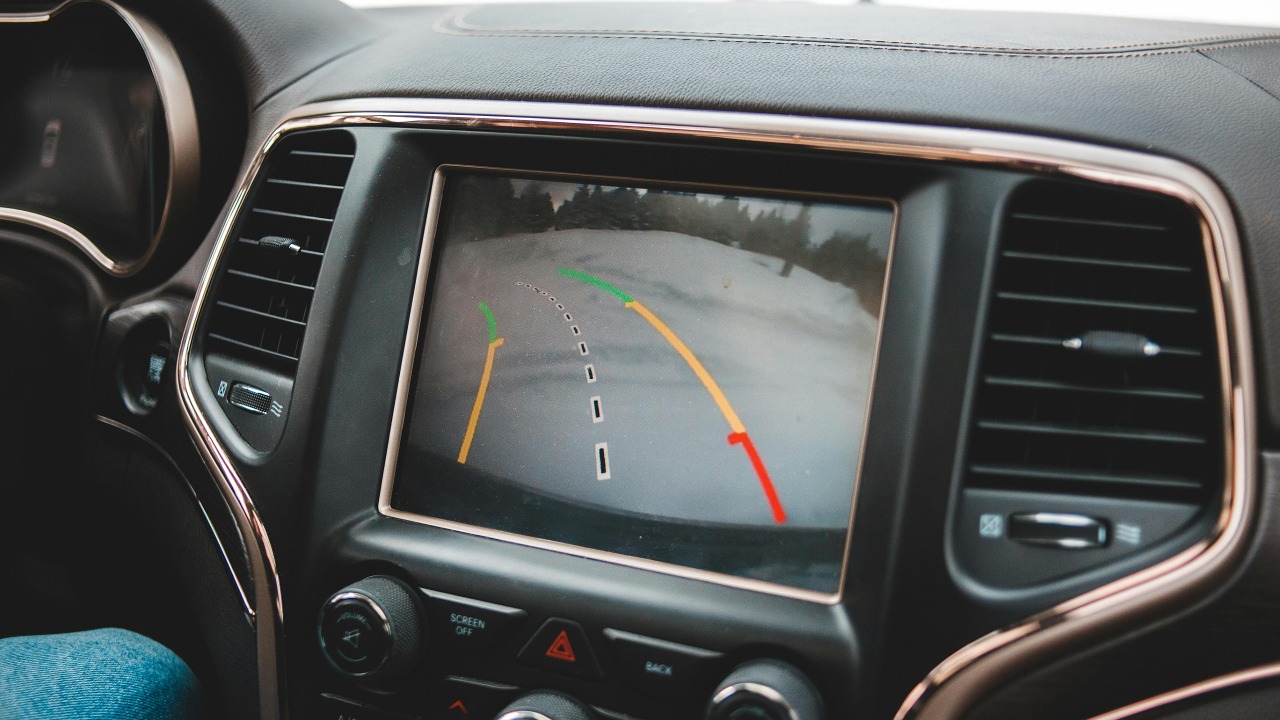
As driver‑assistance technology has spread from luxury models into mainstream cars, a new class of sensor failures has emerged around tire pressure monitoring, parking aids, and camera‑based systems. Tire pressure monitoring system (TPMS) sensors, which sit inside the wheel and transmit pressure data via radio signal, are particularly prone to age‑related failure because their internal batteries are sealed and non‑replaceable. Industry data that tracks TPMS service trends shows that many sensors start to fail around the ten‑year mark, often one wheel at a time, which means owners of older vehicles see intermittent warnings that can be traced to a single dead sensor rather than a true pressure loss.
Replacing TPMS sensors typically requires removing the tire from the wheel, installing a new sensor, and then programming it to the vehicle, so the cost usually combines parts, tire service, and a short programming step. Pricing comparisons across tire chains and dealerships show that a single TPMS sensor replacement often lands in the low to mid‑hundreds once mounting, balancing, and shop fees are included, with discounts sometimes available when all four sensors are done at once. Parking sensors and backup cameras follow a similar pattern: the parts themselves can be relatively affordable, but labor climbs quickly when interior trim, bumpers, or tailgates must be removed to access the failed component, and some camera systems require calibration with specialized targets and software that only certain shops own, which pushes the total cost toward the higher end of the typical sensor repair spectrum.
How to keep sensor repairs under control
For owners, the most effective way to keep sensor failures from turning into budget‑breaking repairs is to focus on early diagnosis and basic preventive care. Addressing a check‑engine light or ABS warning promptly gives a technician a better chance of catching a failing sensor before it damages related components, such as a misreading oxygen sensor that allows raw fuel to overheat a catalytic converter. Routine maintenance steps that seem mundane, like replacing a clogged air filter on schedule or keeping wheel wells free of packed mud and road salt, also protect nearby sensors from contamination and corrosion, a link that service bulletins and long‑term fleet studies repeatedly highlight when they track premature sensor failures.
When a sensor does fail, I find it pays to ask specific questions about the diagnosis and parts options rather than simply approving the first estimate. Many common sensors are available in both original‑equipment and high‑quality aftermarket versions, and repair cost databases show that choosing a reputable aftermarket part can trim the total bill without sacrificing reliability, especially for items like MAF sensors and wheel speed sensors on popular models. It is also worth confirming whether the job requires any additional services, such as alignment checks after hub replacement or calibration procedures for camera‑based systems, so the final invoice matches the initial quote. With that information in hand, a sensor failure becomes less of a mystery and more of a manageable line item in the overall cost of keeping a modern car on the road.


Leave a Reply