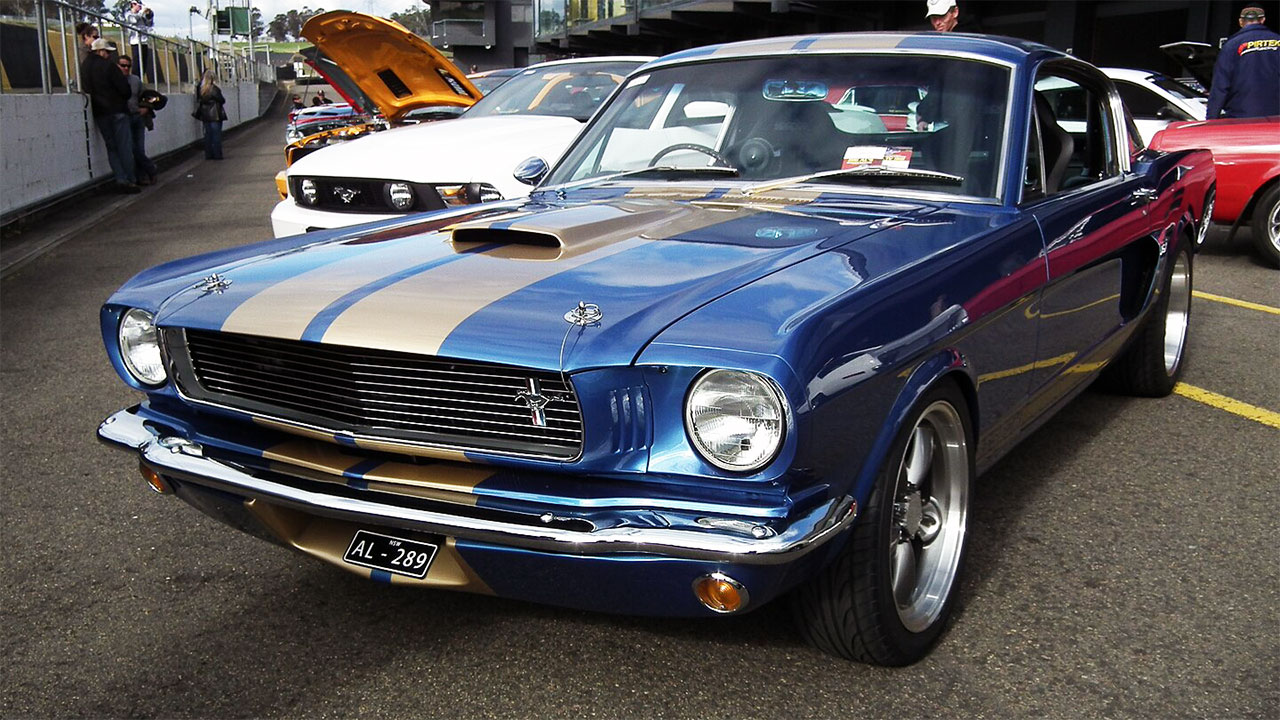
The 1960s weren’t just about horsepower—they were about presence. This was the decade when lines got sleeker, engines got louder, and even the family coupe started to look like it belonged on a track. Some cars led the horsepower wars, others just looked good doing it. Either way, these eight stood out, then—and still turn heads now.
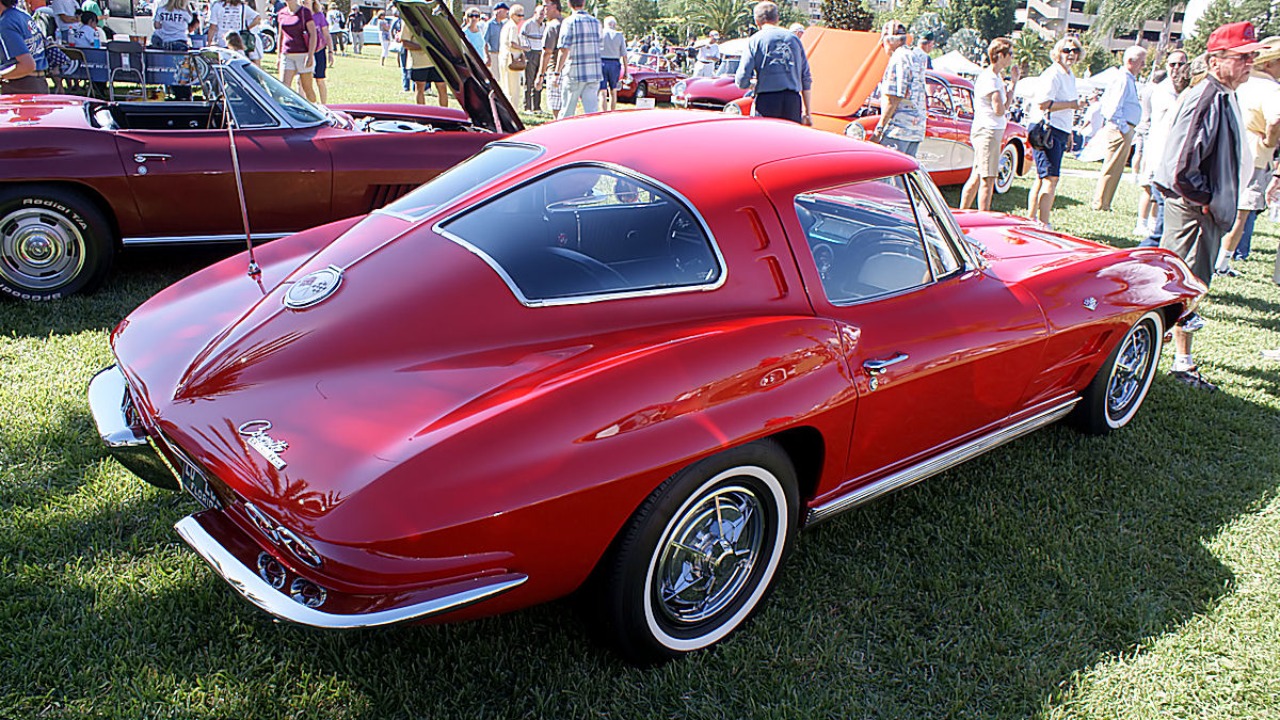
1963 Chevrolet Corvette Sting Ray Split-Window
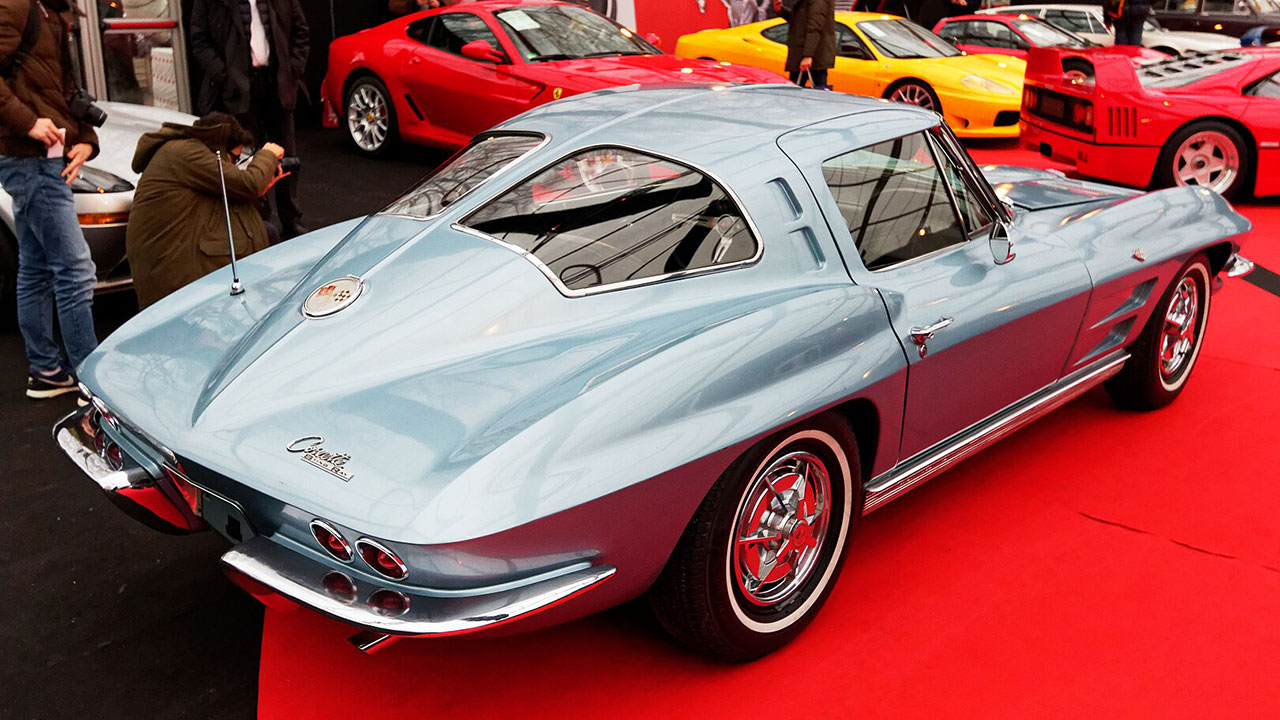
The ’63 Sting Ray coupe came with one of the most polarizing design choices of the decade—a rear split-window. It lasted just one year before Chevrolet caved to complaints about rear visibility, but its visual impact never faded. Under the skin, the C2 brought independent rear suspension and a fiberglass body that cut weight.
Power came from a 327 V8, available in several tunes up to 360 horsepower with fuel injection. Interior touches like the twin-cowl dash and aircraft-style controls made it feel more fighter jet than cruiser. It’s the rare Corvette that looks fast just standing still.
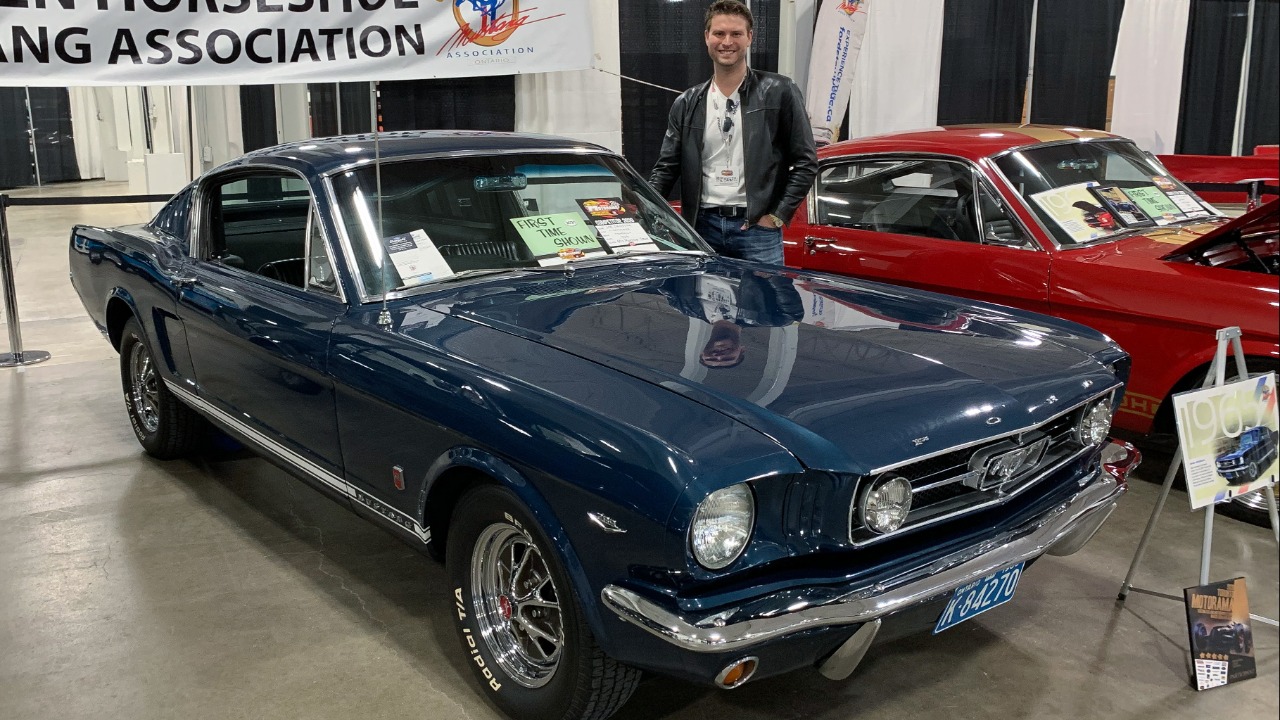
1965 Shelby GT350
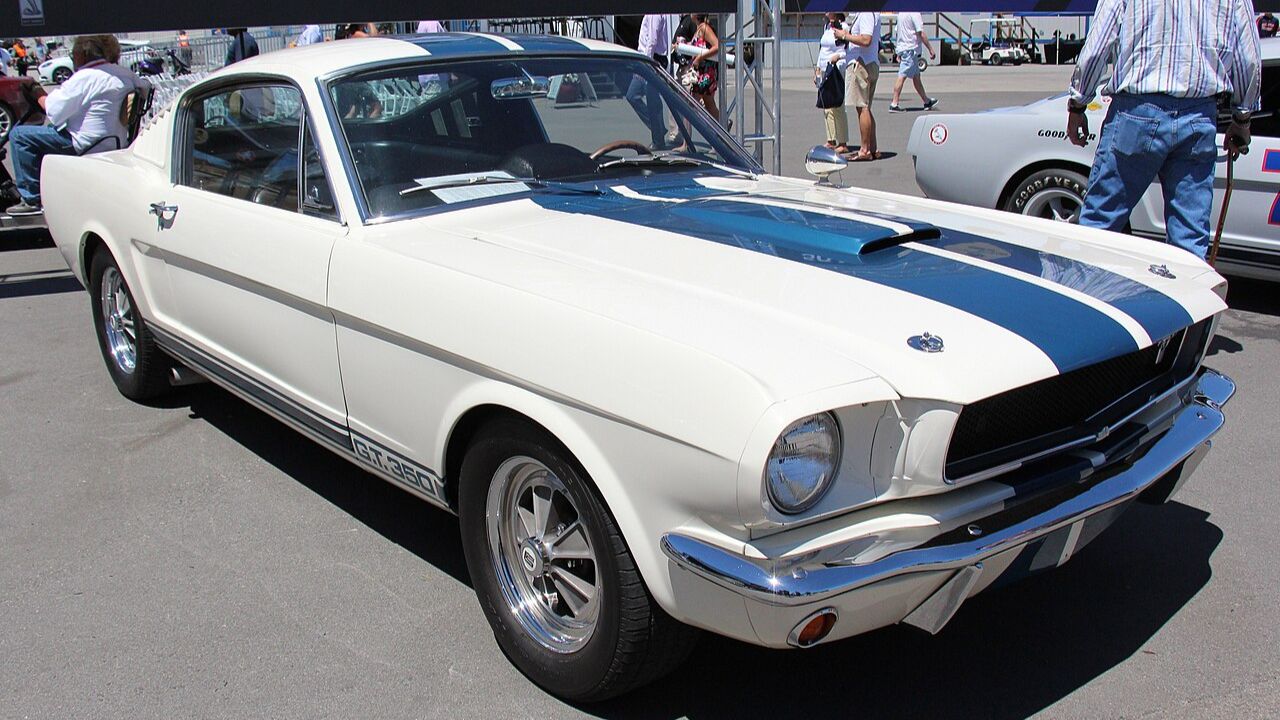
Carroll Shelby turned the already solid Mustang into something properly dangerous. The 1965 GT350 started life as a Wimbledon White Mustang fastback and left Shelby American with a high-revving 289 V8, side-exit exhausts, stiffer suspension, and just enough legality to be sold to the public.
It wasn’t built for comfort. No back seat, no radio, and side stripes that meant business. With 306 hp and a curb weight under 2,900 pounds, it was a street-legal SCCA B-Production race car. Ford may have built the Mustang, but Shelby gave it muscle and menace.
1968 Dodge Charger R/T 440
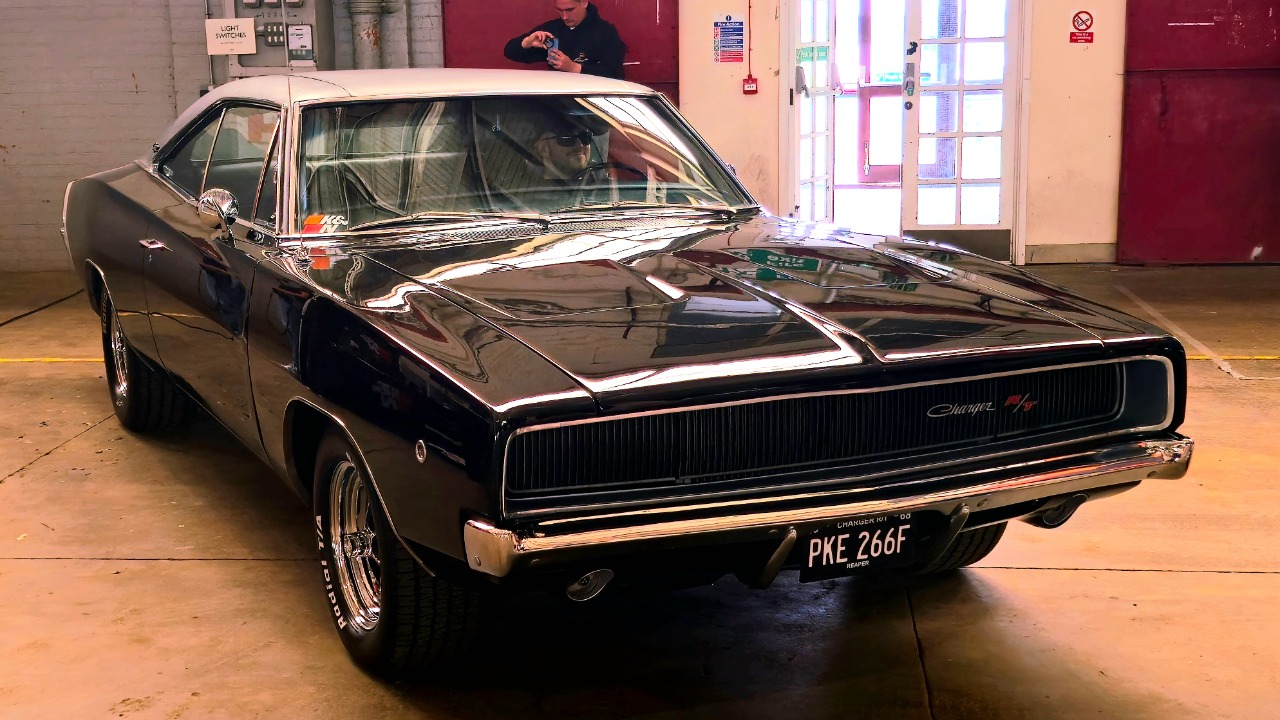
The ’68 Charger didn’t need words—it had that coke-bottle shape, hidden headlights, and a fastback roofline that made everything else on the road feel a step behind. The R/T package added beefier suspension, bucket seats, and big block power under the hood.
While the HEMI got the headlines, the 375-hp 440 Magnum offered more torque and better street manners. This was the kind of car you parked backward just to admire the taillight panel. And once Bullitt hit theaters, the Charger became the car you didn’t want chasing you.
1961 Jaguar E-Type Series I

The E-Type didn’t just look different—it was different. A monocoque body, independent rear suspension, and four-wheel disc brakes weren’t standard fare in ’61. The inline-six made 265 hp, and thanks to its light aluminum bonnet and sleek design, the Jag could top 150 mph.
But what really got people talking was the shape. That long nose, tight rear quarters, and center-hinged clamshell hood made it feel more Italian than British. Even Enzo Ferrari reportedly called it the most beautiful car ever made—something he didn’t throw around lightly.
1969 AMC AMX

AMC didn’t play in the muscle car world for long, but when it did, it built the AMX—a short-wheelbase, two-seat coupe that punched well above its weight. With a 390-cubic-inch V8 and a curb weight just over 3,000 pounds, it was a factory hot rod wrapped in a compact shell.
The 1969 model got a restyled grille and revised taillights, plus Go Package options with upgraded suspension and tires. Zero to 60 in 6.5 seconds wasn’t bad for a car nobody expected. It proved AMC had more going on than economy cars and off-roaders.
1966 Oldsmobile Toronado
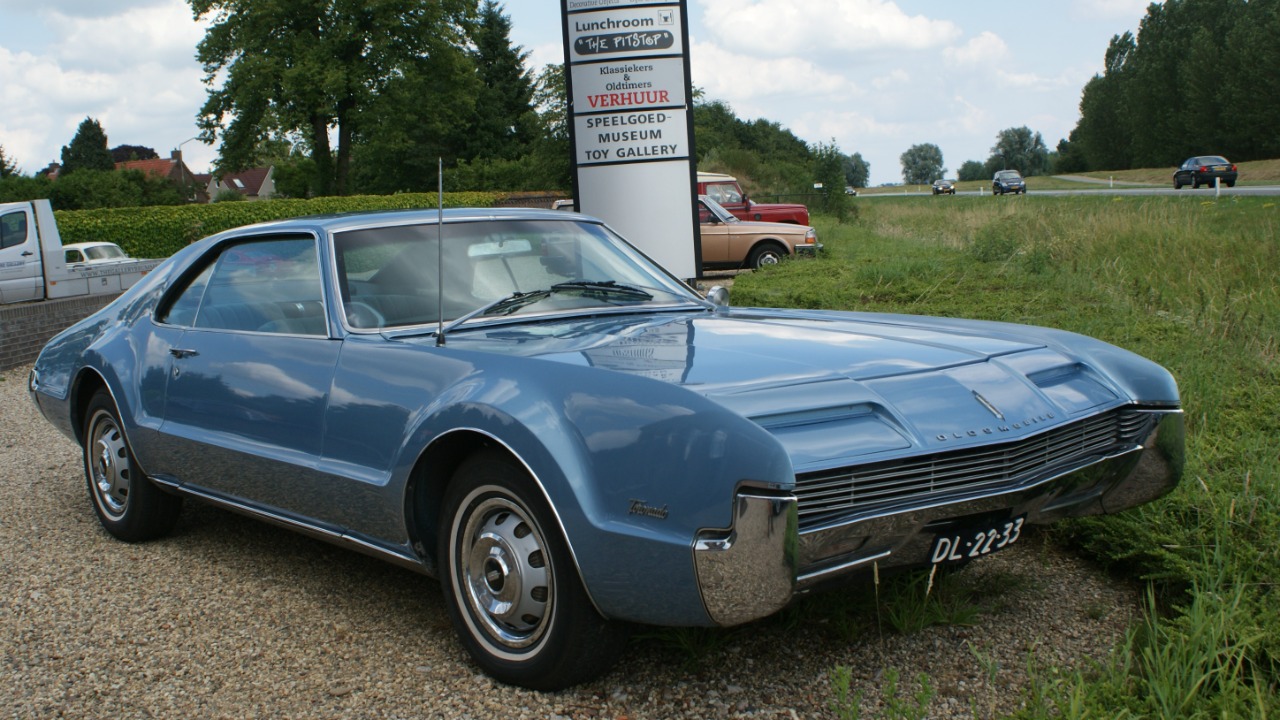
Front-wheel drive in a 385-horsepower personal luxury coupe? That’s what Oldsmobile brought to the table in ’66 with the Toronado. Its 425-cubic-inch Super Rocket V8 drove the front wheels through a new THM-425 transmission, creating a layout more common in European hatchbacks than American brutes.
Despite its bulk, the Toronado handled surprisingly well and looked nothing like its GM siblings. Hidden headlights, a flat decklid, and wide track gave it presence without the chrome overload. It was a different kind of performance car, and way ahead of its time.
1967 Toyota 2000GT
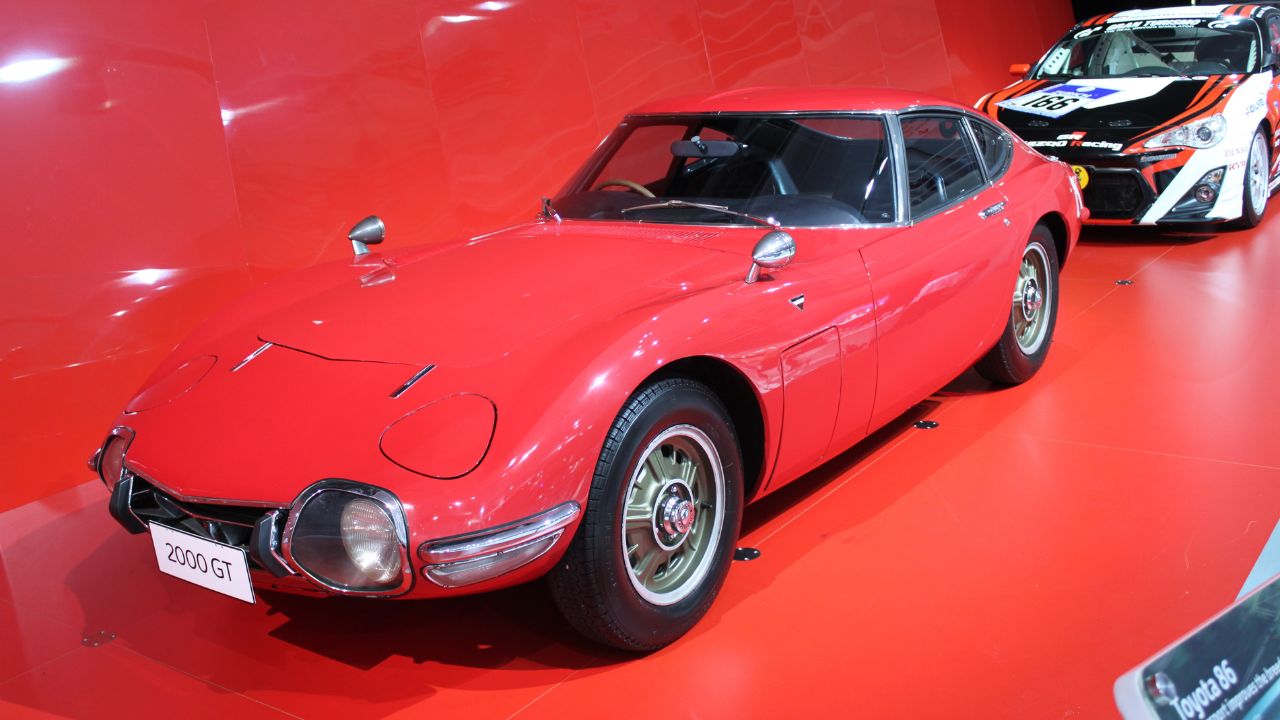
The 2000GT was Japan’s first true answer to the European sports car. Only 351 were built, and even fewer made it stateside. A 2.0-liter straight-six tuned by Yamaha made 150 hp, backed by a 5-speed manual and limited-slip differential.
Its styling echoed the E-Type, but with cleaner lines and a more refined cabin—complete with rosewood trim and a full set of Smiths-style gauges. Bond drove one (briefly) in You Only Live Twice, but it didn’t need the movie to become iconic. This was the car that changed how the world viewed Japanese performance.
1964 Pontiac GTO
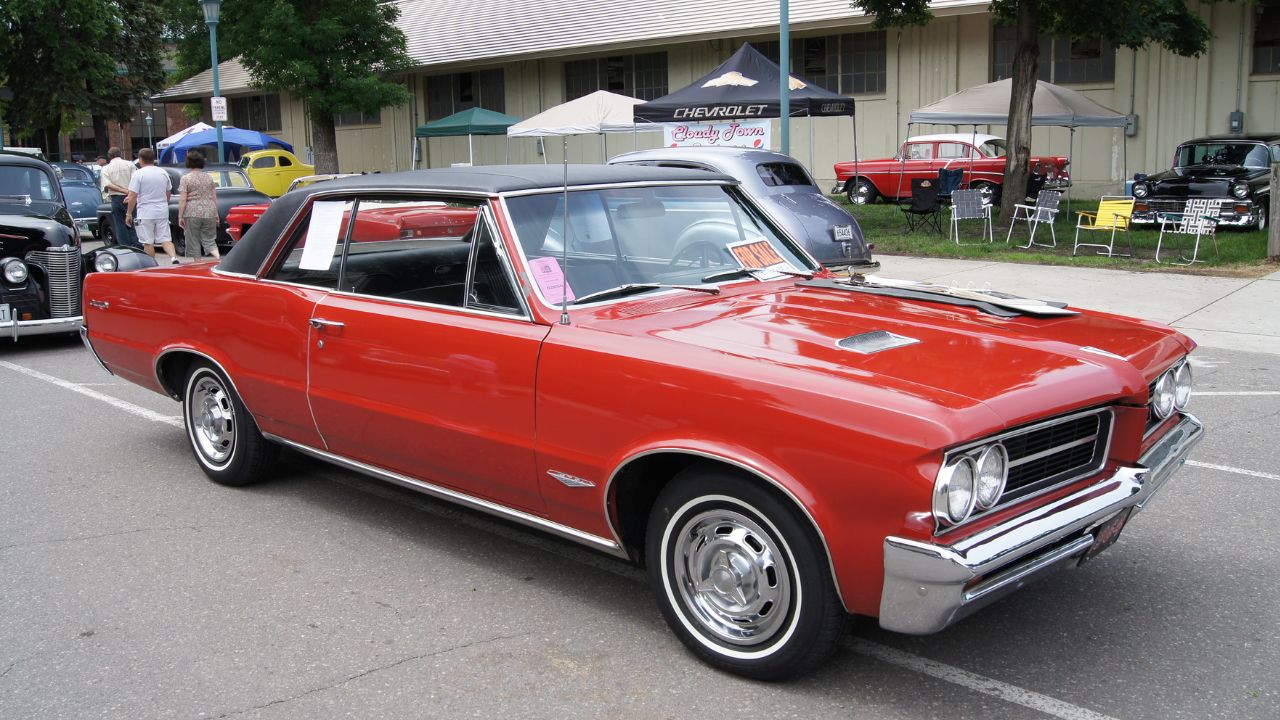
Pontiac snuck the GTO in under the radar by bundling a 389-cubic-inch V8 into the midsize Tempest as an option package. With up to 348 hp and Tri-Power carbs, it kickstarted the muscle car wars and gave GM’s brass a wake-up call in the process.
Buyers could order it with a 4-speed, dual exhaust, and even a tach mounted on the hood. The GTO didn’t just move fast—it sold fast too, proving that performance didn’t have to come in a full-size package. It wasn’t just cool—it rewrote the rulebook.
Like Fast Lane Only’s content? Be sure to follow us.
Here’s more from us:
*Created with AI assistance and editor review.