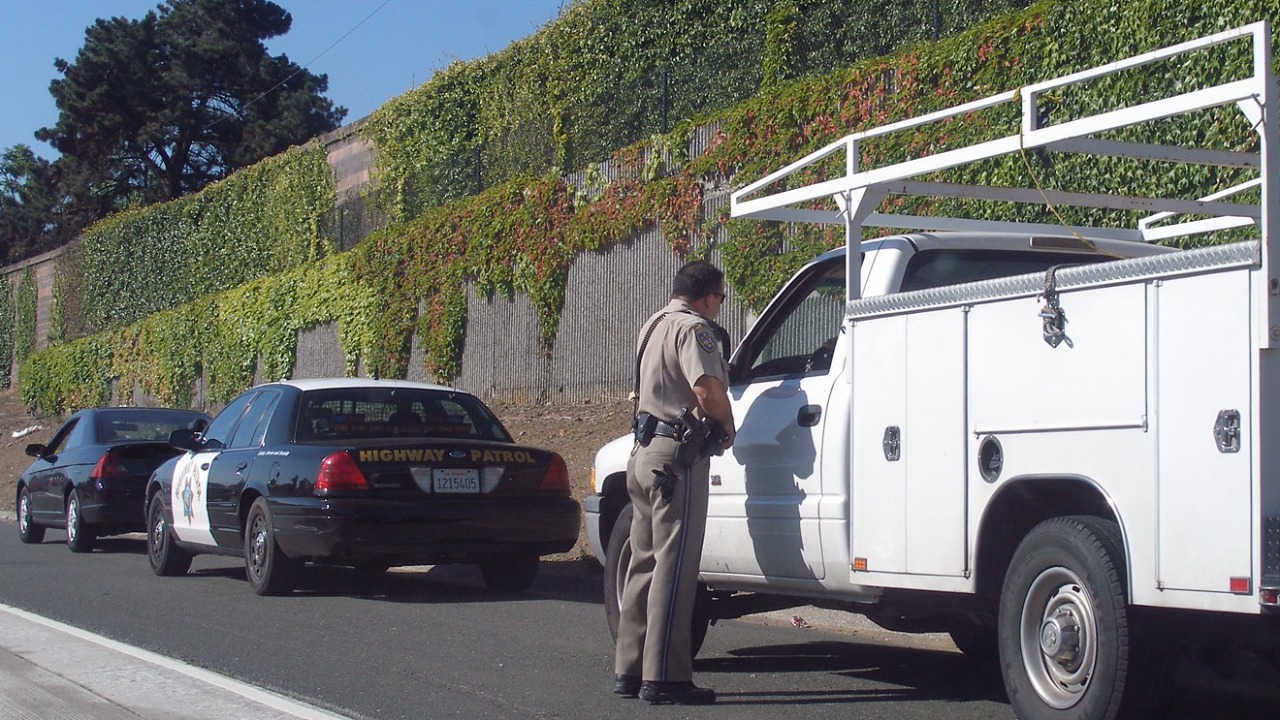
Police officers do not just pull drivers over for dramatic, high-speed chases. Often, it is the small, everyday habits that catch their eye first, including ones many of us think are completely harmless. A casual roll through a quiet stop sign, a “quick” text at a red light, or nudging a few miles over the limit to keep up with traffic can all quietly invite a traffic stop long before anything feels dangerous.
As traffic rules tighten and enforcement strategies evolve, those little choices matter more than ever. What feels like normal driving to you can look like a pattern of risk to an officer trained to spot early warning signs, and that gap in perception is exactly where a lot of drivers get surprised by flashing lights in the rearview mirror.
The everyday habits that put you on an officer’s radar
When I talk with traffic officers, one theme comes up again and again: they are not just hunting for the worst drivers, they are watching for the subtle cues that suggest trouble is brewing. Drifting within your lane because you are fiddling with a playlist, tapping the brakes repeatedly while you check a message, or rolling a few feet past the stop line at a quiet intersection all look minor from behind the wheel. From a patrol car, those same moves can resemble impairment, distraction, or impatience, and they give an officer a lawful reason to take a closer look.
Speed is the clearest example of how a “harmless” habit can escalate. Many drivers treat the posted limit as a suggestion, assuming that five or ten miles per hour over will be ignored if traffic is flowing. Yet traffic agencies are moving in the opposite direction, treating even modest speeding as a key risk factor for serious crashes. In guidance shared by Traffic Police, officials have already signaled that starting January 2026, stricter speeding penalties will increase demerit points and fines for most offenses, which means the same “just keeping up” habit that once drew a warning could soon cost you your license.
Why officers care about “minor” violations
From the driver’s seat, a stop for something small can feel nitpicky or even unfair. From the officer’s perspective, those small violations are often the first visible sign that something else is off. A car that rolls through a stop sign might be driven by someone who is exhausted after a long shift, a teenager still learning judgment, or a person who is impaired. The law gives officers authority to act on the behavior they can see, not the motive they cannot, so they use those minor violations as a doorway to check on the bigger picture.
Police departments also frame traffic enforcement as part of a broader safety mission, not just a ticket-writing exercise. Community-focused units like the Officers of the COPPS, who work on crime prevention and neighborhood outreach, explicitly encourage residents to make safety habits part of daily life, from locking doors to driving attentively. On their crime prevention resources page, the Officers of the COPPS unit urge families to treat prevention as an integral part of life, and that philosophy carries over to the road, where consistent enforcement of “small” rules is meant to prevent the kind of chaos that leads to serious crashes and crimes of opportunity.
How stricter penalties change the stakes for routine driving
When penalties are light, many drivers treat tickets as an occasional cost of driving, not a signal to change behavior. That calculus shifts quickly when fines climb and demerit points stack up. The announcement that, starting January 2026, Traffic Police will impose tougher penalties for speeding and other common violations is not just a bureaucratic tweak. It is a clear message that the margin for error on everyday habits is shrinking, and that what once earned a warning may now trigger a costly citation or even a suspension.
For anyone who spends long hours behind the wheel, whether commuting or driving for work, that change can be especially unforgiving. A delivery driver who routinely pushes the limit to hit deadlines, or a rideshare driver who glances at their phone for navigation updates, might rack up multiple infractions in a short period. With increased demerit points and fines for most offenses, as outlined in the OCR notice tied to the Traffic Police guidance, a pattern of “minor” stops can quickly snowball into lost income, higher insurance premiums, and, in the worst case, the loss of a livelihood.
Turning awareness into safer, less stressful drives
Knowing that officers are watching for small cues does not mean you have to drive in constant fear. It does mean that a few simple adjustments can dramatically lower your odds of being pulled over and, more importantly, reduce your risk of a crash. I focus on three habits: treating the speed limit as a ceiling, not a suggestion; coming to a full, deliberate stop at signs and red lights before creeping forward; and keeping my phone fully hands-free, with navigation and music set before I shift into gear. Those choices cost a few seconds, but they remove most of the behaviors that first attract an officer’s attention.
It also helps to think like the Officers of the COPPS unit and fold prevention into your routine. That might mean planning routes that avoid known high-enforcement corridors when you are tired, building in a few extra minutes so you are not tempted to rush, or using in-car features like adaptive cruise control on a Toyota Camry or Honda CR-V to keep your speed steady. When you treat safety as a habit rather than a reaction to tickets, you are less likely to drift into the gray areas that feel harmless but look risky from the outside.
What to do if you are stopped for a “harmless” habit
Even with the best intentions, most of us will eventually see those flashing lights in the mirror. When that happens, your behavior in the next few minutes can shape not only the outcome of the stop but also how stressful it feels. I always advise drivers to pull over promptly to a safe spot, roll down the window, keep both hands visible on the wheel, and wait for instructions. A calm, straightforward explanation of what you were doing, paired with a willingness to listen, often goes further than a defensive argument about whether the habit was really dangerous.
It is also worth remembering that officers are operating within policies that emphasize prevention and accountability. If you are cited, you have options: you can contest the ticket in court, ask whether a defensive driving course might reduce points, or, in some jurisdictions, seek a warning for a first offense. Whatever path you choose, the stop is a clear signal that a habit you considered harmless is now on the wrong side of evolving enforcement priorities. Taking that message seriously, especially as stricter regimes like the January 2026 Traffic Police penalties come into effect, is the surest way to keep your record clean and your drives uneventful.
More from Fast Lane Only