

Dan Wheldon’s story still shapes how I think about risk, courage and responsibility in motorsport. His death in a violent Las Vegas crash forced the sport to confront its own limits, yet his life and work continue to drive safety innovation, community rituals and a new generation of racers who carry his name and values forward.
More than a decade on, his influence is visible in the cars on track, the circuits that host them and the families and fans who still gather to remember a driver whose legacy has only grown more powerful with time.
The racer who became a reference point
To understand why Dan Wheldon still matters, I start with the scale of what he achieved before Las Vegas. Daniel Clive Wheldon, known to fans as Dan Wheldon, was a British driver who rose through junior categories to win the 2005 IndyCar Series championship and twice triumph at the Indianapolis 500, turning the No. 26 and later the No. 98 into symbols of relentless speed and racecraft. His final victory came at the iconic 500, where he capitalized when J.R. Hildebrand crashed on the last turn, a reminder of how thin the margins are at 220 miles per hour and how quickly fortunes can flip for any driver on the limit.
That blend of talent and tenacity is why, when people inside the paddock talk about a “true racer,” they still reach for his name. In longform remembrances, colleagues describe Dan Wheldon as a best friend, teammate, prankster, competitor, dad, husband and son, someone who could switch from fierce rival to supportive mentor in the space of a debrief. That multidimensional presence, not just his trophies, is what turned him into a reference point for how a modern IndyCar driver can be both ruthless on track and generous off it.
A crash that forced the sport to look in the mirror
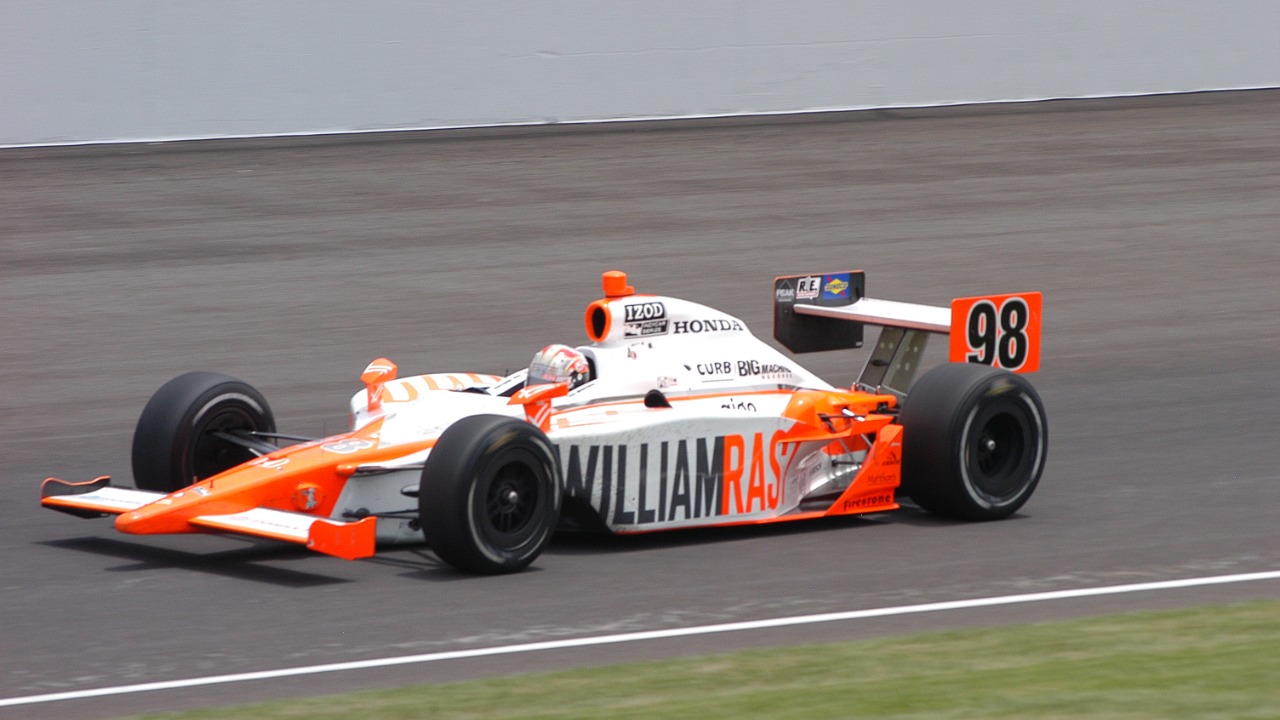
Wheldon’s fatal accident in Las Vegas did more than shock fans, it stripped away any illusion that top-level open-wheel racing had outgrown its most basic risk. In the immediate aftermath, seasoned observers repeated a blunt truth: Which highlighted the need to use circuits purpose-built for racing, with wide, spacious run-off areas ringed with tyre barriers, and underlined one of the fundamental differences between oval and road racing. The Las Vegas track configuration, the size of the field and the pack-style racing all came under scrutiny as the sport asked itself how much danger it was willing to accept as part of the show.
That reckoning extended beyond IndyCar’s own paddock. Formula 1 champions and other elite drivers spoke openly about the emotional toll, with tributes recalling how Dan was on their minds during a five-lap salute in Las Vegas and how their shared stories and fun off track made the loss feel personal. When world champions talk about American ovals as a unique challenge and point to Wheldon’s crash as a line that cannot be crossed again, it cements his accident as a turning point in how global motorsport thinks about acceptable risk.
The safety revolution he helped accelerate
What makes Wheldon’s legacy unusually powerful is that he was not just a victim of unsafe conditions, he was already working on the solutions. In the months before his death, Wheldon had been testing safer cars for IndyCar, helping to develop a new chassis that would better protect drivers in high-speed impacts. His final victory at the 500, secured after rookie leader J.R. Hildebrand’s late crash, came while he was already deeply involved in that test program, a rare case of a reigning Indianapolis winner spending his time pounding around in prototype machinery for the benefit of others rather than chasing a full-season seat.
Those efforts fed directly into the technical overhaul that followed. Ahead of the next season, series officials made it clear that One of the biggest changes would be the introduction of the new Dallara Indy car, which would debut Sunday with redesigned bodywork and safety structures. Engineers focused on features such as bodywork to cover the rear tires and reduce the risk of cars launching over one another, a concept that had been discussed for years but only gained unstoppable momentum after Wheldon’s crash.
Even outside the official development program, his death reframed the safety debate. Analysts asked bluntly in pieces titled Dan Wheldon Crash and How Will Shocking Death Change Sport Safety Regulations whether the series had been too slow to adopt ideas like wheel guards, cockpit protection and stricter standards for track selection. The consensus that emerged, that if there was any silver lining it would be a relentless push to cover the rear tires and tame pack racing, is now baked into how teams and officials talk about every new rules package.
The rituals and races that keep his name alive
Legacy is not just policy, it is also the way a community chooses to remember someone, and in Wheldon’s case those rituals are unusually vivid. On the tenth anniversary of his death, the NTT INDYCAR SERIES shared a simple message, “You’ll always be our Lionheart,” alongside a tribute video that captured his nickname and competitive spirit, a moment that fans could revisit with a single Share Video click. The choice of “Lionheart” was not accidental, it reflected how rivals saw him as fearless in traffic yet open-hearted in the garage, a driver who would throw a late move into Turn 1 and then crack a joke in the drivers’ meeting.
That emotional connection has been institutionalized in events that carry his name. In St. Petersburg, where IndyCar opens its season on city streets, a charity pro-am karting event now honors him at the T4 Cart Plex just south of the Skyway Bridge, turning a local facility into a gathering point for pros, amateurs and families who want to race for causes he cared about. The fact that drivers still clear their schedules for a grassroots kart race, well before all the action downtown, shows how his memory functions as a kind of social glue for the paddock.
Family, storytelling and the next generation
For Wheldon’s family, keeping his legacy powerful has meant turning grief into narrative and mentorship. His relatives and close friends have embraced longform storytelling, including a video essay titled Lionheart that opens with the admission that “it’s been a while” since the creator did a video and that this one would be a little different, focused on memory rather than lap times. That kind of content, intimate and reflective, helps younger fans who never saw him race understand why older ones still talk about his racecraft, his pranks and his habit of checking in on mechanics after long nights in the garage.
His influence also runs through the careers of his children, who have taken up karting and junior formulas with the same intensity that defined their father, and through the way veteran drivers talk to rookies about risk. When I hear experienced racers explain to newcomers that “motorsport is dangerous” and that no amount of technology can erase that, I hear the echo of the early commentary that followed Wheldon’s death, which insisted that the sport must respect its own limits without pretending it can ever be safe in an absolute sense. That balance, between ambition and humility, is now part of the unwritten curriculum for any young driver coming into IndyCar.
Why his legacy still feels urgent
What keeps Dan Wheldon’s impact from fading into nostalgia is that the issues his life and death raised are still live debates. Every time series officials weigh whether a new venue is suitable, they are implicitly revisiting the questions that surfaced after Las Vegas about banking, catch fencing and whether a track is truly purpose-built for open-wheel cars. Every time a new chassis or aero kit is proposed, engineers and drivers look back at the Dallara Indy redesign that arrived after his crash and ask whether they are honoring the spirit of that safety revolution or drifting back toward spectacle at any cost.
At the same time, the human side of his story continues to resonate in a sport that often struggles to show vulnerability. When I watch drivers line up for a memorial lap or gather at a kart track to raise money in his name, I see a community that has chosen to remember not just the violence of his final accident in Las Vegas but the fullness of the person they lost. That choice, to keep telling stories about the British champion who was as quick with a joke as he was in traffic, is why his legacy remains not just intact but active, a living standard against which modern IndyCar still measures its courage, its conscience and its care for the people who strap into the car.




Leave a Reply