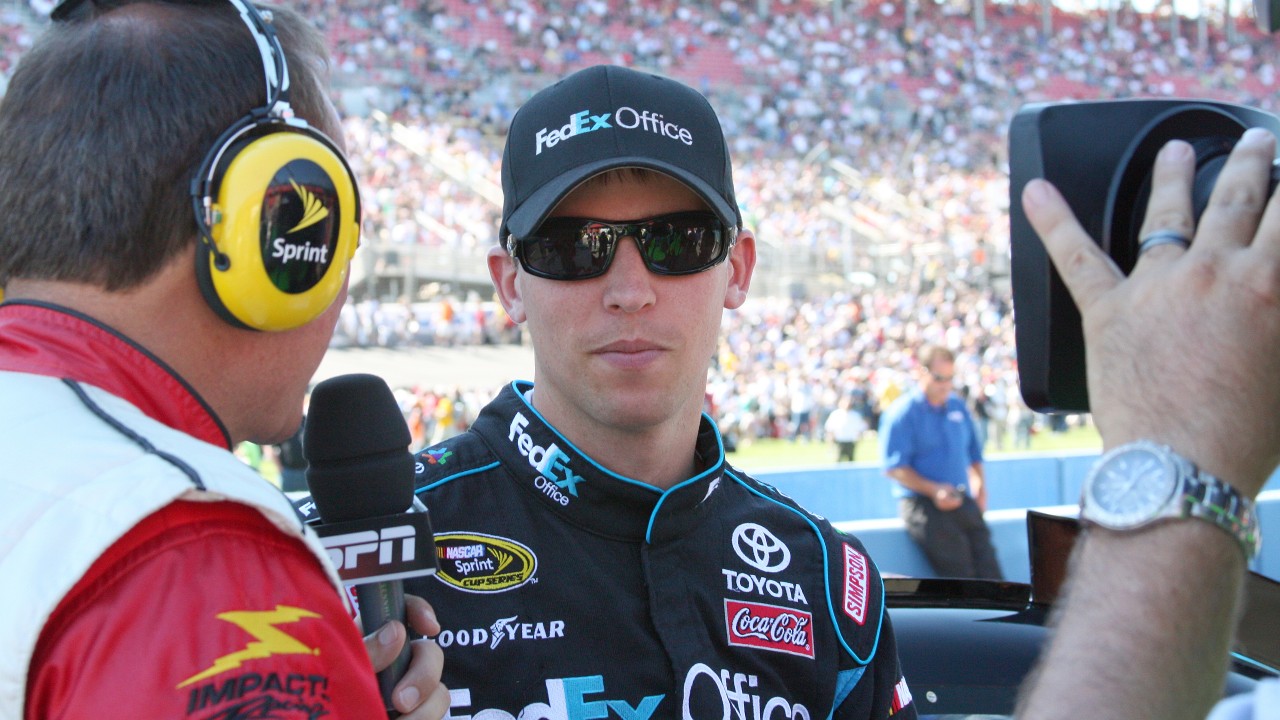
Denny Hamlin’s antitrust fight with NASCAR is officially over, but his battle with SiriusXM NASCAR Radio is only getting louder. Fresh off a settlement that reshaped the charter landscape, Hamlin is now publicly pressing the network’s Channel 90 personalities for an on-air apology over what he views as months of mischaracterization and personal shots tied to his 23XI Racing lawsuit.
In pushing for that accountability, Hamlin is not just settling a score with a few radio hosts. He is challenging how influential NASCAR media framed a landmark case, arguing that the same voices who questioned his motives and predicted failure should now acknowledge how the outcome undercut their commentary.
From antitrust trial to public victory lap
The core of Hamlin’s frustration sits on a simple timeline: he and 23XI Racing took on NASCAR in federal court, endured a long trial, and then secured a settlement that restored charters and resolved the dispute with the league and Front Row Motorsports under undisclosed terms. Reporting on the antitrust case notes that the lawsuit ended after nine days in court, with the settlement restoring the charters that had been at the heart of the conflict and closing a high-stakes challenge to NASCAR’s control over team equity and long-term security. That outcome gave Hamlin tangible leverage when he turned back to the media voices that had framed the suit as a doomed or reckless gamble.
In the days after the settlement, Hamlin used social media to frame the result as validation, positioning himself as a driver-owner who had taken a risk to protect teams’ future value and won. Coverage of his comments describes him as “again at the center of NASCAR’s charter debate,” this time with a legal victory in hand and a willingness to confront how the story had been told while the case was active. The settlement, which followed eight or nine days of trial testimony depending on the account, allowed him to argue that his approach had forced change inside a system that had resisted it, and that the narrative from some corners of NASCAR media had not caught up to the reality of what the court outcome actually delivered.
Why Channel 90 is in Hamlin’s crosshairs
Hamlin’s focus on Channel 90 is not a spur-of-the-moment reaction to one bad segment. Reports note that his displeasure with the SiriusXM NASCAR Radio lineup dates back to the fall of 2024, when he publicly objected to how hosts on the network discussed his role in the charter dispute and the 23XI Racing case. He has pointed to specific shows on Channel 90 as examples of what he considers “spreading disinformation” about 23XI Racing and its legal strategy, and he has made clear that he has not forgotten those broadcasts even as the legal fight moved into a new year.
That history is why, once the settlement was announced, Hamlin quickly pivoted from courtroom arguments to media accountability. One detailed account notes that he is “looking for an apology from NASCAR Channel 90 after lawsuit settlement,” emphasizing that he has carried a mental ledger of comments from the previous season and now expects those same voices to revisit their takes. Another report underscores that his displeasure with the Channel 90 hosts “is not a new development,” reinforcing the idea that this is a long-running grievance rather than a single flare-up. In Hamlin’s telling, the settlement did not just close a legal chapter, it opened the door for him to demand that the radio network acknowledge how its coverage missed the mark.
Larry McReynolds, Brad Gillie and the accountability demand
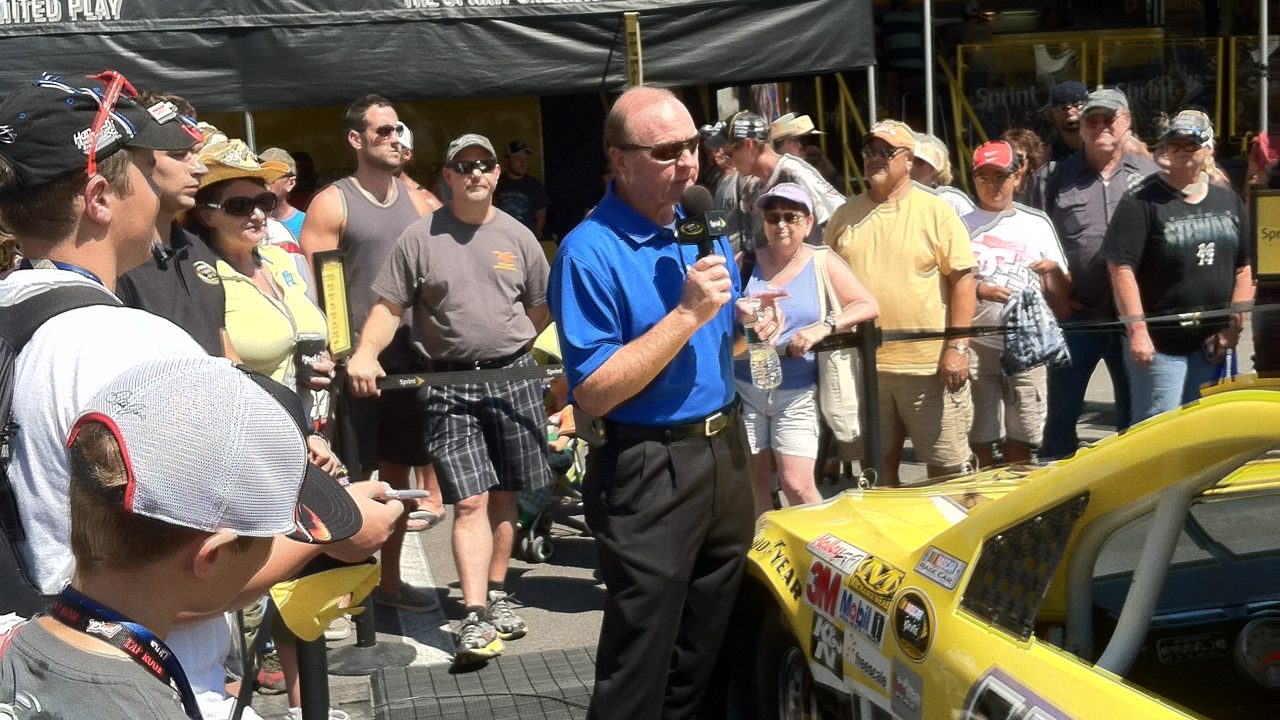
Within that broader critique of Channel 90, Hamlin has singled out specific personalities, most notably Larry McReynolds and Brad Gillie. One account explains that Hamlin had already called out Larry in November 2024 for “spreading disinformation” about 23XI Racing and the lawsuit, accusing the veteran analyst of misrepresenting both the team’s position and the potential impact of the case. After the settlement, Hamlin revisited those grievances, publicly tagging Larry and other SiriusXM NASCAR Radio hosts while asking whether they still stood by their earlier criticism now that the case had been resolved in his favor.
Another report details how, following his response to Larry Mac, Hamlin turned his attention to Brad Gillie, a host known to NASCAR fans from PRN. Hamlin’s message to Gillie was framed around “accountability,” with the driver-owner essentially warning that he remembers who said what during the trial and expects those comments to be addressed now that the outcome is clear. The coverage describes this as an “ominous” accountability message, underscoring that Hamlin is not treating this as lighthearted banter but as a serious challenge to the credibility of the hosts who questioned his motives and predicted negative consequences for the sport if his lawsuit succeeded.
Hamlin’s broader critique of NASCAR media
Hamlin’s push for an apology is part of a larger argument about how NASCAR media, and SiriusXM in particular, handled the 23XI Racing lawsuit. In his social posts after the settlement, he did not limit his criticism to one show or one host, instead addressing “Siri” and the broader NASCAR media ecosystem for what he saw as slanted or incomplete coverage. One detailed breakdown notes that Hamlin “challenges the NASCAR media” and specifically calls out past coverage of the lawsuit, suggesting that some outlets framed the case as a personal power play rather than a structural fight over charters and team value. By tying his criticism to the settlement, he is effectively saying that the legal result proves his case was more substantive and less self-serving than some commentary suggested.
Other reporting reinforces that theme, describing how Hamlin used his “victory lap” on the charter suit to call out SiriusXM NASCAR Radio and to echo political-style language about media bias. One piece notes that he approvingly referenced Karoline Leavitt in making his point, aligning his critique of NASCAR media with a broader skepticism toward established outlets. Another account explains that he addressed SiriusXM NASCAR Radio directly “after the settlement,” pressing the network to revisit its past segments and to correct what he views as inaccurate narratives about his intentions and the potential fallout of the lawsuit. In Hamlin’s view, the settlement did not just vindicate his legal strategy, it exposed weaknesses in how some of the sport’s most prominent commentators approached a complex, high-stakes story.
What the apology fight reveals about power in NASCAR
Hamlin’s demand for an apology is about more than bruised feelings. It highlights a shifting balance of power inside NASCAR, where driver-owners like Hamlin are increasingly willing to challenge both the sanctioning body and the media platforms that help shape fan opinion. One analysis of the settlement notes that Hamlin is “again at the center of NASCAR’s charter debate,” this time with a legal agreement that restores charters and signals that teams can push back on league structures and still find a path to compromise. By immediately turning that leverage toward SiriusXM hosts, he is sending a message that influential media voices are not above scrutiny when they weigh in on those power struggles.
The coverage of his post-settlement comments also underscores how personal this has become. Reports describe Hamlin “looking for an apology” and “demanding” one from a NASCAR show after the 23XI settlement, language that reflects a driver who is not content to let the scoreboard speak for itself. Instead, he is insisting that the people who doubted him acknowledge the result, a stance that could encourage other drivers and owners to push back more aggressively when they feel misrepresented. At the same time, the tension with Channel 90 and its hosts illustrates how intertwined NASCAR’s competitive, legal and media arenas have become, with a single antitrust case now rippling through radio studios, social feeds and the broader conversation about who gets to define the sport’s future.