
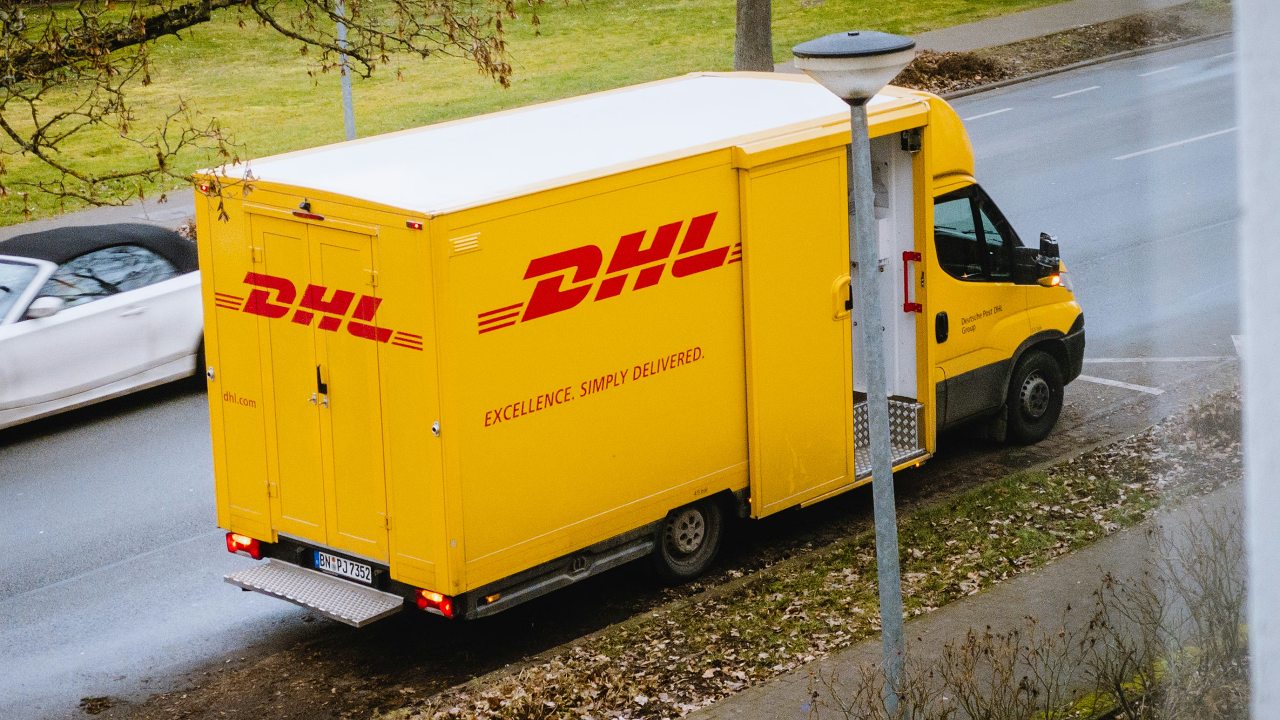
DHL has quietly crossed a line that the freight world has been eyeing for years, putting a Tesla Semi into day-to-day work instead of keeping it in the prototype spotlight. By taking delivery of its first all electric Class 8 truck and slotting it into a real California route, the company is signaling that battery powered heavy hauling is moving from experiment to execution.
I see this first truck less as a one off headline and more as an early chapter in a much larger rollout. DHL Supply Chain is already talking about additional Tesla Semi units, a broader Class 8 electric fleet, and a direct link between these trucks and its long term decarbonization goals, which suggests this is the start of a structured deployment rather than a publicity stunt.
Why DHL’s first Tesla Semi matters for freight, not just headlines
The arrival of a Tesla Semi in DHL operations matters because it puts one of the most hyped electric trucks into the hands of a global logistics heavyweight that lives and dies by reliability. DHL Supply Chain has received its first all electric heavy duty vehicle as part of its Class 8 fleet, positioning the truck as a working asset that must hit schedules, not just a demo unit that shows up at trade shows. In corporate language, the company is framing this as a “New Heavy Duty Electric Vehicle” that expands its Class 8 EV fleet and advances its decarbonization goals, which is a careful way of saying the truck has to pull its weight in both freight and emissions terms.
What stands out to me is how directly DHL is tying this single truck to its net zero strategy. The company has been explicit that its heavy duty electric vehicles are part of a broader push toward a net zero carbon supply chain, and the Tesla Semi is being folded into that plan rather than treated as a side project. In the official description of the deployment, DHL Supply Chain North America links the Semi to its existing Class 8 EV operations and to a longer term decarbonization roadmap, which suggests internal expectations around uptime, route fit, and measurable emissions reductions are already baked in.
Inside DHL’s California deployment and the first long haul route
DHL is not hiding this truck in a short shuttle loop behind a warehouse. The company has placed its first Tesla Semi into its California fleet, where it is running along a long haul route of about 390 miles that is described as a net zero carbon lane. That choice of corridor matters, because it tests the Semi on a distance that pushes beyond local drayage and into the kind of regional haul that dominates a lot of U.S. freight. By putting the truck into California operations, DHL is also aligning the deployment with a state that has aggressive clean trucking rules and a growing charging ecosystem, which can make or break early electric Class 8 experiments.
The California deployment is being treated internally as a milestone, with DHL celebrating what it calls the very first Tesla Semi delivery in the state and highlighting that the truck has joined its operations after a successful pilot phase. The company has described the route as a long haul lane that is part of its net zero carbon push, and it has emphasized that the Semi is now integrated into its regular California fleet rather than running as a one off test. That framing tells me DHL believes the truck can handle real world duty cycles on a 390 mile route while still fitting into its broader emissions accounting.
From one truck to a fleet: DHL’s roadmap for more Tesla Semis
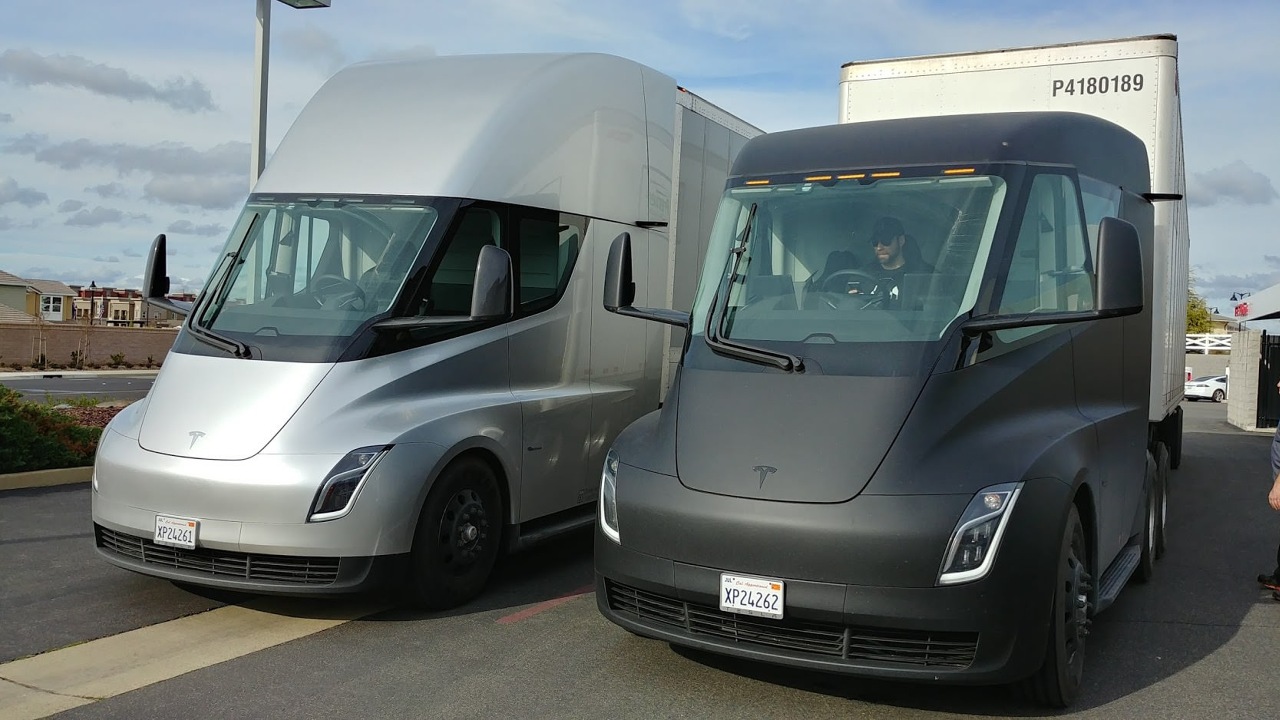
One truck does not make a revolution, and DHL seems very aware of that. The company is already signaling that more Tesla Semi units are on the way, with additional deliveries expected in 2026 as part of a plan to grow its electric truck fleet. In its own description of the rollout, DHL notes that the Tesla Semi joins an existing Class 8 EV fleet and that the new heavy duty electric vehicle is meant to expand that footprint rather than stand alone. That language, paired with references to future deliveries, reads like a clear intention to scale up once the first truck proves out its route and charging pattern.
There is also a broader corporate context here. DHL has tied its electric truck investments to a long term net zero goal by 2050, and it has described its Tesla Semi deployment as one piece of that decarbonization puzzle. Reporting on the California integration notes that the company plans to grow its EV truck fleet in 2026 as part of this net zero strategy, which suggests that procurement, infrastructure planning, and route selection for additional Semis are already in motion. I read that as a sign that DHL is treating the first Semi as a template for a wider rollout, not as a science project that might quietly fade away.
How DHL’s move fits into the wider Tesla Semi customer landscape
DHL is not the first name that comes up when people talk about early Tesla Semi customers, and that is part of what makes this deployment interesting. PepsiCo remains the largest early buyer, and other big shippers like Sysco, Walmart, and Costco are either trialing the truck or preparing for their own deployments. DHL’s decision to integrate a Tesla Semi into its California fleet puts a major third party logistics provider into that mix, which broadens the profile of companies that are willing to bet on the platform.
From my perspective, this matters because it shows the Semi moving beyond vertically integrated shippers that can control every aspect of their freight network. DHL Supply Chain operates as a contract logistics provider, which means it has to balance the needs of multiple customers while still hitting its own net zero targets. By taking delivery of its first Tesla Semi electric truck and tying it directly to its net zero carbon push, DHL is effectively telling its clients that battery electric heavy duty vehicles are ready to be part of mainstream contract logistics, not just captive fleets at beverage or retail giants.
The operational and climate stakes of scaling electric Class 8 trucks
Putting a single Tesla Semi on a 390 mile California route will not decarbonize global freight, but it does start to answer some of the practical questions that have hovered over electric Class 8 trucks. DHL is using this truck as part of its Class 8 EV fleet, which means it has to integrate charging schedules, driver training, and maintenance routines into an existing network that was built around diesel. The company’s own framing of the vehicle as a New Heavy Duty Electric Vehicle that expands its Class 8 EV fleet suggests that it is already tracking how the Semi affects route planning, turnaround times, and total cost of ownership.
At the same time, the climate stakes are baked into every description DHL gives of the deployment. The company repeatedly links the Tesla Semi to its net zero carbon push and to its long term net zero goal by 2050, positioning the truck as a tool for measurable emissions reductions rather than a symbolic gesture. By running the Semi along a net zero carbon long haul route in California and planning additional deliveries in 2026, DHL is effectively using this first truck as a proof point that heavy duty electric vehicles can handle real freight while chipping away at the sector’s carbon footprint. If that proof holds, the first DHL Tesla Semi will look less like a novelty and more like the moment a major logistics player decided electric heavy hauling was ready for prime time.




Leave a Reply