
Hybrid vehicles are becoming increasingly popular due to their fuel efficiency and environmental benefits, but questions remain about their capability in areas traditionally dominated by conventional engines. One such area is towing capacity, a critical factor for many drivers who need to transport trailers, boats, or other heavy loads. Prospective buyers often wonder if hybrids have the power needed for towing and what factors they should consider.
Understanding Hybrid Powertrains
Hybrid powertrains blend the best of both worlds by combining electric motors with internal combustion engines to deliver a balanced power output. These engines work together to provide efficiency and performance. The electric motor typically assists the gasoline engine during acceleration, while also allowing for regenerative braking, which recharges the battery and improves fuel economy.
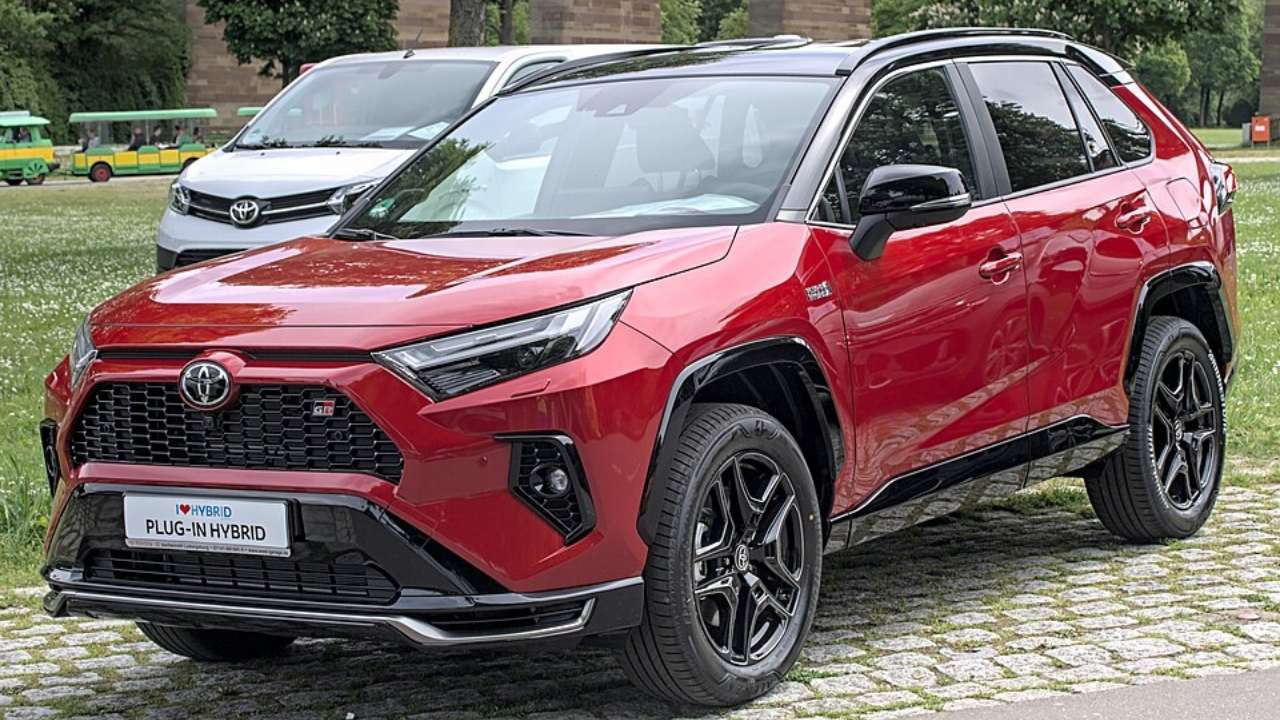
There are several types of hybrid systems, each influencing towing capacity differently. Parallel hybrids, like the Toyota RAV4 Hybrid, use both the engine and electric motor to drive the wheels simultaneously. Series hybrids, such as the BMW i3 with Range Extender, solely rely on the electric motor for propulsion, with the gasoline engine acting as a generator. Plug-in hybrids, like the Ford Escape PHEV, offer the flexibility of short electric-only trips with the backup of a gasoline engine for extended ranges. Each system’s towing capacity can vary, often detailed in terms of horsepower and torque, which are crucial metrics when evaluating a vehicle’s ability to tow heavy loads.
Challenges of Towing with Hybrids
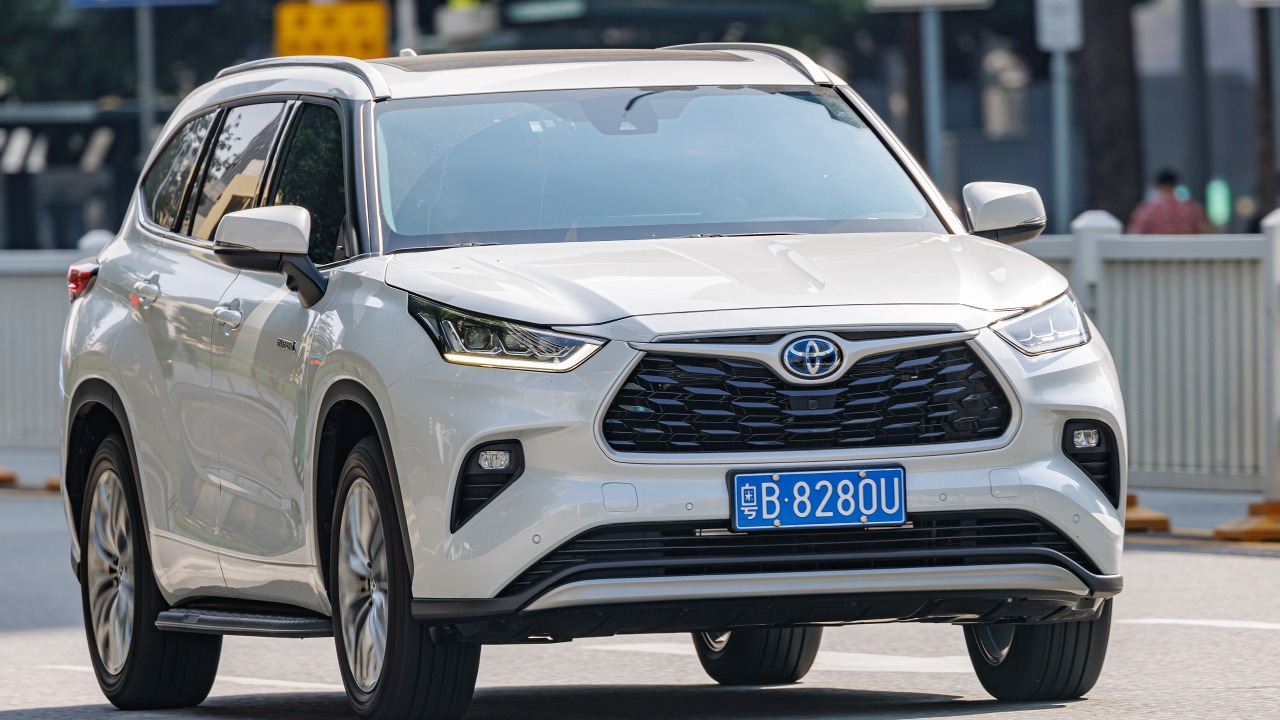
One of the primary challenges hybrids face when towing is battery limitations. The size and capacity of a hybrid’s battery can significantly impact its towing ability and performance. For example, while a vehicle like the 2025 Toyota Highlander Hybrid offers a towing capacity of up to 3,500 pounds, exceeding this limit can strain the battery, reducing its efficiency and lifespan.
Another concern is cooling and temperature management. Towing puts additional stress on a vehicle’s powertrain, leading to potential overheating issues. Many hybrids incorporate advanced cooling systems to mitigate these risks, but it’s crucial to monitor the vehicle’s temperature gauge, especially during extended towing. Additionally, towing can affect a hybrid’s energy consumption and range. For instance, the 2025 Hyundai Santa Fe Hybrid may see a reduction in its electric range when towing a heavy trailer, necessitating more frequent fuel stops.
Hybrid Models Suited for Towing
Several hybrid models are specifically designed with towing in mind. The 2025 Ford Maverick Hybrid, for instance, can tow up to 2,000 pounds, making it suitable for small trailers and boats. Similarly, the 2025 Kia Sorento Hybrid offers a towing capacity of 2,000 pounds, providing versatility for light-duty towing needs.
When comparing these hybrids to conventional vehicles, it’s clear that while they may not match the towing prowess of a diesel-powered truck, they offer a compelling mix of efficiency and capability for many drivers. Innovations in hybrid technology continue to improve towing capacities, with future models promising even more enhanced capabilities. The 2025 Jeep Wrangler 4xe, for example, combines off-road prowess with a towing capacity of up to 3,500 pounds, showcasing the potential of hybrids in this field.

Leave a Reply