
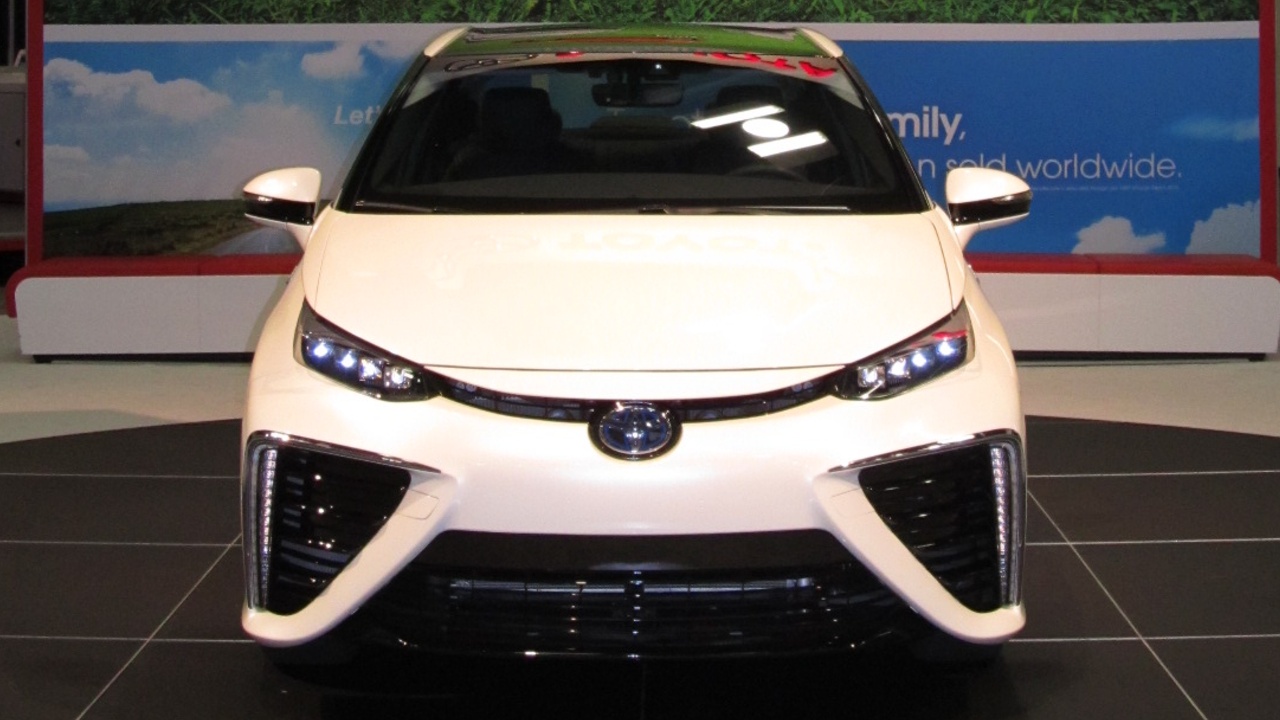
Hybrids have become increasingly popular as consumers prioritize fuel efficiency and environmental impact. However, potential buyers often wonder if these vehicles maintain their value over time compared to traditional gasoline cars. Factors such as technological advancements, market dynamics, and maintenance costs play a crucial role in determining their long-term value.
Understanding Vehicle Depreciation
Vehicle depreciation refers to the reduction in a car’s value over time, influenced by factors like age, mileage, condition, and market trends. Typically, a new car loses about 20% of its value within the first year and 15% each subsequent year. Hybrids, like traditional vehicles, follow this trend but are subject to additional variables, such as battery life and technological obsolescence, impacting their depreciation rates.
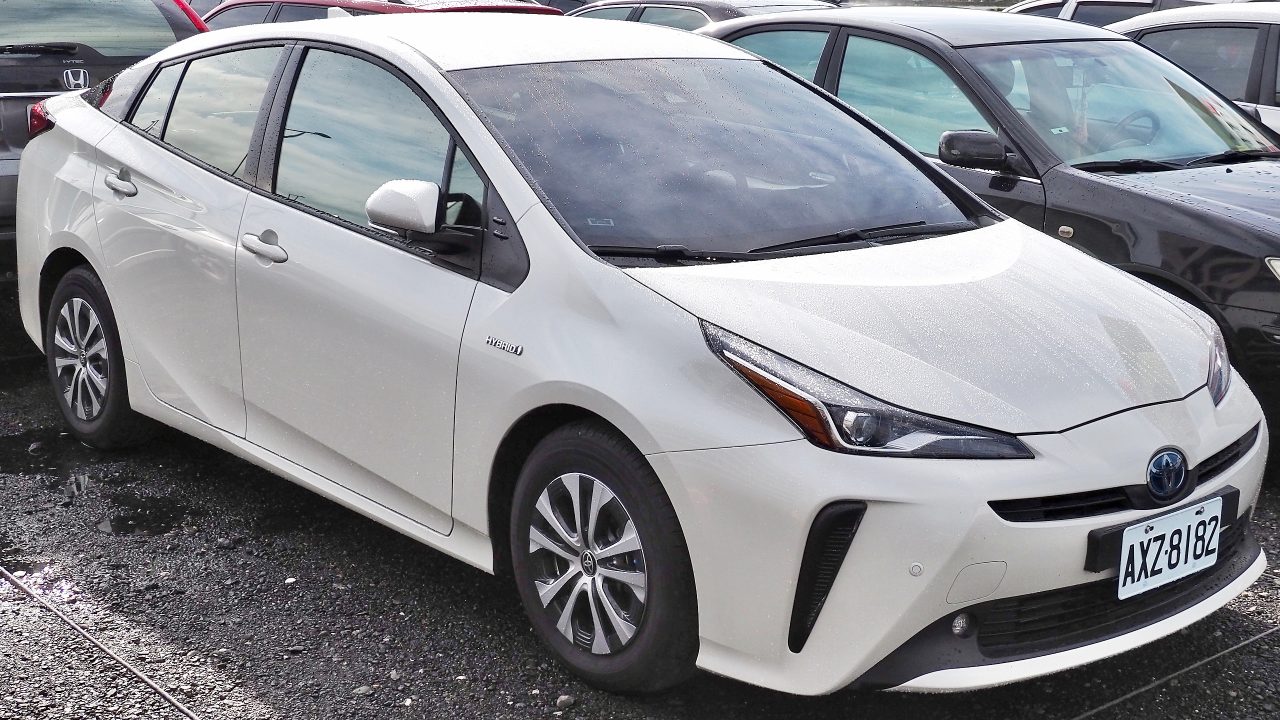
When comparing hybrid vehicles to their conventional counterparts, hybrids often have slightly higher depreciation rates. For instance, a 2020 Toyota Prius might depreciate more quickly than a similar model Toyota Corolla. This difference can be attributed to the higher initial purchase price of hybrids and consumer concerns about battery longevity and replacement costs.
Technological advancements significantly affect the depreciation of hybrid vehicles. As newer hybrid models with improved fuel efficiency and advanced features enter the market, older models may depreciate faster. The rapid pace of innovation can leave previous models outdated, affecting their resale value. However, this can also work in favor of hybrids, as advancements tend to enhance performance and appeal, potentially stabilizing value over time.
Market Trends in Hybrid Vehicles
The demand for hybrid vehicles has been steadily rising, thanks in part to increasing environmental awareness and fluctuating fuel prices. This growing popularity can bolster the resale value of hybrids, as more buyers look to adopt eco-friendly transportation options. Models like the Honda Accord Hybrid and Ford Escape Hybrid have seen increased consumer interest, which can positively impact their long-term value retention.
Supply and demand dynamics play a crucial role in the depreciation of hybrid vehicles. Limited supply, coupled with growing demand, tends to support higher resale values. However, the introduction of newer models or increased production can shift this balance, potentially lowering the value of older hybrids. For instance, the anticipated release of the 2024 Hyundai Ioniq 6 could influence the market for previous Ioniq models.
Brand reputation is another crucial factor influencing the long-term value of hybrids. Established brands like Toyota and Honda, known for producing reliable hybrid models, often enjoy better value retention. Consumers are generally more confident in the longevity and performance of these brands, which can lead to higher resale prices compared to less reputable manufacturers.
Maintenance and Longevity of Hybrids
The cost of ownership for hybrid vehicles can vary significantly compared to traditional cars. While hybrids tend to have lower fuel costs, their maintenance expenses can be higher due to specialized components. Regular maintenance, including battery checks and system diagnostics, is essential to ensure optimal performance and longevity, which can help preserve the vehicle’s value.
Battery life and replacement costs are significant considerations for hybrid owners. The average hybrid battery lasts between 8 to 10 years, with replacement costs ranging from $2,000 to $8,000, depending on the model. For example, replacing the battery in a Toyota Prius can cost around $3,000 to $4,000. While these costs might seem daunting, the reliability of hybrid batteries has improved, and many manufacturers offer warranties that cover battery replacements, which can help mitigate depreciation concerns.
Reliability and warranty coverage play a critical role in the value retention of hybrid vehicles. Manufacturers like Toyota and Honda offer extensive warranties on their hybrid components, providing peace of mind to buyers and supporting resale value. A well-maintained hybrid with a solid track record of reliability is likely to retain its value better than a similar gas-only vehicle.
Environmental and Economic Incentives
Governmental incentives, such as tax credits and rebates, can significantly influence the initial cost and future resale value of hybrid vehicles. In the United States, federal tax credits for hybrids can range from $1,500 to $7,500, depending on the model and battery capacity. These incentives make hybrids more attractive to buyers, potentially bolstering their resale value in the long term.
Fuel efficiency savings are a primary driver for hybrid vehicle purchases. The ability to achieve higher miles per gallon (MPG) than traditional gasoline cars offers significant savings over a vehicle’s lifetime. For example, the Toyota Camry Hybrid boasts an EPA-estimated 52 MPG combined, which can lead to substantial fuel cost savings, enhancing the vehicle’s overall value proposition.
The resale market for eco-friendly vehicles is growing, as consumers become more environmentally conscious. This increase in demand for sustainable vehicles can positively impact the value retention of hybrids. Models like the Tesla Model 3 and Chevrolet Bolt have shown strong resale values due to their eco-friendly appeal and technological advancements.
Consumer Perceptions and Future Outlook
Consumer attitudes towards hybrid vehicles have evolved significantly over the years. Initially viewed with skepticism, hybrids are now recognized for their fuel efficiency, lower emissions, and advanced technology. This shift in perception has contributed to stronger resale values, as more buyers are willing to invest in hybrids for their long-term benefits.
Looking ahead, future developments in hybrid technology and market trends could influence depreciation rates. The introduction of plug-in hybrids and advancements in battery technology may further enhance the appeal of hybrids, potentially stabilizing or even improving their resale value. Additionally, the increasing focus on reducing carbon footprints and government regulations may drive further demand for hybrids.
Evaluating whether hybrids are a sound investment for consumers involves considering various factors, including initial purchase price, long-term maintenance costs, and potential savings. While hybrids may depreciate faster than some traditional vehicles, their fuel efficiency, environmental benefits, and technological advancements offer a compelling case for long-term value retention. Consumers looking to invest in a hybrid should weigh these factors carefully to determine the best fit for their needs.




Leave a Reply