

Hybrid vehicles have become increasingly popular due to their fuel efficiency and lower environmental impact, but how do they perform on highways? Delving into their capabilities, particularly in high-speed, long-distance driving, provides valuable insights for both potential buyers and current owners.
Understanding Hybrid Technology
Types of Hybrids
Hybrid vehicles come in various forms, each with unique characteristics impacting their highway performance. Full hybrids, like the 2025 Toyota Prius, can run either on electric power alone or by combining it with gasoline, providing flexibility at different speeds. Mild hybrids, such as the 2025 Honda Insight, primarily use their electric motors to assist the gasoline engine, offering limited electric-only operation. Plug-in hybrids, exemplified by the 2025 Ford Escape PHEV, come with larger batteries that allow for extended electric-only driving ranges, ideal for those who can charge frequently.
Energy Sources and Management
Most hybrid systems are designed to intelligently manage energy sources, seamlessly switching between electric and gasoline power. At highway speeds, the gasoline engine often takes the lead, with the electric motor providing supplementary power when needed. This is especially useful in maintaining speed and efficiency. For instance, the 2025 Hyundai Ioniq’s system optimizes the balance between power sources to ensure fuel savings without compromising performance.
Battery and Regeneration Systems
Highway driving presents unique challenges for hybrid battery systems. While regenerative braking is less effective at high speeds, the energy captured during deceleration can still contribute to battery charging. However, the battery capacity’s significance diminishes compared to city driving, where frequent stops allow for more regeneration. This highlights the need for potential buyers to assess how much highway driving they typically do.
Performance on Highways
Fuel Efficiency
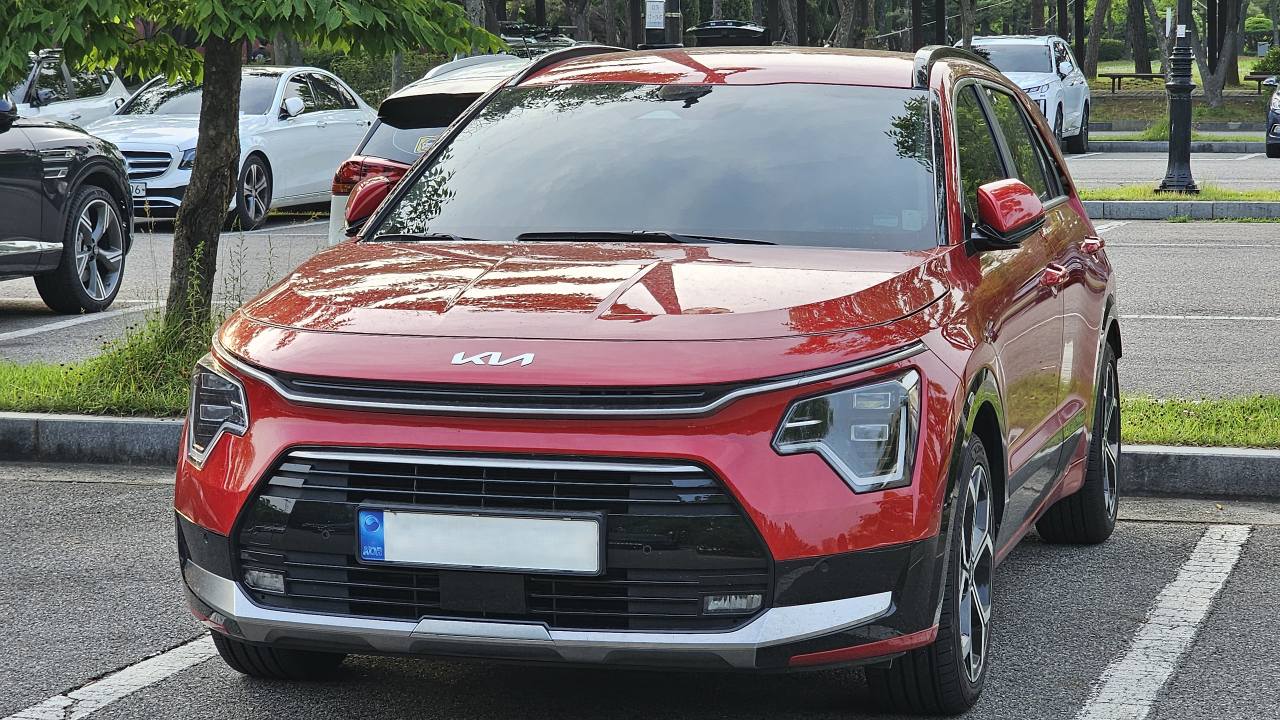
Hybrid vehicles often shine in city conditions due to their ability to operate on electric power at lower speeds. However, at highway speeds, fuel efficiency can sometimes decrease as the gasoline engine becomes the primary power source. Despite this, many hybrids, like the 2025 Kia Niro, still offer competitive fuel economy on highways, outshining many conventional vehicles.
Acceleration and Power
The acceleration capabilities of hybrids can vary. Models like the 2025 Lexus RX 450h provide impressive power when merging or overtaking, thanks to the combined output of their engines and electric motors. However, some hybrids may experience a slight lag in acceleration due to the transition between power sources, which potential buyers should consider based on their driving needs.
Ride Quality and Comfort
The ride quality of hybrids during long highway journeys is generally on par with traditional vehicles. Features such as advanced suspension systems and sound insulation, found in models like the 2025 Subaru Crosstrek Hybrid, ensure a comfortable ride by minimizing road noise and vibrations. As such, hybrids can be a comfortable choice for long-distance travel.
Pros and Cons of Highway Use
Advantages
Hybrid vehicles offer several advantages for highway driving. Reduced fuel costs and lower emissions are key benefits, particularly for those who spend significant time on the road. The 2025 Chevrolet Volt, for instance, combines an efficient powertrain with a comfortable ride, appealing to eco-conscious drivers who frequently commute long distances.
Limitations
On the downside, some hybrids may face limitations such as battery depletion and reduced regenerative braking effectiveness at high speeds. Moreover, performance trade-offs, like slightly reduced acceleration, may be noticeable compared to traditional vehicles. Buyers should weigh these factors against their driving habits.
Comparisons to Traditional Vehicles
When comparing hybrids to conventional gasoline and diesel vehicles, hybrids often excel in fuel efficiency and emissions. However, traditional cars may offer more consistent power and acceleration at high speeds. For instance, the 2025 BMW 3 Series may outperform a hybrid in outright acceleration, but at the cost of higher fuel consumption.




Leave a Reply