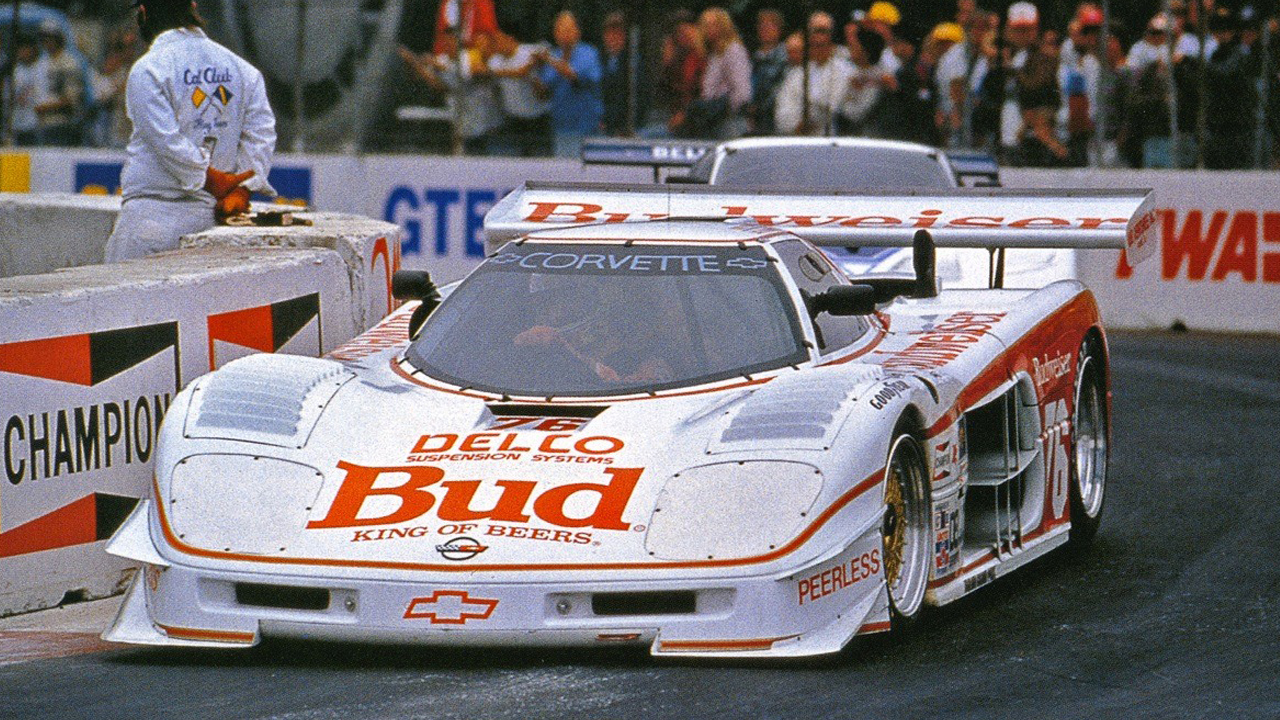
Drag racing, a sport known for raw power and blistering speed, has seen its fair share of controversial moments. Perhaps none are more intriguing than the cases of drag cars that were banned after just one race. Let’s explore these unique vehicles, the reasons for their bans, the technology they brought to the track, and the lasting impact they had on the sport.
Understanding the Drag Racing World
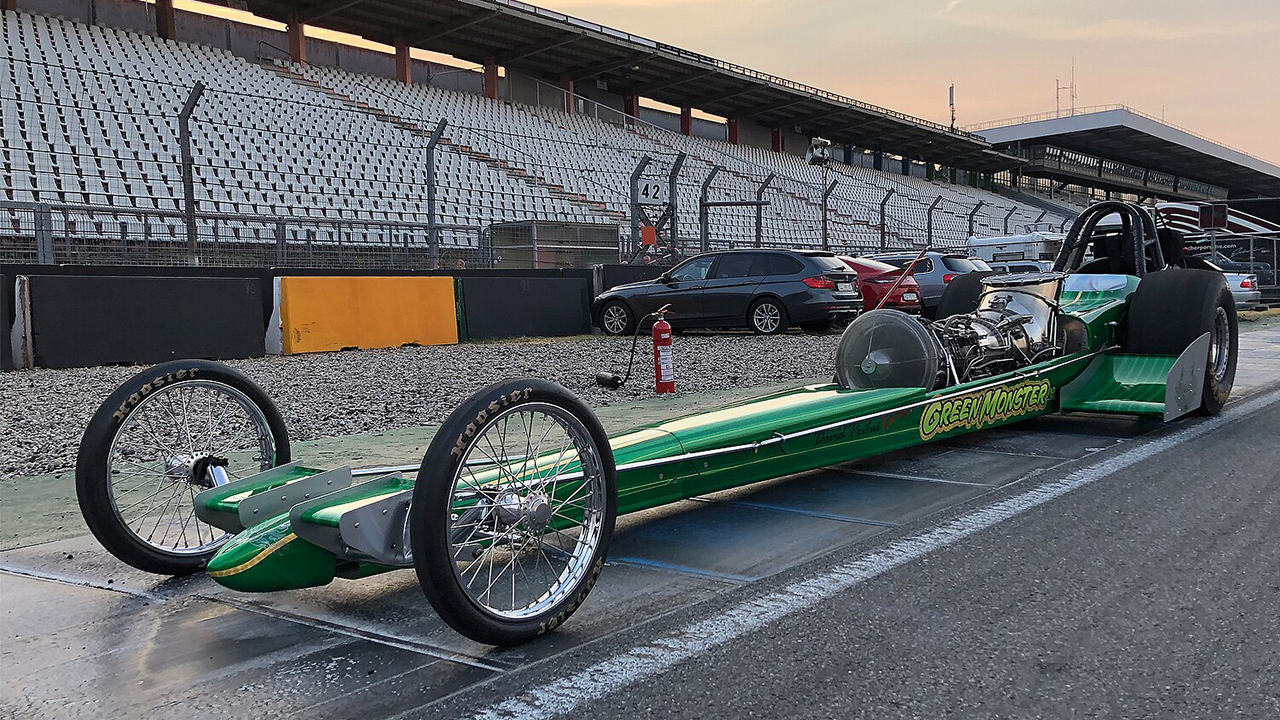
Drag racing is a test of acceleration, where two vehicles race from a standstill over a straight, measured distance. The basic mechanics center around power, weight, and traction; the car that can put the most power to the ground without losing traction usually wins. A winning drag car is a careful balance of these factors, and success often requires pushing the boundaries of technology and design. However, there’s a tension between innovation and regulation in drag racing. On one hand, the sport thrives on the constant evolution of technology. On the other, regulations are necessary to ensure fair competition and safety. It’s within this tension that we find the fascinating stories of drag cars that were banned after their first race.
Notable Drag Cars that Got Banned
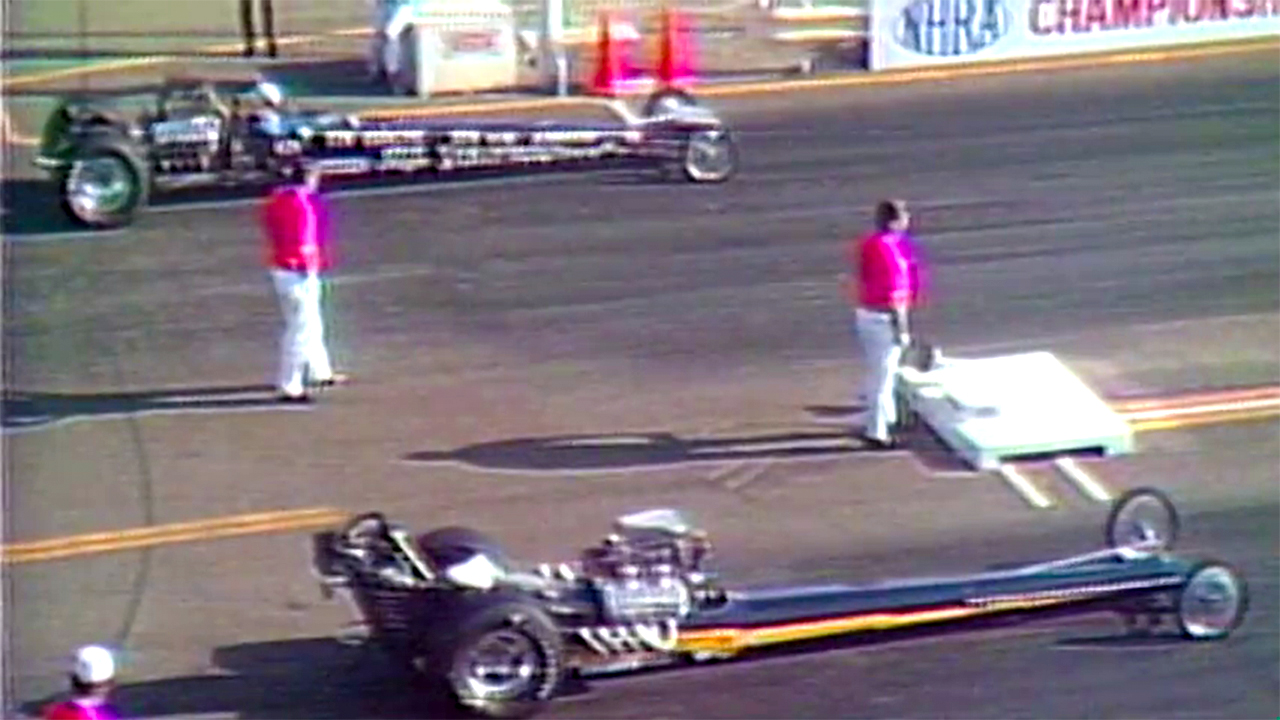
One of the most infamous examples is the 1972 “Big Daddy” Don Garlits’ Rear-Engine Dragster. This car revolutionized dragster design by moving the engine to the back of the car to improve traction and safety. However, its dominance led to it being banned after just one race. Another notorious case is the 1978 Chevrolet Corvette Funny Car, which boasted a twin-turbo engine that made it incredibly fast, but also led to its ban. More recently, electric drag cars have stirred controversy. In Australia, these vehicles were banned due to safety concerns and debates about whether electric vehicles should compete against traditional internal combustion engines. These examples illustrate the ongoing struggle between innovation and regulation in the sport.
The Reasons Behind the Bans
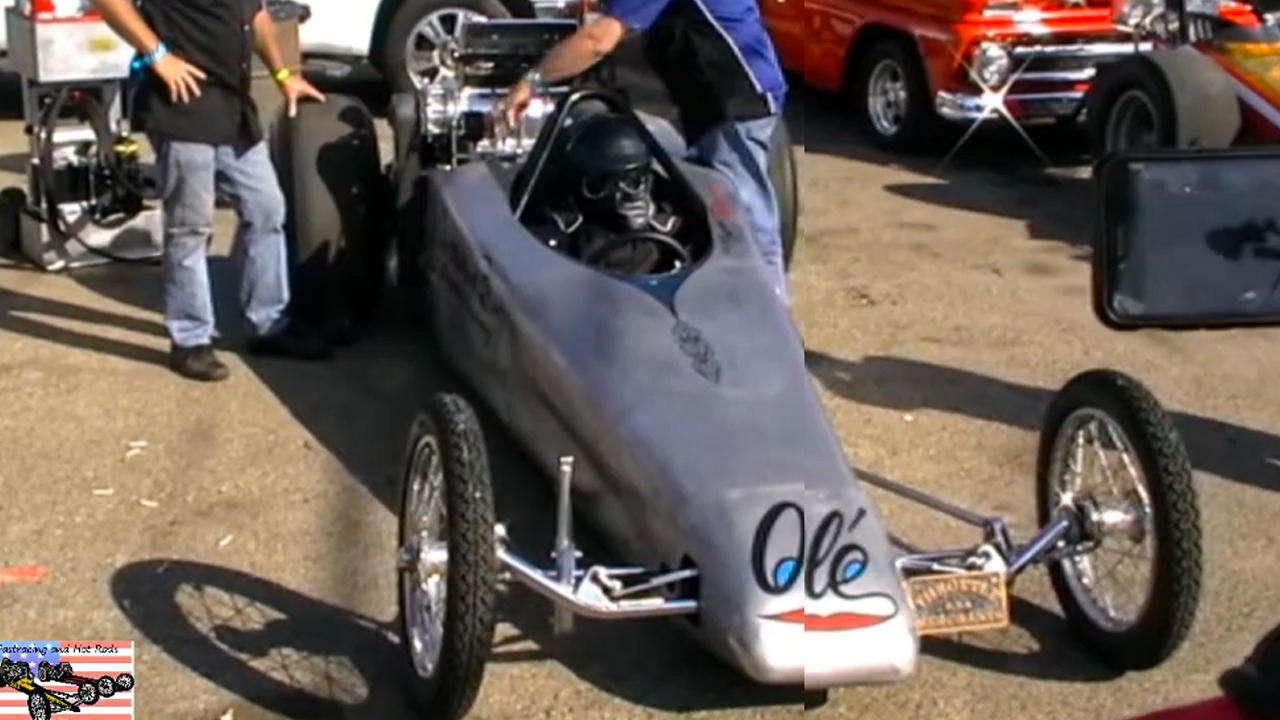
Safety is a primary concern in any motor sport, and drag racing is no exception. Cars like the Rear-Engine Dragster and the Corvette Funny Car were banned due to perceived safety risks. For example, the Corvette’s twin-turbo engine was so powerful that it was deemed a hazard on the track. There’s also the issue of unfair advantage. The Rear-Engine Dragster, for instance, was so dominant that it skewed the competition. Similarly, electric drag cars were seen as having an unfair advantage due to their immediate torque and lack of a traditional engine. These cases highlight the delicate balance between fostering innovation and maintaining a level playing field in drag racing.
Technological Breakthroughs in Banned Drag Cars
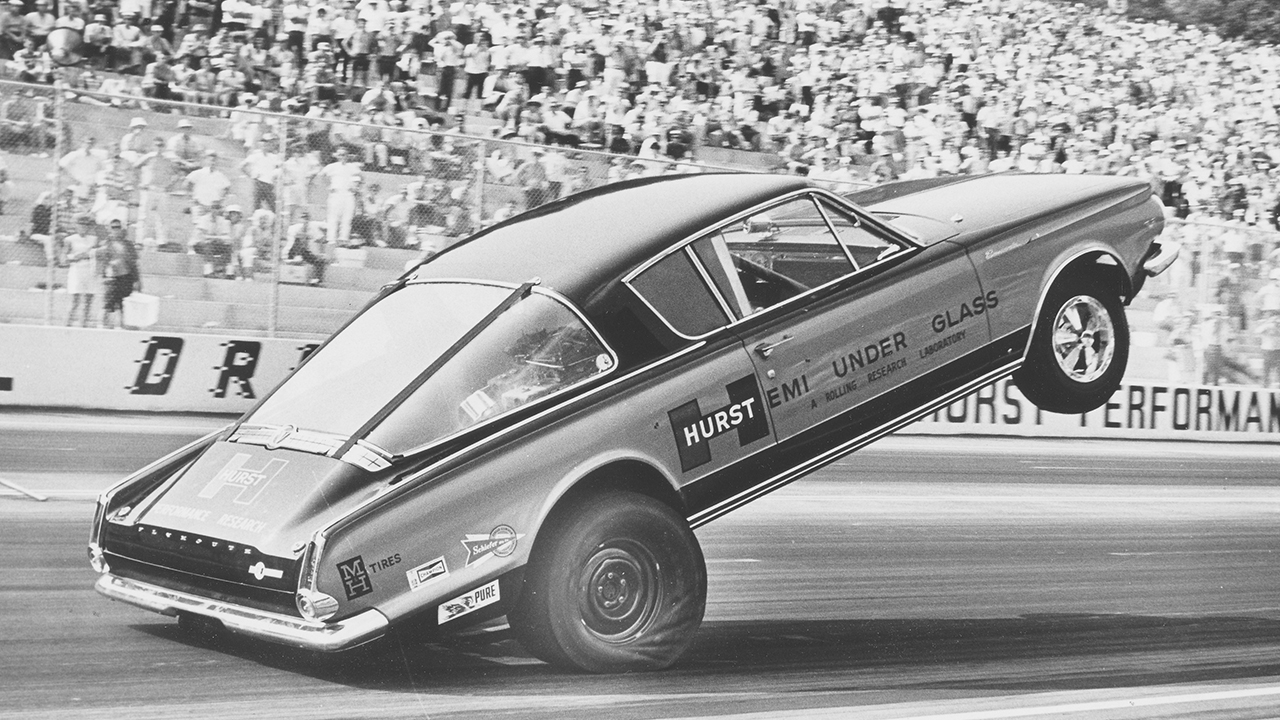
Despite being banned, these vehicles brought significant technological breakthroughs to the sport. The Rear-Engine Dragster’s design, for example, is now standard in Top Fuel racing. The Corvette Funny Car’s twin-turbo engine, while controversial, pushed the boundaries of power and speed in the sport. Electric drag cars, too, represent a technological leap, introducing a new power source to the sport. While their inclusion has been divisive, the technology they bring has the potential to influence future developments in drag racing. These banned cars, in their own ways, have pushed the limits of engineering and set new standards in the sport.
Legacy and Impact on the Sport
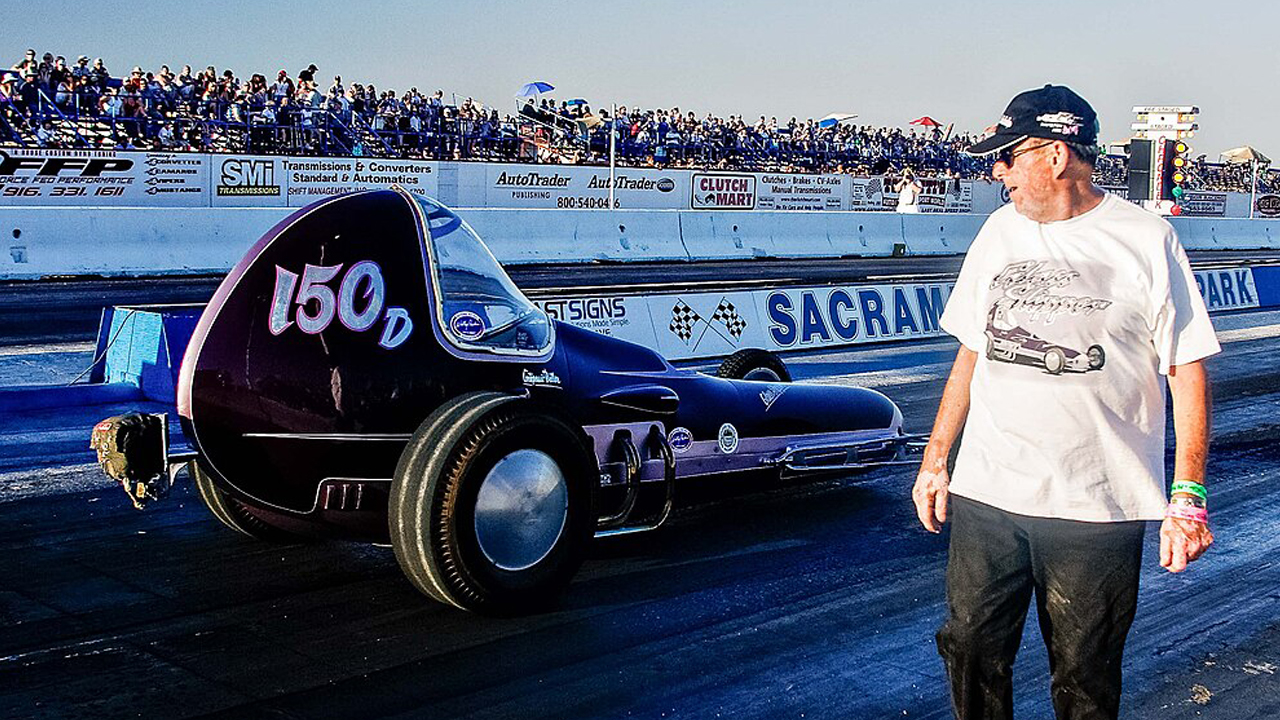
The impact of these banned cars on the sport of drag racing is undeniable. They not only pushed the boundaries of technology and speed but also sparked conversations about the role of innovation in the sport. Their bans, while controversial, have led to important discussions about safety, fairness, and the future direction of the sport. For instance, the Rear-Engine Dragster’s ban led to a rethinking of dragster design for safety and performance. The ban on electric drag cars has sparked a debate about the place of electric vehicles in motor sports. These cars serve as reminders of the constant tension between innovation and regulation in drag racing. As we move forward, the legacy of these banned cars continues to shape the sport, reminding us that innovation often comes with its own set of challenges. You can learn more about these and other banned cars on Road & Track.