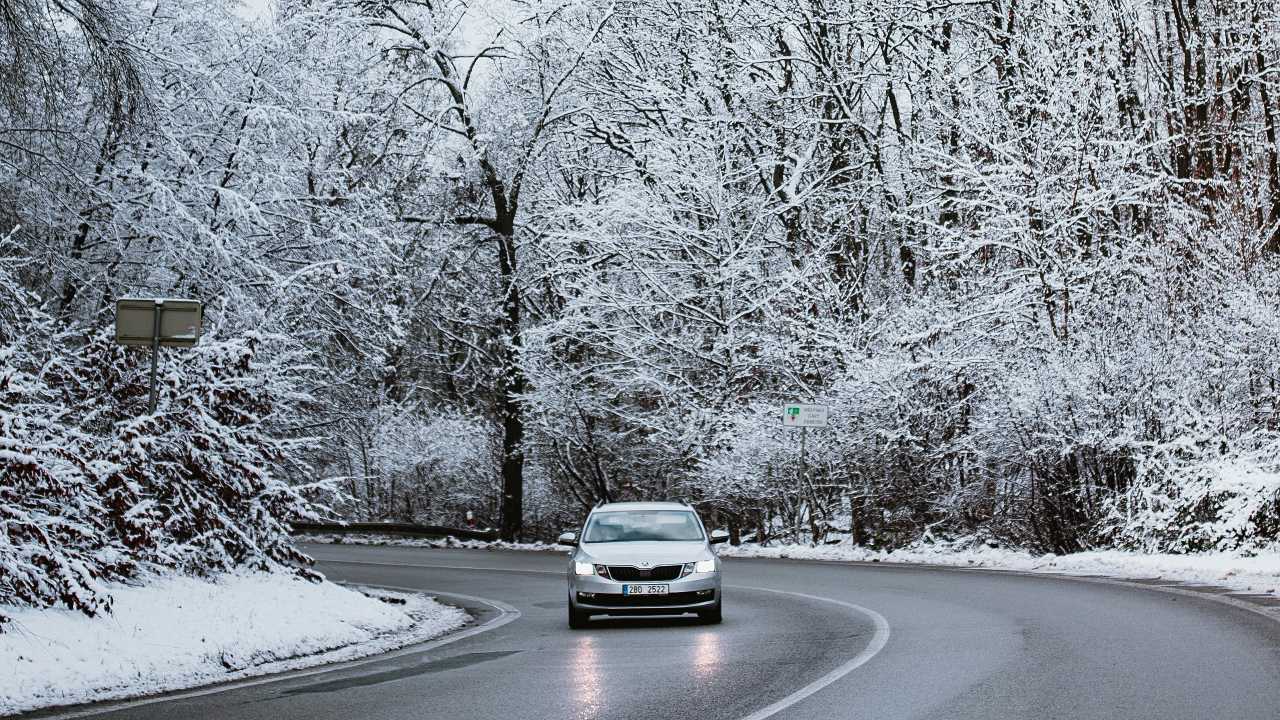
Every winter, as temperatures fall and roads turn slick, the same preventable driving errors reappear with grim predictability. Drivers underestimate how dramatically ice, snow, and cold change the rules of the road, then pay for it in bent fenders, higher insurance premiums, and in the worst cases, serious injuries. Avoiding those outcomes starts with recognizing that winter driving is not just regular driving with the heater on, but a different discipline altogether.
The most common missteps are not exotic or complicated. They are small habits, from how closely someone follows the car ahead to how thoroughly they clear snow from the windshield, that quietly raise the risk of a crash. By understanding where drivers routinely go wrong, motorists can adjust their behavior before the next storm hits and treat winter roads with the respect they demand.
Speed, distance and the illusion of control
One of the most persistent winter errors is driving at normal speeds on surfaces that are anything but normal. Safety agencies stress that on snow or ice it is harder to control or stop a vehicle, and that drivers must simply Slow down. Highway patrol guidance is blunt: the posted limit is set for dry, ideal conditions, so motorists are urged to DRIVE UNDER THE SPEED LIMIT whenever roads are wet, snowy, or icy. Analyses of common winter crashes echo the same point, describing Driving Too Fast as the biggest snow driving error and warning that people often drive too fast for winter conditions, even when they think they are being careful.
Speed becomes even more dangerous when paired with tailgating. Tow and recovery professionals list Mistake number one in winter as Tailgating, or Following Too Closely, because When the road is icy, stopping distance increases dramatically. Other breakdown of winter hazards notes that drivers who fail to leave a larger gap on slick roads make icy conditions far harder than they need to be. Safety experts advising on icy roads urge motorists to slow down and increase following distance, reinforcing that the safest choice is to assume the vehicle will need far more room to stop than it would on dry pavement.
Overconfidence, poor preparation and neglected maintenance
Another recurring mistake is treating winter as an afterthought rather than a season that demands preparation. Analyses of top cold weather hazards list Lack of preparation as a leading risk, pointing out that drivers who head out without checking tires, wipers, or emergency supplies are more likely to be stranded or lose control. National safety guidance asks bluntly, Is Your Car Ready for Winter, and notes that a Few Precautions will Prevent Winter Breakdowns, from routine maintenance to steps that avoid gas line freeze. Winter maintenance checklists advise motorists to Get their battery tested, explaining that on the coldest mornings weak batteries simply fail, leaving drivers stuck in dangerous conditions.
Vehicle-specific winter prep goes beyond the battery. Cold weather guides urge owners to Check Your Battery and Fluids, warning that Cold temperatures drain battery power quickly and that older batteries should be tested or replaced before storms arrive. Car care resources recommend a practical sequence: use a Table of Contents that starts with Check your tire tread, even if you have winter tires, Consider dedicated snow tires, Change your antifreeze, and Replace worn wiper blades. Winter driving advice also encourages motorists to Keep a bundle of cold weather gear in the car, including extra food and water, warm clothing, a flashlight, and other essentials, so a minor slide into a snowbank does not become a life threatening emergency.
Visibility mistakes: snow, ice and what drivers cannot see
Visibility is another area where small shortcuts create big risks. Insurance specialists warn that Not Clearing All the Snow Off Your Vehicle is one of the Winter Driving Mistakes That May Increase Your Premium, because snow left on the roof or hood can blow onto the windshield or onto vehicles behind, obscuring sightlines and triggering collisions. Legal and safety commentators similarly urge motorists to Clear the Snow Off their vehicles completely, including headlights and taillights, so they can see and be seen. Winter safety tips for icy conditions advise drivers to Clean the outside and inside of windows and mirrors before setting off, noting that streaks, fog, or frost can hide hazards until it is too late to react.
Visibility is not just about glass and snow, it is also about light and time of day. Guidance aimed at older adults notes that for many, driving is crucial to independence, especially during winter, but that shorter daylight hours can affect visibility and make night driving more challenging. Safety agencies emphasize that in Driving in Winter Weather, motorists should use low beam headlights in snow and keep windshields clear with proper wiper fluid and functioning defrosters. Analyses of common winter errors point out that some drivers You Don’t Change Your Wiper Fluid or Add Anti freeze to washer systems, which leaves them unable to clear slush and grime from the windshield when they need it most.
Misusing technology and controls on slick roads
Modern vehicles come packed with technology, but winter exposes how easily drivers can misuse it. Safety basics for Driving in Winter Weather stress that even with anti lock brakes and stability control, motorists must still Slow down and avoid sudden steering or braking inputs on slick surfaces. State transportation departments advise drivers to Make sure brakes and windshield wipers are in good condition and to remember to avoid sudden stops, since abrupt pedal pressure can overwhelm traction systems and send a car sliding. Winter hazard lists recommend applying the brakes earlier and more gently, and caution drivers not to be a hero by assuming technology can overcome physics.
Another subtle mistake is relying on cruise control or driver assistance features when traction is limited. Winter safety advice repeatedly tells motorists to adjust their driving habits, with one legal guide summarizing it as Winter driving requiring a different approach and urging drivers to Adjust their behavior to stay safe. Analyses of common winter missteps also highlight that some motorists develop a sense of invincibility on ice, especially in all wheel drive or SUV models, forgetting that while these vehicles may accelerate more confidently, they do not stop any faster on frozen pavement. When that misplaced confidence is combined with high speed or close following distances, even advanced systems cannot prevent a slide into the vehicle ahead.
Risky decisions before the trip even begins
Many winter crashes are set in motion before the key ever turns in the ignition. Legal and safety experts list as a primary rule in their Ways to Avoid Common Winter Driving Mistakes: Don’t Drive in Adverse Conditions. They advise that If the forecast calls for heavy snowfall or ice, the safest choice is to stay home whenever possible. Winter driving guidance from health organizations echoes that message, noting that Driving in Winter Weather should be limited to situations where travel is essential, such as work obligations or emergencies, and that those who must go out should take several steps to prepare themselves and their vehicles.
Even when travel is necessary, drivers often compound the risk with poor planning. Analyses of winter hazards describe how some motorists head out with low fuel, worn tires, or no emergency kit, then find themselves stranded when a minor incident blocks the road. Winter driving tips urge motorists to Keep cold weather gear in the car and to maintain fuel levels to avoid gas line freeze. Safety checklists remind drivers to Get their car winter ready by testing batteries, checking tire tread, and confirming that heating and cooling systems can keep the cabin temperature in optimal ranges. When combined with the basic habits of slowing down, increasing following distance, and clearing all snow and ice from the vehicle, those decisions made before departure can turn a treacherous winter drive into a manageable one.
More from Fast Lane Only