Disc brakes, now standard, were a big deal in the 1950s and 1960s, offering better stopping power than drums. A few early adopters set new benchmarks for safety and performance, even if most still came with four-wheel drums. Here are eight classics—some with standard discs, others with rare factory options—that helped redefine braking when it mattered most.
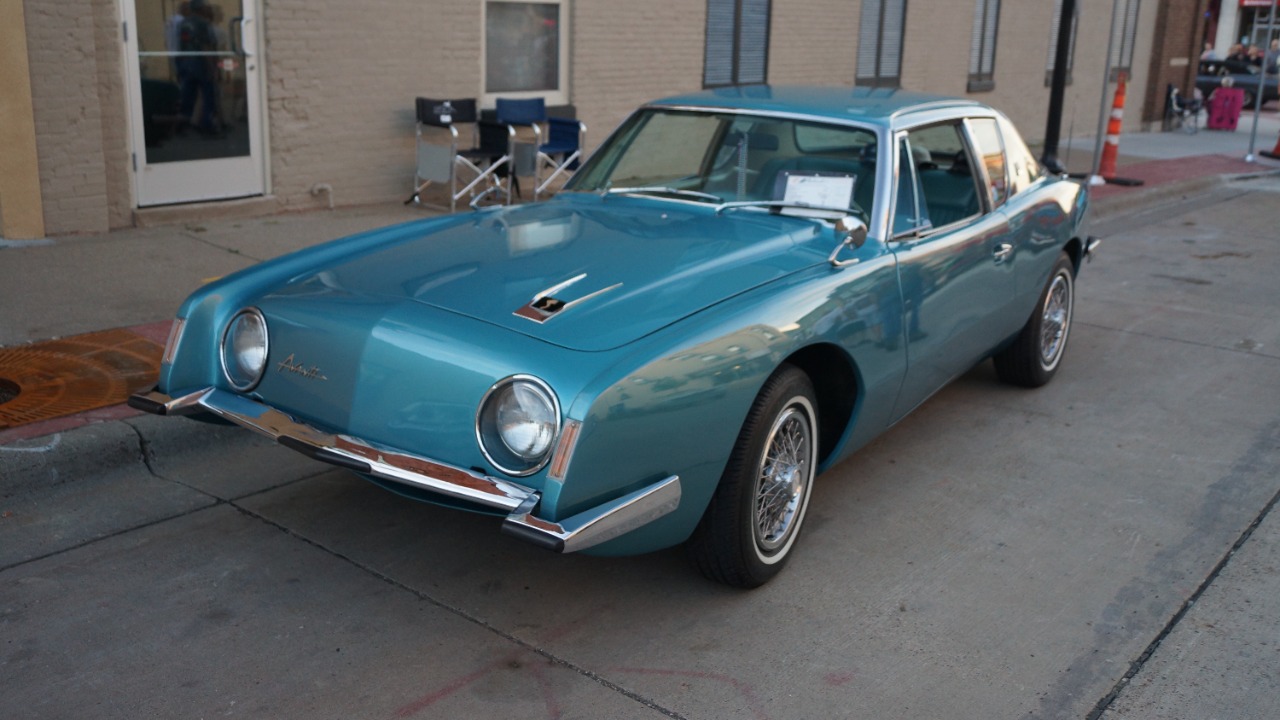
1963 Studebaker Avanti

The 1963 Avanti packed a supercharged 289 V8 with 240 hp, hitting 0–60 in about 7.5 seconds and a top speed near 168 mph. With a fiberglass body on a 109-inch wheelbase, it weighed just over 3,100 pounds. Bendix front disc brakes came standard. Inside, it featured leather buckets and a center console. About 4,600 were built.
The Avanti’s discs were aircraft-inspired and rare for the time, offering controlled stops to match its performance. Lightweight and fast, it gave Corvettes a serious headache in ’63. Collectors still admire its sharp styling and advanced braking setup.
1964 Ford Falcon Sprint
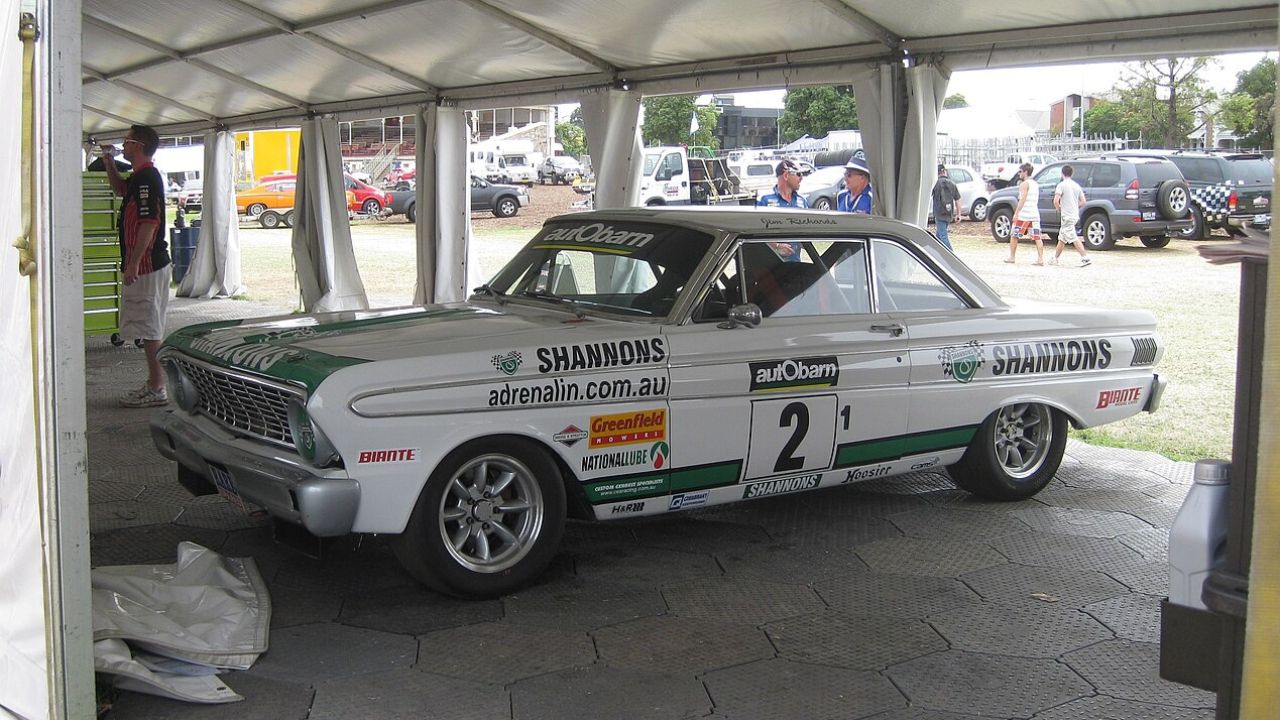
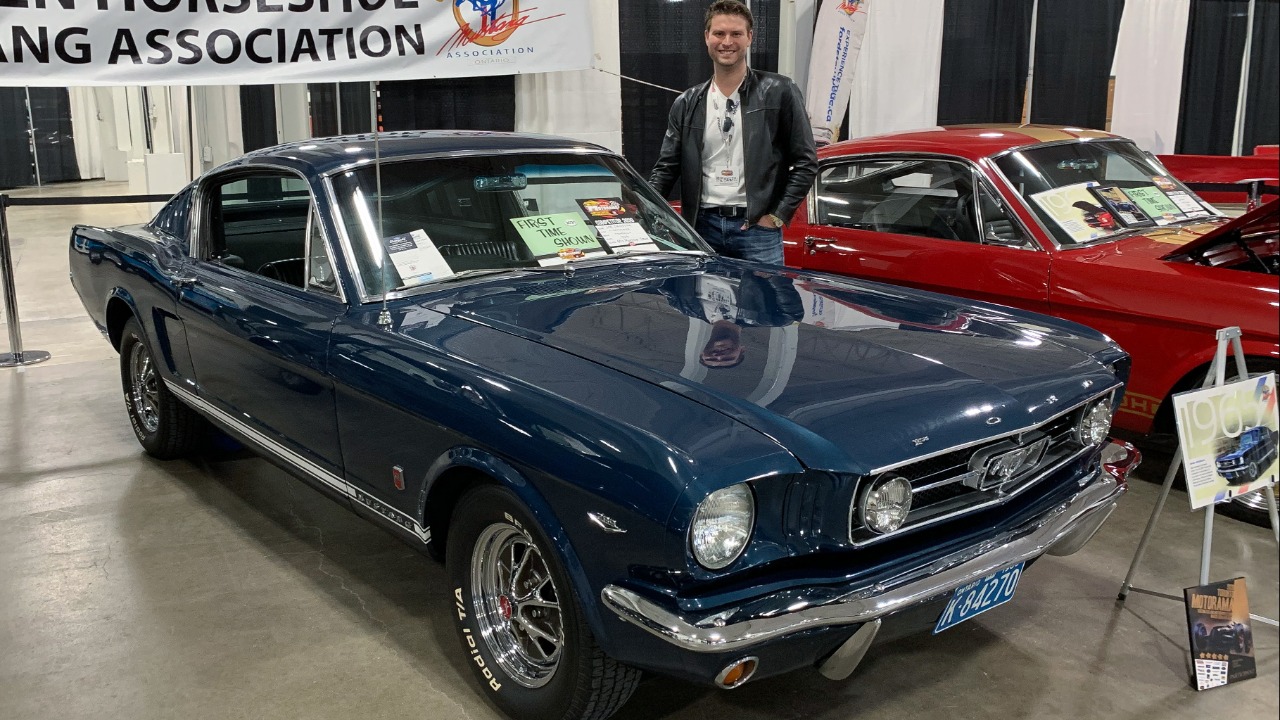
The Falcon Sprint used a 260 V8 with 164 hp, doing 0–60 in roughly 10 seconds with a top speed near 110 mph. Weighing just 2,800 pounds with a 109.5-inch wheelbase, it felt spry. Buckets and a console rounded out the cabin. Ford offered front disc brakes as a rare dealer-installed or factory option.
With optional discs, the Falcon Sprint out-braked many of its compact rivals. Lightweight and responsive, it served as a stepping stone to the Mustang. Surviving examples with factory discs are sought after for their rarity and balance.
1965 Chevrolet Corvette Sting Ray

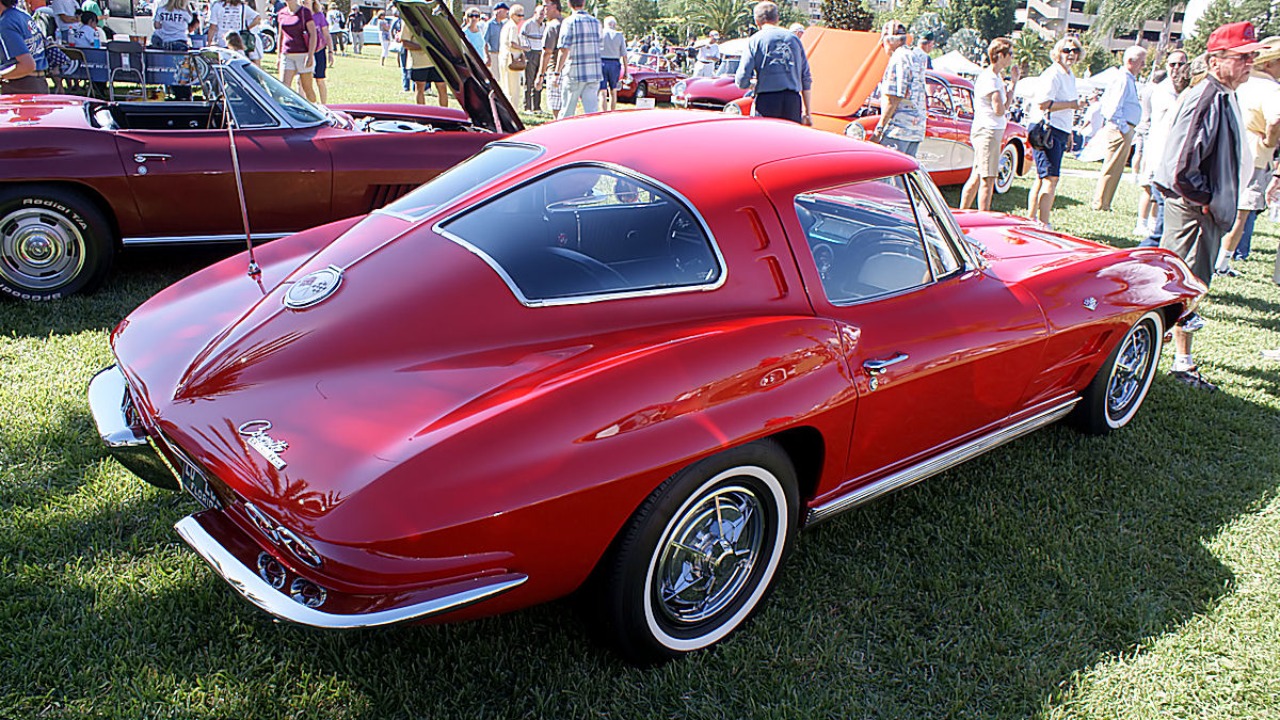
By 1965, the Corvette had evolved into a serious performer. The L76 327 V8 made 365 hp, and the car hit 0–60 in under 6 seconds. With a 98-inch wheelbase and curb weight near 3,100 pounds, it was nimble. For 1965, four-wheel disc brakes became standard across the line.
The new discs handled 400 lb-ft of torque with ease and left drum-braked Mustangs in the dust. Braking performance was a revelation. Even today, collectors value the ’65 for being the first production Corvette with all-around disc brakes.
1966 Oldsmobile 4-4-2
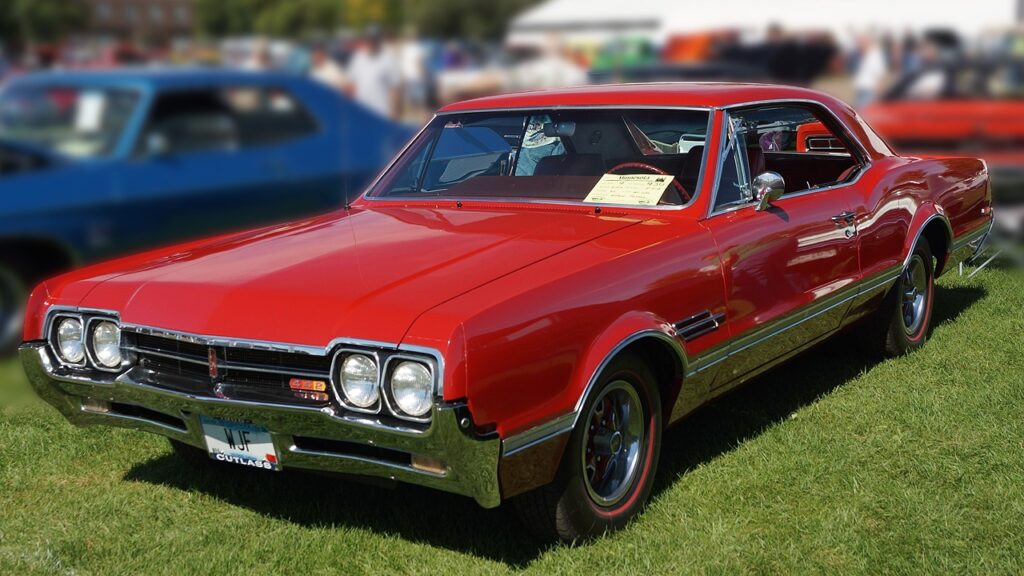
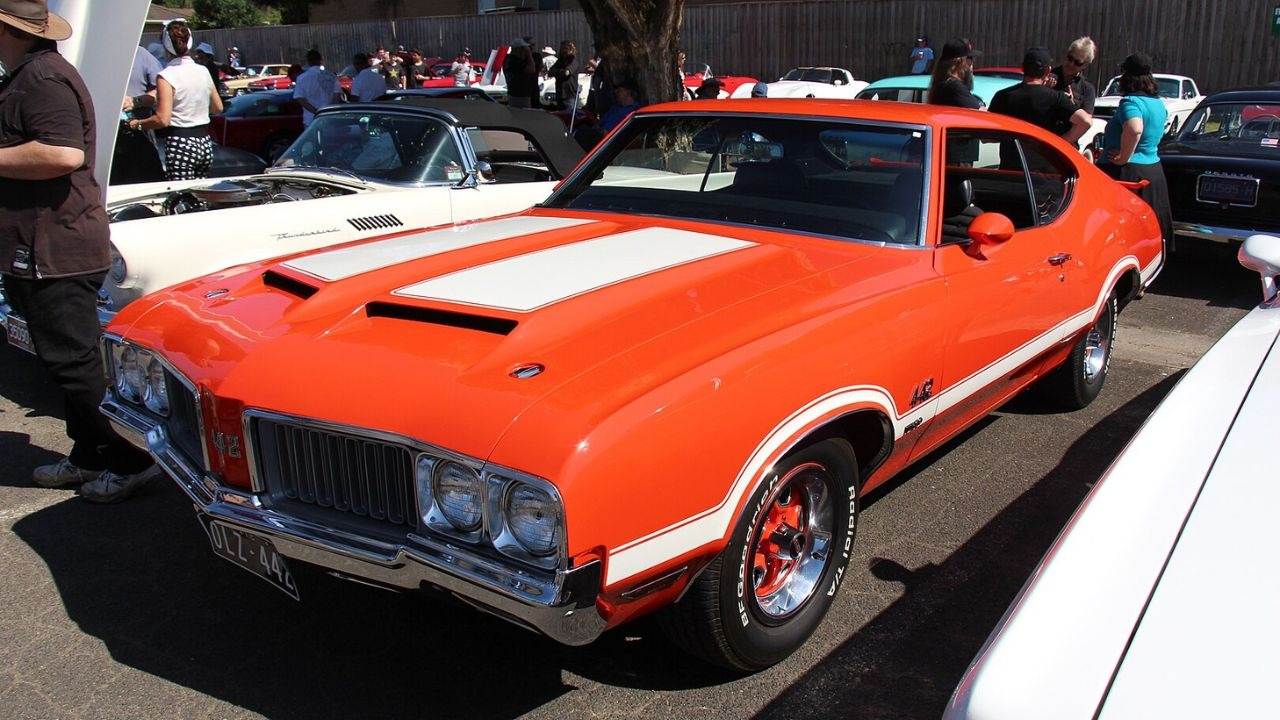
The 1966 4-4-2 featured a 400 V8 with 350 hp and 360 lb-ft of torque. It hit 0–60 in around 6.5 seconds and topped out near 130 mph. A 112-inch wheelbase and 3,500-pound curb weight kept it grounded. Front disc brakes were an option—few buyers checked the box.
Those that did got sharper stopping power, a big help on drag strips. The 4-4-2’s brakes weren’t groundbreaking, but they added serious confidence at speed. Disc-equipped cars are harder to find today—and worth the hunt.
1967 Mercury Cougar XR-7

The 1967 XR-7 used a 390 V8 with 320 hp, good for 0–60 in around 7 seconds. It shared the Mustang’s platform, but with a longer 111-inch wheelbase and more refined 3,400-pound body. Front discs were an available option, often chosen with performance packages.
Disc-equipped Cougars offered stronger, fade-resistant braking, handling 410 lb-ft of torque without complaint. Stylish and quick, the XR-7 combined Euro-inspired refinement with muscle car strength. Today, survivors with original discs are still smooth road performers.
1968 Pontiac Firebird 400
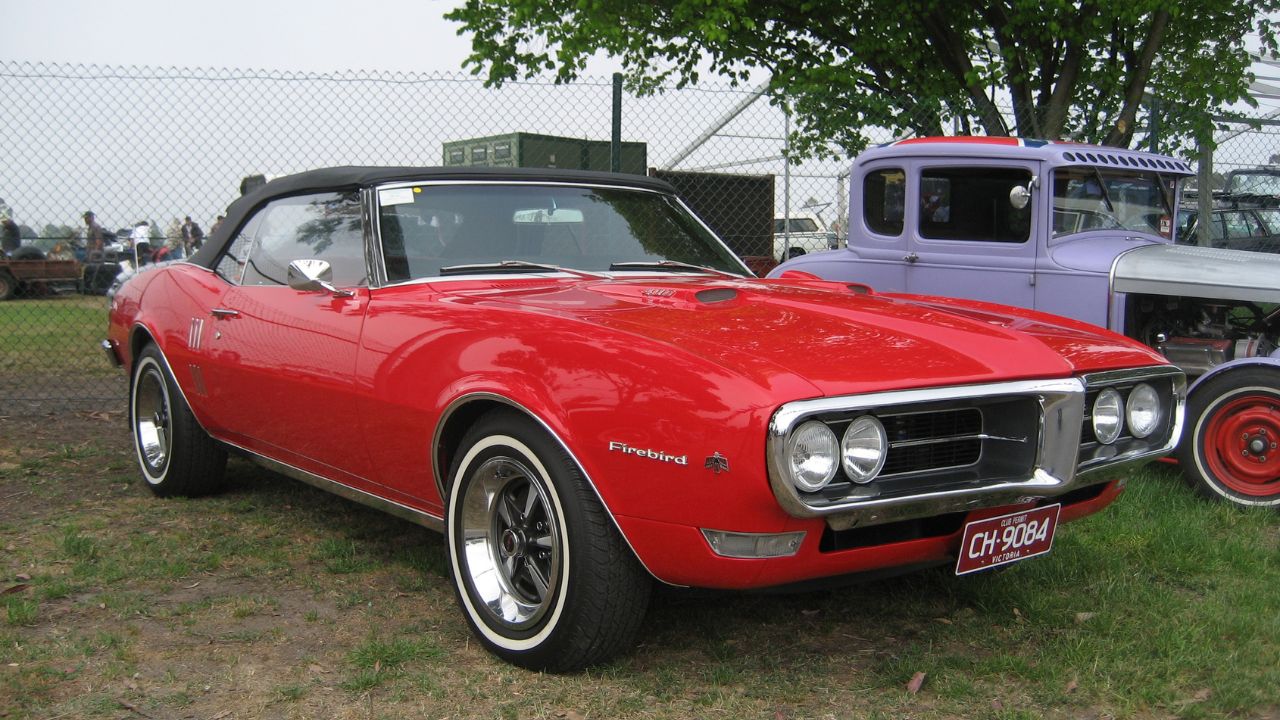
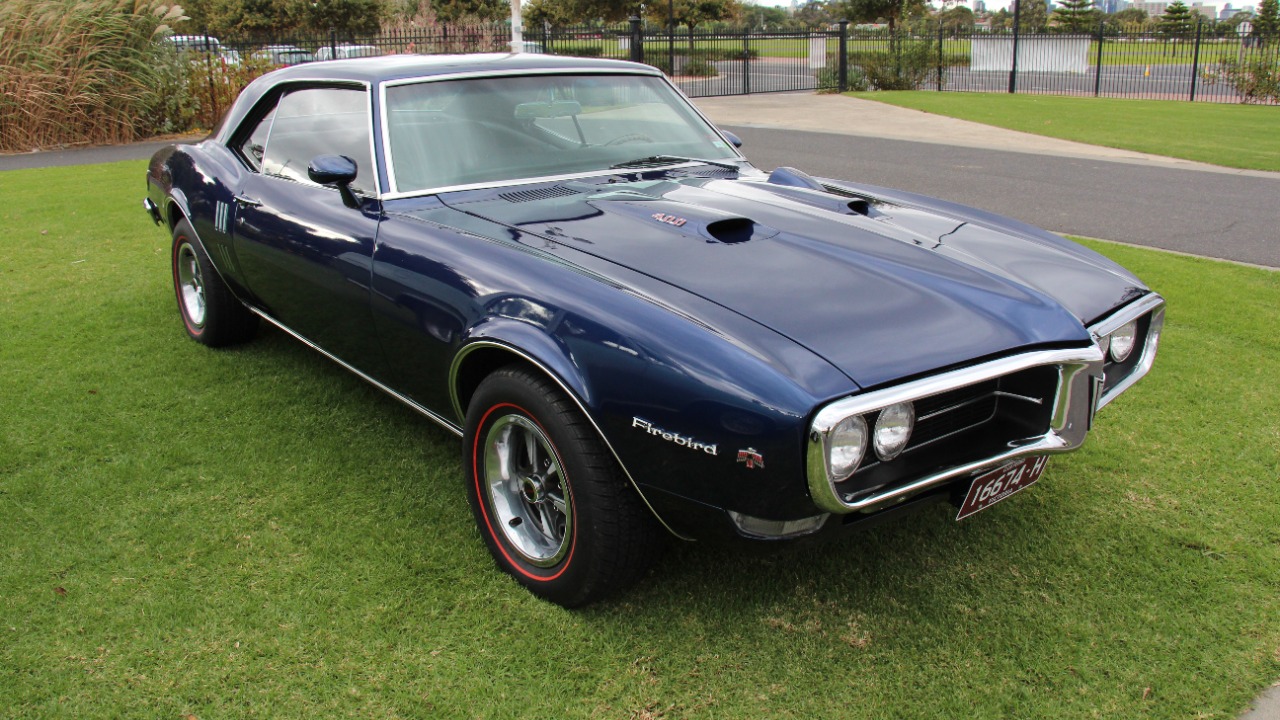
Pontiac’s Firebird 400 came with a 335-hp V8 and 430 lb-ft of torque, doing 0–60 in roughly 6 seconds. The car rode on a 108-inch wheelbase and weighed 3,400 pounds. Front disc brakes were optional and relatively uncommon.
When equipped, braking kept pace with its big torque. It gave the Firebird a street and strip advantage over rivals relying on drums. Disc-brake Firebirds are prized today for performance that still holds up—especially when carving corners or stopping hard.
1969 Dodge Charger Daytona
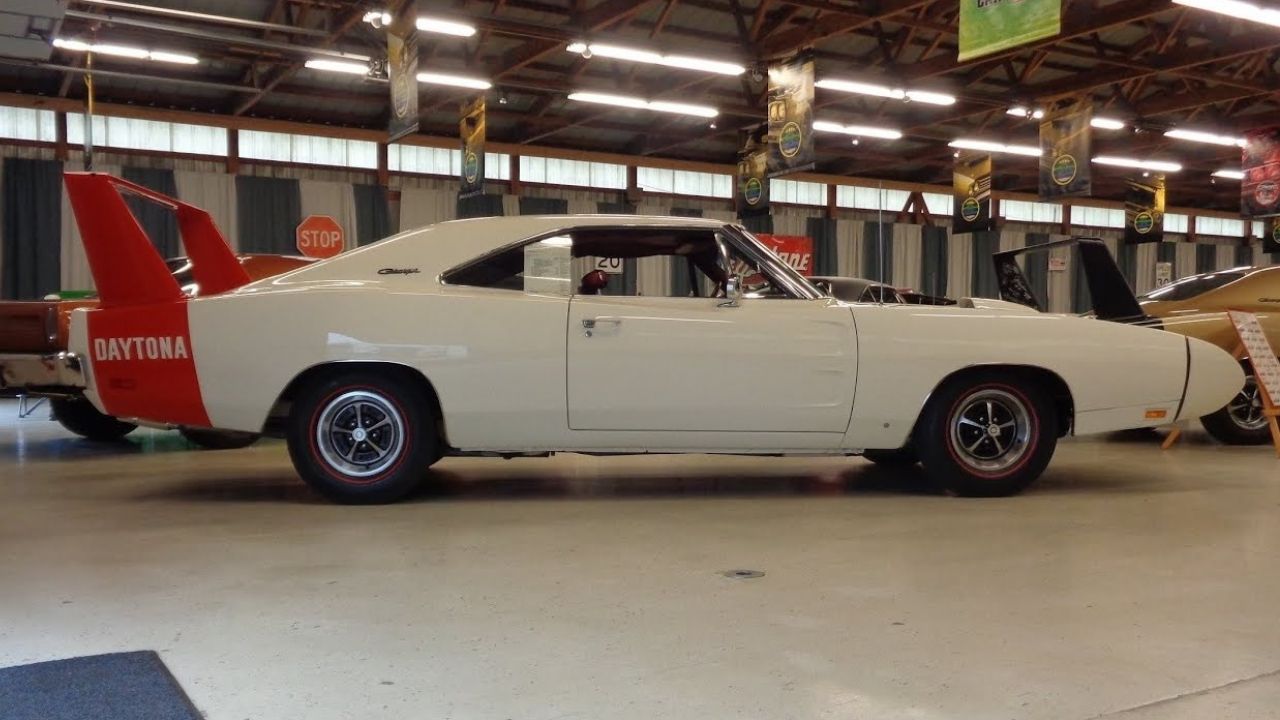
The 1969 Daytona was built to dominate NASCAR—and it did. The 426 Hemi made 425 hp and 490 lb-ft of torque, launching the car to 60 mph in about 5.5 seconds. The Charger’s 117-inch wheelbase and 3,800-pound body could be ordered with front discs.
Given the car’s 200+ mph track goals, discs were a smart (and often chosen) option. They handled brutal torque loads and helped rein in the aero beast. Collectors chase these cars for their rarity, race pedigree, and still-impressive street capability.
Like Fast Lane Only’s content? Be sure to follow us.
Here’s more from us:
*Created with AI assistance and editor review.