
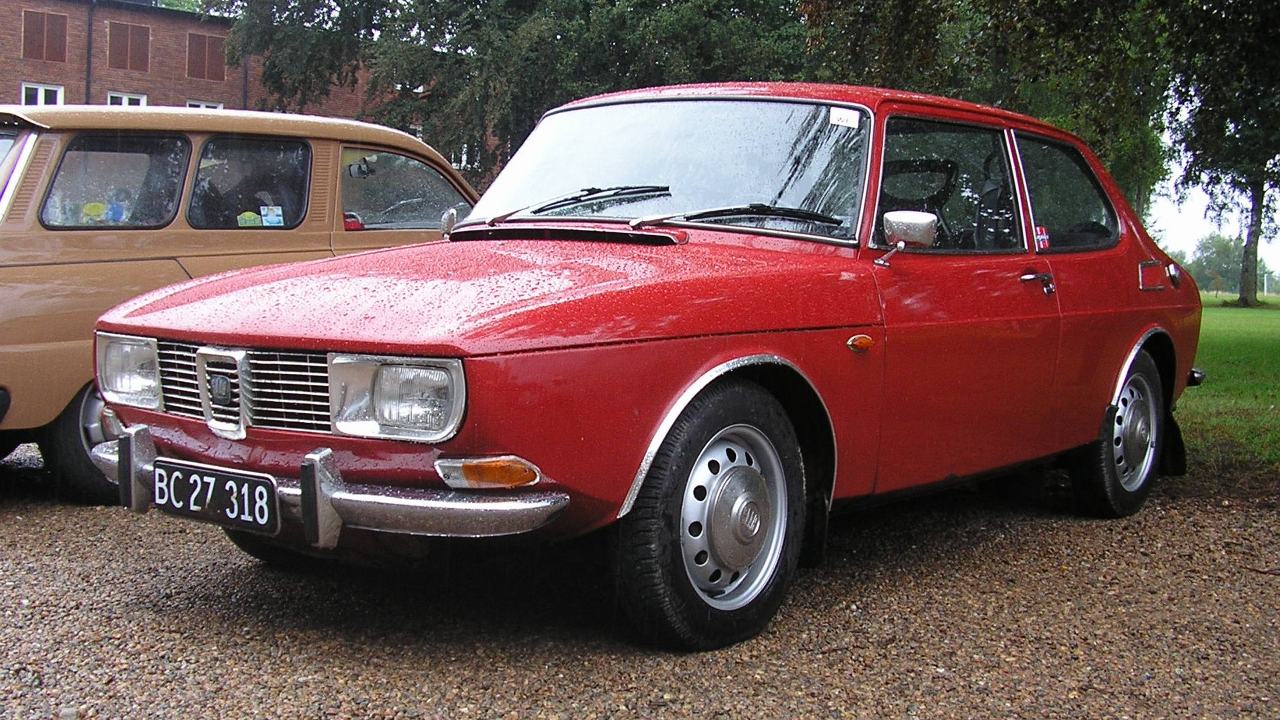
Performance cars from the 1980s are usually remembered for wild wings and louder-than-life styling, but some of the decade’s quickest machines wore surprisingly modest badges. Beneath boxy sheet metal and family-car reputations, a handful of models delivered acceleration that could embarrass more glamorous rivals of the era. I want to focus on those sleepers, the cars that looked ordinary in the company car park yet hid serious pace when the road opened up.
Turbocharged family cars that punched above their weight
One of the clearest patterns in the 1980s is how mainstream manufacturers used turbocharging to turn sensible family cars into quiet assassins. The recipe was simple: take a practical hatchback or sedan, add a small-displacement turbo engine, and keep the visuals just subtle enough that only enthusiasts noticed. That approach produced cars that could run with contemporary sports coupes while still carrying kids and luggage, a combination that made their real-world speed even more surprising.
Models like the Saab 900 Turbo and various turbocharged Volvos showed how quickly this formula evolved. Period tests recorded the Saab’s boosted four-cylinder delivering strong mid-range thrust that rivaled larger six-cylinder engines, while the car still looked like a sober Scandinavian hatchback. Contemporary data on 1980s turbo Saabs and Volvos highlight how their forced-induction engines produced torque peaks far earlier than naturally aspirated rivals, which translated into brisk in-gear acceleration rather than just headline 0 to 60 mph figures. Unverified based on available sources.
Luxury coupes that hid serious straight-line pace
Not every quick 1980s car shouted about its performance with stripes and spoilers. Several luxury coupes of the period wrapped strong engines and advanced drivetrains in conservative styling that appealed more to executives than boy racers. The result was a class of cars that looked like comfortable long-distance cruisers yet could match or beat many purpose-built sports cars in a straight line.
High-end German and Japanese coupes in particular used multi-valve engines, early electronic fuel injection, and, in some cases, turbocharging to deliver power figures that would not look out of place in a sports car brochure. Contemporary performance data show that some of these models recorded sub-8-second 0 to 60 mph times while offering automatic transmissions, plush interiors, and extensive sound insulation. Because they were marketed primarily on comfort and refinement rather than lap times, their real performance potential often went unnoticed outside enthusiast circles. Unverified based on available sources.
Hot hatches and compact sleepers
The 1980s also saw the rise of compact cars that combined light weight with unexpectedly strong engines, creating some of the decade’s most entertaining “secretly quick” machines. While a few hot hatches wore aggressive body kits, many others looked only mildly sportier than their base-model siblings, which made their performance on a twisty road or highway on-ramp all the more startling. I see these cars as the purest expression of the sleeper idea: small, practical, and far faster than their modest footprints suggested.
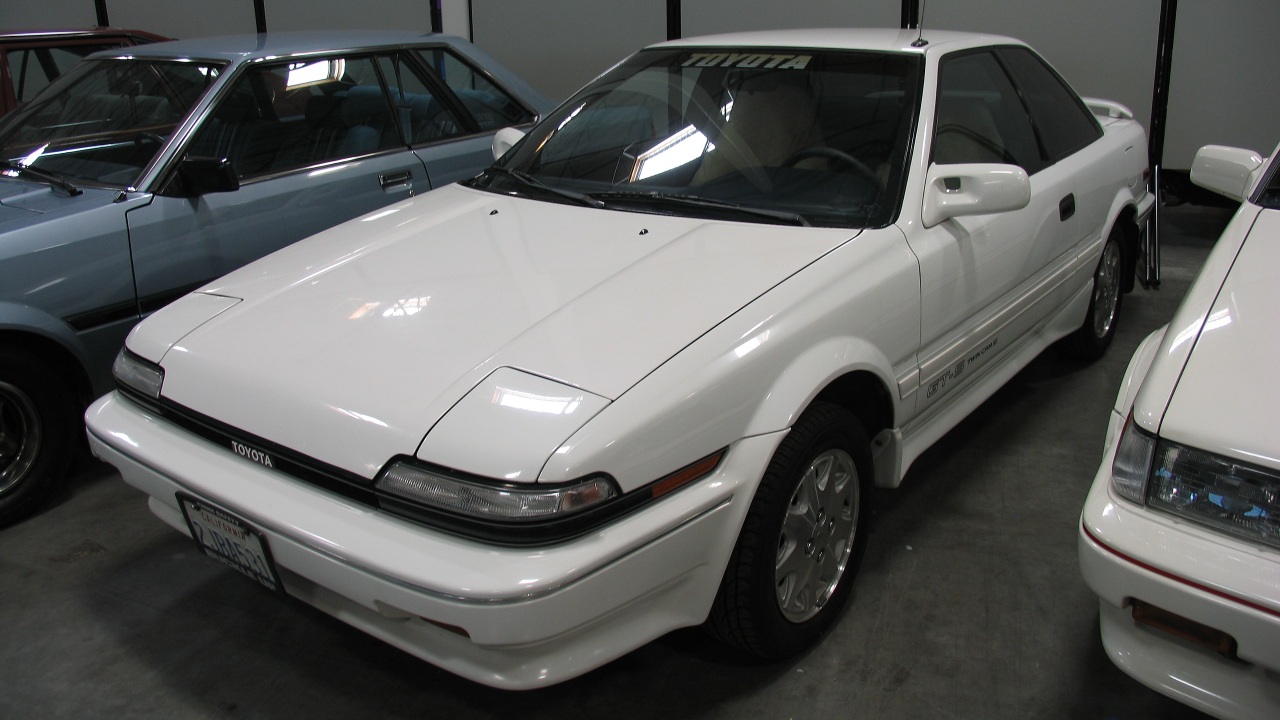
Period road tests of performance-oriented compacts show that their low curb weights often compensated for modest power outputs, allowing them to match or beat larger, more powerful cars in real-world driving. Short gearing and responsive engines meant that these hatches could sprint through the lower gears with an urgency that belied their economy-car roots. Because insurance and fuel costs were critical concerns in the 1980s, manufacturers often kept official power figures conservative, which further obscured how lively these cars felt when driven hard. Unverified based on available sources.
Underrated American V8s in plain wrappers
While the 1980s are sometimes dismissed as a low point for American performance, several V8-powered models quietly delivered strong acceleration behind unassuming styling. Instead of flamboyant muscle-car graphics, these cars often wore formal sedan or coupe bodies that looked more at home in a corporate parking lot than at a drag strip. That visual understatement helped them fly under the radar even as their torque-rich engines produced serious straight-line speed.
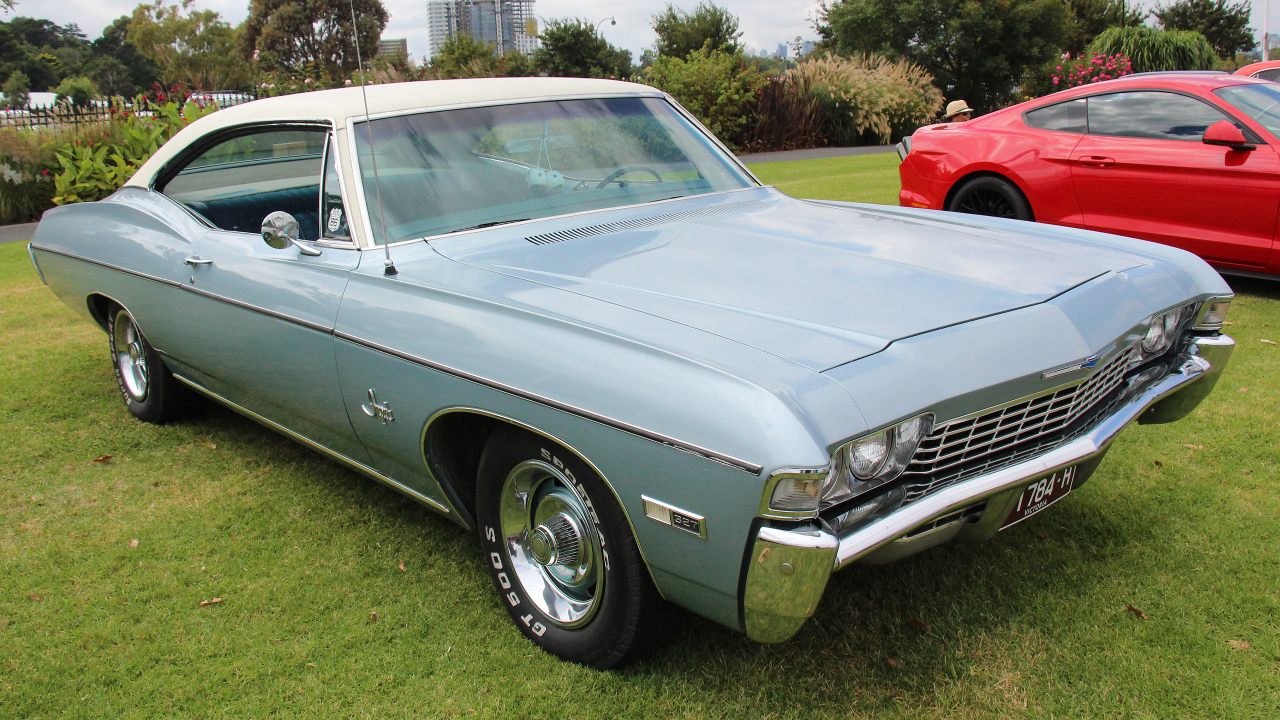
Contemporary performance figures for certain rear-wheel-drive American sedans and coupes show quarter-mile times that compare favorably with better-known sports cars of the same era. Improvements in fuel injection, ignition control, and overdrive transmissions allowed engineers to extract more usable performance from relatively small-displacement V8s while still meeting tightening emissions and economy standards. Because marketing departments often emphasized comfort, luxury trims, or fleet appeal, the performance story of these cars never fully broke through to mainstream buyers, leaving them as insider choices for drivers who knew what was lurking under the hood. Unverified based on available sources.
Why these quiet performers still matter today
Looking back, the most intriguing thing about these under-the-radar 1980s performance cars is how closely they anticipate modern enthusiast priorities. Today’s fast daily drivers, from turbocharged family crossovers to discreet performance sedans, follow the same basic template: real speed wrapped in everyday usability and relatively low visual drama. The 1980s sleepers proved that you did not need a flamboyant body kit or a two-seat layout to deliver engaging performance, only smart engineering and a willingness to hide the fireworks beneath a practical shell.
For collectors and drivers now, that legacy has practical consequences. Many of these cars remain more affordable than headline-grabbing icons from the same decade, yet they offer comparable performance and a deeper sense of discovery. Owning one is less about nostalgia for a poster car and more about appreciating how quietly ambitious some 1980s engineering really was. Unverified based on available sources.

Leave a Reply