While electric vehicles (EVs) are increasingly gaining popularity for their environmental benefits and cutting-edge technology, they come with their own set of challenges. Many drivers find themselves navigating unknown territory when it comes to the limitations and less-discussed aspects of owning an electric car. From range anxiety to maintenance complexities, here are some realities EV owners face.
1. Limited Driving Range

Despite advancements in battery technology, limited driving range remains a concern for many electric vehicle owners. Even with models like the Tesla Model S boasting over 400 miles per charge, most EVs average around 250-300 miles. For long-distance travelers, this means planning trips around charging stations, which can be inconvenient and time-consuming.
Additionally, variations in weather, driving styles, and the use of in-car features can further impact the range. Those accustomed to the convenience of refueling a gas car in minutes might find this limitation a significant adjustment.
2. Charging Infrastructure Challenges
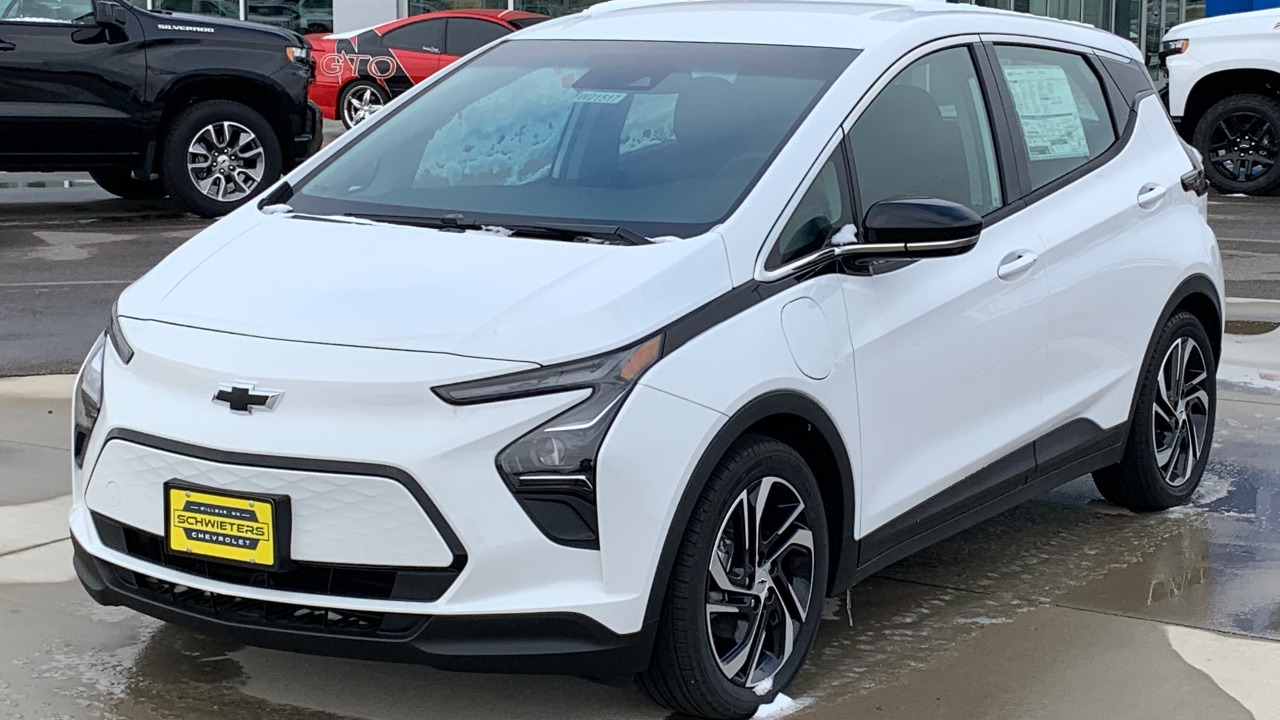
The growing number of electric vehicles on the road hasn’t been matched by an equally rapid expansion of charging infrastructure. While urban areas may offer multiple charging options, rural regions often lag behind. This can make it challenging for EV owners to find convenient places to charge their vehicles during longer trips or if they lack home charging facilities.
Moreover, charging times can vary significantly. Fast chargers, while available, are not as widespread as standard ones, leading to longer wait times. As highlighted by Green Car Reports, the inconsistency in charging speeds and availability can be a deterrent for potential EV buyers.
3. Battery Degradation Over Time
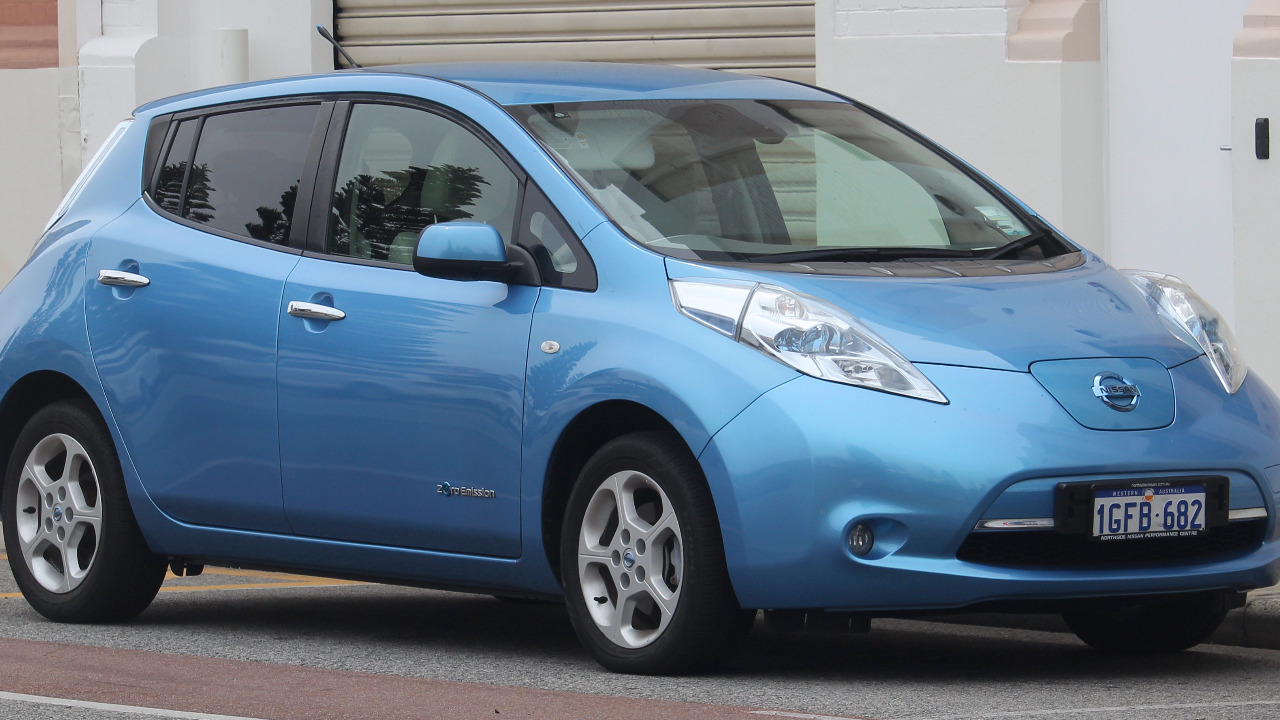
Like any battery-powered device, electric vehicle batteries degrade over time. Factors such as frequent fast charging, high temperatures, and deep discharges can accelerate this process. As the battery’s capacity diminishes, so does the car’s driving range, impacting the vehicle’s overall performance.
Manufacturers often offer warranties on batteries for a certain number of years or miles, but replacement costs can be substantial if the battery fails post-warranty. This aspect is something potential buyers should consider, as noted in various scientific studies.
4. Higher Initial Purchase Cost
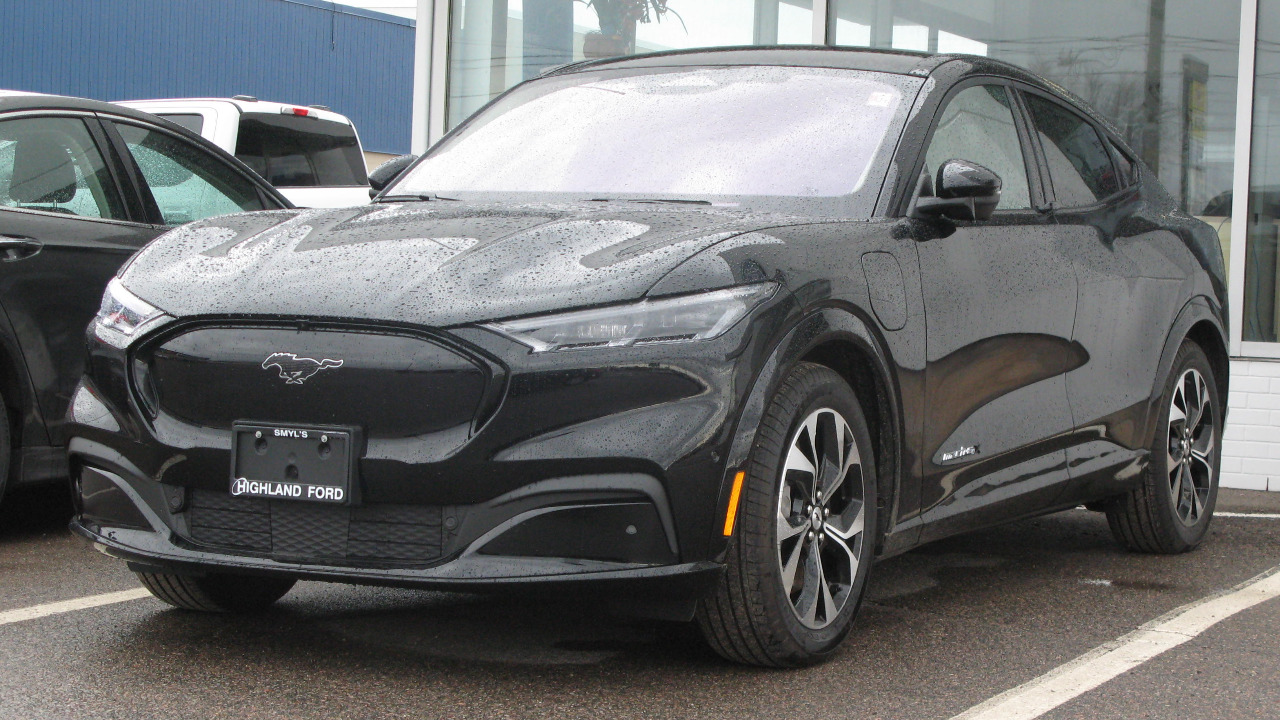
Electric vehicles often come with a higher upfront purchase price compared to their gasoline counterparts. While costs have been decreasing, models like the Tesla Model 3 or the Nissan Leaf still represent a significant investment. Government incentives and tax credits can help mitigate this cost, but they aren’t available everywhere and may not cover the entire price difference.
For budget-conscious consumers, this higher initial expense can be a deterrent, despite the potential for long-term savings on fuel and maintenance. Those considering an EV should weigh these factors carefully.
5. Cold Weather Performance Issues
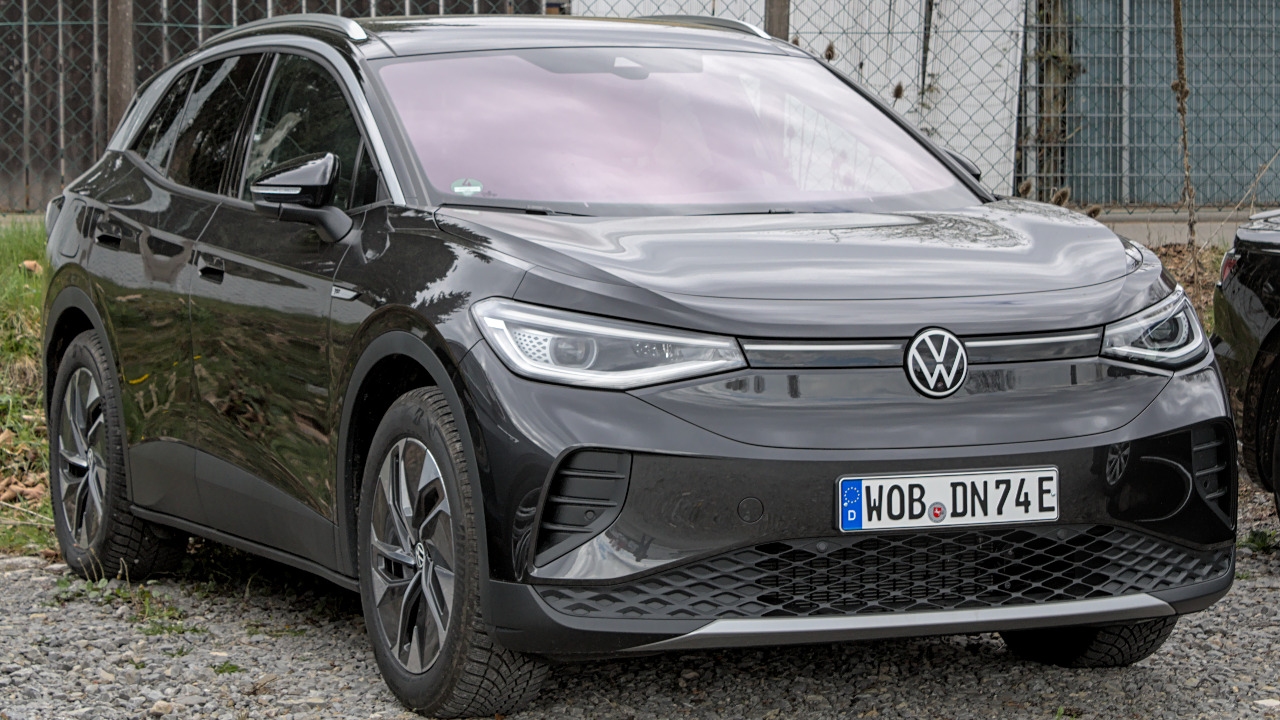
Cold weather can significantly affect the performance of electric vehicles. Low temperatures can reduce battery efficiency, resulting in decreased range. Additionally, the energy used to heat the car’s interior can further drain the battery. This means that in colder climates, EV drivers might find themselves charging more frequently.
Winter conditions can also affect the charging speed, making it a bit more challenging for drivers to maintain their usual routines. As detailed in various guides, these factors are essential to consider for those living in regions prone to cold weather.
6. Limited Towing Capacity
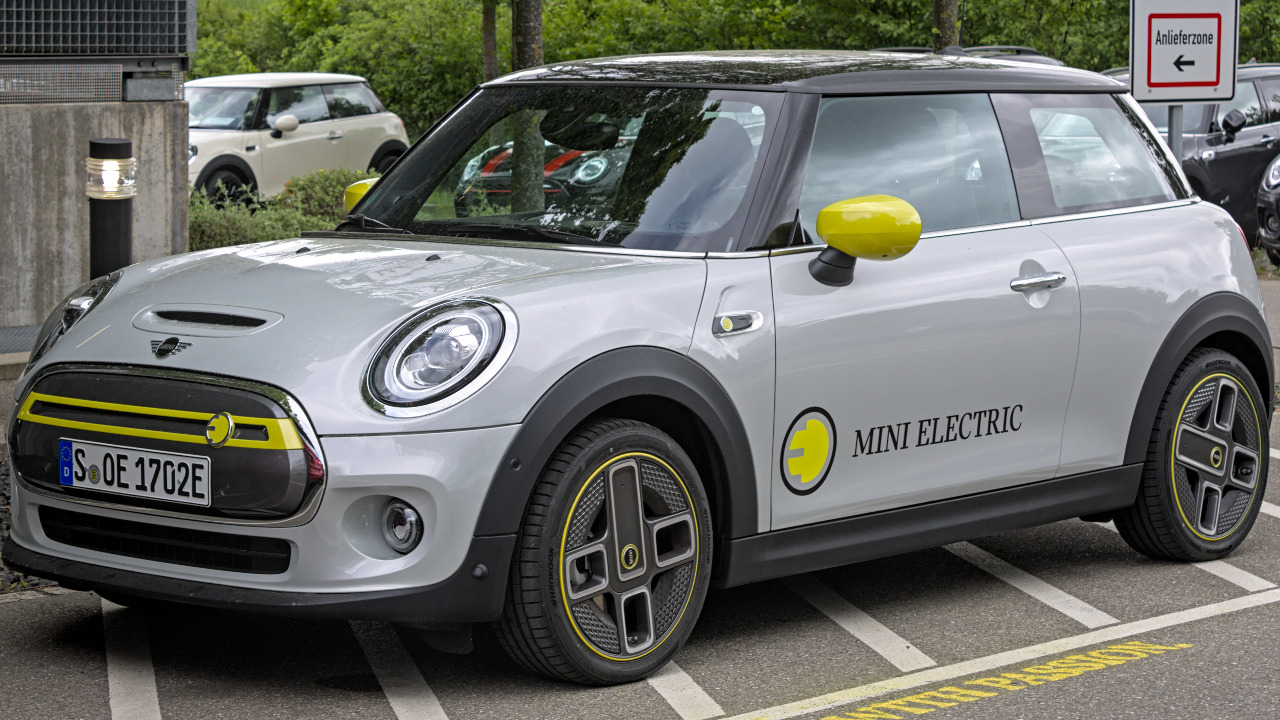
Electric vehicles generally have a limited towing capacity compared to traditional internal combustion engine vehicles. This limitation is due to the design and engineering priorities of EVs, which focus on efficiency and battery preservation. For instance, while some models like the Tesla Model X can tow significant weights, many smaller EVs lack this capability.
For those who require towing for work or recreational purposes, this limitation could be a decisive factor. Potential buyers should review the specifications of specific models to ensure they meet their needs.
7. Resale Value Uncertainty
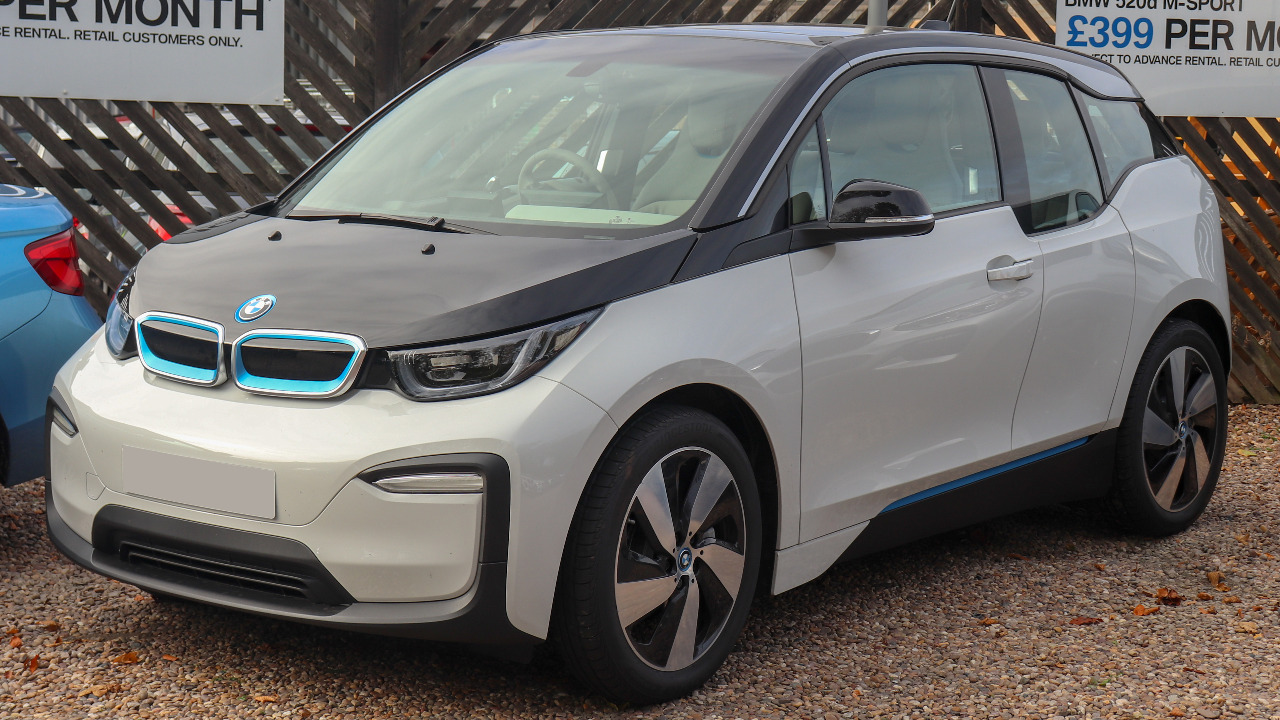
The resale value of electric vehicles is another area of uncertainty. As technology rapidly evolves, newer models with better range and features can quickly make older models seem outdated. This potential for rapid depreciation can make it difficult for owners to predict future resale values.
Moreover, concerns about battery life and the cost of replacements might deter second-hand buyers. Research indicates that EVs can retain value well, but it varies greatly by model and market conditions.
8. Repair and Maintenance Complexities
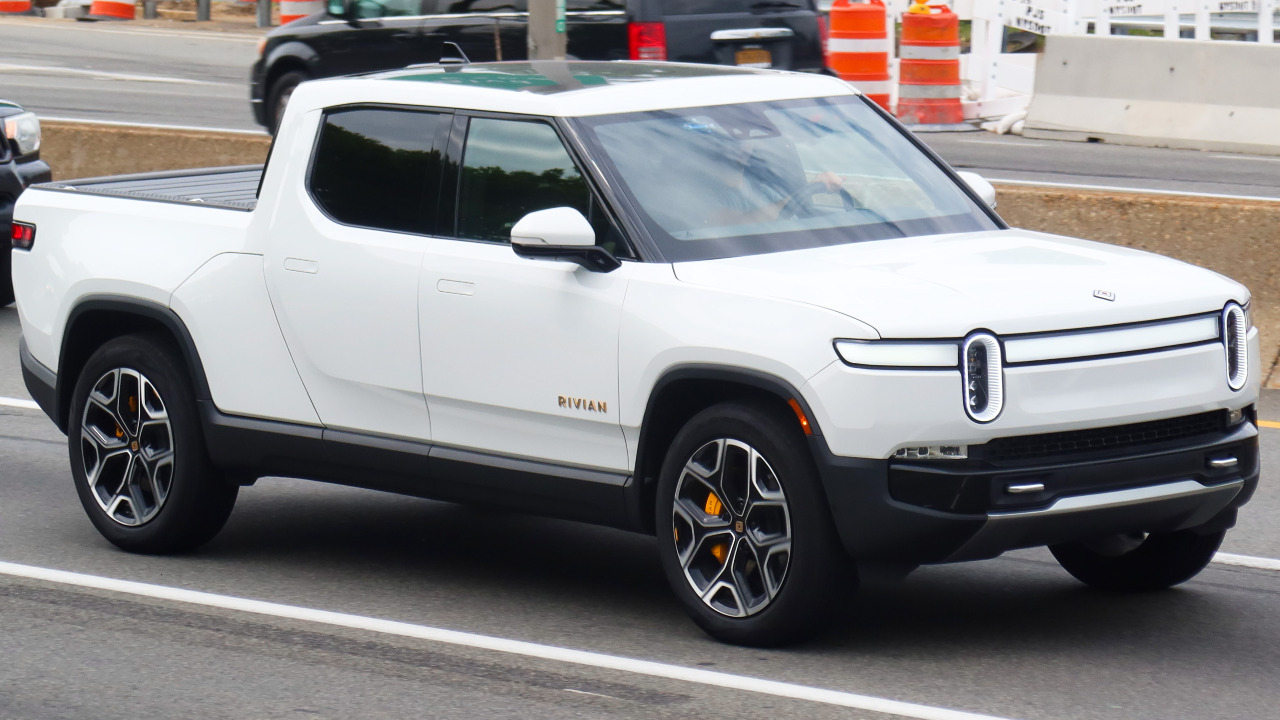
While electric vehicles generally require less maintenance than traditional cars due to fewer moving parts, repairs can be more complex and costly. Specialized knowledge is often required to work on EVs, meaning fewer mechanics are qualified to perform repairs. This can result in higher labor costs and longer wait times for service.
Additionally, parts for EVs may not be as readily available as those for gasoline cars, which can further complicate repairs. For those considering an EV, understanding these potential maintenance issues is crucial to making an informed decision.
Like Fast Lane Only’s content? Be sure to follow us.
Here’s more from us:
- All New Trans Am: 10 Things You Need to Know
- The Fastest Farm Truck Ever Built
*Created with AI assistance and editor review.