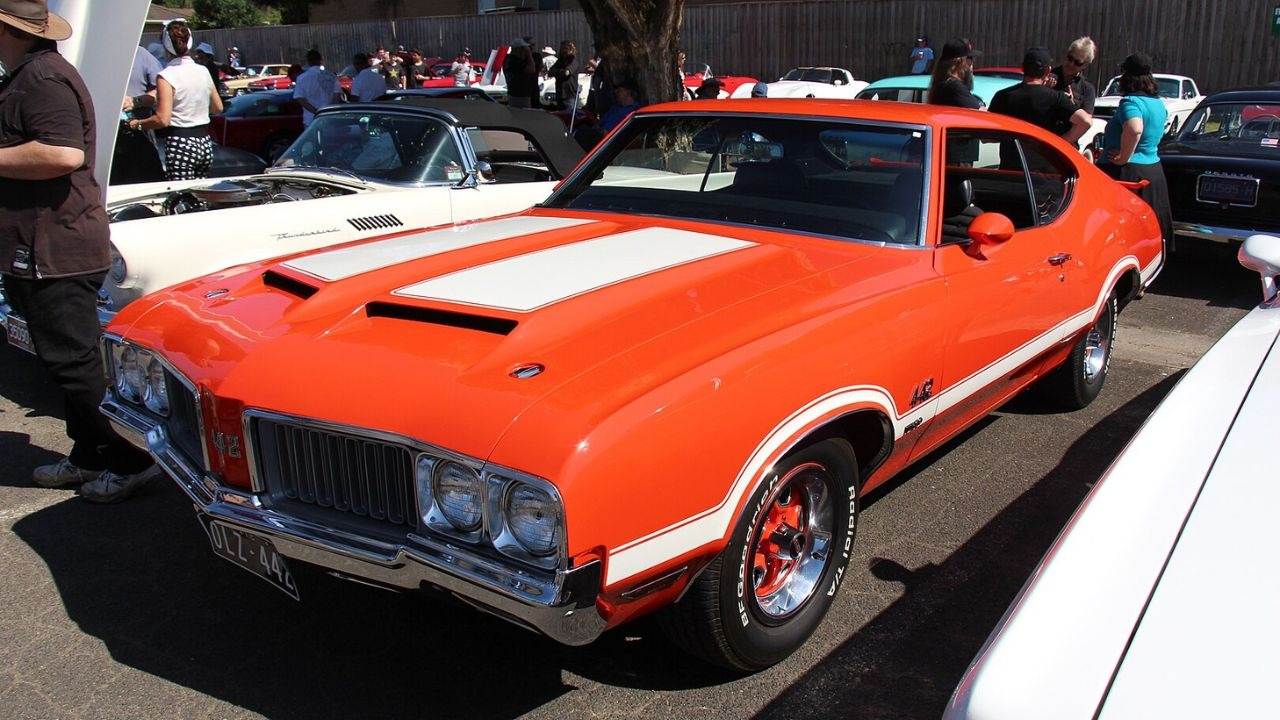
The rise of electric vehicles (EVs) has been accompanied by a fair share of debates and misconceptions. While they promise a cleaner, more sustainable future, there are certain truths about electric cars that often get overlooked. Let’s delve into eight realities that might not always make it into the spotlight.
Limited Charging Infrastructure
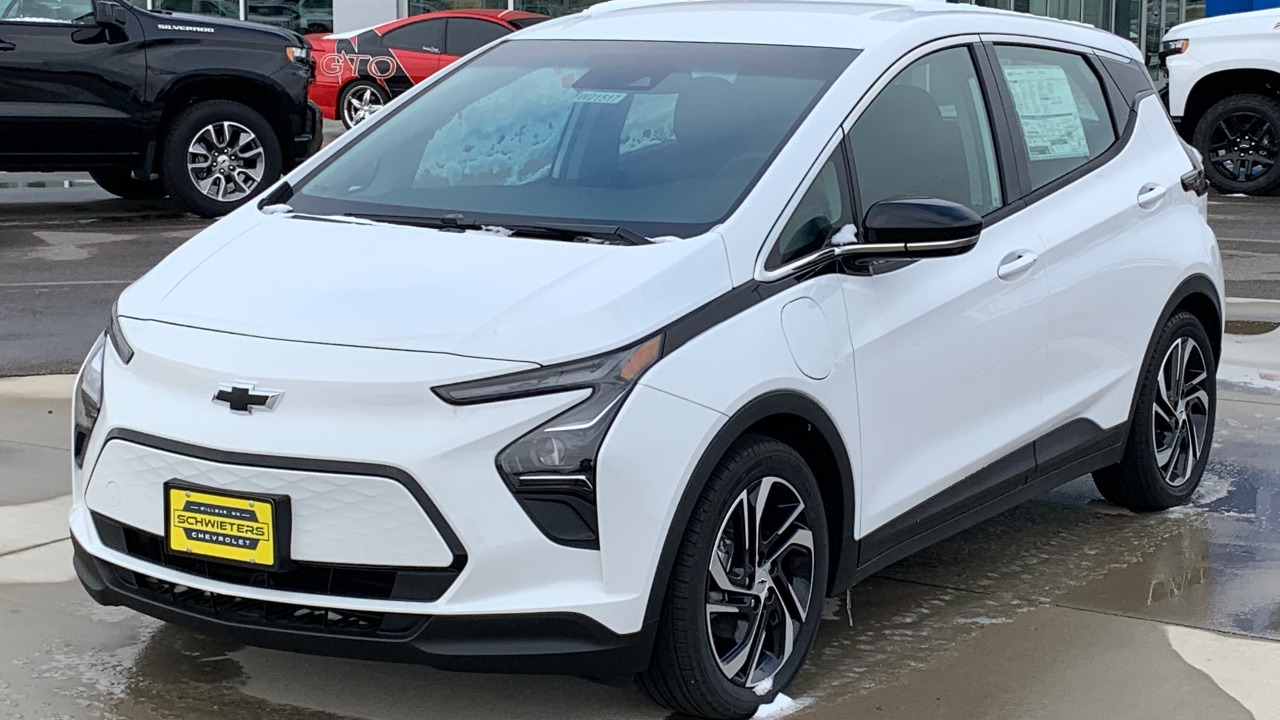
One of the most significant challenges facing electric vehicles today is the limited charging infrastructure. While urban areas are seeing rapid growth in charging stations, rural regions lag far behind. For instance, traveling across vast stretches of the Midwest can be daunting without a reliable network of charging stations.
Moreover, even in cities, the availability of fast-charging stations is not always guaranteed. This can lead to long waits and inconvenience for EV drivers, especially during peak hours. The expansion of charging infrastructure is critical to the widespread adoption of electric vehicles.
High Upfront Costs
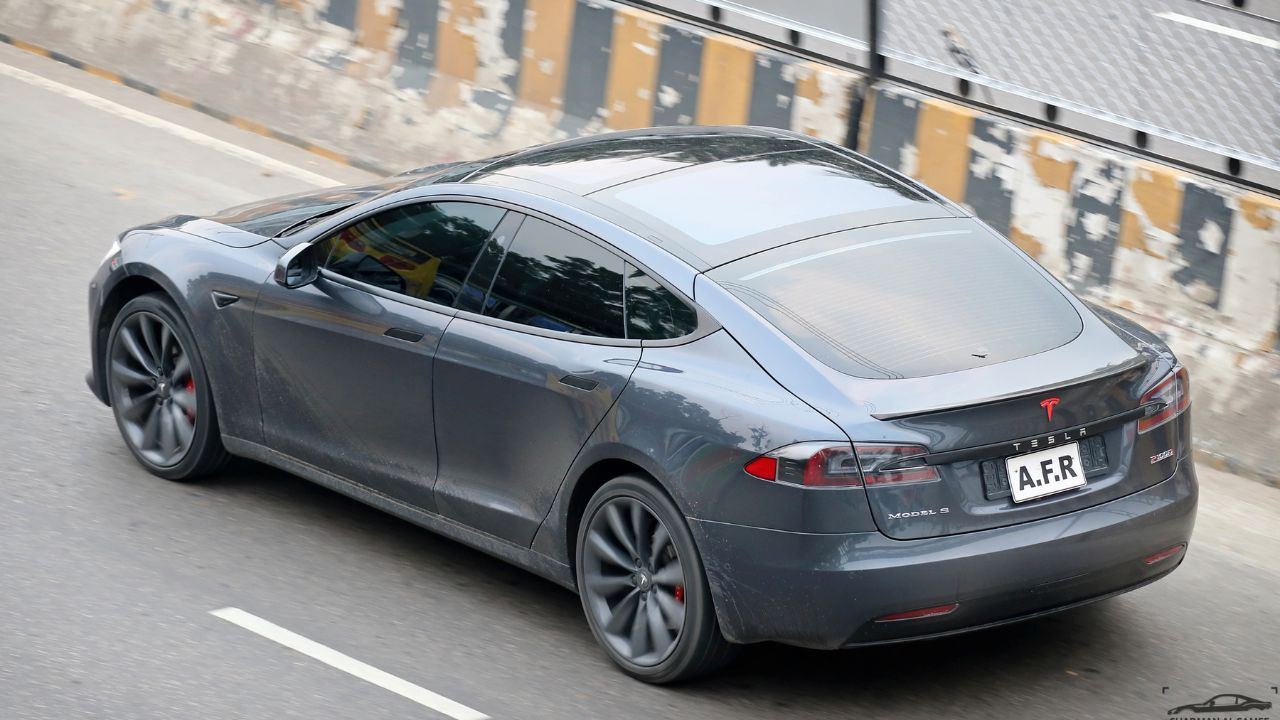
Despite the promise of saving on fuel costs in the long run, the initial price tag of electric cars remains a hurdle for many potential buyers. Models like the Tesla Model S or the Rivian R1T can cost significantly more than their gasoline counterparts. This high upfront cost can deter those who are unwilling or unable to make a substantial initial investment.
While government incentives and tax breaks can mitigate some of these costs, these programs are not always available or sufficient. The market’s hope is that as technology advances and production scales up, these costs will decrease, making EVs more accessible to the average consumer.
Battery Degradation Over Time
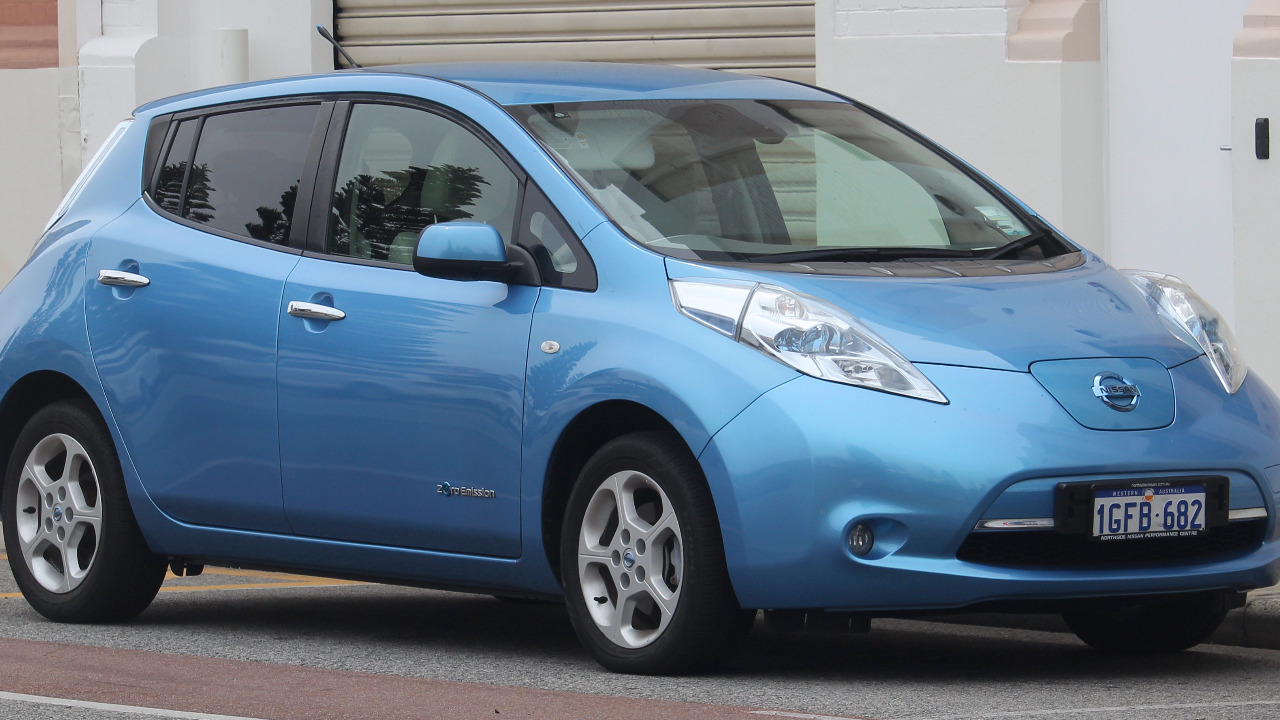
A concern for many EV owners is the degradation of batteries over time. Just like any rechargeable battery, the lithium-ion batteries used in electric vehicles degrade with use. This can result in decreased range and longer charging times as the vehicle ages.
Manufacturers are continually improving battery technology to extend lifespan, but the fear of costly replacements still looms large. For example, the battery life of a Nissan Leaf might be significantly less than what it was when new after five years, affecting its overall usability.
Environmental Impact of Battery Production
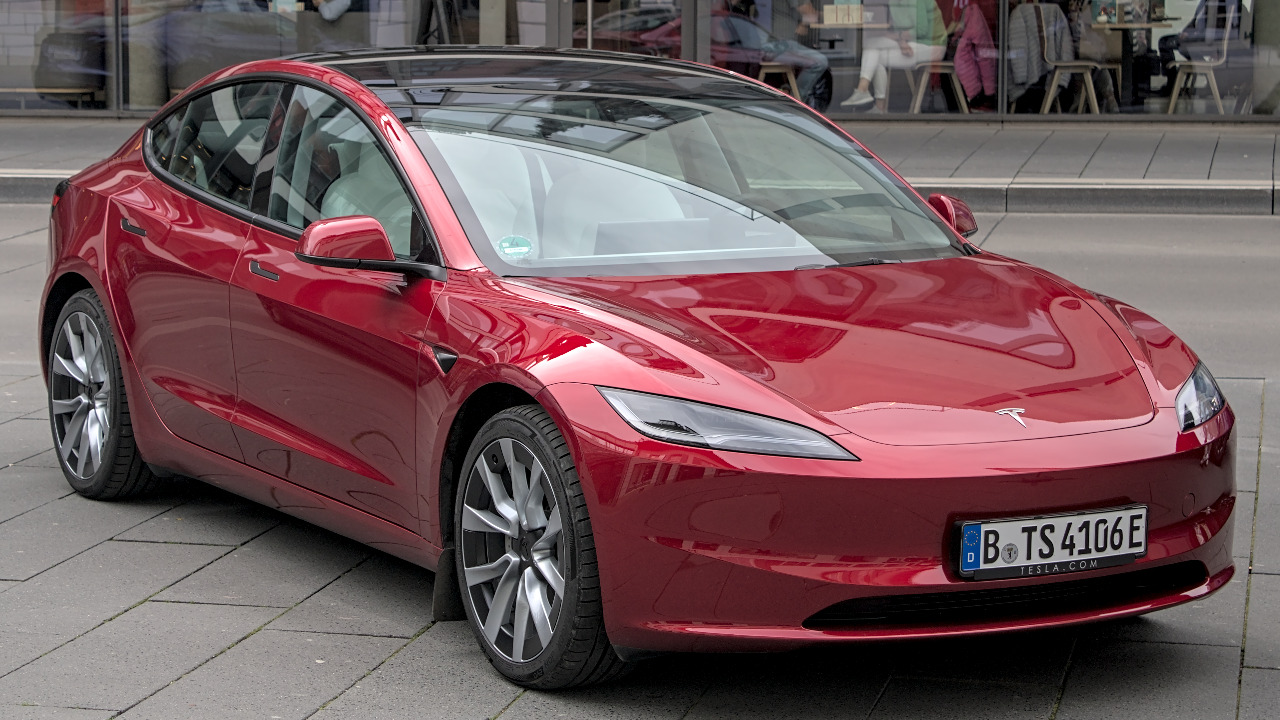
While electric vehicles are often touted as environmentally friendly, the production of their batteries can have significant ecological impacts. The extraction and processing of raw materials like lithium, cobalt, and nickel can be harmful to the environment. Additionally, battery production is energy-intensive, often relying on non-renewable energy sources.
Efforts to recycle batteries and develop sustainable mining practices are underway, but the industry has a long way to go. It’s a stark reminder that the transition to electric vehicles must consider the full lifecycle impact, not just emissions reductions from driving.
Range Anxiety
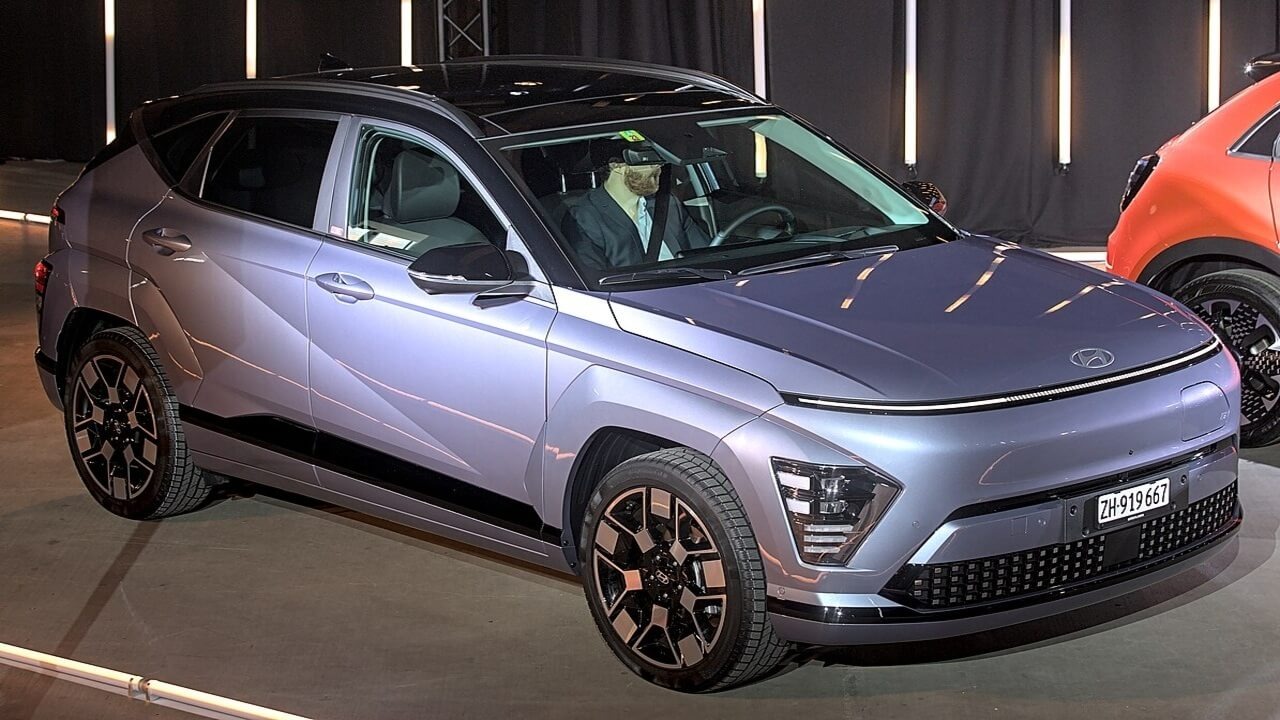
Range anxiety remains a psychological barrier for many potential EV owners. The fear of running out of charge before reaching a destination can discourage adoption, despite improvements in battery technology. While models like the Tesla Model 3 offer ranges over 300 miles, more affordable options might not.
Furthermore, real-world conditions like weather and driving habits can significantly impact range. Until charging stations become as ubiquitous as gas stations, range anxiety will continue to be a concern for many drivers.
Dependence on Rare Earth Materials
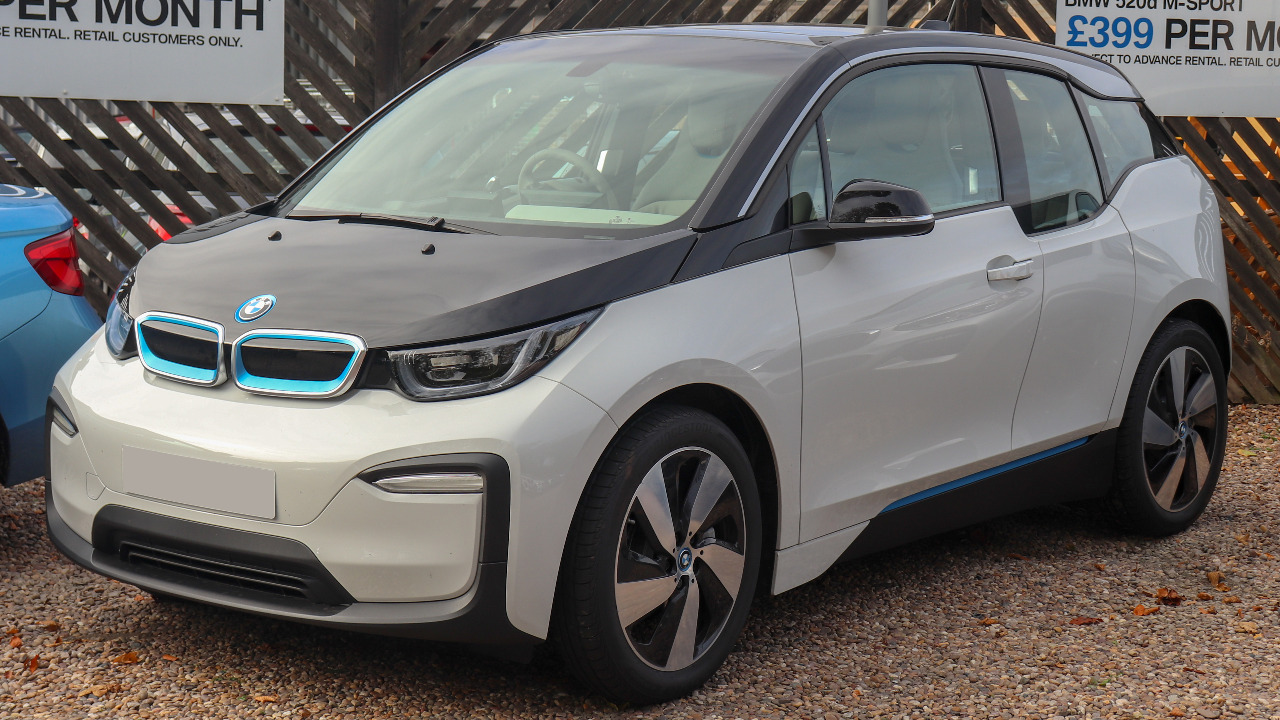
Electric vehicles rely heavily on rare earth materials for their batteries and motors. The mining and processing of these materials can be environmentally damaging and are often concentrated in a few countries, leading to geopolitical risks.
As demand for electric vehicles grows, so does the pressure on these supply chains. Companies are investing in alternative technologies and materials to reduce reliance on rare earths, but these solutions are still in development and not yet widely implemented.
Impact on Power Grids
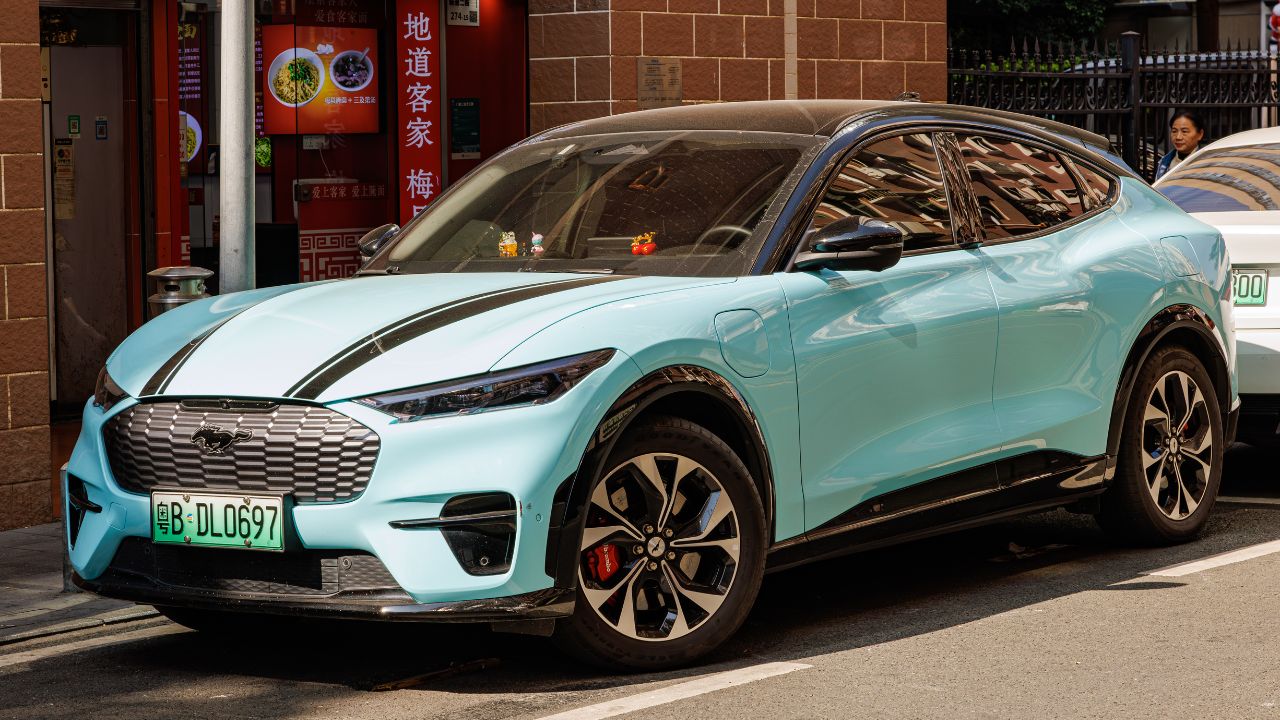
The mass adoption of electric vehicles poses challenges for existing power grids, which may struggle to accommodate increased demand. Charging an EV requires a significant amount of electricity, and if many cars are charged simultaneously, it can strain the grid.
Utilities are exploring solutions such as smart grids and time-of-use pricing to manage demand. However, these systems require substantial investment and time to implement, which could slow the transition to electric vehicles.
Resale Value Uncertainty
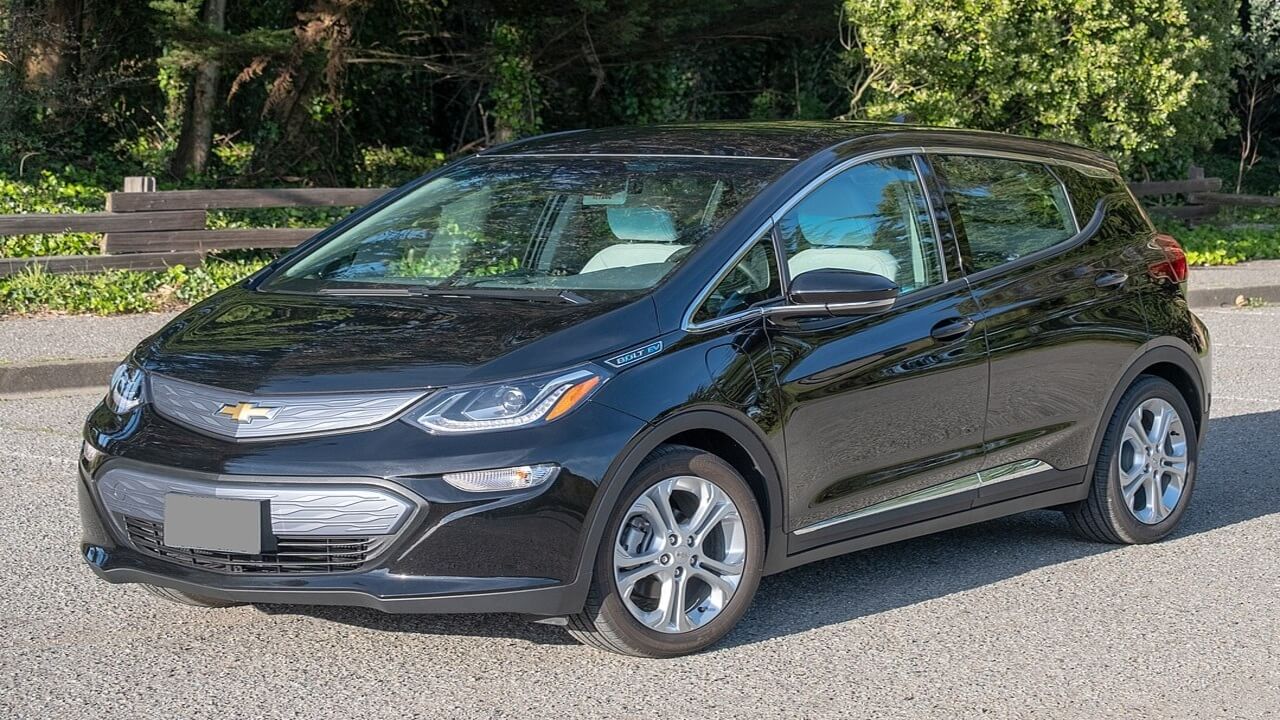
Electric vehicles currently face uncertainty in resale value. As the market and technology rapidly evolve, what’s cutting-edge today might be outdated tomorrow. This depreciation risk can deter potential buyers concerned about future resellability.
While some models, like certain Teslas, have retained their value well, others have not fared as well. As the market matures and more data becomes available, this uncertainty may decrease, but it remains a factor for now.
Like Fast Lane Only’s content? Be sure to follow us.
Here’s more from us:
*Created with AI assistance and editor review.