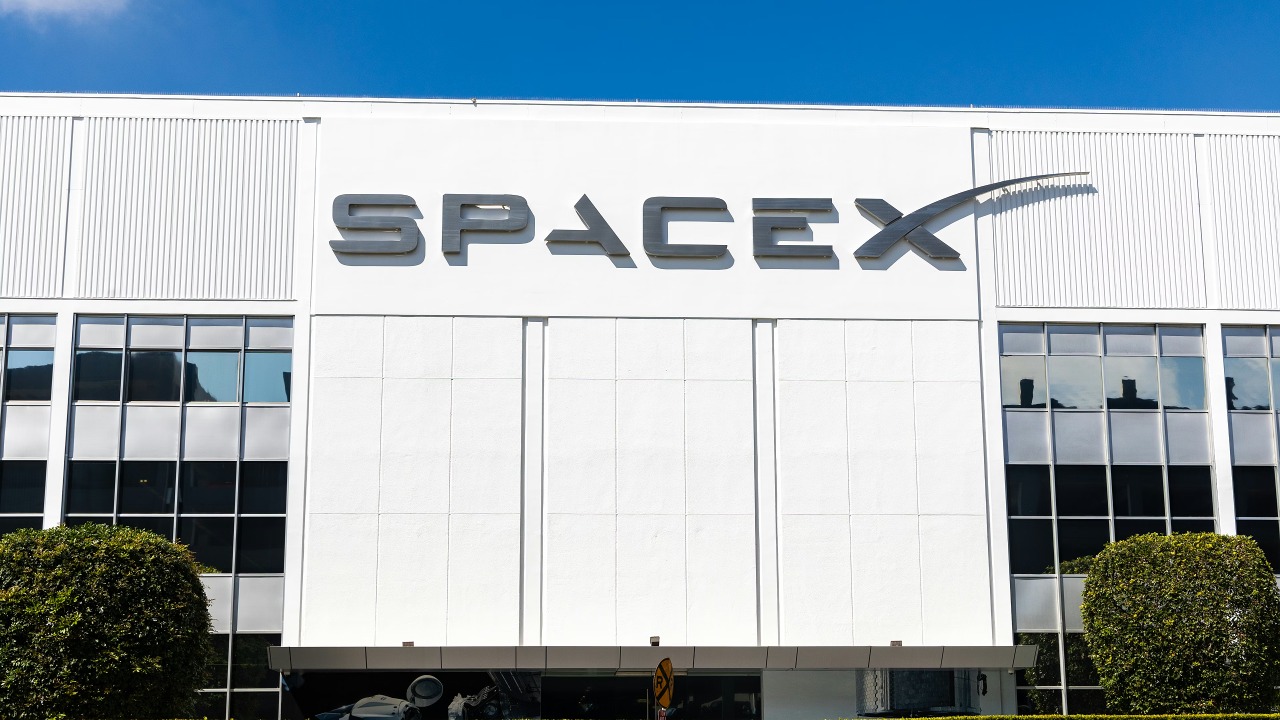
Elon Musk is increasingly turning to his own empire to keep the Cybertruck story alive. As retail demand cools and production targets slip, SpaceX and other Musk-led ventures are emerging as crucial customers for a vehicle he once framed as a cornerstone of Tesla’s future.
The strategy effectively turns the Cybertruck into an in-house fleet workhorse, helping absorb unsold inventory while Musk continues to promote it as Tesla’s standout product. It also raises sharper questions about how much real market traction the truck has earned beyond companies that Musk already controls.
From bold Cybertruck promises to a demand problem
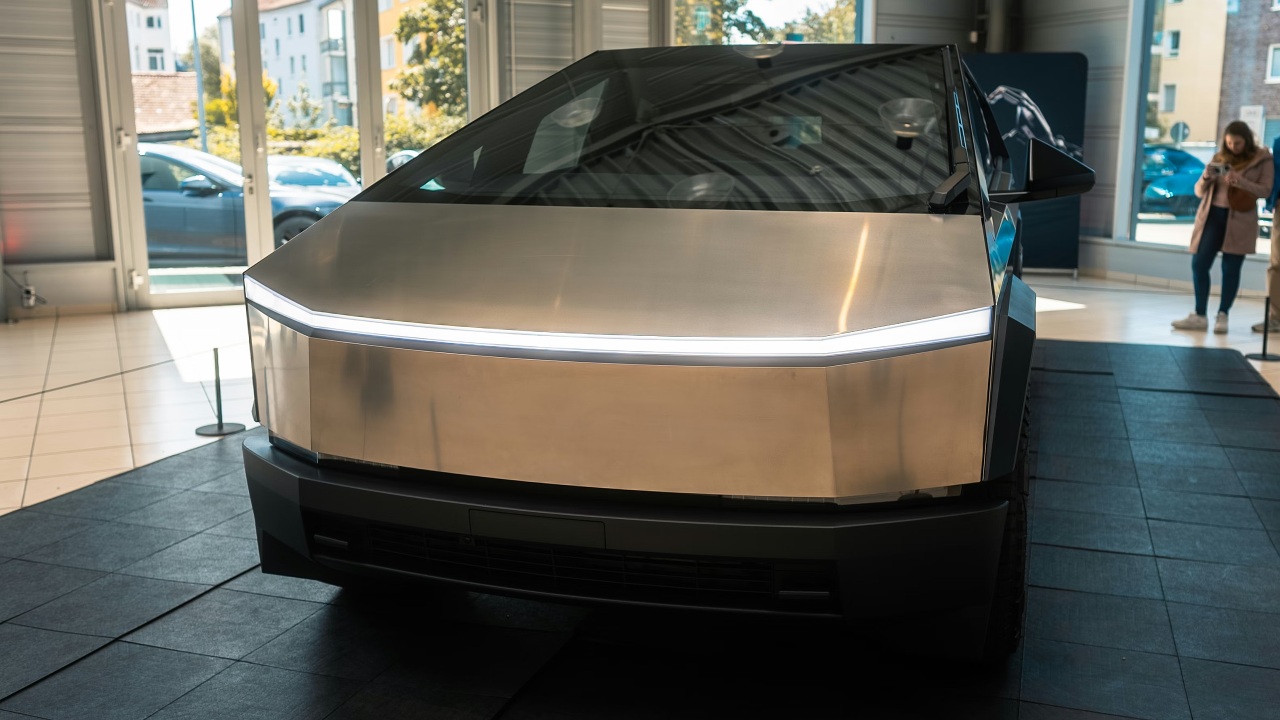
When the Cybertruck first went on sale, Tesla CEO Elon Musk set expectations sky high, talking up a future in which Tesla would be selling 250,000 units a year and positioning the stainless-steel pickup as a defining product for the brand. That ambition fit neatly with Tesla’s history of aggressive volume targets and Musk’s habit of framing each new model as a breakthrough. Yet the gap between that vision and current reality is now central to understanding why internal buyers like SpaceX matter so much.
By this year, the company had sold a little more than 16,000 Cybertrucks, a figure that is a far cry from the 250,000 that Elon Musk originally floated as an annual run rate. Reporting on Tesla’s truck business describes a model that Musk continues to praise as Tesla’s “Best Ever” and an “Incredible” vehicle, even as sales data and market reception undercut that narrative and highlight mounting Cybertruck Woes. The contrast between the rhetoric and the numbers is the backdrop for the sudden importance of bulk orders from Musk’s other companies.
SpaceX steps in as a major Cybertruck customer
Into that demand shortfall steps SpaceX, which has reportedly bought tens of millions of dollars’ worth of Cybertrucks, potentially over a hundred million dollars in total orders. I see that as more than a quirky perk for rocket engineers; it is a material new channel for a product that has struggled to find enough traditional buyers to match its hype. SpaceX has already taken delivery of hundreds of unsold Tesla Cybertrucks and is expected to receive thousands more, turning launch sites and facilities into rolling showcases for a vehicle Tesla cannot move fast enough through regular retail channels.
Additional reporting indicates that Elon Musk’s rocket and spacecraft manufacturing company has reportedly scooped up over 1000 Cybertrucks, reinforcing the idea that SpaceX is not dabbling but committing to a sizable fleet. One analysis notes that SpaceX (SPACE) may ramp up its Cybertruck purchasing to over time become one of the biggest buyers of the truck, suggesting a pipeline of future orders rather than a one-off clearance event. In effect, Cybertrucks are selling like hotcakes to Elon himself, with SpaceX’s growing fleet helping to prop up volumes that the broader consumer market has not yet delivered.
How internal orders mask weak retail traction
From a distance, large fleet deals can make a struggling product look healthier than it is, and the Cybertruck is a textbook example of that dynamic. When a single buyer, especially one tied to the same owner, absorbs hundreds or thousands of units, headline numbers can obscure how few independent customers are actually choosing the vehicle. In the most expensive version of buying one’s own book to make the numbers look better, Musk is effectively using SpaceX and other ventures to backstop a truck that has not met its original sales ambitions.
Reports describe Tesla’s Cybertruck Woes in detail, noting that despite Musk’s claims, SpaceX and xAI are stepping in to buy the trucks, as well as Twitter (now X), to help soak up inventory. Another account points out that Tesla has tried to get rid of unsold units by leaning on these affiliated buyers, with SpaceX’s fleet being filled with Cybertrucks as part of that push. When But Tesla still ends up with excess vehicles even at lower production levels, the reliance on Musk-controlled entities becomes less a clever synergy and more a sign that organic demand is not keeping pace with supply.
What this means for Tesla’s strategy and investors
For Tesla, the internal buying spree solves a short-term problem but complicates the longer-term story it has sold to investors. The company originally planned to build 250,000 Cybertrucks a year, with some commentary suggesting that number could eventually ramp even higher, framing the truck as a major profit driver. Instead, the company has sold a little more than 16,000 Cybertrucks so far this year, and is now leaning on SpaceX and related entities to keep factories busy and inventory moving. That disconnect forces investors to ask whether the Cybertruck is a niche halo product or a scalable business line.
Market reactions have been mixed. One analysis of why Tesla stock popped on a recent Thursday framed the SpaceX orders as a double-edged sword: on one hand, they help utilize capacity and generate revenue; on the other, they highlight how far short the Cybertruck has fallen from its original volume narrative. How Electrek and other observers describe the situation is telling, with some noting that Tesla (NASDAQ: TSLA) stock is reacting not only to Cybertrucks heading to SpaceX’s Starbase spaceport, but also to the realization that internal demand is doing much of the heavy lifting. For shareholders, the key question is whether these orders are a bridge to genuine market traction or a sign that the bridge leads nowhere.
Musk’s empire loop and the risk of circular demand
What is emerging around the Cybertruck is a kind of closed-loop economy inside Musk’s corporate universe. Tesla builds the trucks, then SpaceX, xAI, and Twitter (now X) buy them, creating a feedback loop in which Musk can tout growing fleets and visible deployments without necessarily proving that independent buyers are lining up. I see this as a classic case of circular demand, where revenue circulates within related entities rather than flowing in from a broad base of external customers.
One report captures the irony with the line that Cybertrucks are selling like hotcakes to Elon himself, underscoring how much of the demand is effectively self-generated. Another notes that SpaceX (SPACE) may become one of the biggest buyers of the Cybertruck, which would further concentrate sales in Musk’s own orbit. While there is nothing inherently improper about a conglomerate using its own products, the pattern raises transparency issues for anyone trying to gauge true market acceptance. Without clearer separation between internal fleet deals and external retail demand, it becomes harder to tell whether the Cybertruck is a hit with drivers or simply a favorite of its creator.