As the global focus on climate change intensifies, emissions regulations are becoming a pivotal force in shaping the future of car design. With governments worldwide implementing stricter standards, automakers are compelled to innovate and adapt. These regulations are influencing the evolution of automotive design and technology, pushing manufacturers to rethink traditional approaches.
The Evolution of Emissions Regulations
Historical Overview of Emissions Standards
Emissions regulations first emerged in the late 20th century as environmental concerns began to take center stage. The Clean Air Act of 1970 in the United States marked a significant milestone, setting the stage for future policies aimed at reducing vehicular pollution. This legislation introduced the first set of national emissions standards, targeting pollutants such as carbon monoxide and nitrogen oxides. Over the years, these regulations have evolved, with amendments in the 1990s further tightening the limits and broadening the scope to include more pollutants.
Globally, similar initiatives have been seen. The European Union introduced its Euro emissions standards in the early 1990s, which progressively became stricter with each iteration. Each new standard, from Euro 1 in 1992 to Euro 6 in recent years, has aimed to significantly cut emissions of NOx, particulates, and other harmful substances. These regulatory milestones have driven innovation in automotive engineering, pushing manufacturers to develop cleaner, more efficient technologies.
Current Global Regulatory Landscape
Today, the global regulatory landscape is a patchwork of different standards, each reflecting regional priorities and capabilities. Europe leads with some of the strictest emissions standards, with countries like Norway setting ambitious targets to phase out internal combustion engines entirely by 2025. In North America, both the U.S. and Canada have implemented rigorous emissions regulations, although the specific targets and timelines can differ. For instance, California often adopts stricter rules than the federal government, influencing automakers’ strategies significantly.
In Asia, countries like China are rapidly advancing their emissions policies. China has become a major player in the push for electric vehicles (EVs), driven by a combination of regulatory pressure and market demand. The country’s New Energy Vehicle (NEV) mandate requires automakers to sell a certain percentage of zero-emission vehicles each year. International agreements, such as the Paris Agreement, further underscore the global commitment to reducing greenhouse gas emissions, encouraging nations to adopt more stringent measures.
Impact on Automotive Design and Engineering
Innovations in Engine Technologies
The shift from traditional internal combustion engines to hybrid and electric powertrains is one of the most significant impacts of emissions regulations on automotive design. Automakers like Tesla with its 2023 Model S, have led the charge by exclusively producing electric vehicles that meet or exceed current emissions standards. Hybrid models, such as the Toyota Prius, have also seen significant advancements with improved fuel efficiency and reduced emissions, driven by regulatory demands.
Developments in fuel efficiency have been crucial in meeting emissions goals. Technologies such as direct fuel injection, turbocharging, and variable valve timing have become commonplace, allowing manufacturers to extract more power from smaller engines while reducing emissions. Automakers are also investing in alternative fuels, such as hydrogen, to diversify their offerings and meet future regulatory requirements.
Aerodynamics and Lightweight Materials
Reducing vehicle weight is another critical factor in achieving emissions targets. Lighter vehicles require less energy to move, directly impacting fuel efficiency and emissions. Automakers are increasingly using advanced materials like carbon fiber and aluminum to reduce weight without compromising safety or performance. For example, the BMW i8 utilizes a carbon fiber-reinforced plastic body to achieve a lighter weight and improved efficiency.
Aerodynamics also play a crucial role in minimizing emissions. Streamlined designs reduce drag, allowing vehicles to travel further on the same amount of energy. The Audi e-tron GT, with its sleek design, showcases how manufacturers are integrating aerodynamic principles with aesthetics to create vehicles that are both efficient and visually appealing.
The Role of Electric Vehicles
Growth of the Electric Vehicle Market
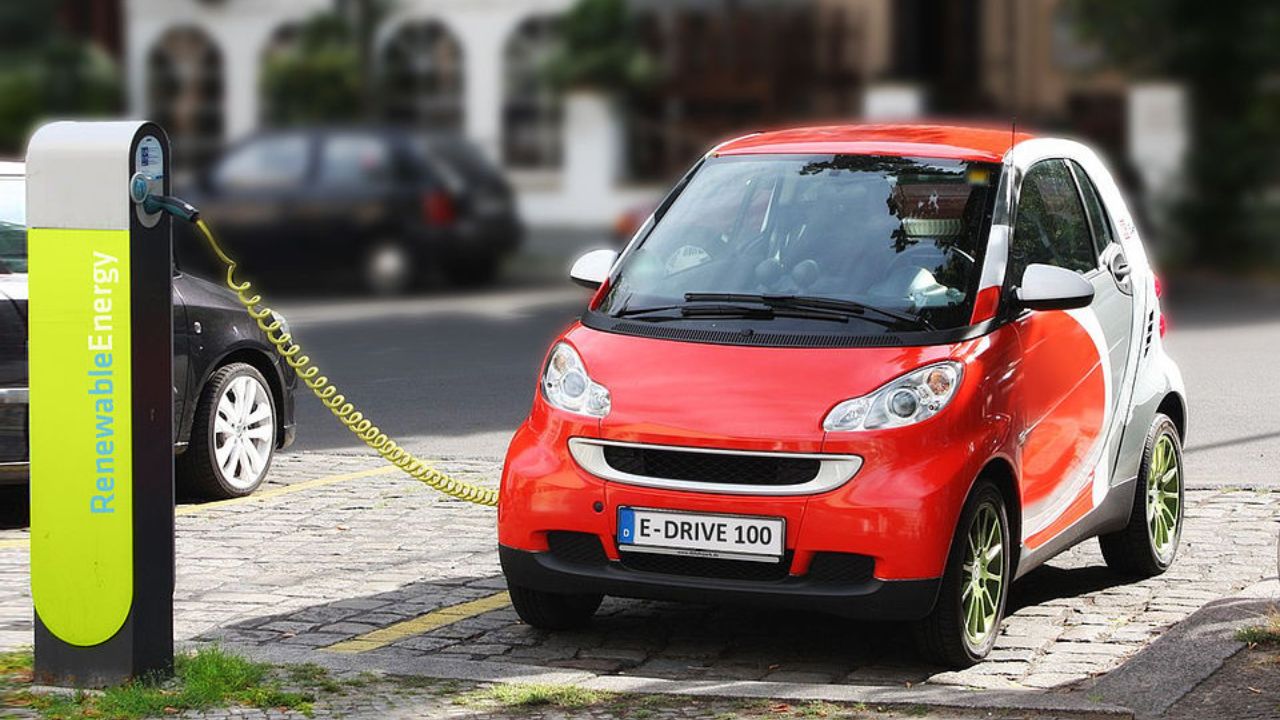
The electric vehicle market has witnessed exponential growth, driven by a combination of regulatory incentives and consumer demand. Governments worldwide are offering tax rebates, grants, and other incentives to encourage EV adoption. For instance, the U.S. offers federal tax credits for EV purchases, while countries like Norway offer tax exemptions and free tolls for electric cars like the 2022 Nissan Leaf.
Emissions regulations have also fueled innovation in the EV sector. Manufacturers are investing heavily in research and development to enhance battery technology, reduce costs, and increase driving range. The introduction of solid-state batteries, for example, promises to revolutionize the industry by offering higher energy densities and faster charging times.
Challenges and Opportunities for EV Infrastructure
While the growth of electric vehicles presents numerous opportunities, it also poses significant challenges, particularly in terms of infrastructure. Expanding the charging network is crucial to support the increasing number of EVs on the road. Initiatives like Electrify America’s charging stations are helping to address this need, providing fast-charging options to reduce downtime for drivers.
Battery technology and range anxiety remain significant hurdles for widespread EV adoption. However, advancements in battery chemistry and energy management systems are continually improving range and reliability. Companies like Tesla are leading the charge with models like the 2024 Tesla Model 3, which offers impressive range and performance, helping to alleviate concerns and encourage more consumers to make the switch to electric.
Automakers’ Strategies and Adaptations
Collaborations and Partnerships
To navigate the complex landscape of emissions regulations, automakers are increasingly forming partnerships and collaborations. Joint ventures between traditional automakers and tech companies are becoming commonplace, allowing for a sharing of expertise and resources. For instance, the collaboration between Ford and Google aims to develop advanced data-driven solutions for sustainable vehicle design.
Automotive startups focusing on sustainable design are also on the rise. Companies like Rivian are making waves with innovative electric trucks and SUVs, challenging established manufacturers to rethink their strategies. These startups often bring fresh perspectives and agile approaches to the table, accelerating the pace of innovation in the industry.
Investment in Research and Development
Automakers are investing heavily in research and development to meet emissions targets and stay competitive in the evolving market. This commitment is evident in the billions of dollars allocated annually to explore alternative fuels and propulsion systems. Companies like General Motors have announced plans to transition to an all-electric future, with a goal to eliminate tailpipe emissions from new light-duty vehicles by 2035.
Exploring alternative fuels such as hydrogen and biofuels is also part of the strategy for many manufacturers. Toyota, for example, is investing in hydrogen fuel cell technology, with models like the 2023 Toyota Mirai showcasing the potential of this clean energy source. By diversifying their energy sources, automakers aim to offer a broader range of options to meet diverse consumer needs and regulatory requirements.
Future Trends in Car Design
Autonomous and Connected Vehicle Integration
As emissions regulations continue to evolve, they are also shaping the development of autonomous and connected vehicles. These technologies have the potential to significantly reduce emissions by optimizing traffic flow and reducing congestion. The integration of smart transportation systems, like those being developed by Waymo, could lead to more efficient and sustainable urban mobility solutions.
Autonomous vehicle design is increasingly incorporating eco-friendly features, such as electric powertrains and lightweight materials, to align with emissions targets. The 2025 Mercedes-Benz EQS, for example, combines autonomous driving capabilities with an all-electric platform, offering a glimpse into the future of sustainable transportation.
Consumer Influence and Societal Trends
Consumer demand for sustainable and eco-friendly vehicles is driving significant changes in car design. The growing awareness of environmental issues has led to an increased preference for vehicles that offer lower emissions and greater efficiency. Automakers are responding by expanding their portfolios to include more hybrid and electric options, such as the 2026 Ford Mustang Mach-E, which combines performance with sustainability.
Public perception plays a crucial role in shaping design changes. As consumers become more environmentally conscious, they are more likely to support brands that prioritize sustainability. This shift in consumer behavior is influencing automakers to not only meet regulatory requirements but also exceed them, striving to create vehicles that align with the values and expectations of their customers.