
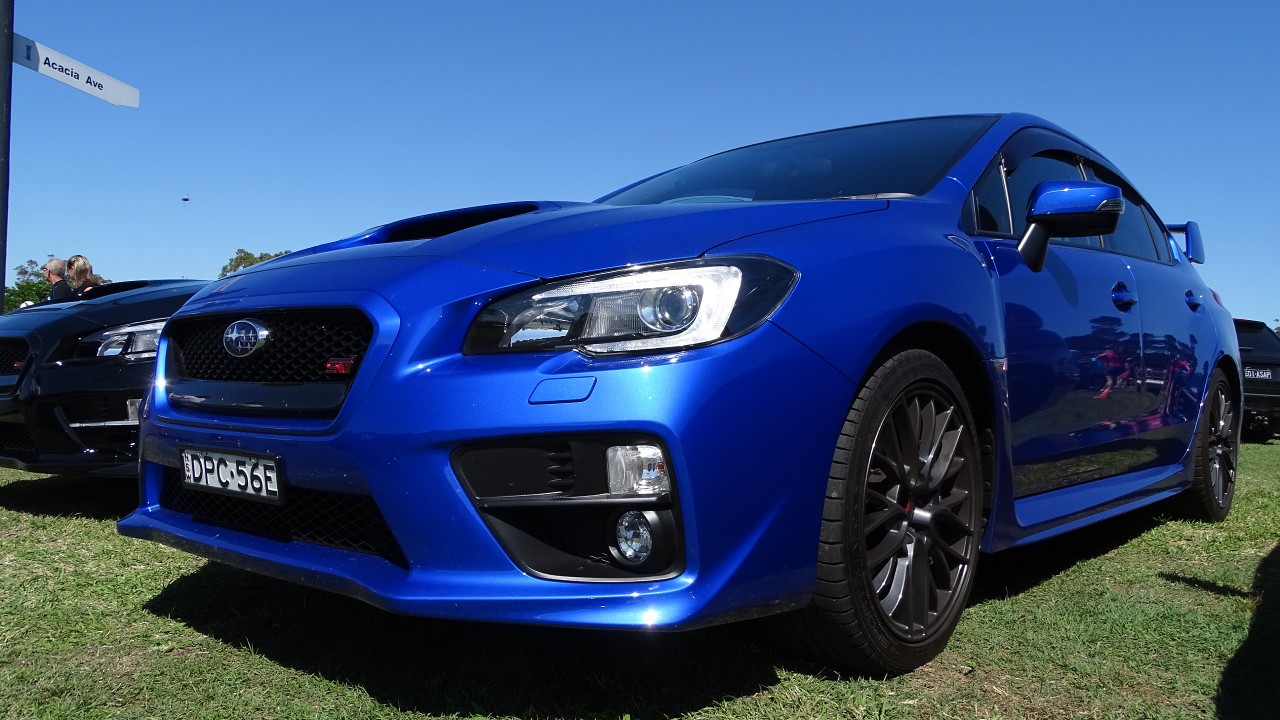
For decades, engineers have used small-displacement engines to prove that raw capacity is not the only path to victory. By pairing compact cylinders with clever breathing, high revs, and forced induction, they have built powertrains that punched far above their size and reshaped how performance is measured. I see a clear pattern across racing and road cars alike: when rules, fuel prices, or emissions tightened the screws, small engines often became the sharpest competitive tools.
Turbocharged four-cylinders that humbled bigger rivals
Turbocharging turned modest four-cylinders into giant killers, especially when racing regulations capped displacement but not boost. Engineers realized they could extract V8-level power from engines barely over 1.5 liters by forcing in more air, then managing heat and detonation with sophisticated fueling and cooling. That approach let compact powerplants dominate series where outright capacity had once ruled, proving that efficiency and clever tuning could outgun brute size.
On the road, this philosophy showed up in production cars that delivered serious performance from small blocks while meeting tightening emissions and fuel economy rules. Hot hatchbacks and compact sedans used turbo fours to match or exceed the output of older six-cylinder models, often with better drivability and lower running costs. These engines did not just keep pace with larger competitors, they often set new benchmarks for specific output and real-world speed, especially once electronic engine management matured.
High-revving naturally aspirated engines that rewrote the rulebook
Not every small-displacement success relied on forced induction. Some of the most influential engines proved that revs and breathing could substitute for cubic inches, using lightweight internals, aggressive cam profiles, and advanced valvetrain control to make power at stratospheric rpm. By stretching redlines far beyond what big, long-stroke engines could safely handle, these designs turned modest swept volume into serious horsepower, especially in racing categories that banned turbocharging.
On the street, high-revving small engines helped define entire eras of performance cars, particularly in markets where taxation or insurance penalized large displacement. Compact sports coupes and sedans used 1.6 to 2.0 liter units that came alive near the top of the tachometer, rewarding drivers who kept them on the boil. These engines often became cult favorites, not because they produced the highest peak numbers on paper, but because they delivered a race-bred character that larger, lazier powerplants could not match.
Racing regulations that turned small engines into secret weapons
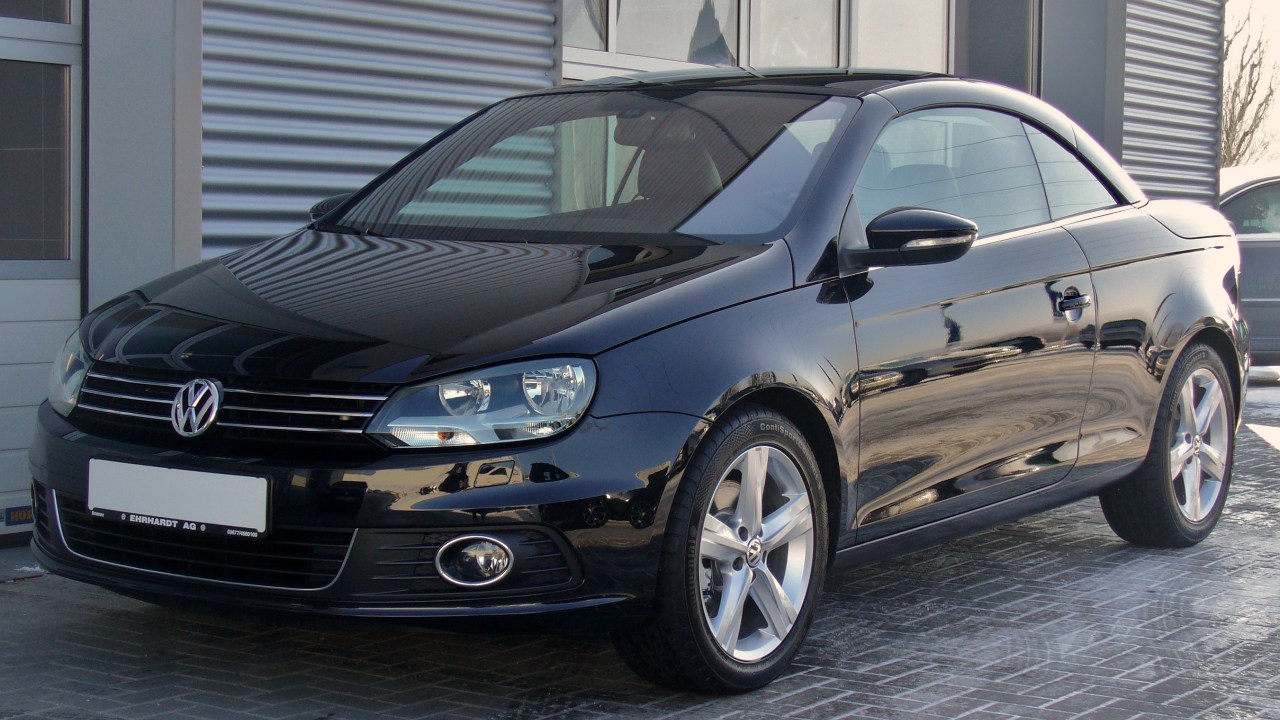
Racing rulebooks have repeatedly nudged manufacturers toward small displacement, then watched as those constraints produced some of the most advanced engines ever built. When series organizers limited capacity to control speeds or costs, engineers responded by pushing combustion efficiency, materials, and boost to extremes. The result was a series of compact power units that delivered staggering specific outputs, often far beyond what road-going engines of the same era could achieve.
These motors did more than win trophies. They served as rolling laboratories for technologies that later filtered into everyday cars, from sophisticated turbocharging strategies to direct injection and downsized hybrid powertrains. By proving that small engines could survive full-throttle abuse over race distances while still delivering competitive power, they gave manufacturers the confidence to apply similar ideas to mass-market models, where durability and efficiency mattered just as much as outright speed.
Road-going downsizing and the everyday performance payoff
As emissions standards tightened and fuel prices climbed, carmakers increasingly turned to downsized engines to keep performance alive without sacrificing efficiency. Small-displacement units paired with turbochargers, direct injection, and advanced variable valve timing allowed family cars and crossovers to deliver the kind of torque once associated with larger six-cylinder engines. I have watched this shift turn what used to be a compromise into a mainstream expectation: buyers now assume a 1.4 or 2.0 liter engine can comfortably move a mid-size vehicle while still returning respectable fuel economy.
This transition also changed how performance is delivered in daily driving. Instead of chasing high rpm power peaks, many modern small engines focus on a broad torque plateau, giving strong pull from low and mid-range revs where most drivers spend their time. That approach, combined with multi-speed automatic or dual-clutch transmissions, means a compact engine can feel relaxed and responsive in traffic yet still deliver brisk acceleration when asked. The success of these packages has reinforced the idea that displacement alone is a poor proxy for real-world capability.
Hybrid and electrified pairings that amplify small engines
The latest chapter in this story pairs small combustion engines with electric assistance, using hybrid systems to cover the traditional weaknesses of downsized powertrains. Electric motors provide instant torque off the line and during low-speed driving, letting the engine operate in its most efficient range more often. That combination allows manufacturers to use smaller, lighter engines without sacrificing responsiveness, especially in heavier vehicles where a naturally aspirated large-displacement unit would once have been the default choice.
In performance hybrids, this synergy becomes even more pronounced. A compact turbocharged engine can be tuned aggressively for high-load operation while electric motors handle low-speed duties and torque fill during gear changes. The result is a drivetrain that delivers both strong acceleration and improved efficiency compared with an equivalent purely combustion setup. As battery and control technologies continue to improve, I expect small engines working in concert with electric power to remain a central strategy for balancing performance, emissions, and packaging constraints.


Leave a Reply