
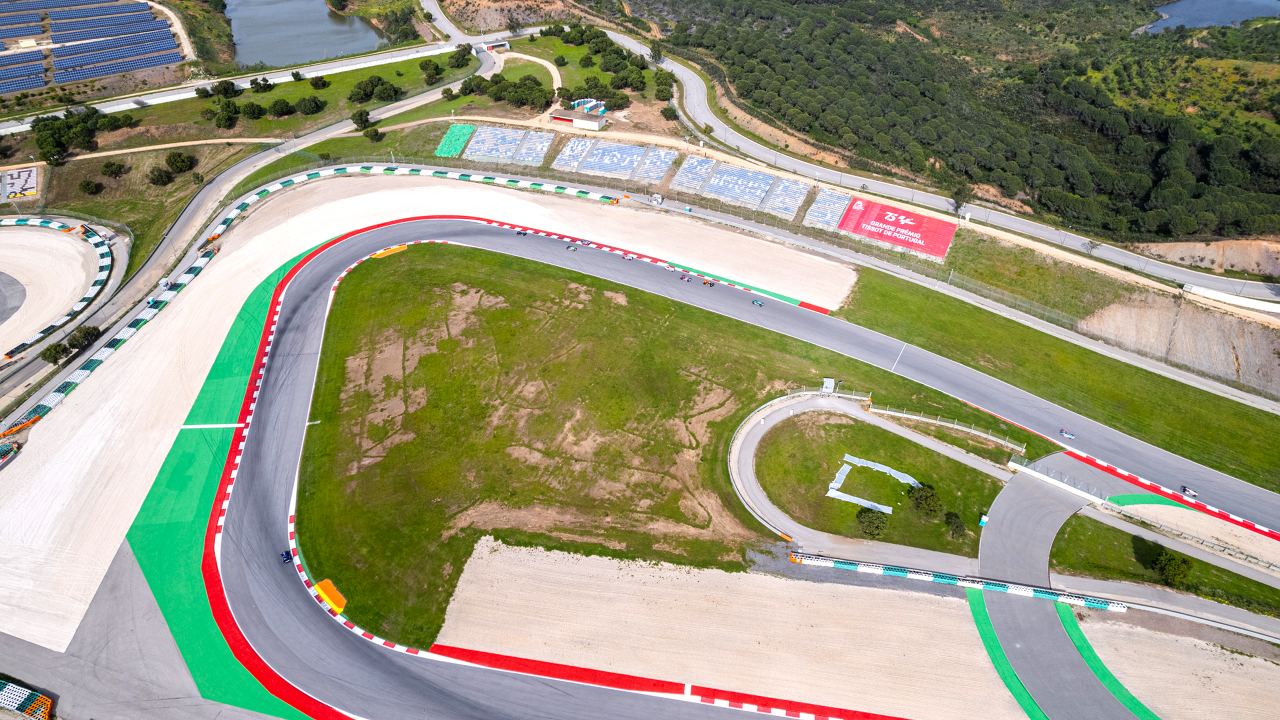
Portugal’s Algarve International Circuit at Portimão is officially back on the Formula 1 map, with a fresh deal that will return the Portuguese Grand Prix to the calendar from 2027. After a six year absence, the undulating coastal track is set to rejoin the championship as a full-time stop rather than an emergency stand in, a shift that signals how highly teams and fans now rate the circuit’s blend of spectacle and technical challenge.
The agreement locks in Portimão for at least two seasons and restores a race that quickly became a fan favorite during its brief pandemic cameo. I see this as more than a nostalgic nod, it is a statement that Formula 1 still has room for demanding “driver’s circuits” alongside its expanding roster of street venues and new markets.
Portimão’s confirmed 2027–2028 deal puts Portugal back on the map
The core news is simple and significant: Formula 1 has confirmed that Portugal will return to the world championship calendar in 2027 and 2028, with races at the Algarve International Circuit in Portimão. The series has agreed a multi year deal with the promoter that secures the Portuguese Grand Prix as a scheduled event rather than a stopgap, reversing its disappearance after 2021 and giving teams a clear medium term horizon for planning logistics and car development around the track’s specific demands. Official statements describe the agreement as a long term commitment to the country, underlining that this is not a one off experiment but a deliberate reinvestment in the region’s motorsport infrastructure, as reflected in the formal confirmation that Portimão will join the calendar from 2027.
That decision restores a race that had been missing from the schedule for six seasons, after Portimão stepped in during the pandemic to host the Portuguese Grand Prix in 2020 and 2021 before dropping off the roster again. The new contract brings the event back as a fixed feature of the late decade calendar, with reporting describing it as a “historic return set for Portugal in Formula 1” and highlighting that the Autódromo Internacional do Algarve has secured a multi year Formula 1 deal rather than a provisional slot. By tying the race to 2027 and 2028, Formula 1 is signaling that it sees strategic value in the Portuguese market and in the circuit itself, not just as a contingency venue but as a regular stop that can anchor fan engagement across the Iberian Peninsula.
A fan favorite circuit built on elevation, risk and “incredible” crowds
Portimão’s comeback is not happening in a vacuum, it is powered by the reputation the circuit built during its short stint on the calendar. Drivers and teams praised the Algarve layout for its dramatic elevation changes, blind crests and high speed corners that punish mistakes and reward commitment, a profile that stands apart from the flat, right angle geometry of many modern street tracks. Reports on the new deal repeatedly point to the Autódromo Internacional do Algarve’s “technical racing value” and its status as a genuine permanent circuit, with the return framed as evidence that Formula 1 still values challenging layouts over pure commercial showpieces that prioritize hospitality suites over racing lines.
Equally important has been the response from the grandstands. Coverage of the 2027 agreement highlights how the venue’s “incredible” fans helped secure the race’s reinstatement, with officials citing the atmosphere in the stands and the noise around the circuit as a key factor in negotiations. The Portuguese Grand Prix is described as having crowds that “get fans out of their seats,” a level of engagement that matters in an era when Formula 1 is chasing television audiences and social media metrics as aggressively as ticket sales. By rewarding a circuit where the fan experience is already proven, the championship is effectively telling promoters that passionate, visible support can influence long term calendar decisions.
Why Formula 1 is betting on Portimão’s challenge over pure spectacle
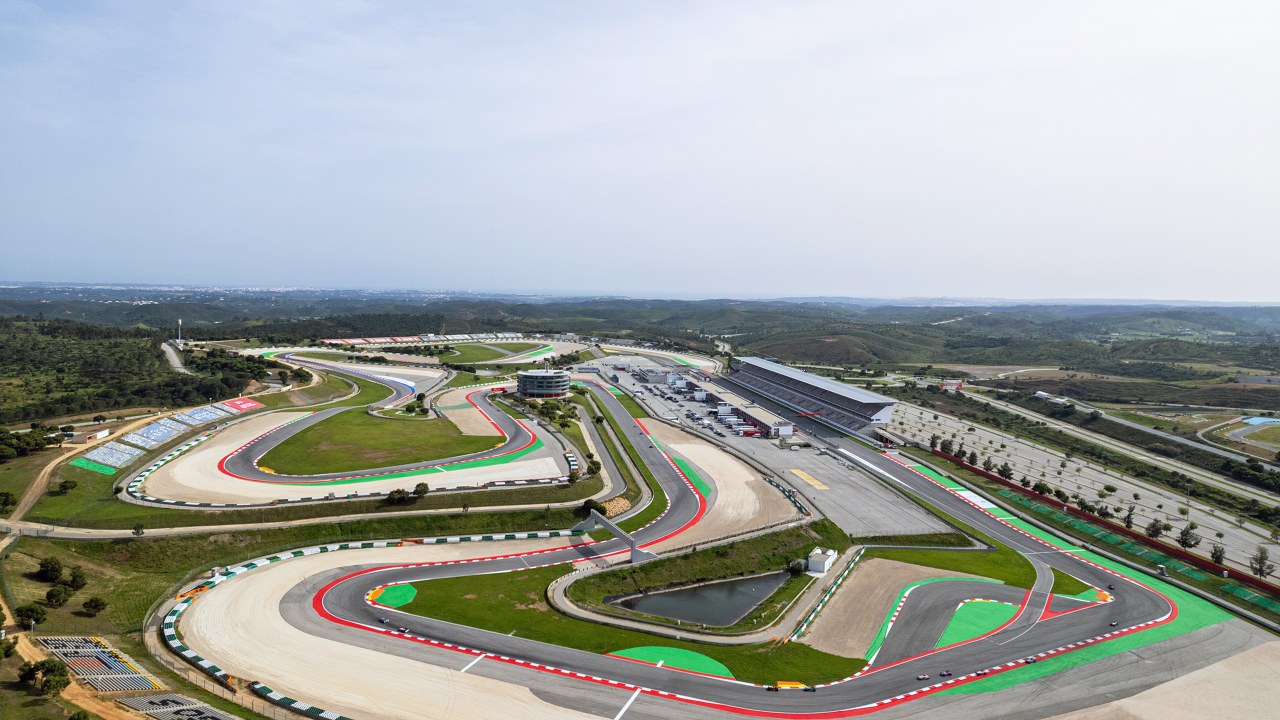
From a competitive standpoint, Portimão’s return is a quiet rebuke to the idea that Formula 1 is drifting toward a calendar dominated by temporary city layouts and destination events. Analysis of the 2027 deal stresses that bringing back Portimão shows the sport still values “challenge over spectacle,” with the Algarve circuit cited as an example of a track that tests drivers and engineers as much as it entertains VIP guests. The layout’s mix of fast, flowing sections and slower technical complexes forces teams to make difficult setup compromises, while the constant elevation changes complicate everything from brake cooling to tire management, a profile that tends to produce strategic variety even when outright overtaking is limited.
That emphasis on difficulty matters in the context of the current ground effect regulations, which have sometimes struggled to deliver consistent racing at narrow or low speed venues. Portimão’s wide runoff areas and high speed arcs give drivers confidence to attack, while the blind crests and off camber entries punish those who misjudge grip levels, creating a natural separation between those who can extract the last few tenths and those who cannot. Commentators have framed the decision to reinstate the Portuguese Grand Prix as proof that Formula 1 is still willing to prioritize circuits that stretch the field’s abilities, even as it continues to add new markets and street races elsewhere on the calendar.
Strategic stakes for Portugal, Iberia and the wider F1 calendar
For Portugal itself, securing the Portuguese Grand Prix for 2027 and 2028 is a major economic and branding win. The Algarve region has invested heavily in the Autódromo Internacional do Algarve as a multi purpose motorsport hub, hosting categories from MotoGP to endurance racing, and a locked in Formula 1 slot gives that investment a global showcase. Reporting on the new deal frames it as a “historic return set for Portugal in Formula 1,” with local authorities expecting a surge in tourism, hospitality revenue and international exposure that extends beyond race week, particularly as Portimão markets itself as a year round testing and track day destination for manufacturers and private teams.
The move also reshapes the Iberian balance of power. With Spain already on the calendar, adding Portugal back into the mix strengthens the region’s status as a core European cluster for Formula 1, similar to the way Italy and Austria anchor central Europe. That concentration can make logistics more efficient for teams, who can move freight and personnel between nearby venues with less time and cost than long haul flyaway races. At the same time, it raises competitive pressure on other European circuits that are fighting to keep their own contracts, since the calendar has a finite number of slots and Formula 1 has been clear that it wants to maintain a global spread that includes the Middle East, the Americas and Asia alongside its traditional European heartland.
What Portimão’s return signals about F1’s future priorities
Looking ahead, I see Portimão’s reinstatement as a useful barometer of where Formula 1 wants to go in the late 2020s. The championship is still expanding into new territories, but the decision to lock in a circuit like the Autódromo Internacional do Algarve suggests that heritage style permanent tracks with strong fan cultures will continue to have a place alongside glitzy newcomers. The language around the 2027 deal, which highlights both the “historic return” for Portugal and the circuit’s “technical racing value,” points to a blended strategy in which the sport tries to balance commercial growth with on track credibility.
For fans, the message is equally clear. When a venue that produced memorable races and “incredible” atmospheres during its brief stint on the calendar is rewarded with a multi year contract, it reinforces the idea that vocal, engaged support can shape the sport’s direction. Portimão’s rollercoaster layout, coastal backdrop and committed crowds have earned it a second life in Formula 1, and if the next generation of cars can exploit the circuit’s full potential, the Portuguese Grand Prix could become one of the defining European rounds of the late decade. In a calendar increasingly crowded with neon drenched street races, the Algarve’s return is a reminder that pure driving challenge still has a powerful voice in the paddock.




Leave a Reply