Throughout automotive history, some vehicles have been released to the public that perhaps should have stayed on the drawing board. These cars often featured design flaws, safety issues, or simply did not stand the test of time. Here’s a look at 12 factory cars that, for various reasons, should’ve been outlawed.
The Ford Pinto
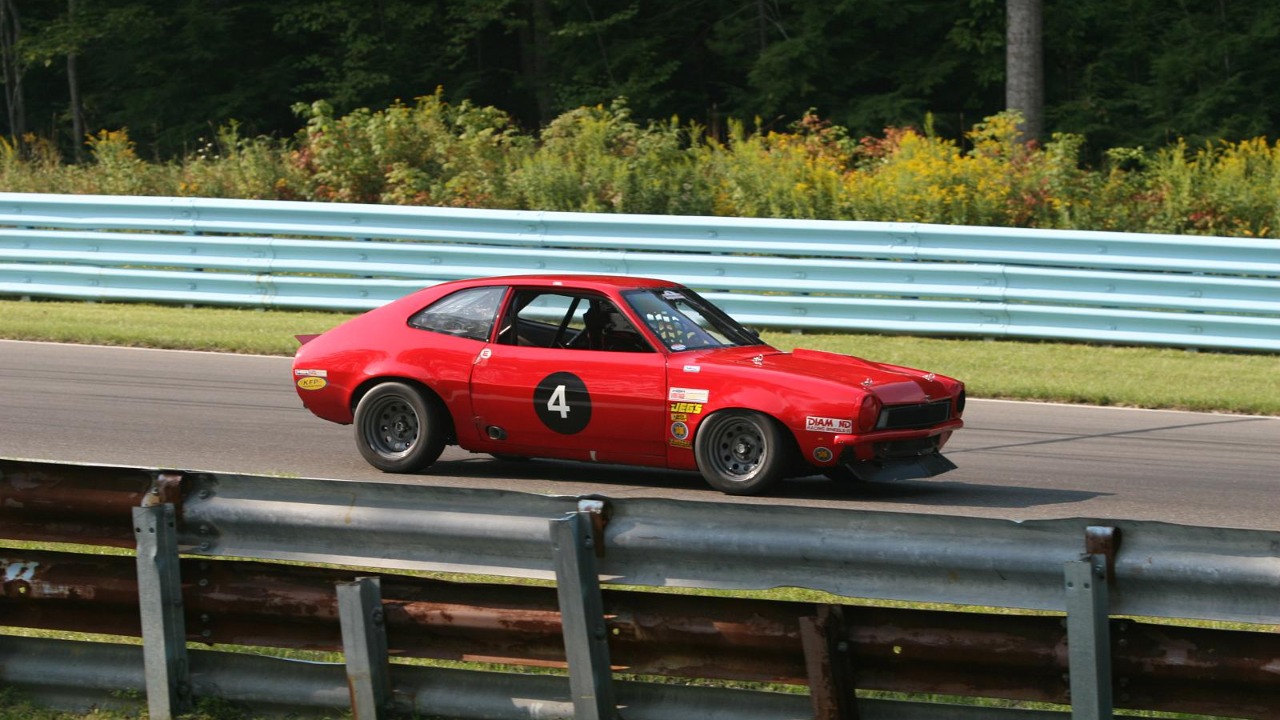
The Ford Pinto is infamous for its controversial design flaw that led to fires during rear-end collisions. Manufactured from 1971 to 1980, the Pinto’s fuel tank placement made it particularly vulnerable to explosions, resulting in numerous lawsuits and a tarnished reputation for Ford. The Pinto became a symbol of corporate negligence, as documents revealed that Ford had calculated it was cheaper to pay legal damages than to fix the design flaw.
Even today, the Pinto is often cited in discussions about automotive safety and corporate ethics. Despite its affordability and popularity at the time, the Pinto’s legacy is a cautionary tale in the auto industry.
Chevrolet Corvair
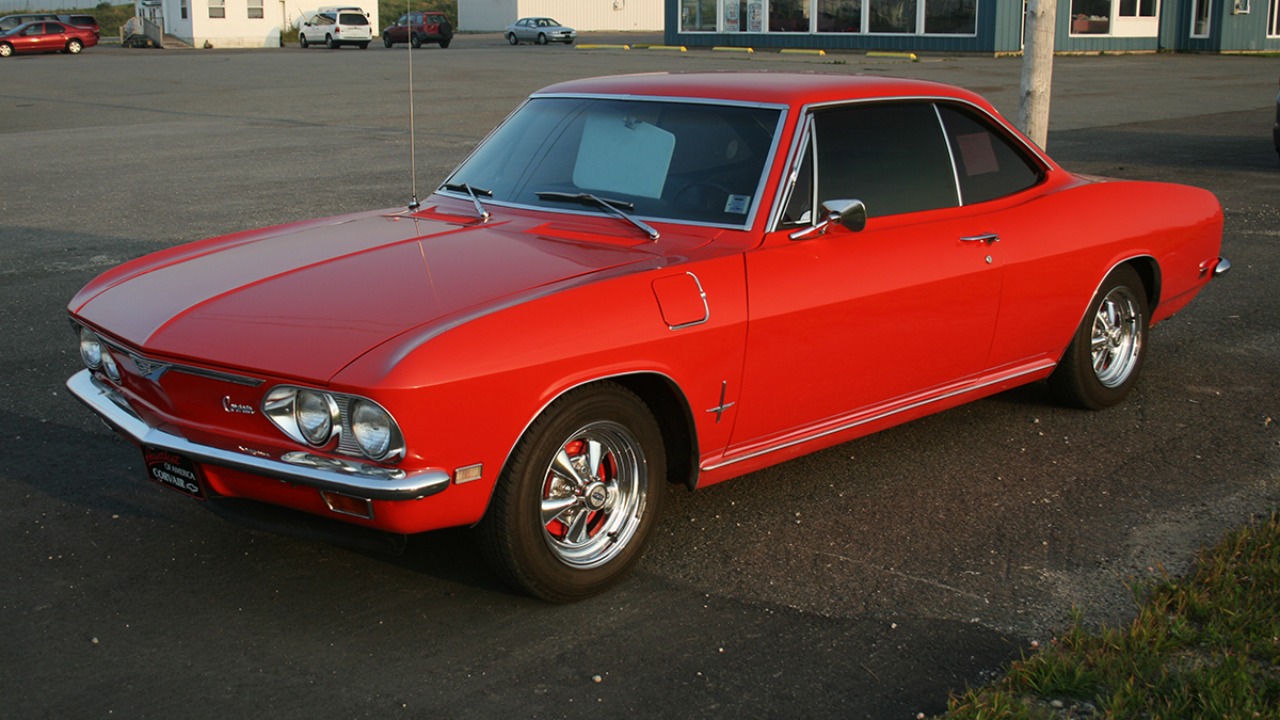
The Chevrolet Corvair, produced from 1960 to 1969, gained notoriety after Ralph Nader’s book “Unsafe at Any Speed” highlighted its handling issues. The rear-engine design contributed to severe oversteer, which made the vehicle difficult to control, especially for inexperienced drivers. This design flaw led to numerous accidents and a significant public outcry.
In response to the criticism, Chevrolet made modifications to later models, but the damage to the Corvair’s reputation was already done. The saga of the Corvair played a pivotal role in the development of automotive safety standards.
Yugo GV
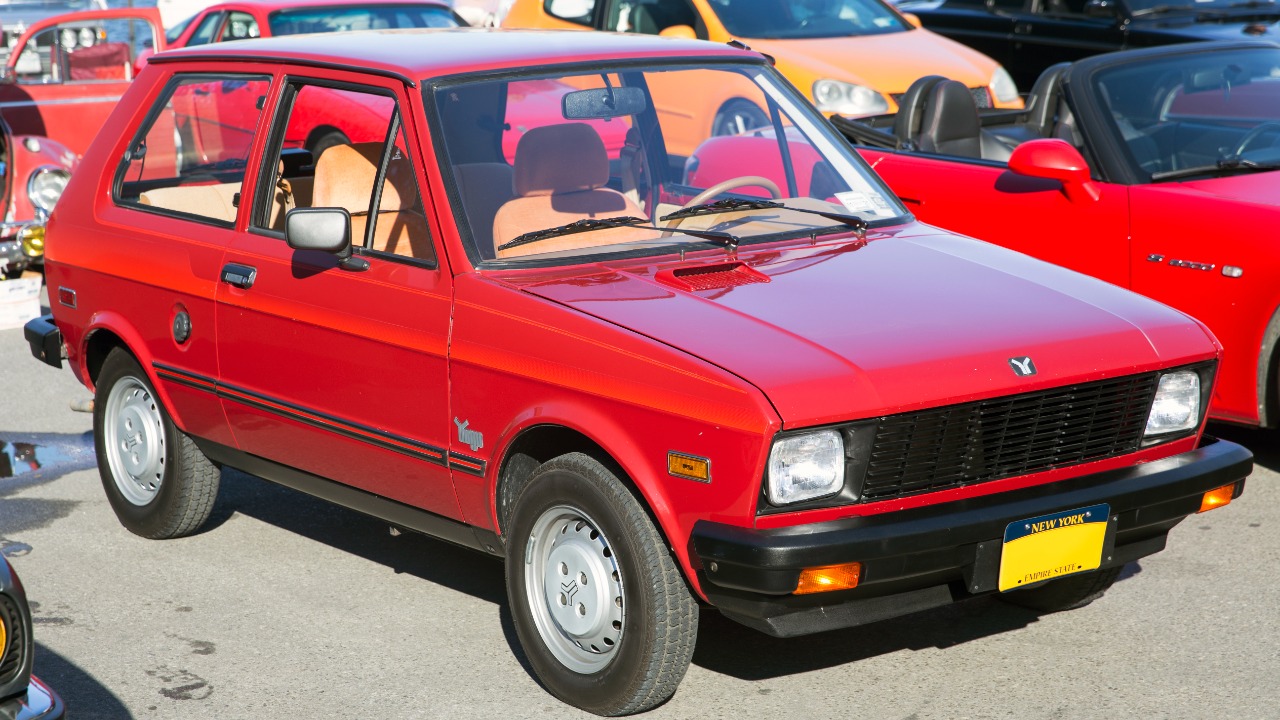
The Yugo GV, imported from Yugoslavia in the 1980s, is often remembered as one of the worst cars sold in the United States. It was marketed as an affordable vehicle, but its low price tag came with a high cost in terms of reliability and build quality. Frequent breakdowns and poor performance plagued the Yugo, making it a frequent target of jokes and criticism.
Its short-lived presence in the American market serves as a reminder of the risks associated with prioritizing cost-cutting over quality and reliability. The Yugo GV’s reputation was so bad that it has become a cultural reference point for poorly made products.
AMC Gremlin
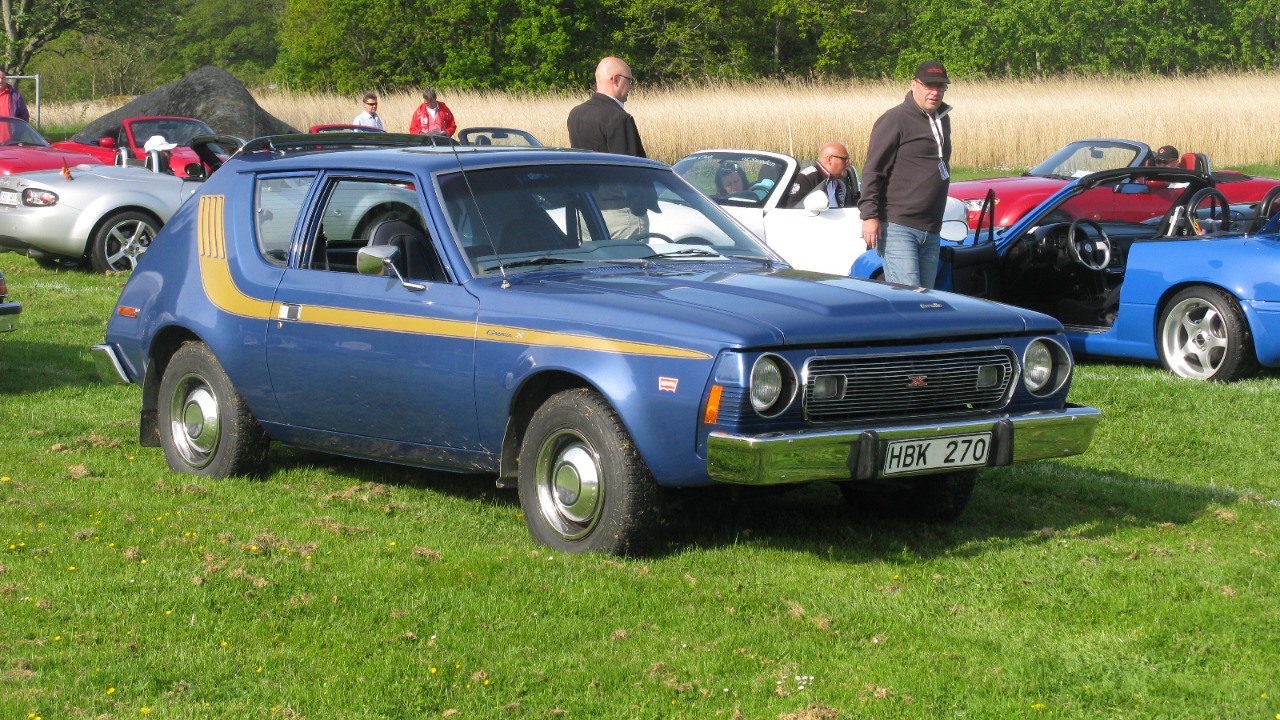
The AMC Gremlin, introduced in the 1970s, was known for its unusual design and compact size. While it was somewhat popular during the gas crisis due to its fuel efficiency, it was criticized for its awkward styling and lackluster performance. The Gremlin’s design was polarizing, with its truncated rear end earning it both fans and detractors.
Though it was intended to be a practical solution during a time of high fuel prices, the AMC Gremlin’s legacy is more about its peculiar appearance than its functionality. It remains a curious footnote in automotive history.
Pontiac Aztek
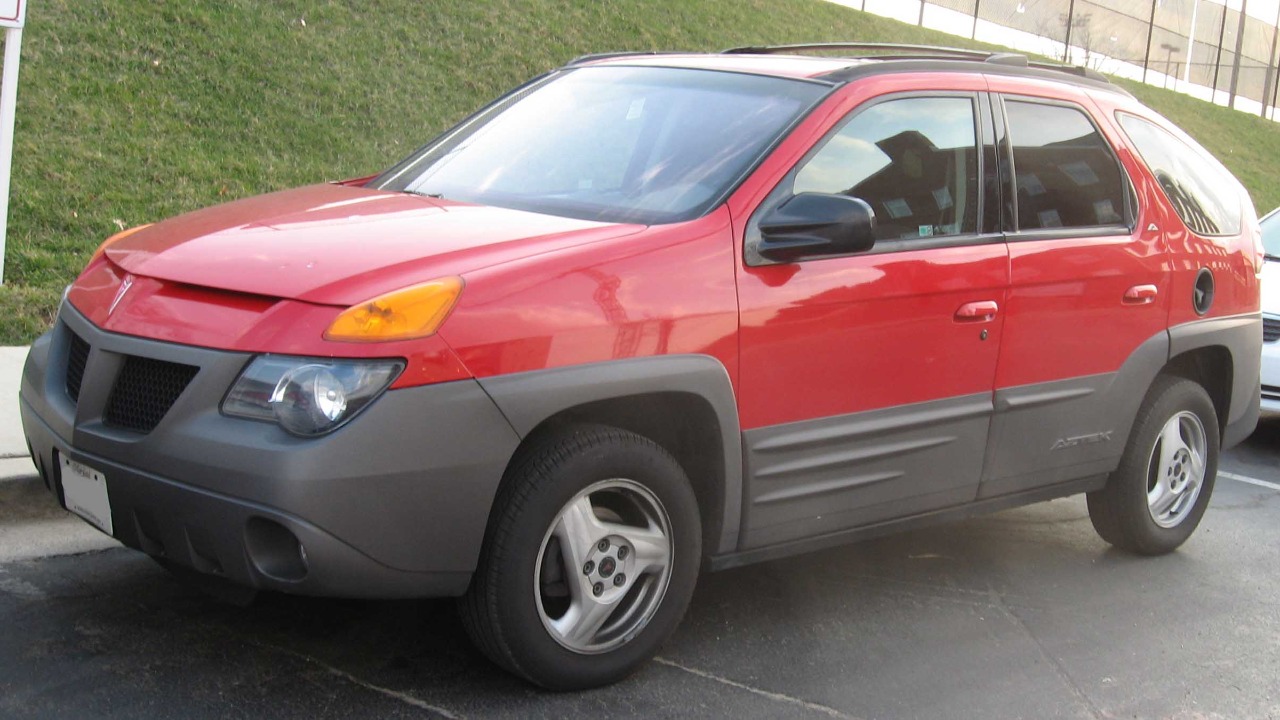
The Pontiac Aztek is often cited as one of the ugliest cars ever made. Launched in 2000, the Aztek featured a design that attempted to merge SUV functionality with a sleek, futuristic look. Unfortunately, the end result was a vehicle that many found visually unappealing. Its design flaws were compounded by quality issues that further tarnished its image.
Despite its poor reception, the Aztek has found a cult following in recent years, partially due to its appearance in popular media. Yet, it remains a prime example of how daring design can sometimes miss the mark.
DeLorean DMC-12
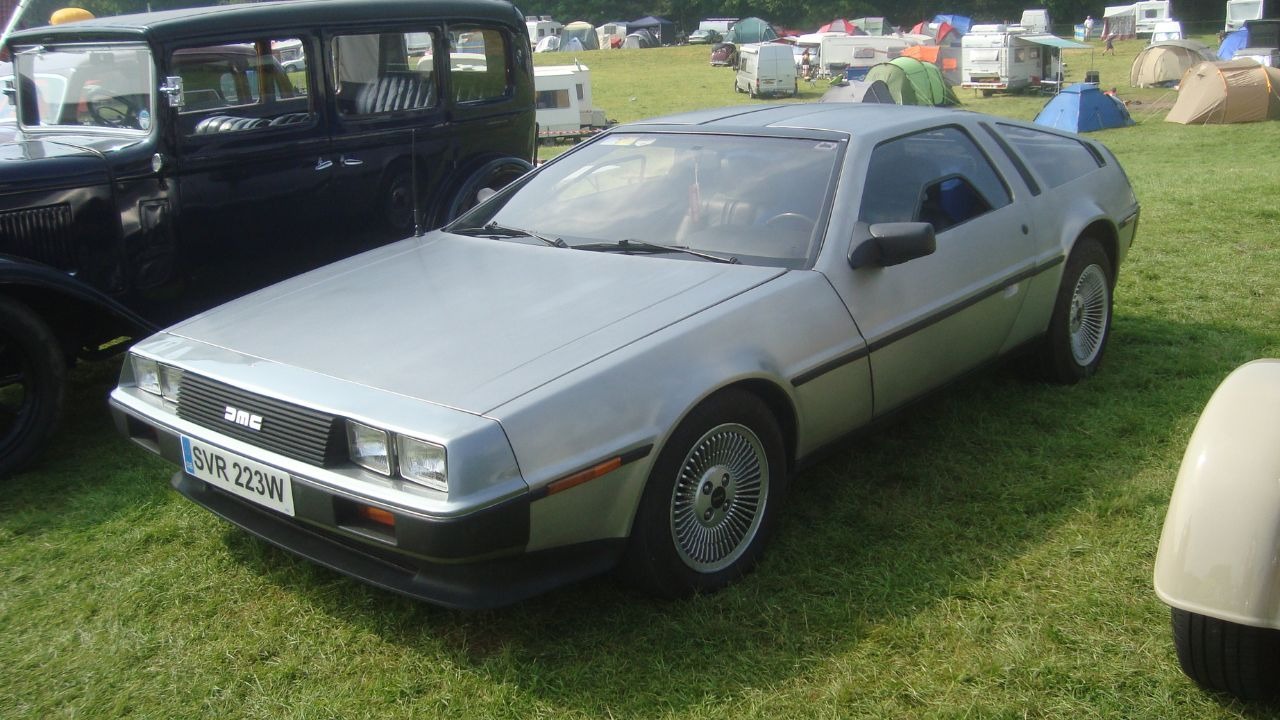
The DeLorean DMC-12 gained fame as the time machine in the “Back to the Future” films, but its real-world reputation was far less glamorous. Produced between 1981 and 1983, the DeLorean’s stainless steel body and gull-wing doors were innovative, yet the vehicle suffered from poor performance and reliability issues.
John DeLorean’s ambitious vision for a luxury sports car was ultimately sunk by financial mismanagement and production difficulties. Despite its failings, the DMC-12 remains a pop culture icon, cherished for its role in film history and its unique design.
Suzuki Samurai

The Suzuki Samurai faced criticism for its tendency to roll over during sharp turns. Introduced to the American market in 1985, the Samurai was initially popular as an affordable and compact SUV. However, a 1988 report by Consumer Reports highlighted its rollover risk, which significantly affected sales and public perception.
While Suzuki defended the Samurai’s safety, the damage to its reputation was significant. The controversy surrounding the Samurai contributed to increased scrutiny of SUV safety standards in the years that followed.
Trabant 601
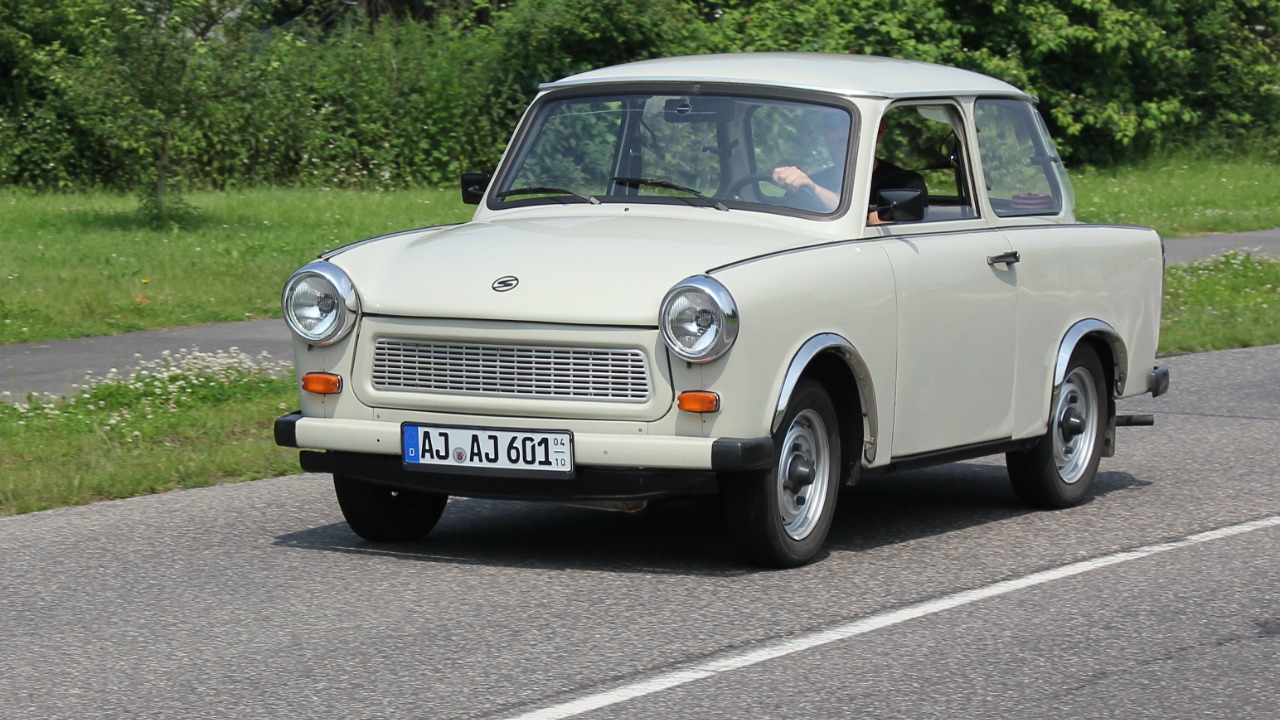
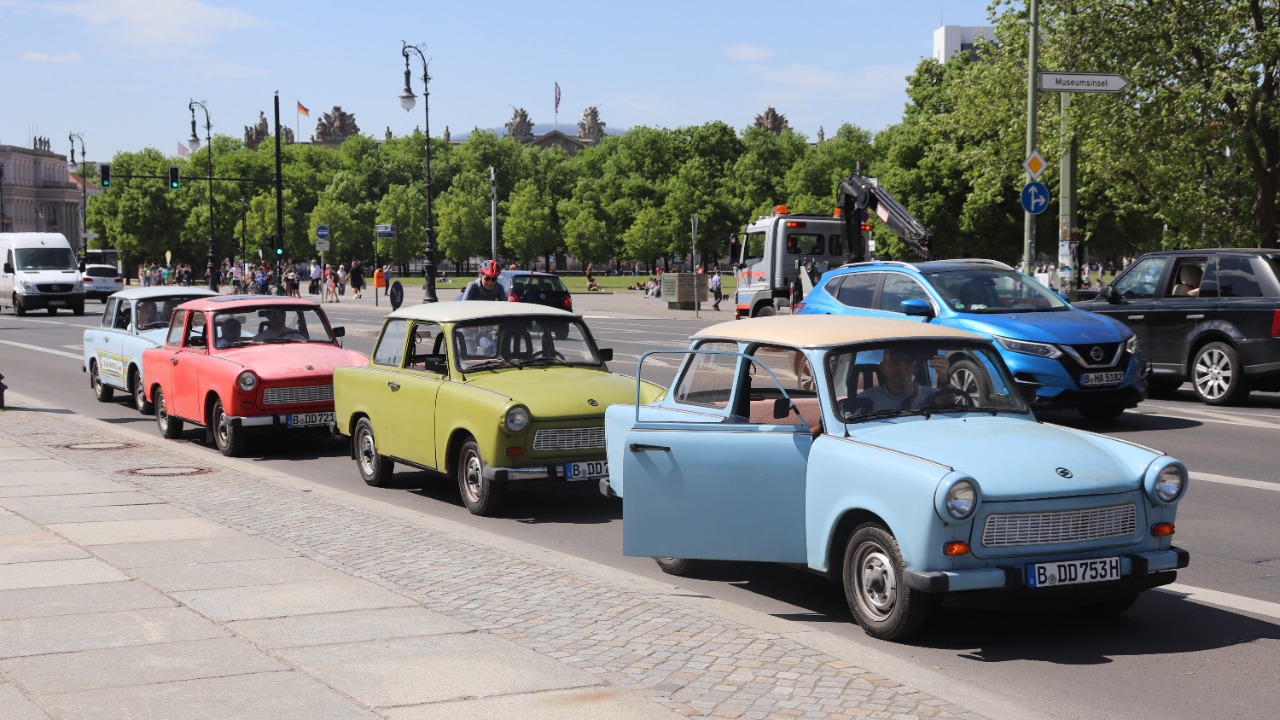
The Trabant 601, produced in East Germany from 1963 to 1990, was notorious for its outdated technology and poor build quality. Built with a duroplast body and a two-stroke engine, the Trabant was slow, noisy, and environmentally unfriendly. Despite these drawbacks, it became a symbol of life in East Germany, as owning one was often a long-awaited achievement.
While the Trabant holds historical significance, it is often remembered for its lackluster performance and environmental impact, making it a relic of a bygone era in automotive manufacturing.
Fiat Multipla
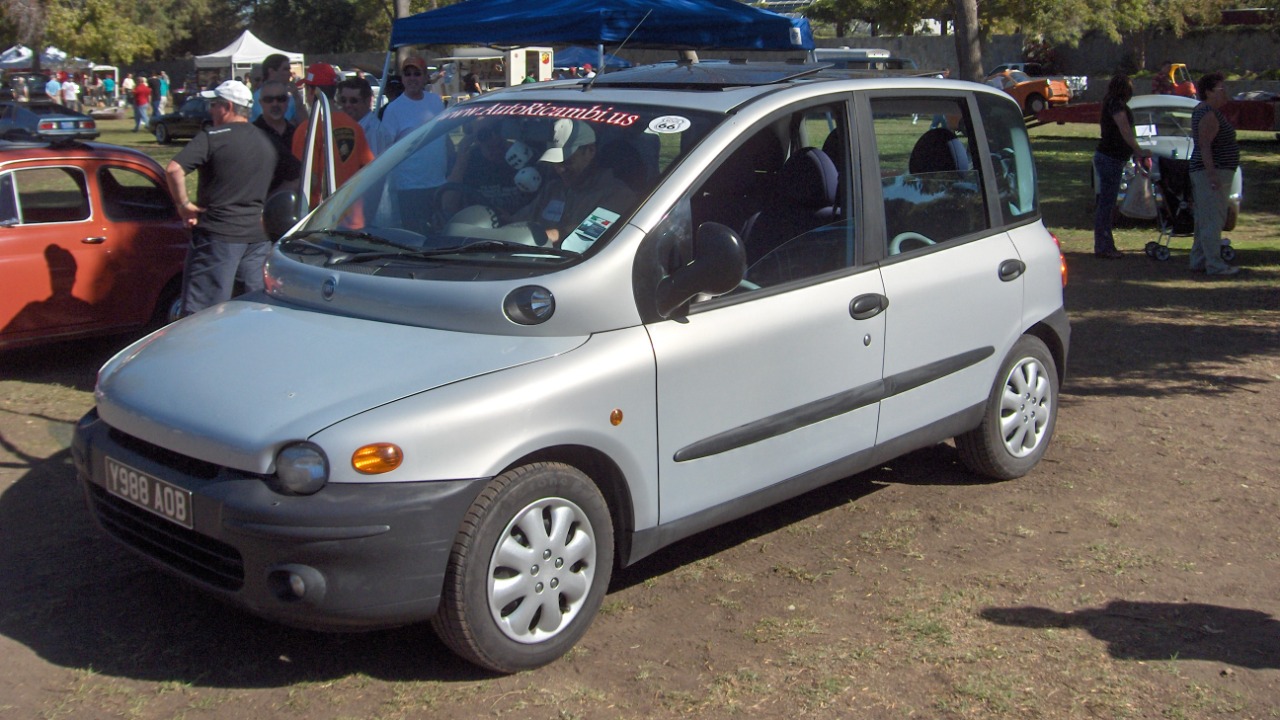
The Fiat Multipla, introduced in 1998, is another contender for the title of the world’s ugliest car. Its unusual design, with a narrow upper body and wide lower chassis, drew widespread criticism. Despite its odd appearance, the Multipla was praised for its spacious interior and practicality.
Though it found a niche market in Europe, the Multipla’s design was simply too unconventional for widespread appeal. Its looks overshadowed its functionality, leading to a short production run and a lasting legacy as an eyesore.
Reliant Robin

The Reliant Robin, a three-wheeled car produced in the UK from 1973 to 2002, is often remembered for its instability and tendency to tip over. The Robin’s lightweight fiberglass body and single front wheel made for a precarious driving experience, especially during turns.
Despite its drawbacks, the Robin was popular among budget-conscious drivers due to its low cost and classification as a motorcycle for tax purposes. Its unique design made it a British cultural icon, but the Robin’s safety issues ensured it would never be a mainstream success.
Cadillac Cimarron
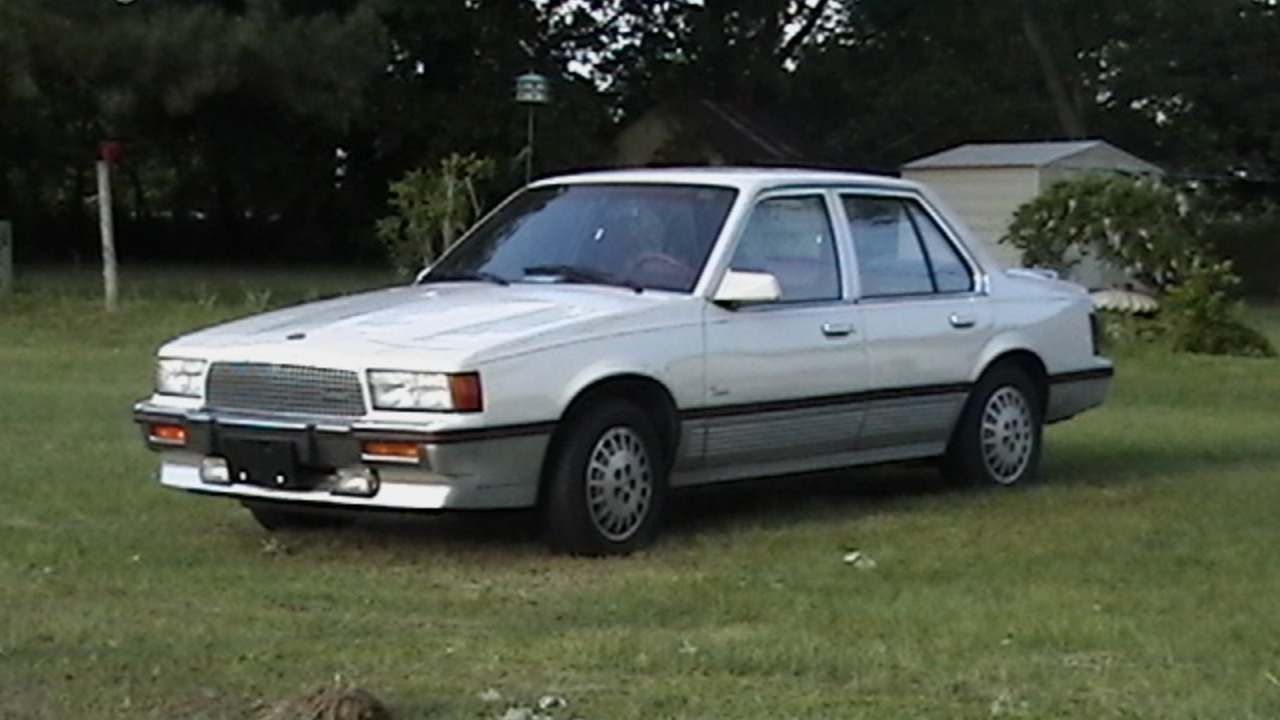
The Cadillac Cimarron, produced from 1981 to 1988, was an attempt by General Motors to compete in the small luxury car market. However, the Cimarron was essentially a rebadged Chevrolet Cavalier with a higher price tag, offering little to justify the premium cost.
Critics and consumers alike saw through the Cimarron’s thin veneer of luxury, leading to poor sales and a tarnished reputation for Cadillac. The Cimarron is often cited as an example of brand mismanagement and remains a lesson in the importance of genuine product differentiation.
Smart ForTwo

The Smart ForTwo, introduced in 1998, aimed to revolutionize urban driving with its compact size and fuel efficiency. While its small footprint made it ideal for city parking, the ForTwo faced criticism for its limited practicality and high cost compared to similarly sized vehicles.
Despite its environmentally friendly intentions, the ForTwo struggled to find a broad audience, with many drivers finding its size more of a hindrance than a help. It remains a quirky option in the small car market but never achieved the widespread success its creators envisioned.
Like Fast Lane Only’s content? Be sure to follow us.
Here’s more from us:
- All New Trans Am: 10 Things You Need to Know
- The Fastest Farm Truck Ever Built
*Created with AI assistance and editor review.