Speed records keep getting shattered, and the race from 0 to 60 mph is where some of the wildest performance numbers come to life. These cars aren’t just quick—they’re blisteringly fast, blending advanced engineering with raw power. Here’s a look at the production cars that have pushed acceleration limits like never before.
Rimac Nevera — 1.74 Seconds
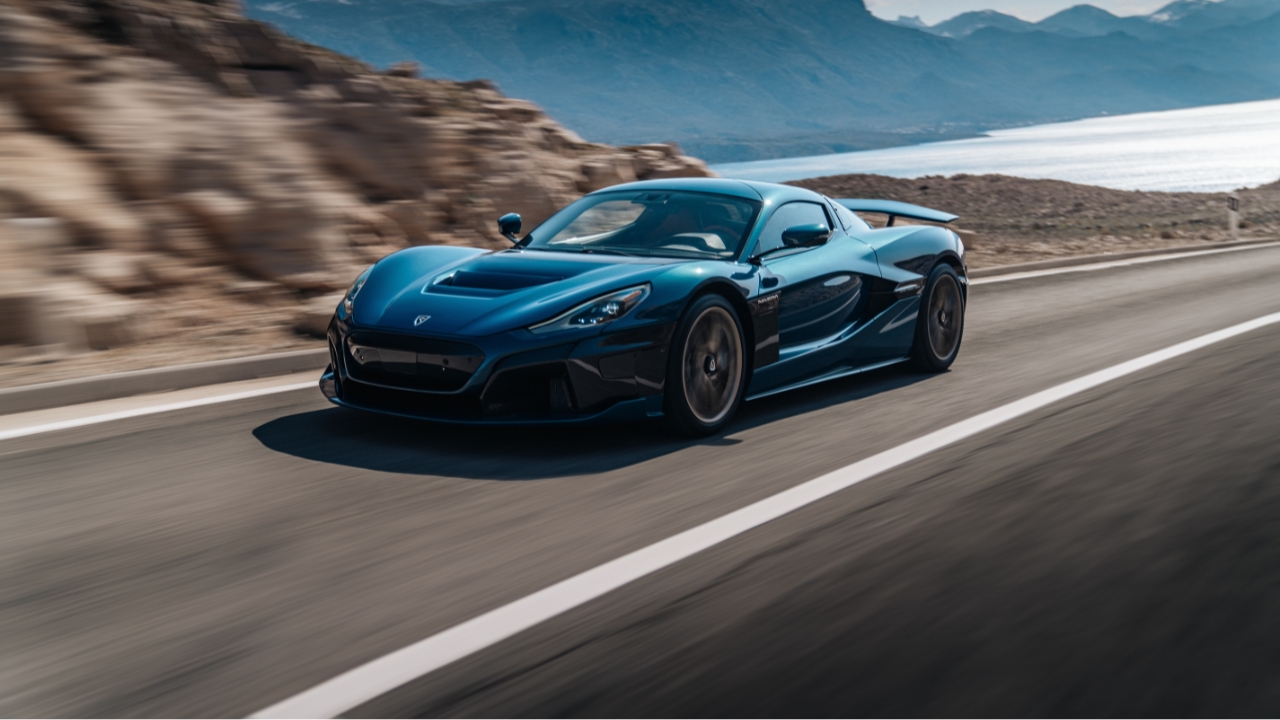
The Rimac Nevera is the current king of straight-line acceleration. This all-electric hypercar from Croatia puts out 1,888 horsepower and a ridiculous 1,741 lb-ft of torque. Each wheel has its own motor, delivering power with pinpoint precision.
It hit 60 mph in just 1.74 seconds and broke 23 records in a single day. It’s also the fastest EV around both the Nürburgring and Goodwood. Only 150 Neveras will ever be made, but it’s already made history.
Lucid Air Sapphire — 1.77 Seconds

Lucid didn’t just aim to rival Tesla—they came swinging with the Air Sapphire. With 1,234 horsepower and 1,430 lb-ft of torque, it’s a four-door luxury sedan that outruns most supercars.
It does 0 to 60 in 1.77 seconds on a prepped surface, even with an EPA-estimated 427 miles of range. It’s fast, stylish, and quietly shook up the performance world without needing a V12 or loud exhaust.
Tesla Model S Plaid — 1.98 Seconds
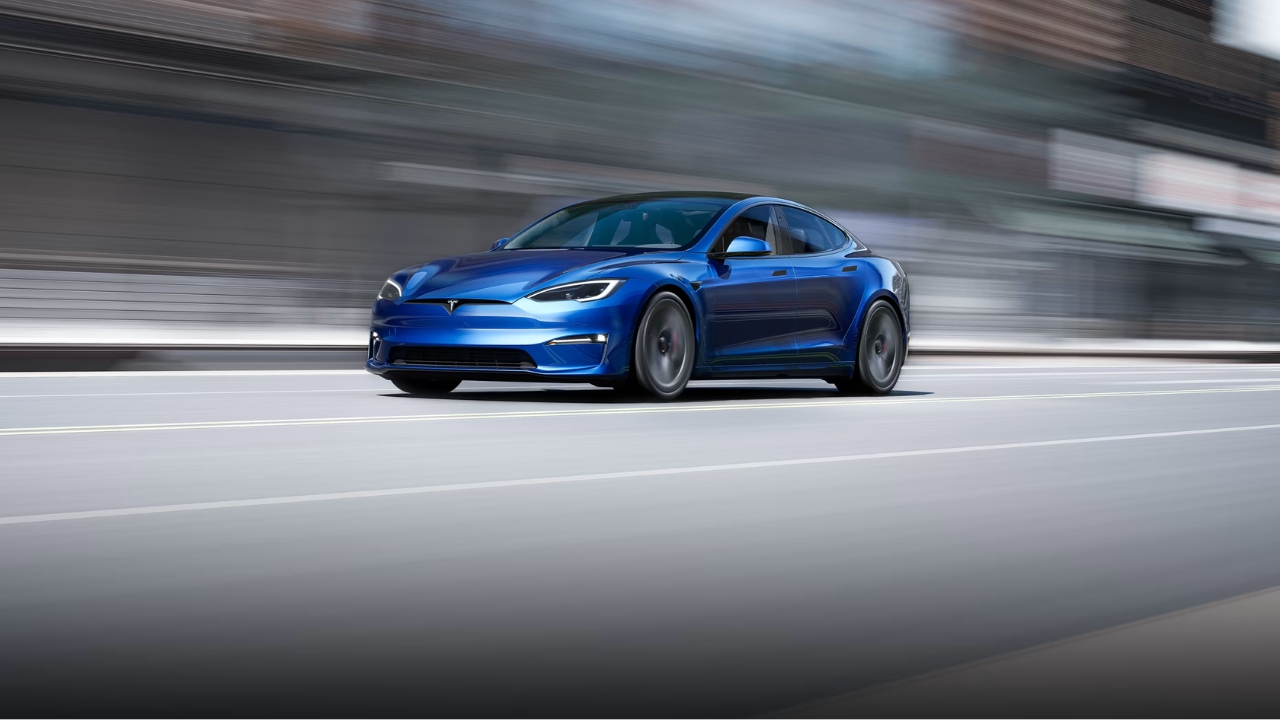
Tesla’s Model S Plaid might look like a family car, but it’s packing 1,020 horsepower and three electric motors. It’s also the first production car to hit under two seconds on the 0–60 sprint.
Tesla quotes 1.99 seconds with rollout, and independent tests have clocked it just shy of that. With a top speed of 200 mph and a drag coefficient better than most supercars, the Plaid is proof that quiet can still be brutal.
Ferrari SF90 Stradale — 2.0 Seconds
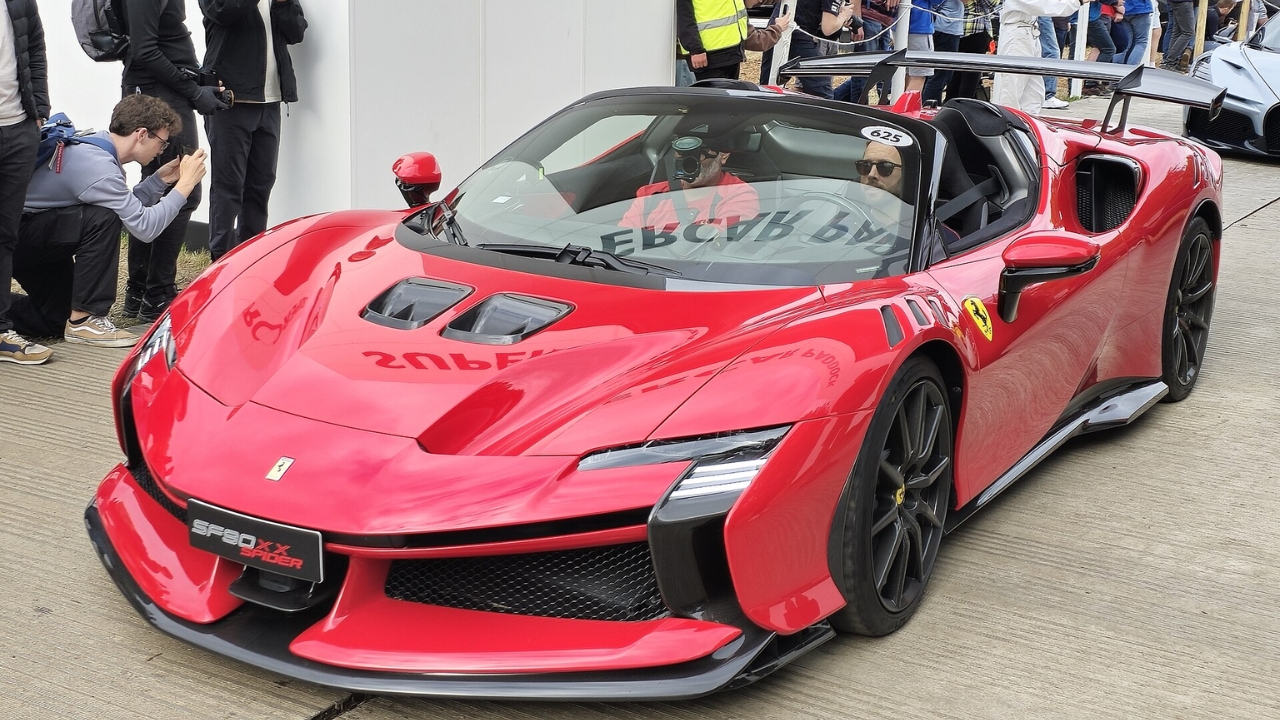
Ferrari mixed electric power with classic V8 punch to create the SF90 Stradale. The plug-in hybrid puts out 986 horsepower, combining a twin-turbo V8 with three electric motors.
Ferrari says it does 0–60 in 2.5 seconds, but Car and Driver proved otherwise, hitting the mark in just 2.0 seconds. It’s the quickest Ferrari ever built and proof that electrification can still bring the heat.
Porsche 918 Spyder — 2.1 Seconds
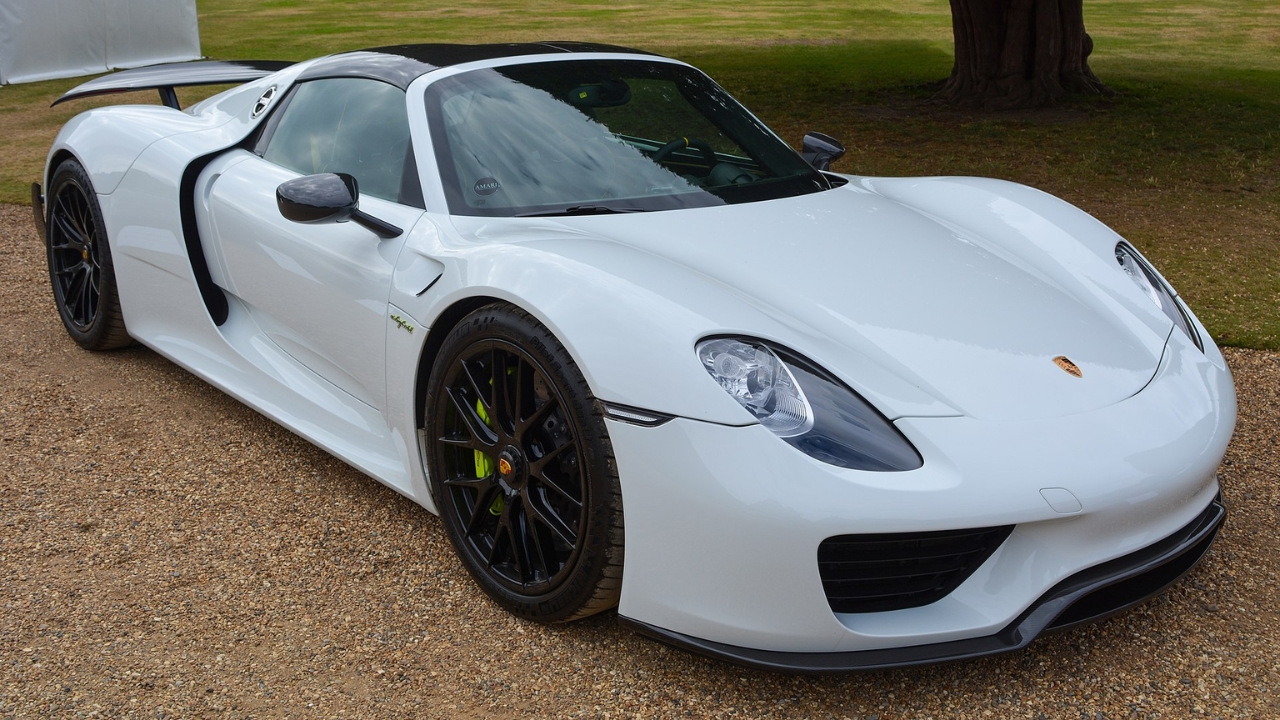
Even a decade later, the Porsche 918 Spyder still holds its own. This plug-in hybrid makes 875 horsepower using a high-revving V8 and two electric motors.
With the optional Weissach Package, the 918 is even lighter and faster. Real-world testing showed it can smash 60 mph in just 2.1 seconds. It’s part of the Holy Trinity for a reason.
Porsche 911 Turbo S — 2.1 Seconds
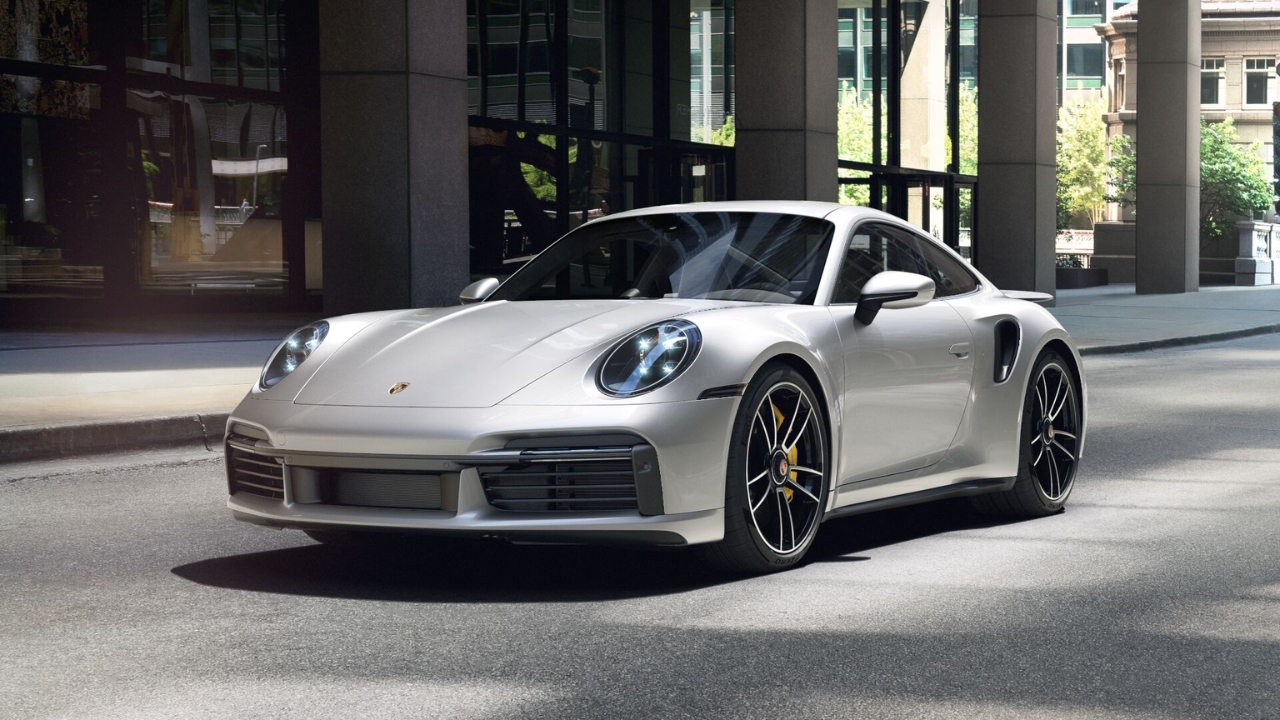
The 911 Turbo S is a performance icon, and the latest 992 version is the fastest yet. A 641-hp twin-turbo flat-six powers it from 0–60 in just 2.1 seconds—supercar numbers from a daily driver.
It’s also blistering around a track, lapping the Nürburgring in 7:17. Add Porsche’s legendary build quality and you’ve got a car that’s both lightning quick and totally livable.
Lamborghini Huracán Performante — 2.2 Seconds
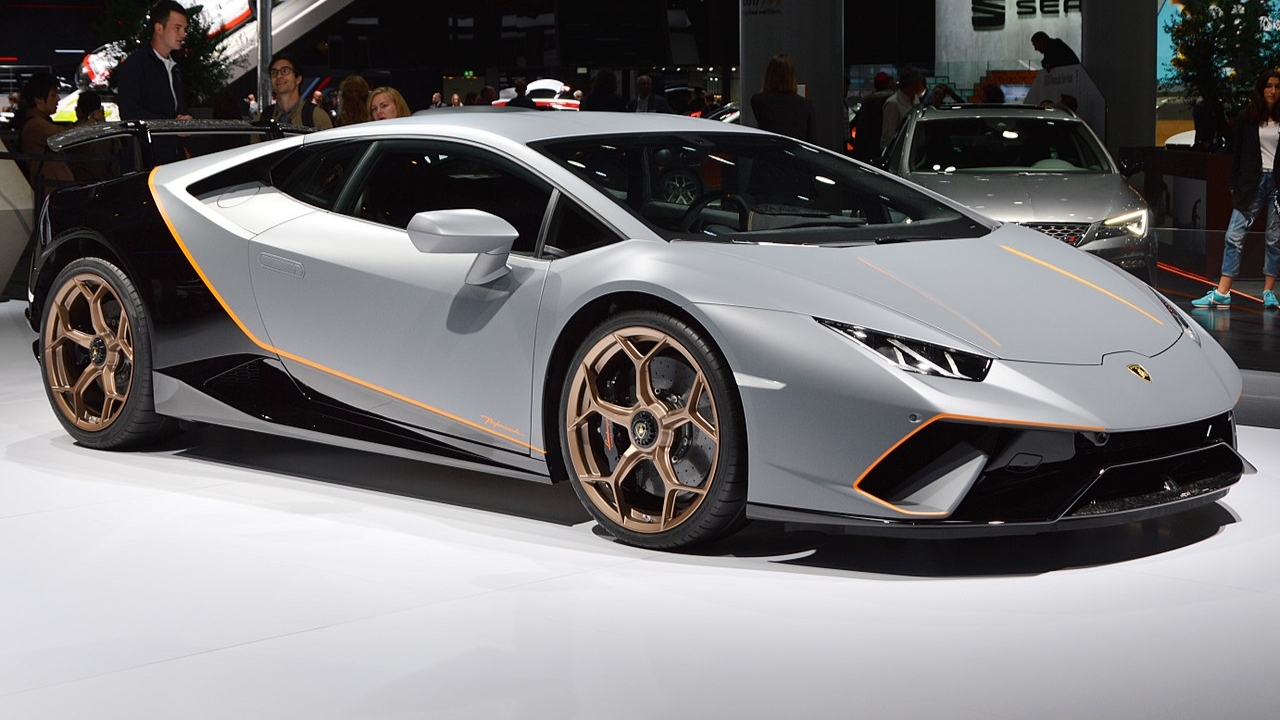
The Huracán Performante is what happens when Lamborghini turns the dial to eleven. It has 631 horsepower, active aero, and a screaming naturally aspirated V10.
Lamborghini claimed 2.9 seconds to 62 mph, but independent testing showed it can hit 60 in just 2.2. Light, loud, and aggressive, it’s a proper supercar with serious bite.
Bugatti Chiron Super Sport — 2.2 Seconds
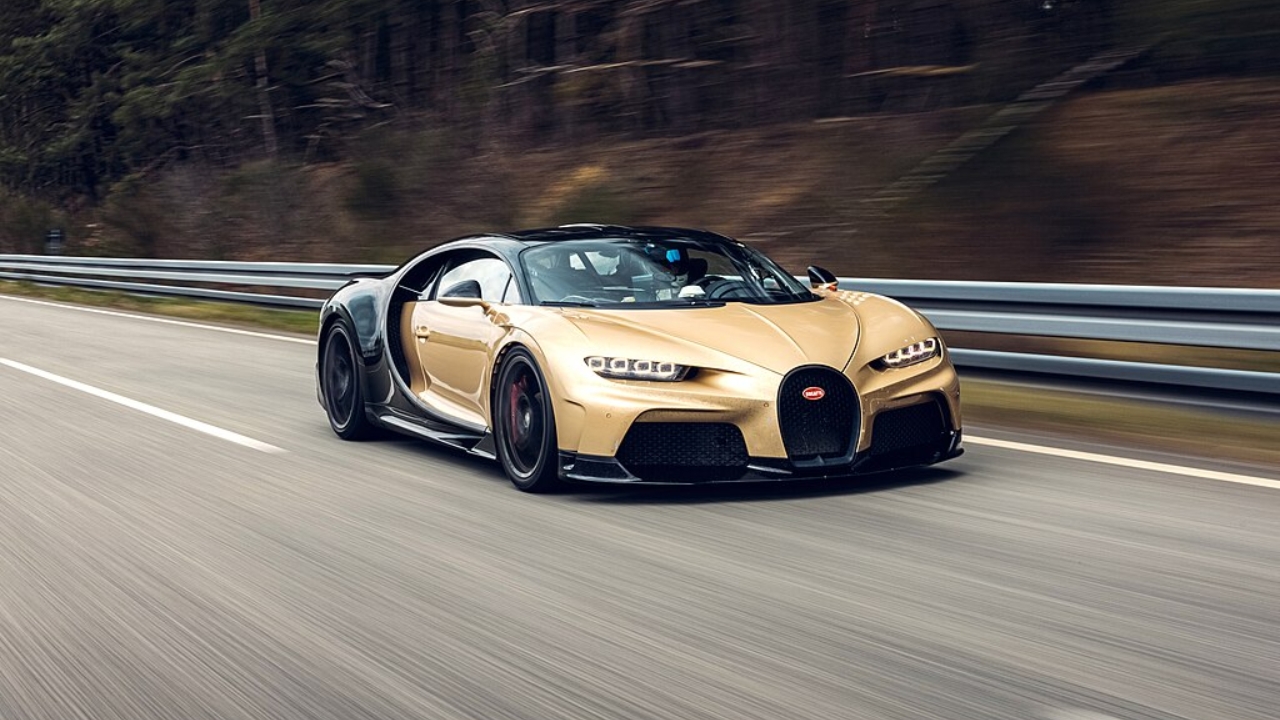
The Chiron Super Sport is what you buy when “fast” just isn’t fast enough. Its 8.0-liter quad-turbo W16 makes 1,580 horsepower and takes you to 60 mph in 2.2 seconds.
Top speed? A mind-blowing 273 mph. With a $3.5 million price tag, it’s not just fast—it’s a flex on wheels.
Tesla Model X Plaid — 2.3 Seconds
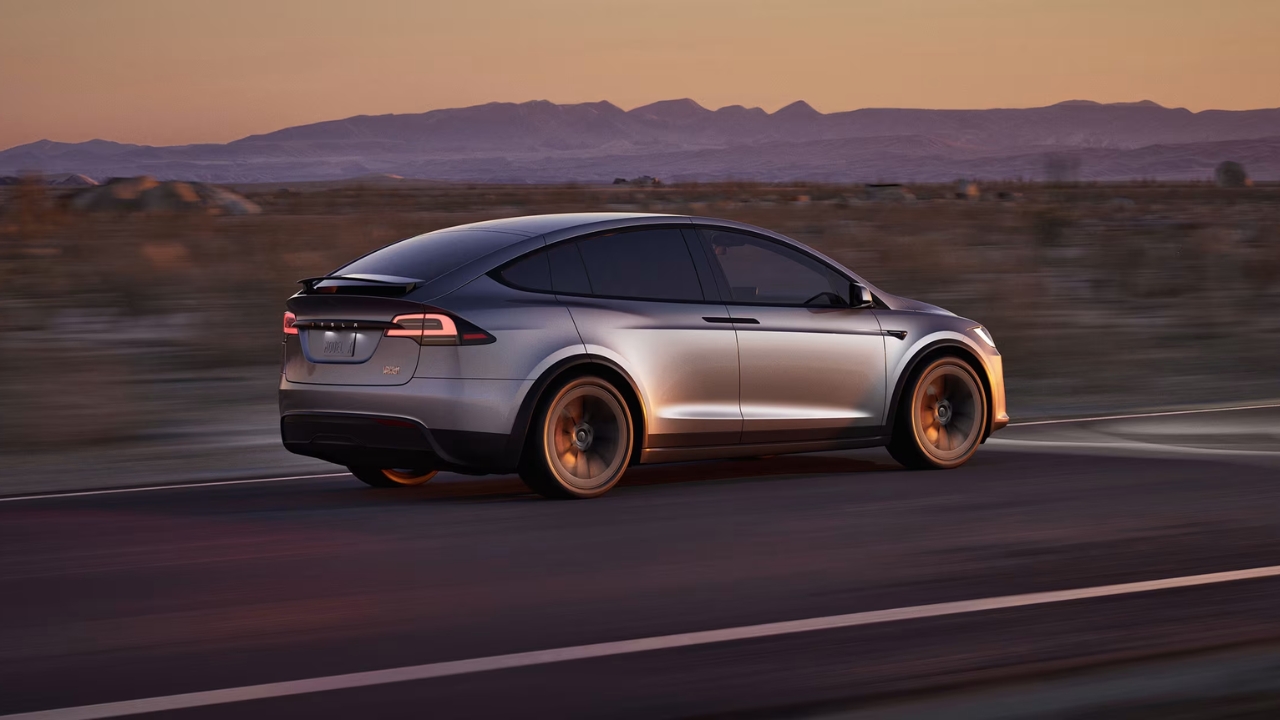
Don’t let the size fool you. The Tesla Model X Plaid is a seven-seat SUV that accelerates like a supercar. With the same tri-motor setup as the Model S Plaid, it cranks out over 1,000 horsepower.
Despite weighing over 5,300 lbs, it’s been clocked at 60 mph in just 2.3 seconds. Falcon wing doors, family-hauling space, and performance that rivals exotic cars—it’s a weirdly perfect mix.
Ferrari 296 GTB — 2.3 Seconds

The 296 GTB might have a V6, but don’t underestimate it. The twin-turbo 3.0-liter engine is paired with electric assistance to deliver a whopping 819 horsepower.
It’s Ferrari’s lightest and most agile hybrid yet, launching from 0 to 60 in just 2.3 seconds. With its sleek design and sharp handling, the 296 GTB is already a modern classic.
2005 Bugatti Veyron — 2.4 Seconds

The Veyron rewrote the rulebook when it arrived in 2005. With a 987-hp W16 and four turbos, it was the first car to break the 250 mph barrier while delivering unmatched luxury.
Even the “slow” base version hit 60 mph in 2.4 seconds. It’s still an engineering marvel, and its impact on hypercar culture can’t be overstated.
Porsche Taycan Turbo S — 2.4 Seconds
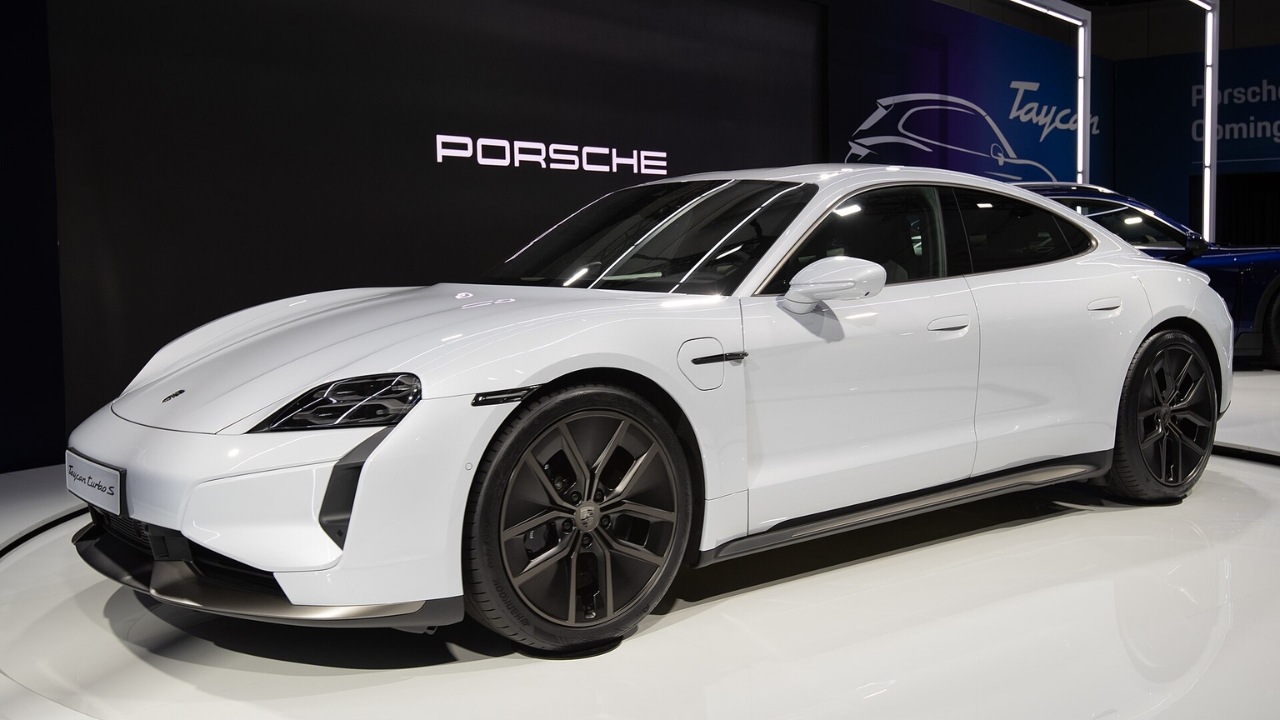
The Taycan Turbo S proves Porsche hasn’t lost its touch with electric power. With 751 horsepower, dual motors, and a two-speed transmission, it hits 60 mph in just 2.4 seconds.
It also handles like a sports car, and its 345-mile range keeps it practical. EV or not, it’s a true Porsche through and through.
Nissan GT-R Nismo — 2.48 Seconds

The GT-R Nismo has been around for years, but it still punches above its weight. In 2020, Nissan fine-tuned the twin-turbo V6 and improved the transmission for quicker shifts.
With 562 horsepower and all-wheel drive, it rockets to 60 mph in just 2.48 seconds. It may be aging, but it’s still a giant killer on the street and track.
*This article was developed with AI-powered tools and has been car-fully, I mean carefully, reviewed by our editors.