
Speed isn’t just for the street—it’s a major factor in the sky, too. While supercars flirt with 250 mph, military jets have been casually breaking the sound barrier since the ‘50s. These machines aren’t just fast—they’re engineered for raw performance at 40,000 feet, where every pound, degree, and second counts.
We’re ranking the fastest military fighter jets ever built—not prototypes or paper projects, but machines that actually flew. Some are legends, others are still classified halfway to Sunday, but all of them know how to move. Let’s get into it.
1. Lockheed SR-71 Blackbird
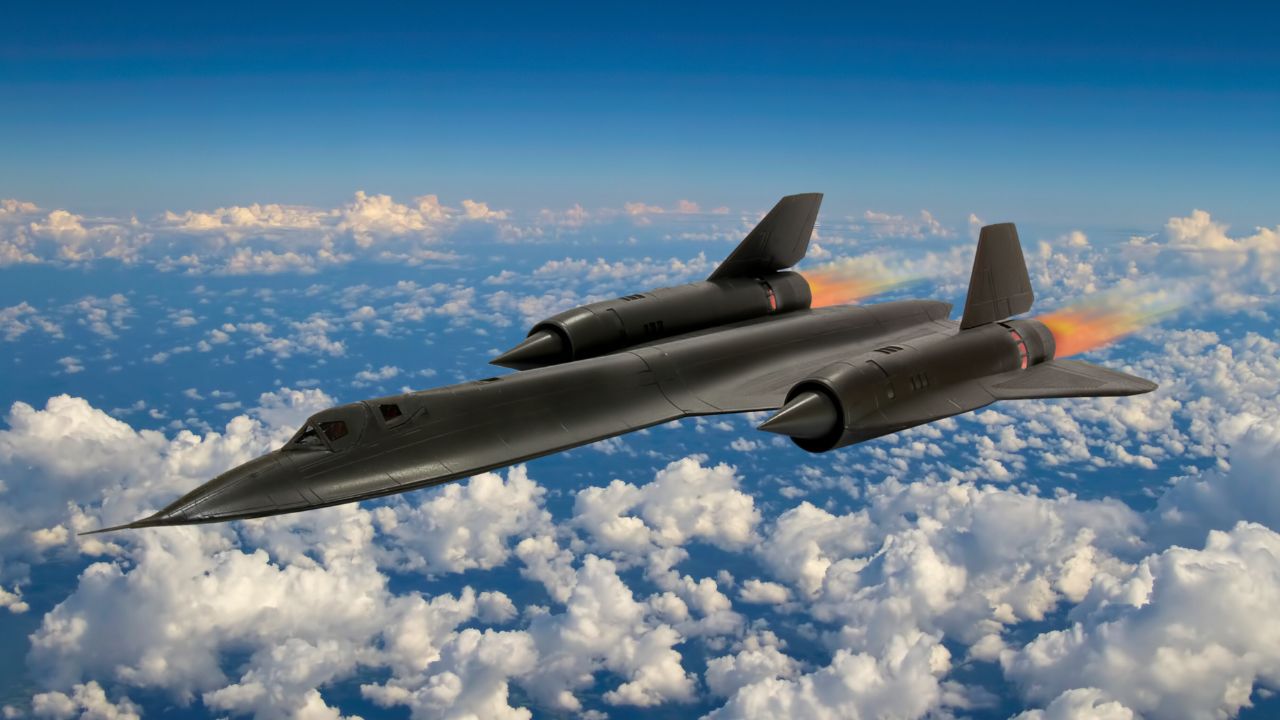
The SR-71 was never built for combat but outran anything that tried. Topping out around Mach 3.3 (2,193 mph), this long-range recon jet still holds the title as the fastest manned air-breather. Built with titanium and shaped for stealth before stealth was a buzzword, it’s the aerospace version of a purpose-built dragster.
The cockpit was cramped and pressurized for high-altitude flight, with analog dials and early digital readouts. No weapons onboard—just cameras and speed. Even today, nothing manned flies faster without leaving the atmosphere.
2. Mikoyan-Gurevich MiG-25 “Foxbat”
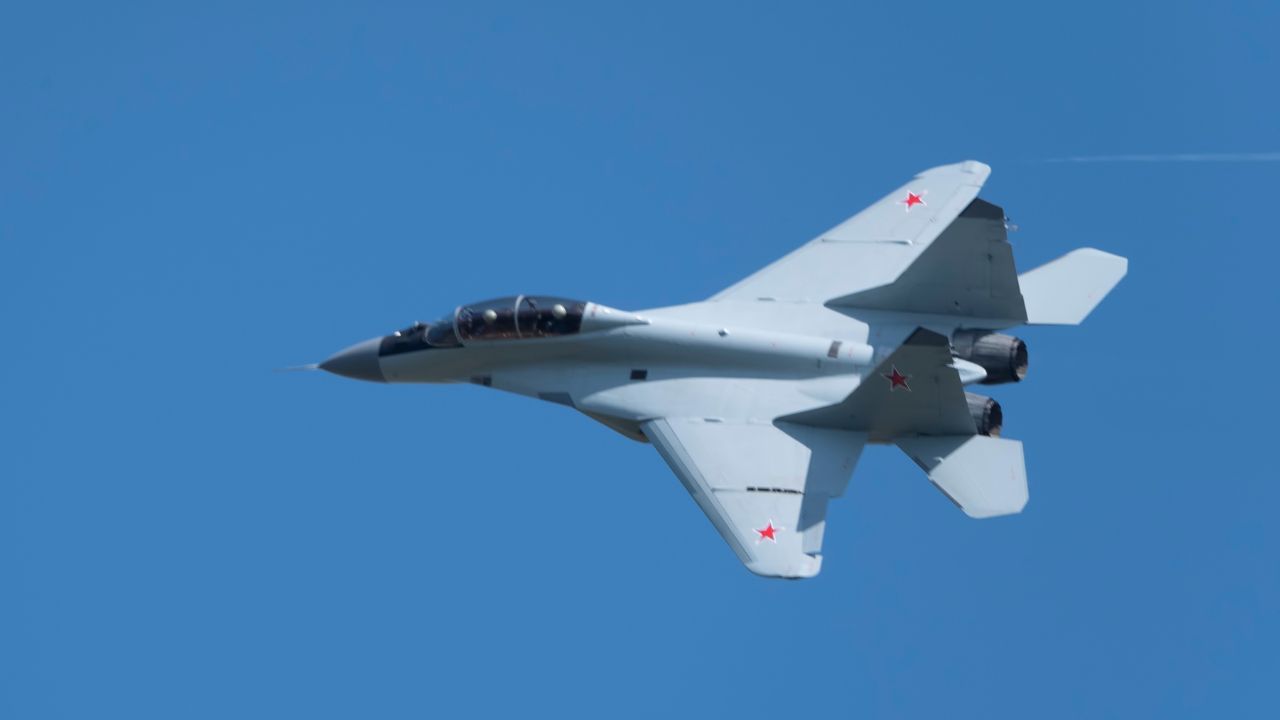
The MiG-25 was the Soviet response to American bombers and recon jets. It was brutally fast—up to Mach 2.83 in operational settings, though test flights pushed past Mach 3, often frying the engines. It wasn’t subtle, but it didn’t need to be.
Twin Tumansky R-15B engines made it a straight-line rocket with wings. It wasn’t built for agility but packed R-40 missiles for long-range interceptions. The cockpit? Rudimentary but functional—plenty of switches, few frills. Think muscle car with minimal driver aids.
3. North American X-15
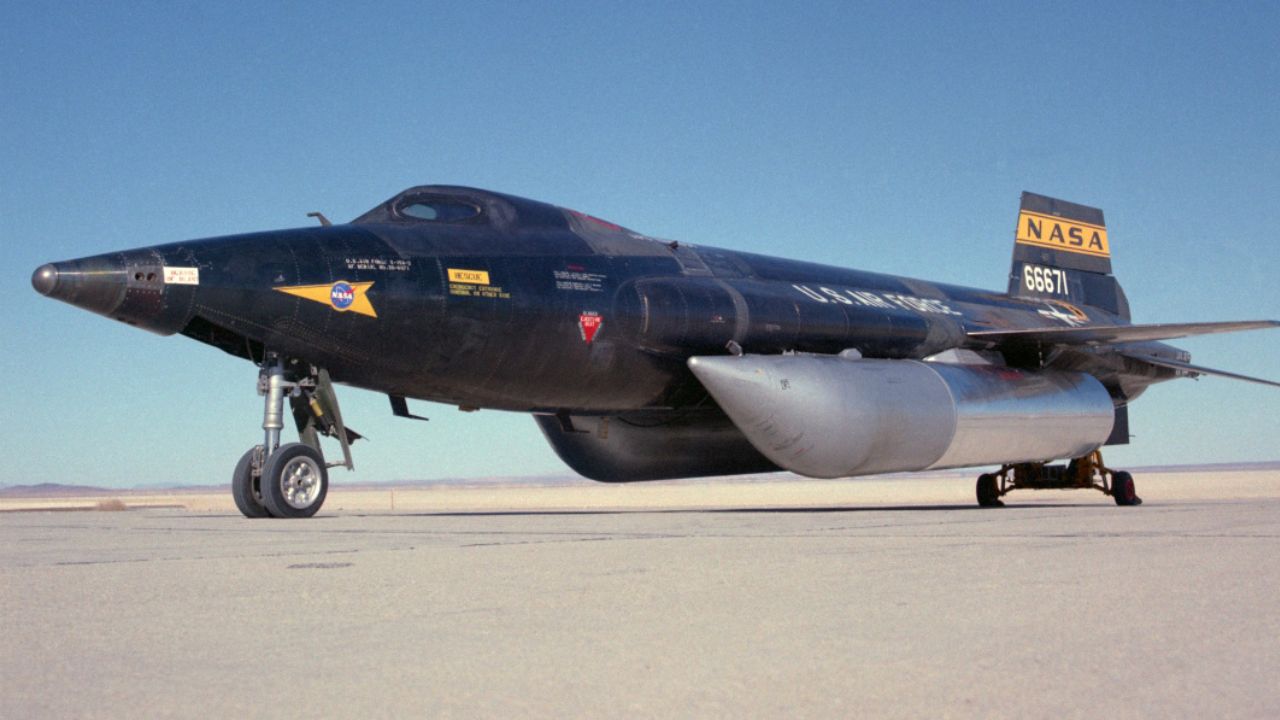
Technically an experimental rocket plane, the X-15 hit Mach 6.7 (4,520 mph) and reached the edge of space. It’s not combat-capable, but in terms of pure speed, it rewrote the book—if you count pilots wearing pressure suits and flying from dry lakes to the stratosphere.
The cockpit was more like a submarine’s control room than a jet fighter—manual override everything, no fly-by-wire. Only three were built, and each flight was more like a one-way ticket to the unknown than a dogfight scenario.
4. Mikoyan MiG-31 “Foxhound”
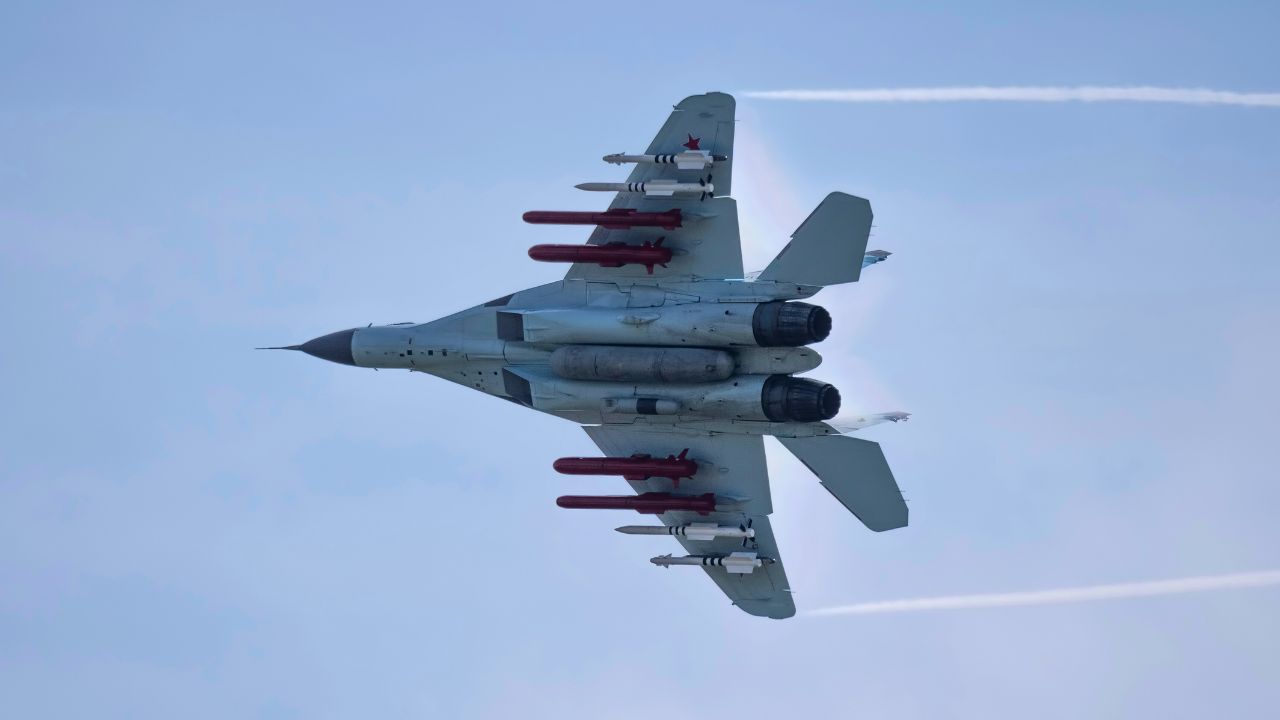
Built off the MiG-25’s frame but heavily modernized, the MiG-31 is faster than most Western interceptors even today. It clocks Mach 2.83, carries long-range radar, and can engage multiple high-altitude targets at once.
It seats two—pilot and weapons officer—and the interior is practical, built for long-range patrols over Siberia. The D30-F6 engines weren’t subtle but made serious power. It’s less about top speed these days and more about climbing high, fast, and taking out bombers before they’re a problem.
5. McDonnell Douglas F-15 Eagle
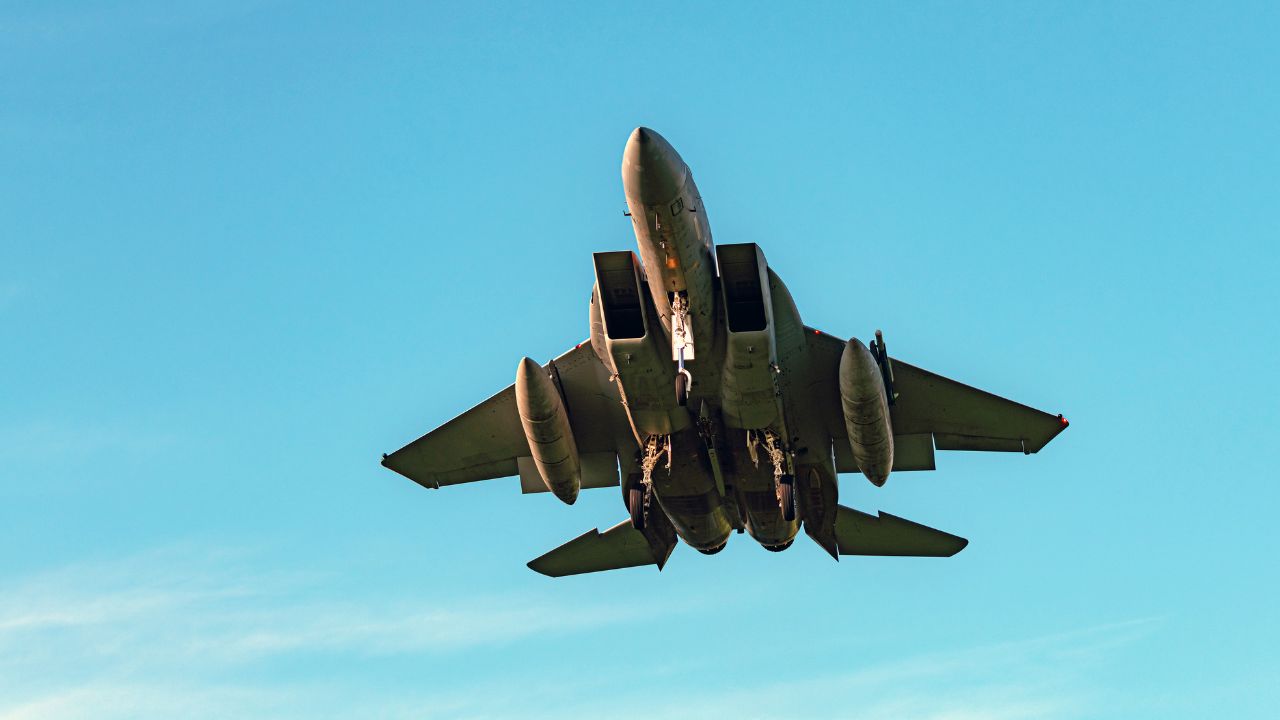
Introduced in the 1970s and still in use, the F-15 can push past Mach 2.5 with twin Pratt & Whitney F100 engines. It wasn’t just quick—it was a well-balanced fighter with long legs, strong radar, and serious weaponry.
The cockpit has evolved through the decades, but even early versions had strong ergonomics. The F-15 earned its reputation in real-world kills, not just top-end speed runs. It’s the fighter equivalent of a high-performance GT car—fast, capable, and proven under pressure.
6. Sukhoi Su-27 “Flanker”
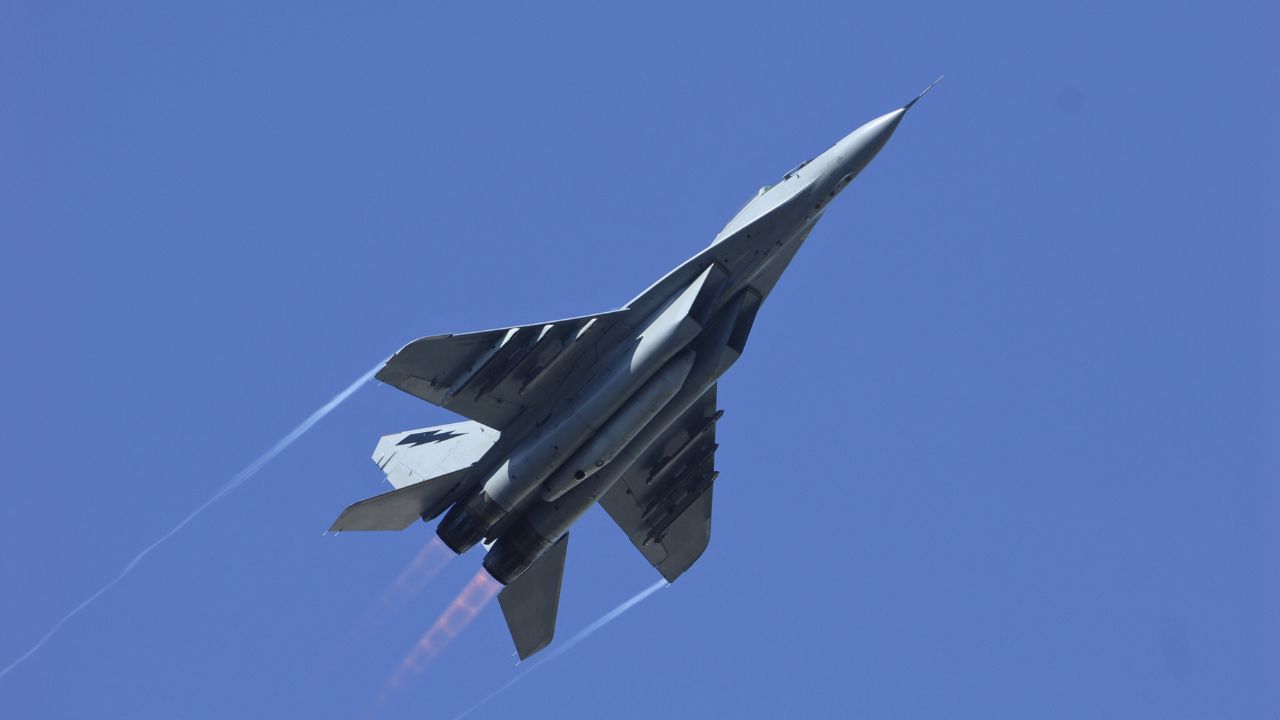
The Su-27 was Russia’s answer to the F-15, and in raw numbers, it holds its own—Mach 2.35 at altitude with a combat range of over 2,000 miles. It’s fast, fluid in the air, and built to outlast and outfly adversaries over long distances.
The cockpit layout is old-school but effective, with later upgrades including modern HUDs and targeting systems. Twin AL-31F engines make it scream, and the airframe handles G-forces like a pro-level track car—smooth under pressure, lethal when needed.
7. Lockheed Martin F-22 Raptor
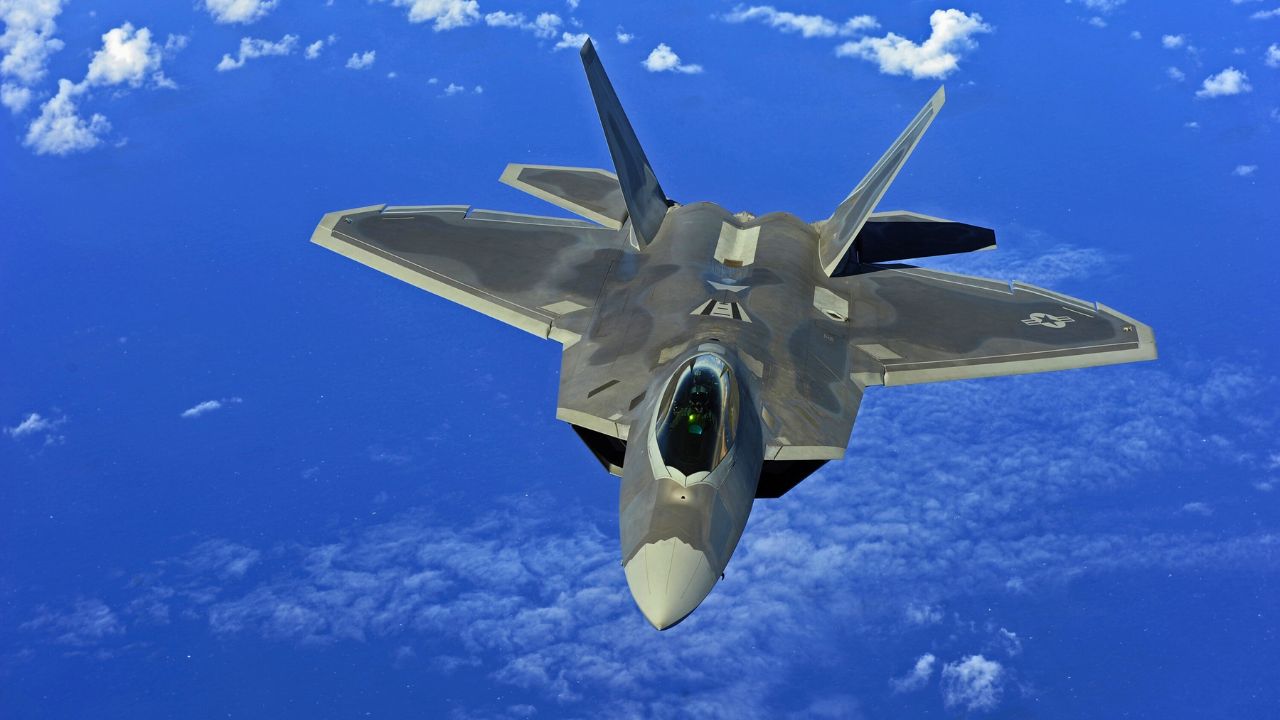
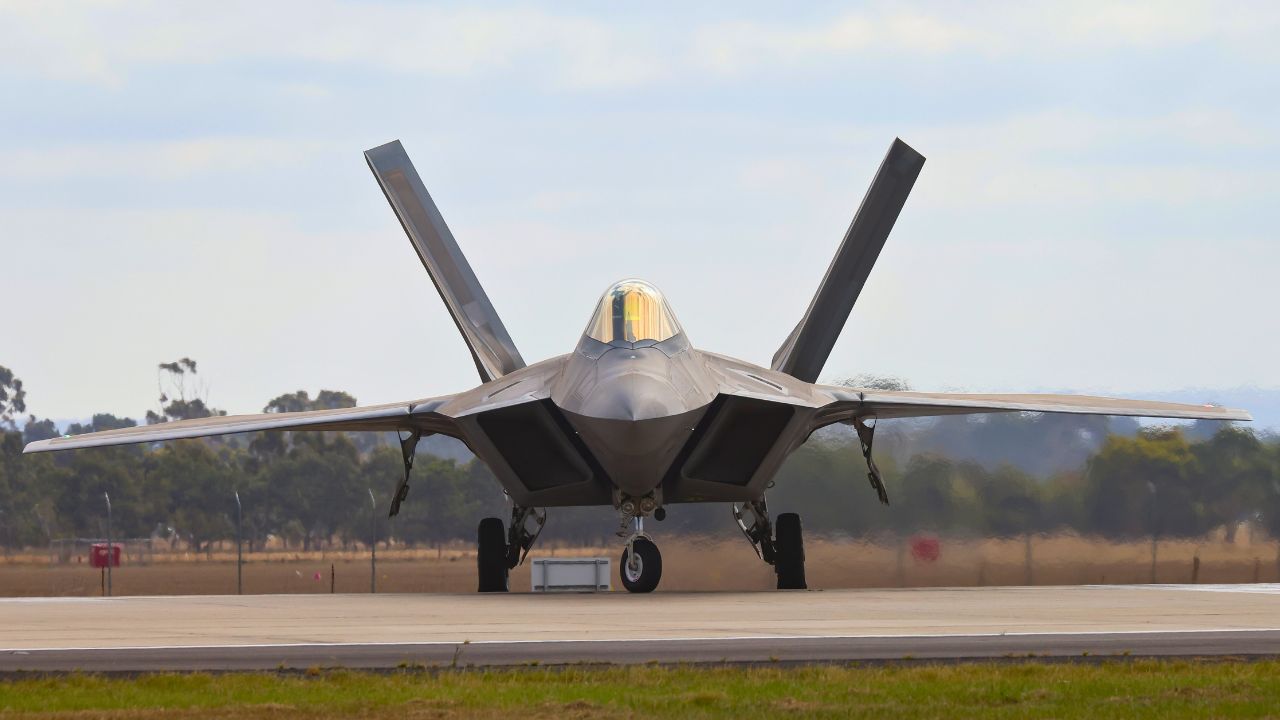
The F-22 isn’t just stealthy—it’s absurdly fast for a jet designed in the ’90s. Cruising at Mach 1.8 without afterburners and reaching about Mach 2.25 when pushed, it combines speed with maneuverability no fourth-gen jet can touch.
Inside, the Raptor’s cockpit is clean, all-digital, and focused on reducing pilot workload. Fly-by-wire, advanced radar, and vectored thrust give it sharp reflexes. It’s like jumping from a vintage V8 into a carbon-fiber supercar that reads the road for you.
8. Convair F-106 Delta Dart

One of the fastest Cold War interceptors, the F-106 could reach Mach 2.3 thanks to a single Pratt & Whitney J75 engine. It was designed to launch fast, climb high, and knock out enemy bombers with nuclear-tipped missiles if needed.
The cockpit was spartan but tech-forward for its time, featuring early data link systems. It had no guns—just speed, missiles, and altitude on its side. Think of it as the minimalist racer: lightweight, stripped down, and blisteringly quick in a straight line.
9. Dassault Mirage 2000
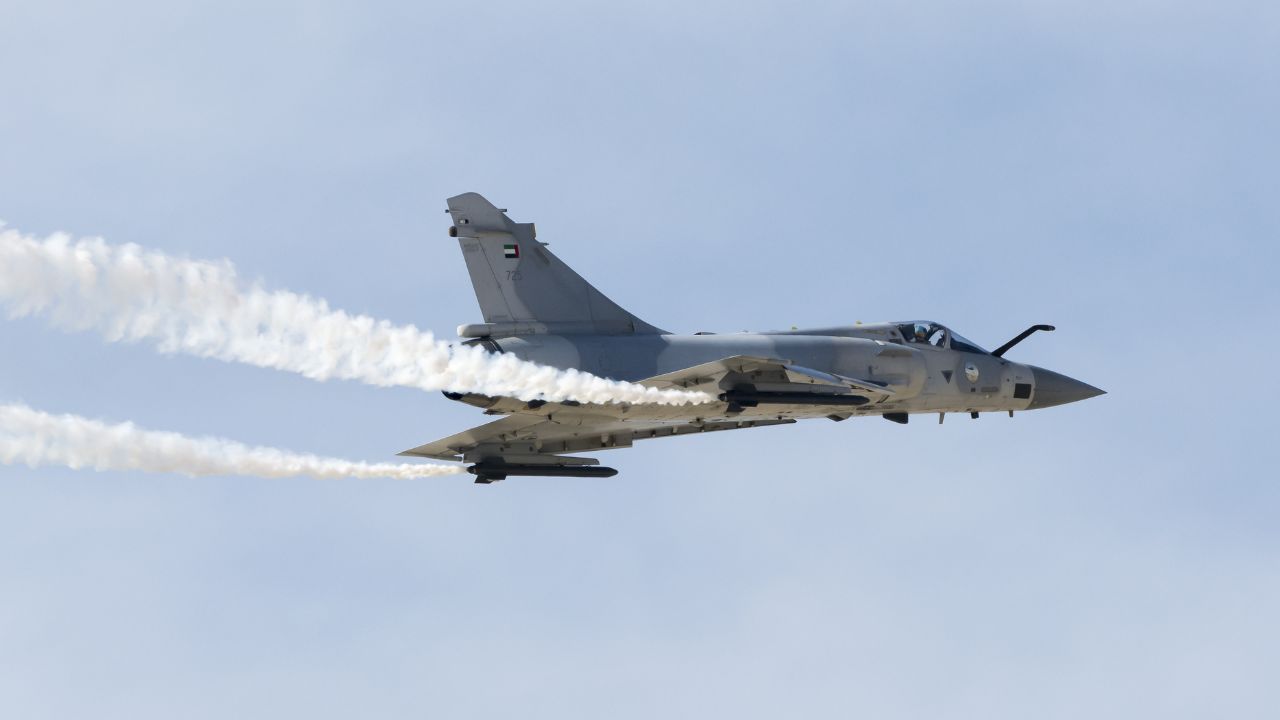
This French-built delta-wing jet tops out around Mach 2.2, with a focus on versatility over brute force. It’s light, fast, and handles well at both low and high speeds—something not every Mach 2+ jet can claim.
The cockpit is tight but refined, and the controls are intuitive once you learn the layout. Its SNECMA M53 engine gives it solid acceleration without being overly complex to maintain. If jets were analog cars, the Mirage would be a driver’s car—lean, quick, and rewarding to fly.
10. Chengdu J-20 Mighty Dragon
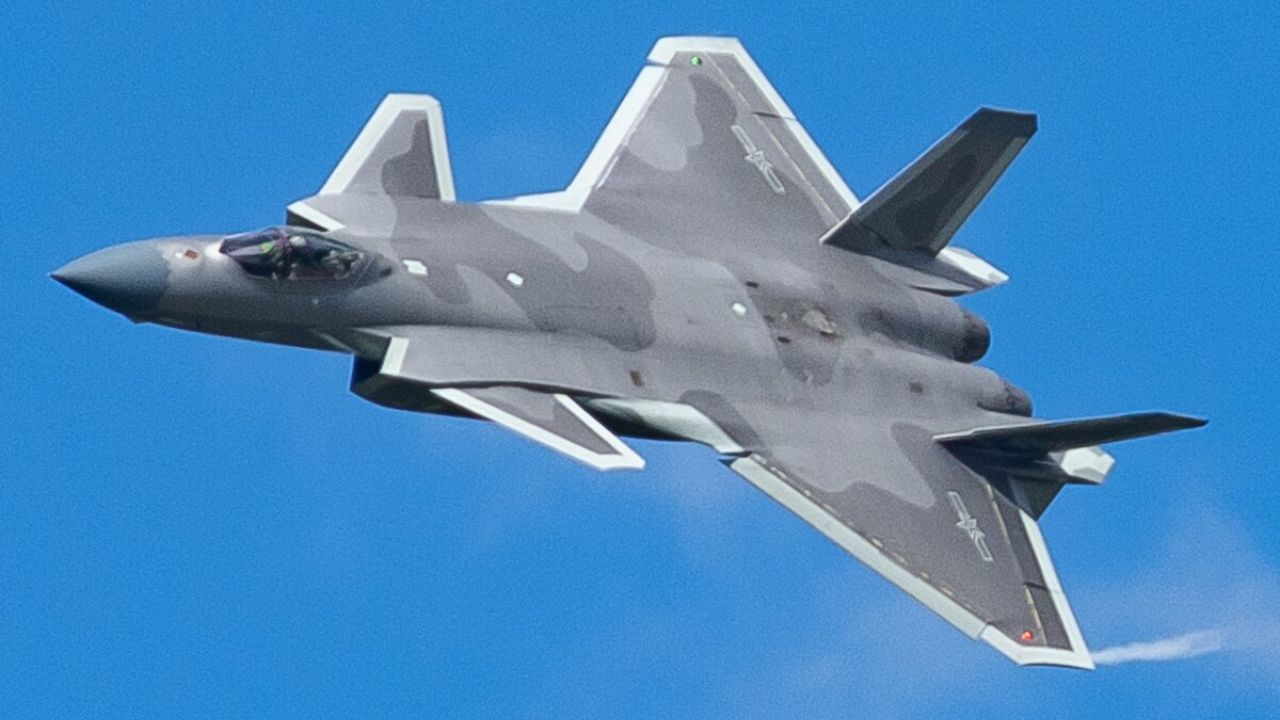
China’s entry into the fifth-gen club, the J-20 is fast—reported to reach up to Mach 2.2—with supercruise capability in newer variants. It’s stealthy, long-range, and designed to project power across the Pacific.
Its cockpit is thoroughly modern with multi-function displays, glass interfaces, and fly-by-wire controls. While full specs are still under wraps, its twin-engine layout and thrust-vectoring hint at serious speed and agility. It’s less refined than the F-22 but no slouch in a straight-line sprint.
Like Fast Lane Only’s content? Be sure to follow us.
Here’s more from us:
*Created with AI assistance and editor review.



Leave a Reply