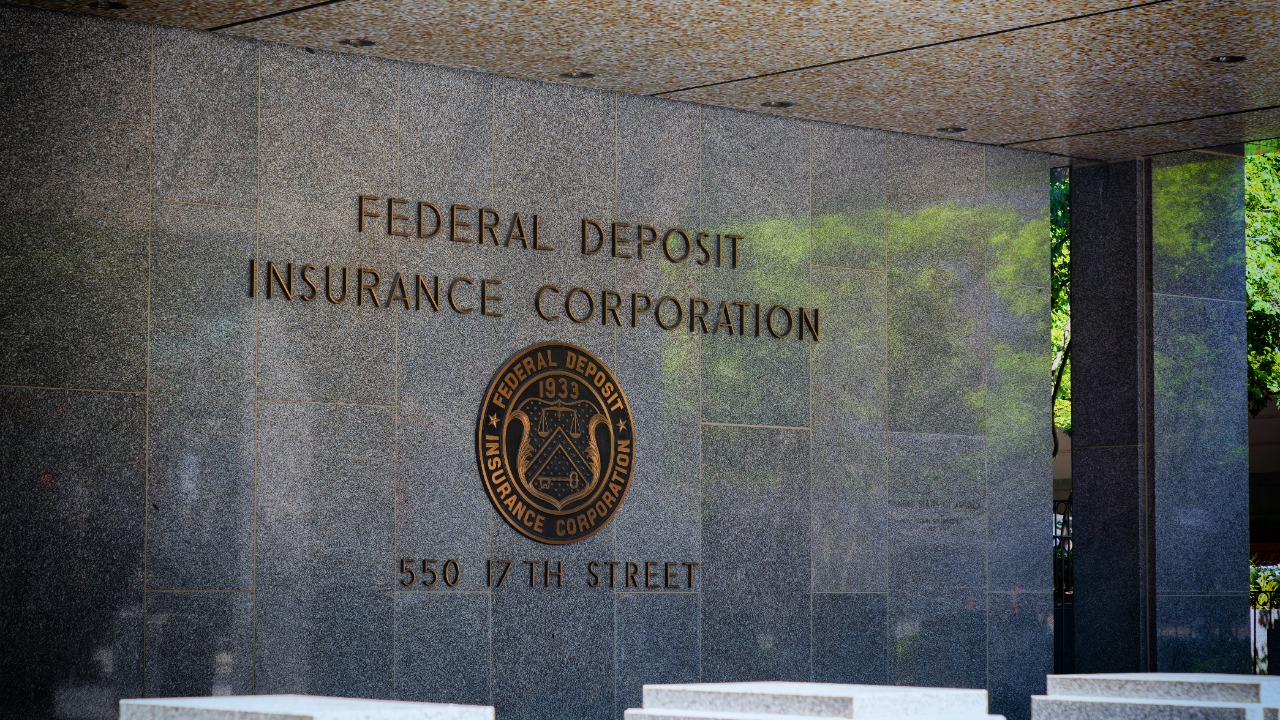
The Federal Deposit Insurance Corporation has given Ford and General Motors something they have chased for years: permission to run their own insured industrial banks. With that green light, the two automakers can now pair car sales with federally backed savings accounts and loans, tightening the loop between the showroom, the smartphone app, and the balance sheet. It is a structural shift that pulls the country’s biggest carmakers deeper into the financial system at the very moment auto credit, technology, and regulation are colliding.
Instead of relying solely on traditional lenders, Ford and GM will be able to gather deposits directly from drivers and use that funding to support vehicle purchases, software upgrades, and electric charging gear. The move raises big questions about competition, consumer choice, and the long running debate over how far commercial companies should be allowed to go into banking.
What the FDIC actually approved
The Federal Deposit Insurance Corporation has formally approved deposit insurance applications for two new industrial banks tied to the automakers, clearing the way for Ford Credit Bank and GM Financial Bank to open in Salt Lake City, Utah. In its own language, the FDIC describes the decision as approving the deposit insurance applications for Ford Credit Bank, Salt Lake City, Utah, and GM Financial Bank, Salt Lake City, Utah, which means customer deposits at these institutions will be backed by the federal safety net up to standard limits. A separate notice reiterates that the FDIC “Approves the Deposit Insurance Applications for Ford Credit Bank, Salt Lake City, Utah, and GM Financial Bank, Salt Lake City, Utah,” underscoring that both banks are structured as industrial loan companies tied directly to the automakers’ finance arms rather than stand alone community banks, a distinction that has long made this charter type controversial.
Regulators did not act in a vacuum. Coverage of the decision notes that the FDIC, in a move framed as “Grants Historic Bank Charter Approvals” for Ford and GM, has effectively opened a new chapter in how auto finance is organized in the United States. One analysis describes the approvals as a landmark step that could be “Reshaping Auto Finance,” language that captures how the agency’s sign off goes beyond routine paperwork and into the realm of structural market change, as the FDIC Grants Historic framing makes clear. A companion version of that same analysis again stresses that the FDIC “Grants Historic Bank Charter Approvals” to Ford and GM and ties the move to a broader narrative of “Reshaping Auto Finance,” reinforcing that this is not just about two new bank logos but about the balance of power between automakers, lenders, and consumers in the years ahead, as highlighted in the second Grants Historic Bank reference.
How Ford and GM plan to use their new banks
Ford and GM are not seeking charters just for bragging rights. Their industrial banks are designed to pull everyday car buyers into a closed loop ecosystem where saving, borrowing, and spending all orbit around the vehicle. Reporting on the FDIC’s move explains that the agency “approves deposit insurance applications for Ford, GM industrial banks,” and notes that the decision has drawn close attention from the American Bankers Association and other groups that track deposit insurance, FDIC approves deposit for Ford and GM industrial banks while also flagging the broader context of mortgage rates and the economy. Another account notes that The Federal Deposit Insurance Corporation has approved deposit insurance applications submitted by General Motors and Ford, authorizing the companies to offer insured deposits through their own platforms, including a website and mobile app, which will let drivers interact with GM Financial Bank directly through digital channels, as described in the GM Financial Bank coverage.
On the Ford side, the strategy is to turn savings into a direct on ramp to the next F 150 or Mustang Mach E. Detailed reporting on the new structure explains that Deposits at Ford Credit Bank will be able to fund a new vehicle purchase, accessories, electric vehicle chargers, and software upgrades, and that regulators have scrutinized the banks’ capital and liquidity positions to support that model, as laid out in the description of how Deposits at Ford will work. Another account of the same approval notes that Feds approve GM, Ford industrial banks for vehicle savings accounts and quotes executives describing how customers will be able to set aside money specifically for a future car and then “do that through our bank,” a vision that shows how the automakers want to turn their industrial banks into long term savings tools rather than just point of sale lenders, as highlighted in the piece on how Feds approve GM, for vehicle savings accounts.
Why industrial banks are so contentious
Industrial loan companies occupy a gray zone that has worried traditional banks for years, and Ford and GM are now the highest profile test of how far that model can stretch. One detailed account of the FDIC’s decision notes that traditional lenders have argued against so called “industrial loan charters,” saying it allows commercial firms to improperly mix banking and commerce and could distort competition between technology companies and the banking industry, a critique that has now been squarely aimed at the automakers as the FDIC clears the way for Ford and General Motors to set up industrial banks, as described in the analysis of how FDIC clears way for Ford and General Motors. Another report, written By Jon Hill, explains that The Federal Deposit Insurance Corp said Thursday that it has signed off on Ford and GM industrial bank bids, emphasizing that the approvals are tied to each automaker’s global financial services arm and that the charters will sit inside those existing finance businesses rather than as standalone consumer banks, a structure that both reassures and alarms different corners of the industry, as outlined in the piece By Jon Hill on the FDIC approval.
Banking trade groups have not been shy about their concerns. A detailed summary of the decision notes that FDIC approves deposit insurance applications for Ford, GM industrial banks and that the American Bankers Association and other associations urged caution, tying the move to broader worries about deposit insurance, mortgage markets, and the economy, as captured in the FDIC approves deposit account. Another market focused report states that FDIC Approves Deposit Insurance Applications Submitted by Ford and GM and frames the decision as The Federal Deposit Insurance Corporation stepping into a long running policy fight over how far commercial companies should be allowed to go in banking, a reminder that the approvals are as much about regulatory philosophy as they are about auto loans, as described in the summary that FDIC Approves Deposit by Ford and GM.
The long road Ford and GM took to get here
These approvals did not materialize overnight. Ford and GM have spent years nudging regulators toward this outcome, refining their applications and promising safeguards that would keep their industrial banks from becoming backdoor megabanks. A detailed narrative of that process describes how the FDIC “Grants Historic Bank Charter Approvals” to Ford and GM and situates the decision at the end of a long regulatory path, noting that the approvals are expected to be “Reshaping Auto Finance” after a period of intense scrutiny, as laid out in the account of how the FDIC Grants Historic to Ford and GM. A companion analysis drills deeper into that “Long Road to Regulation,” explaining that Ford Motor Company (NYSE: F) followed suit in July with its own application and that both automakers chose Salt Lake City based banking hubs as the home for their industrial banks, a detail that underscores how Utah has become a focal point for this charter type, as described in the piece that traces the Long Road to and the Salt Lake City based banking hubs.
More from Fast Lane Only