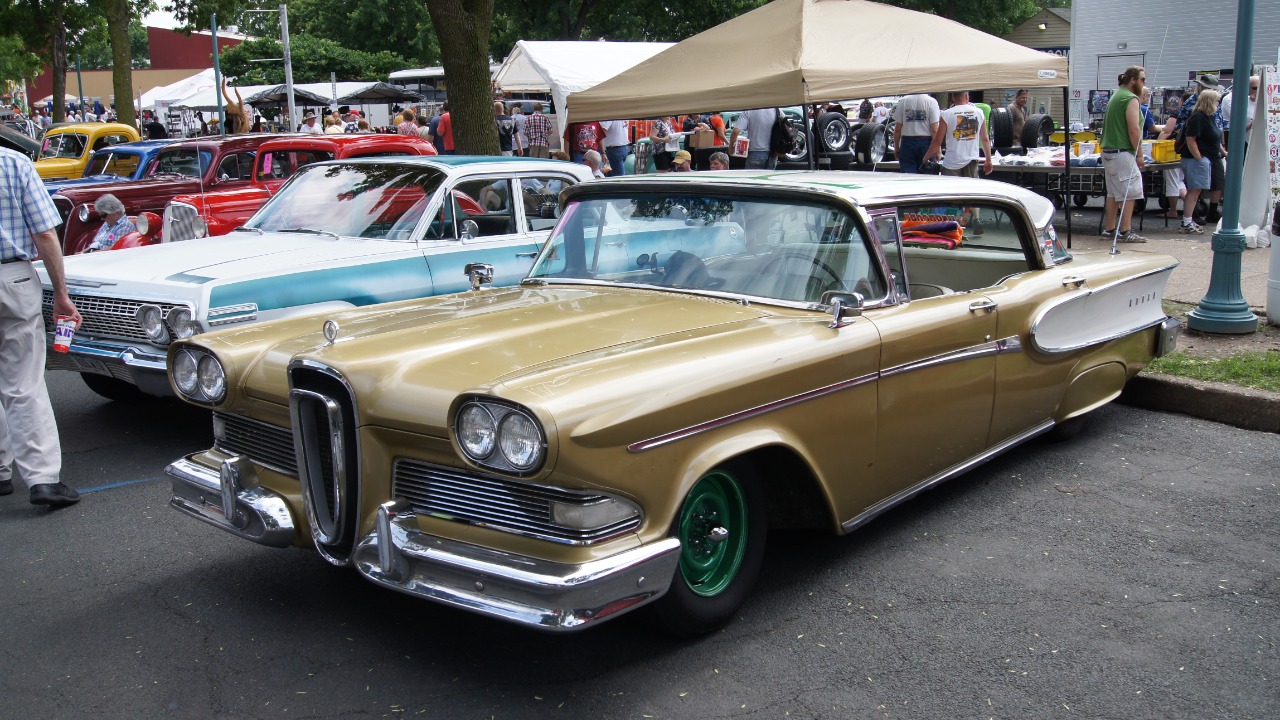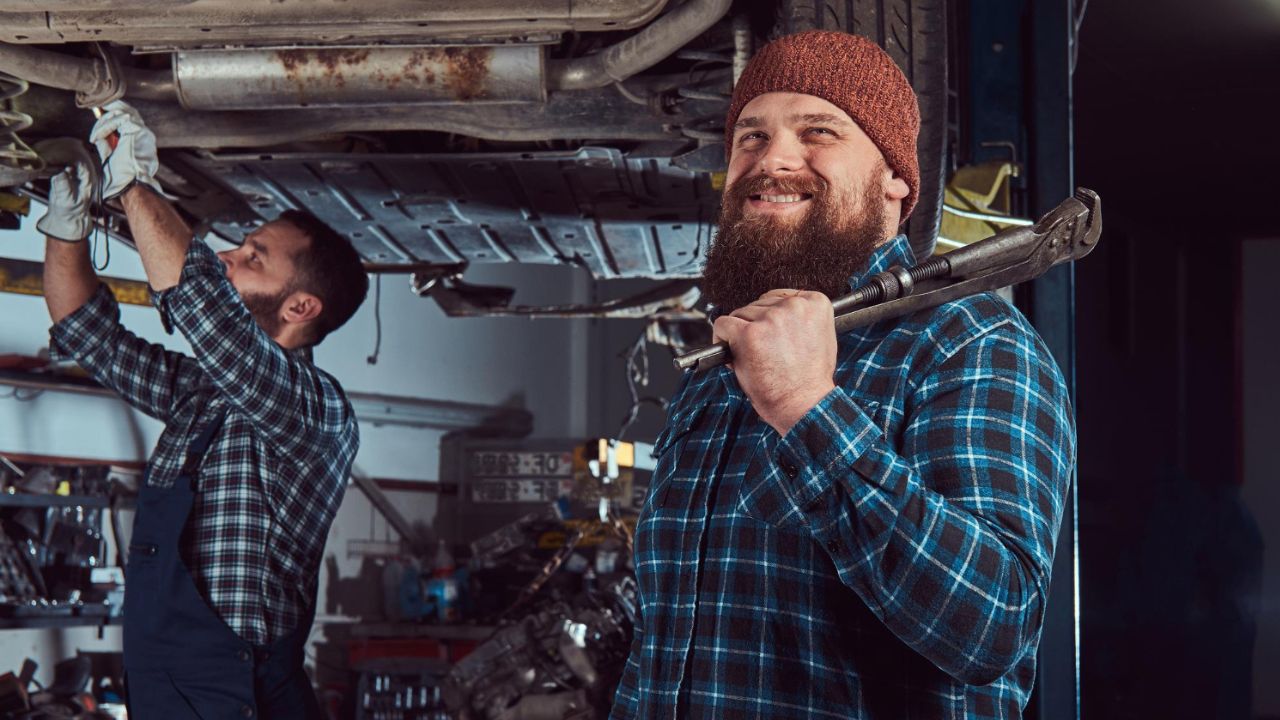
Antique cars hold a timeless allure for car enthusiasts, but maintaining their charm requires specialized skills. Finding skilled mechanics who can handle the intricacies of antique car repairs is crucial for preserving these vintage treasures. Effective strategies for locating mechanics adept at restoring and repairing antique cars can ensure these classics remain roadworthy and authentic.
Understanding the Unique Needs of Antique Cars
Preserving the historical value and authenticity of an antique car, such as a 1957 Chevrolet Bel Air, is paramount. Each component of the vehicle tells a story from its era, and any repair work should aim to maintain this narrative. Using original parts or period-correct replacements is essential to uphold the car’s true identity. Without this attention to authenticity, the car’s historical significance could be diminished, affecting its value and appeal.
Antique cars often require specialized parts and tools that are not commonly found in modern repair shops. For instance, a 1930 Ford Model A might need specific tools tailored to its unique engine design. Mechanics must have access to these specialized tools and know where to source rare parts. This requirement highlights the necessity for a mechanic who not only understands modern automotive technology but is also well-versed in vintage vehicle specifications.
Delicate and precise workmanship is critical when dealing with older vehicles. The aged materials of a 1948 Tucker 48, for example, require gentle handling to prevent further damage. The fragility of vintage cars means that even routine repairs need to be carried out with a level of care and precision that respects the vehicle’s age. This precision ensures the car maintains its original charm and continues to function properly.
Identifying Qualified Mechanics
Certifications and specialized training programs are significant indicators of a mechanic’s capability to handle antique car repairs. Programs like those offered by the Automotive Service Excellence (ASE) can provide mechanics with the knowledge needed for these unique vehicles. A mechanic certified in classic car restoration is more likely to understand the nuances of a 1965 Shelby Cobra, ensuring that repairs are both accurate and respectful of the car’s original design.
Experience with specific models or eras is another crucial factor in identifying a qualified mechanic. A professional familiar with the 1970 Dodge Challenger will have insights into common issues and effective techniques for repairs specific to that model. This experience not only expedites the repair process but also guarantees that the work is done correctly, maintaining the car’s performance and integrity.
When evaluating a mechanic’s reputation, customer reviews and word-of-mouth recommendations are invaluable. Positive feedback from other antique car owners can provide insight into a mechanic’s reliability and quality of work. For instance, if several Jaguar E-Type owners from the 1960s recommend a particular garage, it’s likely that the mechanics there possess the necessary expertise and trustworthiness for handling such vehicles.
Where to Find Skilled Mechanics
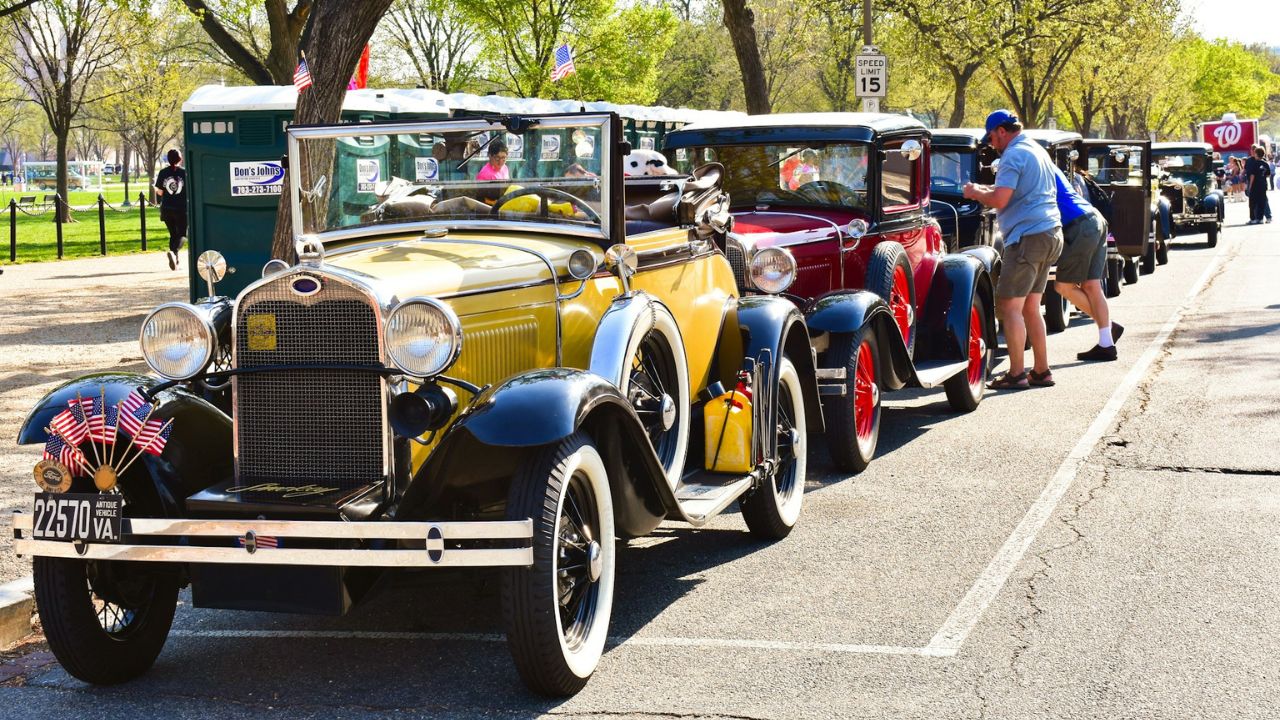
Car shows and antique car clubs are excellent venues for connecting with skilled mechanics. Events like the Pebble Beach Concours d’Elegance not only showcase beautifully restored cars but also attract professionals who specialize in antique vehicles. Networking at these events can lead to valuable recommendations for mechanics who have a proven track record with cars like the 1929 Duesenberg Model J.
Online communities and forums dedicated to antique car enthusiasts are another rich resource. Websites such as ClassicCars.com and forums on platforms like Reddit’s r/classiccars provide spaces where owners share experiences and recommend experts. Engaging with these communities can uncover hidden gems in the world of vintage car restoration, such as a mechanic renowned for their work on the 1969 Pontiac GTO.
Restoration shops and automotive museums specializing in vintage cars offer another avenue for finding skilled mechanics. Establishments like the Petersen Automotive Museum often collaborate with top restorers and can provide referrals for trusted professionals. Shops that focus on restoring classics like the 1936 Mercedes-Benz 540K are likely to have the expertise needed for meticulous and accurate repair work.
Evaluating a Mechanic’s Work
Conducting inspection visits to a mechanic’s shop can provide a firsthand view of their work environment and professionalism. Observing the cleanliness and organization of the shop, especially one working on a 1963 Corvette Stingray, can indicate the care and attention to detail a mechanic brings to their projects. These visits offer insights into how the mechanic handles vintage vehicles and their commitment to quality.
Reviewing a mechanic’s portfolio of past projects is crucial in assessing their expertise and style. A comprehensive portfolio showcasing successfully restored vehicles, such as a 1924 Hispano-Suiza H6B, demonstrates the mechanic’s ability to deliver quality work. Examining the details in these projects can help determine if their style aligns with your expectations for your antique car.
Starting with a small repair project is an effective way to evaluate a mechanic’s skills and reliability. By initially entrusting them with a minor task on a 1955 MG TF, you can gauge their attention to detail, communication, and timeliness. Once satisfied with their performance, you can confidently move forward with more significant repairs or full restorations.
Building a Long-Term Relationship
Clear communication is essential for establishing a successful working relationship with a mechanic. Discussing expectations, timelines, and repair details ensures that both parties are on the same page. This clarity is particularly important when working on complex projects, such as restoring a 1938 Bugatti Type 57, where precision and timing are critical.
Developing a regular maintenance plan with your mechanic can extend the life and performance of your antique car. Routine check-ups and preventive maintenance for a vehicle like the 1972 Ferrari Dino 246 GT can help identify potential issues before they become significant problems. A well-maintained classic car not only runs better but also retains its value over time.
Building trust and reliability is the cornerstone of a long-lasting relationship with a mechanic. Consistently delivering quality work and demonstrating a genuine passion for vintage cars, such as the 1959 Cadillac Eldorado, fosters a partnership built on respect and mutual appreciation. This trust ensures that your antique car is always in capable hands, preserving its legacy for future generations.
Like Fast Lane Only’s content? Be sure to follow us.
Here’s more from us:
*Created with AI assistance and editor review.