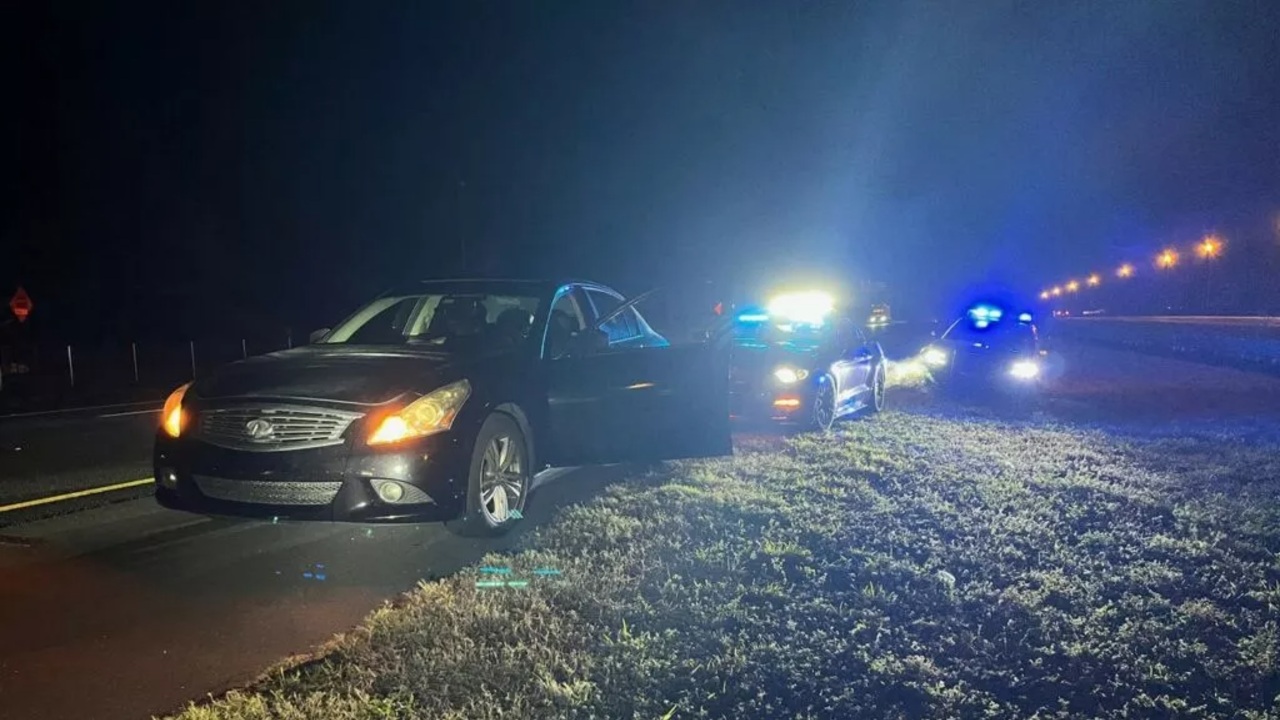
Florida’s new crackdown on extreme speeding is colliding with a car culture that treats triple-digit runs as a badge of honor, and the results are playing out in the glare of patrol car headlights. The image of a “super speeder” in a tuned Infiniti getting humbled by a stealthy 5.0-liter pursuit car captures the dynamic, but the real story is less cinematic and more sobering, rooted in arrests, crashes, and a law that now treats the most reckless drivers as criminals rather than mere traffic offenders. As troopers adapt with faster vehicles and more aggressive enforcement, the state is testing how far it is willing to go to keep its highways from turning into drag strips.
Recent cases from Tampa to rural stretches of highway show how quickly a late-night sprint can escalate into handcuffs, jail bookings, and, in the worst moments, fatal collisions. Florida Highway Patrol, local deputies, and unmarked units are increasingly meeting high-horsepower bravado with their own performance machines, while prosecutors lean on a statute that elevates the most egregious speeding into a serious offense.
Florida’s ‘super speeder’ crackdown
Florida’s “super speeder” framework is designed to draw a bright line between ordinary speeding and conduct that troopers describe as outright dangerous. Under the law, drivers who exceed posted limits by very large margins face criminal charges rather than simple citations, a shift that reflects growing concern about vehicles hurtling along crowded interstates at race track velocities. In Hillsborough County, Florida, troopers with FHP reported clocking a driver at almost 150 m on Interstate 4, a speed that would have been shocking even before lawmakers toughened penalties but now fits squarely within the category of conduct the statute targets.
Officials have emphasized that the change is not symbolic. When FHP arrested the driver accused of reaching nearly 150 m on that stretch of I-4 in Hillsborough County, Florida, the case was treated as a criminal matter from the outset, with the driver taken into custody rather than simply handed a ticket at the roadside. A separate report from Tampa described a man facing a charge under the same “super speeder” law after a trooper recorded his sedan traveling more than 140 miles per hour, again illustrating that the threshold for prosecution is not theoretical but actively being enforced in and around Tampa, Florida. Together, these incidents show how the state is using the law to send a message that the most extreme speeding will be met with arrest, not a warning.
High-speed bravado meets modern patrol cars
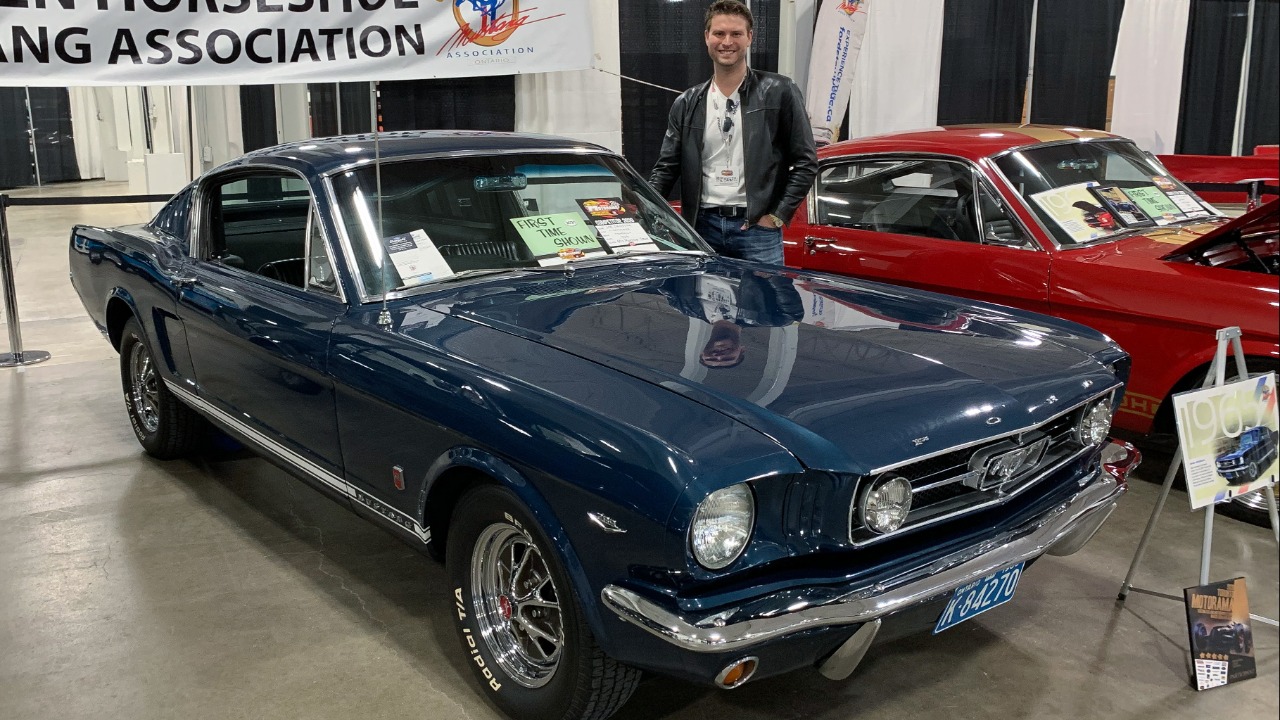
The culture that produces super speeders is fueled by vehicles that can reach extraordinary velocities in seconds, and by drivers who underestimate both the physics and the police response. In one case highlighted earlier this year, a 19-year-old in a Ford Mustang GT treated a public highway as a proving ground, reportedly pushing his car to more than 150 miles per hour while the roads were wet. The description of the incident notes that the Mustang, described as an 800 horsepower Mustang, was weaving through traffic without signaling, behavior that magnified the risk far beyond the posted limit and turned every nearby driver into an unwilling participant in a high-speed gamble.
What many of these drivers misjudge is how quickly modern patrol vehicles, and the troopers behind them, can close the gap. When a trooper got behind the Mustang in that case, authorities say the driver did not simply receive a stern lecture and a citation. Instead, the 19-year-old, identified as Cirilo Rayo-Callejas, was taken into custody and transported to the Hillsborough County Jail, facing charges that carry the possibility of jail time, a $500 fine, or both. The episode, captured in a clip introduced with the on-screen note “Video Player is loading. This is a modal window,” underscores that the performance advantage drivers believe they hold is often illusory once law enforcement engages, particularly when troopers are operating their own high-powered vehicles and coordinating with other units.
Chases, crashes, and the cost of fleeing
Not every super speeder encounter ends with a clean traffic stop. Some spiral into pursuits that test the limits of both machinery and human judgment, with outcomes that can range from miraculous escapes to irreversible tragedy. Near Shadeville Elementary, FHP reported a high-speed chase that ended in a crash, a scenario that could have been catastrophic given the proximity to a school. According to an account attributed to FHP and summarized with the line “There were no serious injuries as a result of the incident,” the crash involved multiple people, yet, remarkably, no one suffered life-threatening harm. The report, credited “Close. By Madison Glaser and WCTV Staff. Published. Jan,” illustrates how quickly a fleeing driver can turn a routine stop into a community-wide risk.
Other incidents show how the danger does not end when the speeding stops. In a separate case shared on social media, a man was arrested after hitting a car and fleeing the scene, only for investigators to discover that the vehicle he struck was an unmarked patrol car. The post, which notes that a person was tragically killed in a head-on collision and introduces the narrative with the word “Turns,” highlights the cascading consequences that can follow a single reckless decision. A driver who initially believes he has escaped accountability can find himself facing far more serious charges once investigators piece together that the victim was a law enforcement officer in an unmarked unit, and that the collision cost someone their life.
From Infiniti fantasies to Florida realities
The notion of an Infiniti super speeder being “smoked” by an undercover 5.0 patrol car resonates because it mirrors a pattern that Florida’s recent cases make plain, even if that specific matchup is not documented in the available reports. Drivers in powerful sedans and coupes, whether a luxury badge or a muscle car, often assume that their modifications, turbochargers, or high-speed ratings give them an edge over police. The reality, as the Hillsborough County and Tampa incidents show, is that FHP and local agencies are increasingly prepared with their own performance-oriented vehicles, unmarked units, and coordinated tactics that render raw horsepower a poor substitute for judgment. When a trooper can quietly pace a car at nearly 150 m or more than 140 miles per hour, the driver’s imagined advantage evaporates the moment blue lights appear.
Florida’s legal and practical response is also reshaping the risk calculus for those tempted to test their limits on public roads. The 19-year-old Mustang driver who found himself in the Hillsborough County Jail, the Tampa sedan driver charged under the “super speeder” law, and the motorist who struck an unmarked patrol car and fled all illustrate that the consequences now extend well beyond fines and points on a license. Criminal charges, potential incarceration, and, in the most tragic cases, loss of life are no longer abstract warnings but documented outcomes. For every enthusiast who imagines outrunning an undercover 5.0, the record of arrests, crashes, and courtroom appearances in Florida stands as a more sobering benchmark, one that suggests the smarter race is the one never started.
More from Fast Lane Only