

Ford is confronting a fresh safety crisis as it moves to repair more than 272,000 vehicles in the United States that can lose their park function and roll away. The recall targets key hybrid and electric models whose drivetrains can fail to hold the vehicle stationary, raising the risk of crashes, property damage, and injuries when drivers think their cars are safely secured.
The scale of the campaign underscores how complex software driven powertrains and electrified driveline components have become a new weak point for automakers, even as they tout advanced safety tech. I see this recall as a pivotal test of how quickly Ford can diagnose, fix, and pay for a defect that strikes at the most basic expectation drivers have of any vehicle, that “park” actually means the car will stay put.
What Ford is recalling and why park can fail
At the center of the action is a defect that can rob affected vehicles of their ability to stay locked in place when shifted into park, creating a rollaway hazard on driveways, parking lots, and streets. Regulators describe the campaign as covering more than 272,000 U.S. vehicles, with a total of 272,645 units identified in federal filings as at risk of losing their park function. Safety officials warn that if the driveline cannot reliably hold the vehicle, even a slight incline or a nudge from another car could be enough to set it in motion.
Ford’s own notice describes the issue as a loss of park function that can allow the vehicle to move even when the gear selector indicates it is secured. That aligns with broader reporting that the company is recalling more than 272,000 hybrid and electric models because they might roll away unexpectedly, a problem that has already triggered a formal Recall alert. I read that as a clear signal that the defect is not limited to a single powertrain or trim, but instead touches a family of electrified driveline components that share common hardware or software logic.
Hybrid and EV models at the center of the safety risk
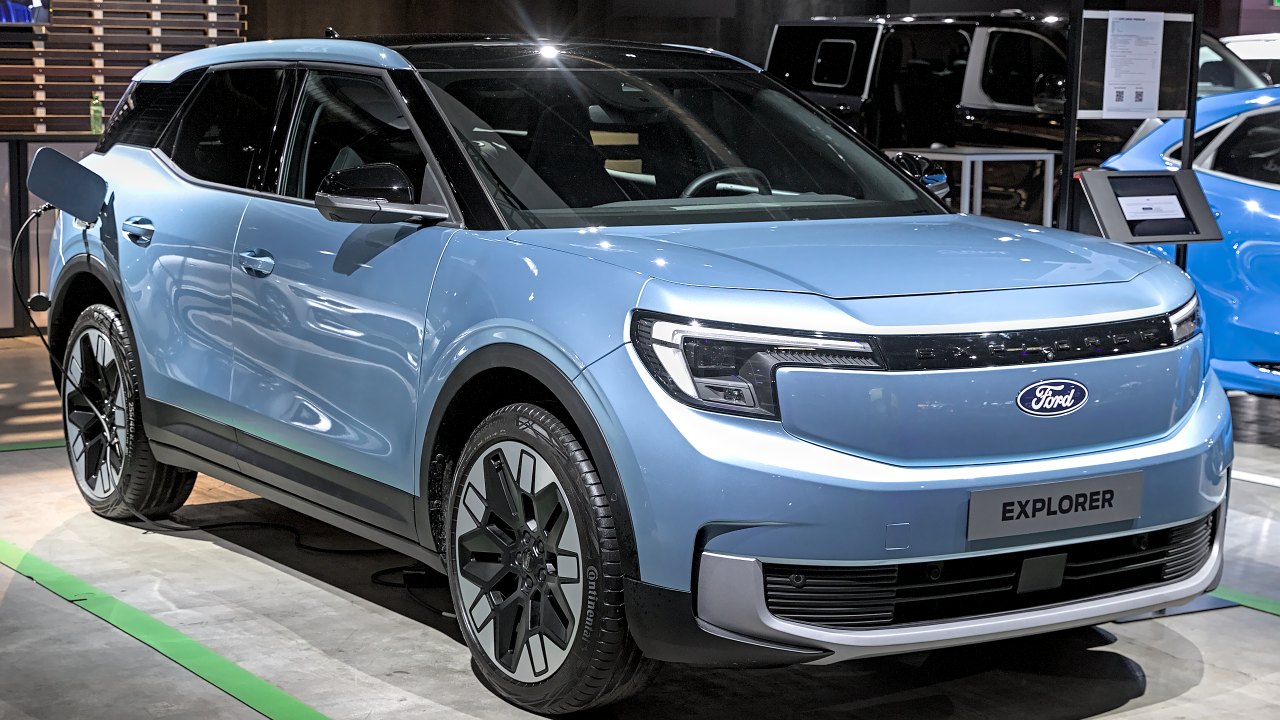
The recall is particularly significant because it sweeps in a broad mix of Ford’s hybrid and battery powered vehicles, the very products the company is counting on to anchor its future lineup. Reporting indicates that Ford has identified more than 272,000 electrified vehicles with the rollaway risk, a figure that closely tracks the 272,645 units cited in federal documents. Another analysis describes the campaign as covering nearly 273,000 vehicles that “cannot park,” a phrase that captures how fundamental this failure is for owners who rely on these cars for daily commuting and family use.
While the technical filings break down the affected population by model and year, the common thread is that these are Ford hybrids and EVs whose driveline design can allow unintended movement. One report notes that Ford has issued a recall for more than 272,000 hybrid and electric vehicles that might roll away unexpectedly, while another describes a massive campaign for nearly 273,000 vehicles due to a potential rollaway risk. I see that slight discrepancy in totals as a function of rounding and regulatory counting, not a sign of confusion about the core problem, which is that a large fleet of electrified Fords can fail at the most basic task of staying still.
How regulators and Ford are responding to rollaway dangers
Federal safety regulators have treated the loss of park function as a serious hazard, and the language in the recall filings reflects that urgency. The campaign is framed around the risk that affected vehicles can move even when the driver believes they are secured, a scenario that can lead to crashes, injuries, or worse if a car rolls into traffic or pedestrians. In the official summary, Ford is described as recalling over 272,000 U.S. vehicles due to loss of park function, with Ford required to repair the defect free of charge.
Public facing alerts echo that concern, warning owners that more than 272,000 vehicles are being recalled over rollaway risks and pairing the notice with a stark file photo of a Ford vehicle to drive home the stakes. I read those alerts as part of a broader push to make sure owners do not dismiss the problem as a minor software glitch, but instead understand that a car that can slip out of park is a direct threat to anyone standing or driving nearby.
What owners should do while waiting for repairs
For drivers, the most pressing question is how to stay safe until their vehicles can be inspected and fixed. The recall filings make clear that Ford will provide repairs at no cost, but scheduling those appointments for more than 272,645 vehicles will take time. In the meantime, owners of affected hybrids and EVs should treat every parking maneuver with extra caution, using the parking brake on every stop, turning wheels toward the curb on slopes, and avoiding situations where a rollaway could send the vehicle into traffic or crowded spaces.
Public alerts about the campaign, which describe more than 272,000 vehicles recalled over rollaway risks, reinforce that owners should not ignore warning signs like unusual noises or movement after shifting into park. Another analysis that characterizes the campaign as a massive recall for nearly 273,000 vehicles that cannot reliably park underscores why I would advise owners to contact their dealer as soon as they receive a notice, confirm whether their VIN is included, and insist on clear guidance about interim safety steps.
Financial and reputational stakes for Ford
Beyond the immediate safety risk, the recall lands at a sensitive moment for Ford’s balance sheet and brand. Analysts have already been tracking how recall costs can pile up for the company, noting that Ford’s trailing price to earnings ratio sits at 8.25, a valuation that reflects both investor caution and some optimism about future earnings. One detailed breakdown argues that while recall expenses may mount, Ford’s sizable cash cushion, cited at tens of billions of dollars, gives it breathing room to absorb the hit without jeopardizing core investments in electrification.
Market sentiment around Ford has actually been improving, which makes this safety crisis even more delicate. Shares of Ford Motor Company, listed on the NYSE, are up by 37.9% year to date, helped by what one commentator described as a very positive recent announcement about its electrification strategy. I see the recall as a stress test of that optimism, a moment when investors will watch closely to see whether Ford can manage a large scale safety fix without undermining its progress on hybrids and EVs, and whether tools like Google Finance continue to reflect confidence in the company’s long term trajectory.
Why this recall matters for the EV transition
As automakers race to electrify their lineups, the Ford campaign highlights how traditional mechanical expectations collide with new powertrain architectures. A conventional automatic transmission uses a physical parking pawl that locks the drivetrain, but in many hybrids and EVs, software and electric motors play a larger role in holding the vehicle still. The fact that more than 272,000 electrified Fords need to be recalled because they might roll away unexpectedly shows how any miscalculation in that design can have real world consequences.
One analysis that describes the campaign as a massive recall for nearly 273,000 vehicles that cannot reliably park frames the issue as not just a Ford problem, but a warning sign for the broader industry. I share that view. If drivers begin to associate hybrids and EVs with basic functional failures like rollaway risks, it could slow adoption at a time when regulators and manufacturers are pushing hard to phase out internal combustion engines. How Ford handles this recall, from transparent communication to swift repairs, will help determine whether this episode is remembered as a stumble on the way to an electric future or a deeper crack in consumer trust.

Leave a Reply