Ford is recasting its battery strategy around a different kind of horsepower, shifting capacity once earmarked for electric vehicles into large packs that can keep data centers and the power grid running. Instead of chasing every marginal EV sale, the company is betting that cloud computing and artificial intelligence will drive steadier demand for stationary storage than the volatile car market. That pivot could redefine how its U.S. battery plants operate and reshape expectations for the communities that banked on an all‑EV future.
From EV ambitions to a battery storage business
Ford is not walking away from batteries so much as changing what those batteries are for. After pouring money into electric pickups and crossovers, the company is now carving out a dedicated Battery Energy Storage System Business that treats stationary storage as a core line, not a side project. The new unit is designed to sell and service battery systems for commercial customers, including data center operators and utilities, using manufacturing capacity that had been planned for EV packs.
In its own description of the shift, Ford says it is launching a battery energy storage business that will lean on wholly owned plants in Kentucky and Michigan and repurpose existing U.S. battery manufacturing capacity. Separate reporting describes this as a full pivot from EV battery packs to grid and data center storage, with Ford positioning itself as a supplier of multi‑megawatt systems rather than just vehicle cells. The company is also highlighting that it will produce LFP batteries using technology licensed from China’s CATL, a move it frames as a way to lower costs for both EVs and stationary products by standardizing on a chemistry that favors durability and affordability over outright performance, as described in its plan to use LFP technology from CATL in China.
Data centers and the grid become the new growth story
The commercial logic behind this shift is straightforward: data centers and utilities need reliable, long‑duration storage, and they need it at scale. Ford is positioning its retooled plants to deliver multi‑megawatt battery systems that can back up server farms and help balance the grid when renewable output swings. That is a very different demand curve from consumer EVs, which are sensitive to interest rates, incentives and model cycles, and it gives Ford a way to keep its battery lines busy even if car buyers hesitate.
One report describes Ford’s plan to begin making 5‑MWh Battery Energy Storage System units and residential batteries at U.S. plants that had been focused on EVs, effectively turning those facilities into hubs for 5‑MWh BESS and residential storage. Another account notes that Ford is switching some battery focus from cars to data centers with plans for huge 20 GWh of capacity dedicated to this market, signaling that the company sees hyperscale computing as a long‑term anchor customer for its cells, as reflected in its decision to shift battery focus to data centers. In parallel, Ford’s own messaging about reinvesting in trucks, hybrids and affordable EVs while building out battery storage underscores that it views stationary systems as a higher‑return growth opportunity than chasing every EV volume target, a theme echoed in coverage of its retreat from some EV investments in favor of higher‑return battery storage opportunities.
Kentucky and Michigan plants get a new mandate
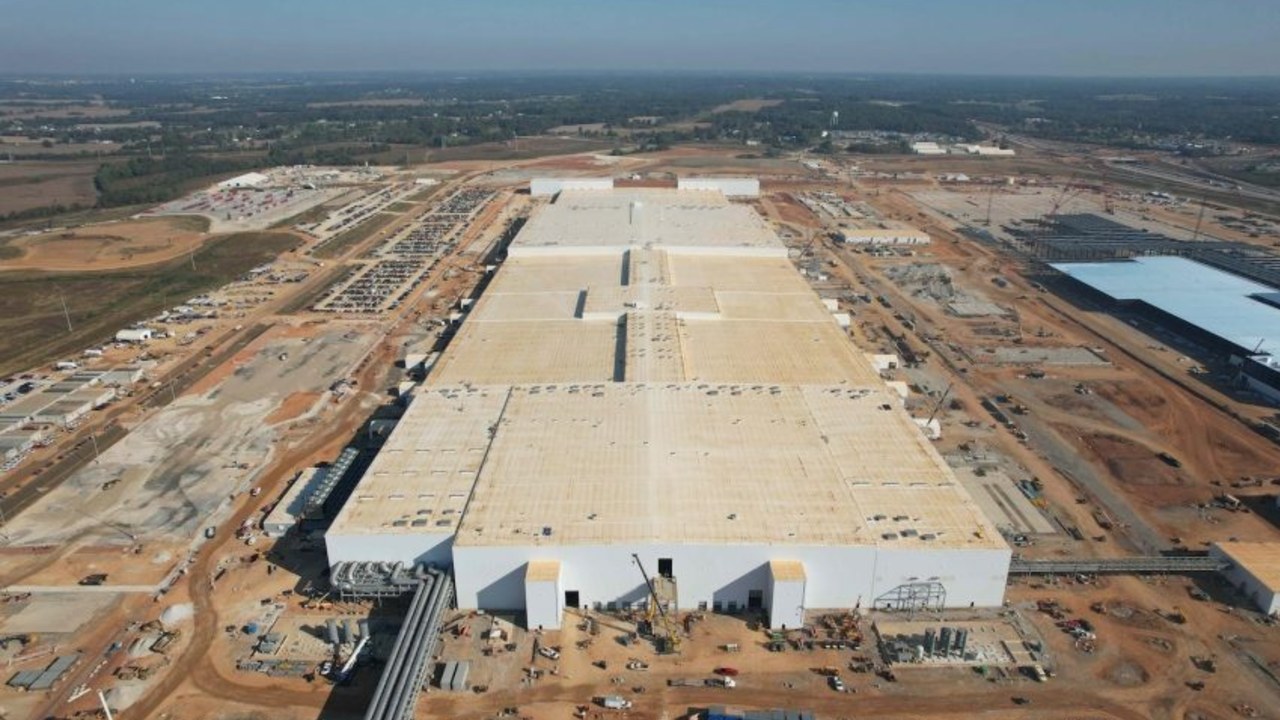
The geographic heart of Ford’s pivot lies in Kentucky and Michigan, where state and local leaders had courted EV battery investments with subsidies and infrastructure. Those same plants are now being reimagined as storage factories, which keeps some of the industrial footprint in place but changes the product mix and, at least in the short term, the employment picture. The shift illustrates how quickly the definition of a “battery plant” can change when corporate strategy and market conditions move.
Ford has said it will leverage wholly owned plants in Kentucky and Michigan and repurpose existing U.S. battery manufacturing capacity for its new storage business, tying the pivot directly to facilities that had been central to its EV push, as outlined in its plan to use Kentucky and Michigan as anchors. In Michigan, the planned $3.5 billion BlueOval Battery Park Michigan in Marshall is now expected to produce residential batteries instead of EV packs, a striking example of how a marquee EV project can be reoriented toward home and commercial storage when corporate priorities change, according to reporting on $3.5 billion Battery Park Michigan in Marshall. Additional coverage notes that Ford plans to repurpose its factory in Marshall, Michigan as part of a broader move to embrace battery making for storage even as it trims some EV investments, a pattern captured in analysis that begins, As Ford retreats from EVs while leaning into batteries.
Layoffs and local fallout in Kentucky
The pivot is not landing evenly across Ford’s footprint, and nowhere is that clearer than in Kentucky. In LOUISVILLE, local reporting describes how All 1,600 employees of a brand new electric vehicle battery plant in Kentucky are being laid off as Ford changes course, a stark reminder that strategic shifts at the corporate level can translate into immediate job losses on the ground. For workers who trained for EV battery roles, the promise of a long runway in that niche has suddenly narrowed.
The layoffs are tied to the unraveling of Ford’s partnership with SK On, which had sparked massive battery plants in Hardin County and helped put places like Glendale and the surrounding region on the EV map. One account notes that Last week, Ford and SK On announced an end to their partnership that launched the Hardin County plants, a decision that now leaves local leaders scrambling to understand how the facilities will fit into Ford’s storage‑first strategy, as detailed in coverage of All 1,600 employees losing their positions and the end of the Ford and SK On Hardin County venture. The broader region around Glendale, Kentucky, which had been preparing for a surge of EV‑related employment and supplier activity, now faces a more uncertain path as it waits to see how much of the new storage business will be routed back into those same buildings, a question that hangs over the industrial sites visible in references to Glendale, Kentucky and the nearby battery campus.
What the pivot signals for Ford’s EV future
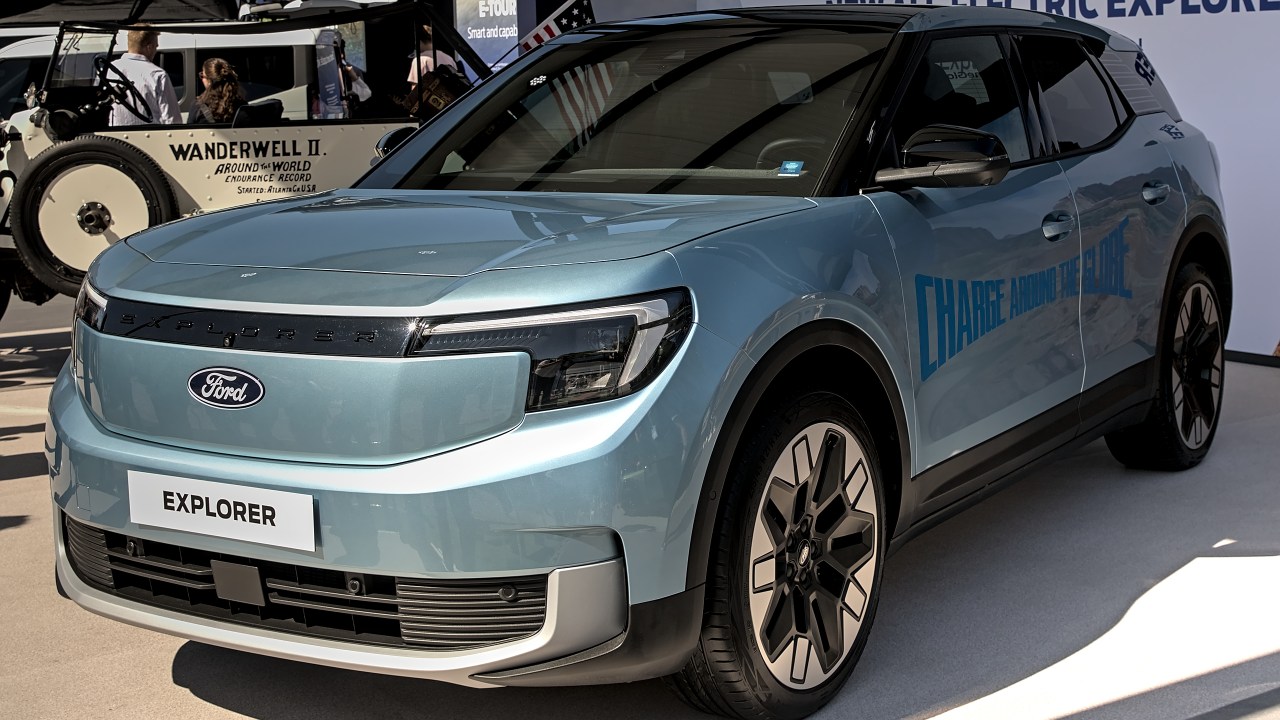
Ford’s move into data center and grid storage does not erase its EV ambitions, but it does recalibrate them. The company is emphasizing trucks, hybrids and more affordable electric models rather than an all‑in sprint toward battery‑only lineups, effectively hedging its bets between combustion, electrification and stationary storage. That mix suggests Ford sees more value in flexible platforms and diversified revenue streams than in chasing pure EV volume at any cost.
In its own messaging, Ford has framed the shift as a reinvestment in trucks, hybrids, affordable EVs and battery storage, presenting the new storage business as one pillar in a broader portfolio that still includes electric vehicles built on a Universal EV Platform for smaller, lower‑cost models, as described in its plan to reinvest in trucks, hybrids and affordable EVs. Other reporting underscores that Ford is launching a Battery Energy Storage System Business with dedicated sales and service, and that it plans to produce LFP cells for both vehicles and commercial storage products, a dual‑use approach captured in references to Launching a Battery Energy Storage System Business and its plan to use LFP technology from CATL in China. As Ford retreats from some EV investments while enthusiastically embracing battery making for storage, the company is effectively betting that the same expertise that once powered its EV dreams can now anchor a different kind of electrified future, one where the most important batteries never leave the building.