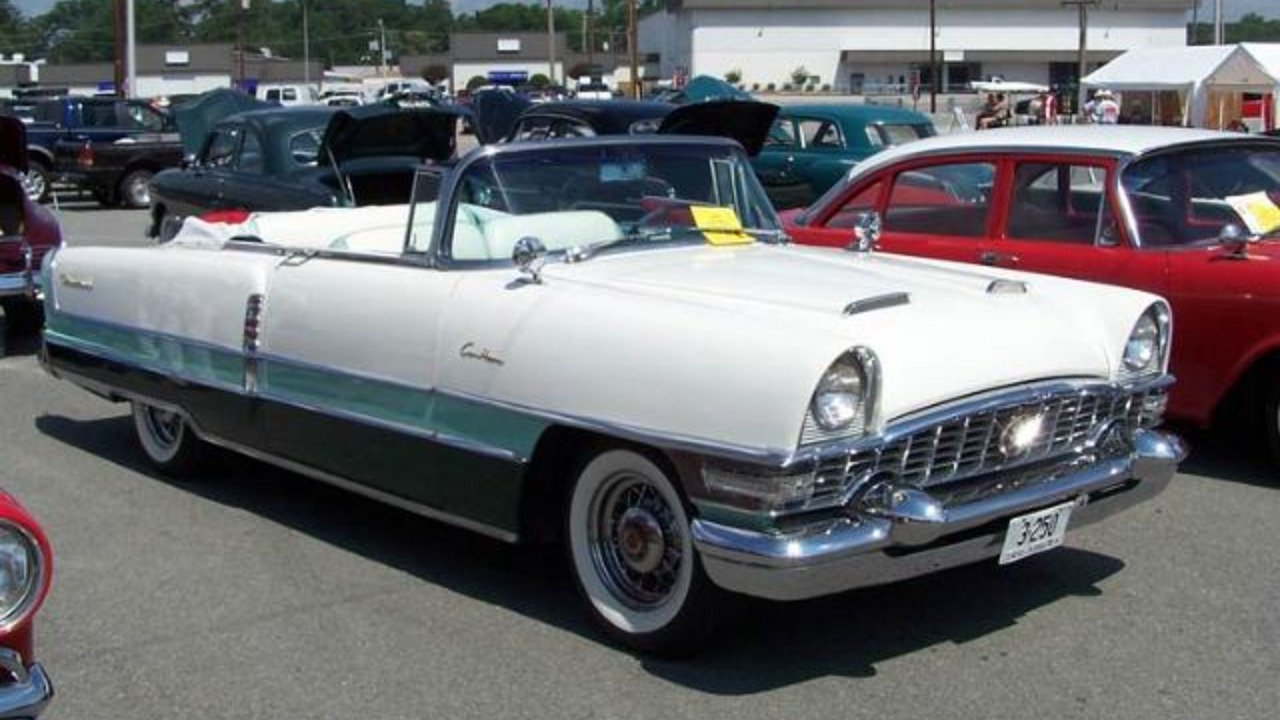
The 1963 Ford Galaxie 500 XL arrived at the height of the space race, with a name that promised orbit and a body that looked ready to slip through the atmosphere. It was a full-size American coupe that treated outer space as a design brief and speed as a birthright, fusing luxury trim with serious quarter-mile intent. In an era obsessed with rockets, the Galaxie 500 XL turned that fixation into sheet metal, chrome and big-block thunder.
From space race fantasy to showroom reality
Ford did not pick the Galaxie name by accident. The badge grew out of a late fifties arms race in styling and marketing, when American carmakers tried to make buyers feel as if they were riding in a rocket. Period descriptions of the early Galaxie line describe how stainless steel, chrome and elaborate trim aimed to make drivers feel as if they were in a rocket, a theme that carried into the 1963 cars and was closely tied to the cultural pull of the space program Inspired By the.
By 1963, that space-age branding had matured into a cleaner, more aerodynamic shape. The Galaxie 500 XL sat at the top of Ford’s full-size hierarchy, a car that had to look futuristic in suburban driveways yet also cut through the air at high speed on American superspeedways. Styling moved away from the wilder fins of the previous decade and toward a long, low profile that visually linked the car to aircraft and spacecraft rather than to tailfinned cruisers.
Fastback form meets NASCAR function
The most dramatic change for the 1963 Galaxie came midyear, when Ford added a lower fastback roofline to improve both appearance and race performance. That new roof, with its sweeping rear glass, was designed to make the big cars more competitive on NASCAR tracks by reducing aerodynamic lift at high speed and giving the profile a purposeful, wind-cheating look fastback roofline.
In an era when stock car racing still required bodies that resembled showroom machines, that fastback was not an abstract styling flourish. It was a direct response to the need for high-speed stability on the superspeedways that were becoming the sport’s defining venues. The roofline also gave the 500 XL a visual link to jet-age design, with a flowing greenhouse that made the car look lower and faster even when parked.
Inside the 500 XL: luxury wrapped around muscle
Within the Galaxie family, the 1963 Ford Galaxie 500 XL was marketed as a premium full-size model that combined bold styling with powerful performance. Contemporary descriptions emphasize that the 500 XL trim blended upscale appointments with muscle car era power, presenting the car as both a highway cruiser and an enthusiast’s choice Ford Galaxie 500.
The interior backed up that promise. Bucket seats, a center console and rich trim separated the 500 XL from lower Galaxie variants that still used more traditional bench layouts. Later descriptions of the broader Galaxie line highlight how Ford used upscale materials and detailed brightwork to convey a sense of space age luxury, and the 500 XL took that approach furthest among the full-size offerings premium full-size.
Optional comfort equipment completed the picture. Period feature lists describe how the Galaxie 500 XL could be ordered with air conditioning, power windows and a power seat, options that pushed the car toward personal luxury territory while still leaving room for serious performance under the hood Optional features.
Engines that made the name feel earned
If the styling and interior made the 500 XL look ready for orbit, the engine lineup gave it the thrust to match. The Galaxie range had already established a reputation for offering everything from economical sixes to strong V8s, and by 1963 the focus had shifted squarely toward big horsepower. Descriptions of the model family explain how earlier Galaxies offered a range of engines from efficient inline sixes to powerful V8s, and how later versions became recognized as some of Ford’s most memorable performance cars of the decade Under the hood.
For the 1963 Ford Galaxie 500 XL, that meant a menu that ranged from small block V8s to serious big block power. Later commentary on the model highlights engines such as the 289 cubic inch V8 on the entry side and progressively larger big blocks that turned the car into a genuine street and strip contender Performance was just.
Enthusiast accounts describe one configuration of the 1963 Ford Galaxie 500 as capable of 0 to 60 m in about 5.5 to 6.0 seconds, with a quarter mile time around 13.5 seconds at roughly 105 miles per hour, performance that placed the big Ford in direct competition with the best factory muscle from rival makes Performance & racing.
The 427 G and a factory-built monster
At the top of the power pyramid sat the 427 G, a big block that turned the Galaxie into a genuine factory hot rod. One later description calls the 427 Galaxie a factory built street and track monster that thrilled drivers with incredible power and top end speed, pairing that engine with heavy duty components to create a car that could win on Sunday and still be driven on Monday 427 G.
That engine was central to Ford’s push to dominate stock car and drag racing. The 427 cubic inch V8 was designed with high rpm power in mind, and in Galaxie trim it gave the full-size car performance numbers that rivaled smaller, lighter machines. In period, this combination of big car comfort and race ready power helped define the Galaxie 500 XL’s reputation among enthusiasts.
Lightweight 500s and the science of speed
Ford did not stop at engine upgrades. To make the most of the 427, the company and its racing partners created special lightweight versions of the Galaxie 500. One account of the 1963 Ford Galaxie 500 lightweight describes how this variant was created specifically for drag racing, with extensive use of aluminum and fiberglass to shed mass from the big body 1963 Ford Galaxie.
Those lightweight 500 models were not just engineering exercises. The same source lists key achievements that include winning the 1963 Daytona 500 with Tiny Lund driving a Holman Moody prepared Galaxie and dominating NHRA Super Stock classes. In both oval and straight line competition, the stripped down Galaxie 500 turned its space age name into tangible results on the timing sheets.
Modern enthusiasts still try to recreate that formula. A later test drive video features a 1963 Ford Galaxy that someone tried to make into a lightweight clone, complete with period style modifications to chase the look and feel of the original race focused cars Ford Galaxy clone.
Advertising the future: from Low gear Synchro to sleek speed
Ford’s messaging around the Galaxie line leaned heavily on technology and smoothness. A period 1963 Ford Ad from the USA for the Galaxie highlighted features such as Low gear Synchro, a transmission refinement that promised quieter, less stressful shifts in city driving and on hills 1963 Ford Ad.
That focus on Low gear Synchro fit neatly with the broader narrative of the 500 XL. Here was a car that could launch hard from a stoplight yet still behave with civility in traffic, a machine that paired advanced driveline engineering with the comfort expected from a full-size Ford. The ad language, with its mix of technical terms and aspirational imagery, reinforced the idea that the Galaxie was both a family car and a piece of space age hardware.
Top of the line: how the 500 XL sat in the Ford universe
Within Ford’s catalog, the Galaxie 500 XL was positioned as a top of the line full-size car that combined luxury and performance in equal measure. Later descriptions refer to the 1963 Ford Galaxie 500 XL as a full-size powerhouse that blended elegance with serious street performance, emphasizing its status as the top tier trim in the Galaxie series As the top-tier.
Another account describes the 1963 Ford Galaxie 500 XL as a stylish and performance oriented full-size car that highlighted Ford’s push into the muscle car era, presenting it as a bridge between traditional big American sedans and the more focused intermediate muscle cars that would arrive later in the decade 1963 Ford Galaxie.
In that sense, the 500 XL anticipated the idea of full-size muscle, a category that would later include powerful versions of other big American sedans. The car’s mix of bucket seats, console, upscale trim and high output engines set a template that Ford and its rivals would revisit repeatedly through the sixties.
Driving impressions and modern appreciation
Contemporary descriptions of well preserved or restored 1963 Ford Galaxie 500s often emphasize how the cars still feel surprisingly composed at speed. Dealers that handle classic examples note that 1963 was the year Ford upgraded the Galaxie for speedy style, with the fastback roofline designed to help it be competitive in racing while also giving street cars a sleeker silhouette Galaxie for sale.
Owners and builders have also continued to reinterpret the 500 XL formula. One award winning build of a 1963 Ford Galaxie 500 XL uses a modern 5.0 liter Coyote engine and a custom chassis while still celebrating the original car’s proportions. Descriptions of that car stress that the Galaxie 500 XL offered a range of powerful engines in period and that some configurations became feared street sleepers, dominating both tracks and boulevards The Galaxie.
That dual identity helps explain the car’s enduring appeal. To some, the 500 XL is a memory of family road trips in a comfortable, quiet Ford. To others, it is a factory hot rod that carried a 427 G under a conservative body. Both readings are accurate, and both flow from the way Ford tried to make space age speed feel accessible to ordinary drivers.
Galaxie heritage and the parts trail
The broader Galaxie line has become a staple of the classic car world, supported by a healthy aftermarket that treats the model as an essential part of American performance history. Catalogs that group restoration parts for multiple classic models reference Ford Galaxie History in the same breath as other icons and frame the series as Inspired By the Space Race, a reminder of how strongly that original theme still defines the car’s identity Discovered Ford Galaxie.
That continued support matters for owners who want to keep 1963 cars on the road with period correct trim or modern upgrades. From reproduction stainless and chrome to suspension and brake components, the parts ecosystem helps ensure that the Galaxie 500 XL’s blend of space age style and real world speed does not fade into static museum pieces.
Why the 1963 Galaxie 500 XL still matters
The 1963 Ford Galaxie 500 XL captured a moment when American carmakers tried to translate the optimism of the space program into everyday products. Its name referenced galaxies, its styling nodded to rockets and jets, and its engineering delivered the kind of speed that made those associations feel earned.
More from Fast Lane Only