Not every hot rod that mattered made it to the spotlight. Some were built in backyards, raced on unlit roads, and passed around through word of mouth—not magazine covers. These were the cars that defined underground scenes: lean builds, wild swaps, and just enough attitude to leave a mark without chasing trophies.
They weren’t always pretty, but they were fast, loud, and completely unapologetic. From forgotten gassers to off-brand street terrors, these ten hot rods helped shape local legends and late-night runs—and then quietly disappeared from the mainstream.
1951 Henry J Gasser
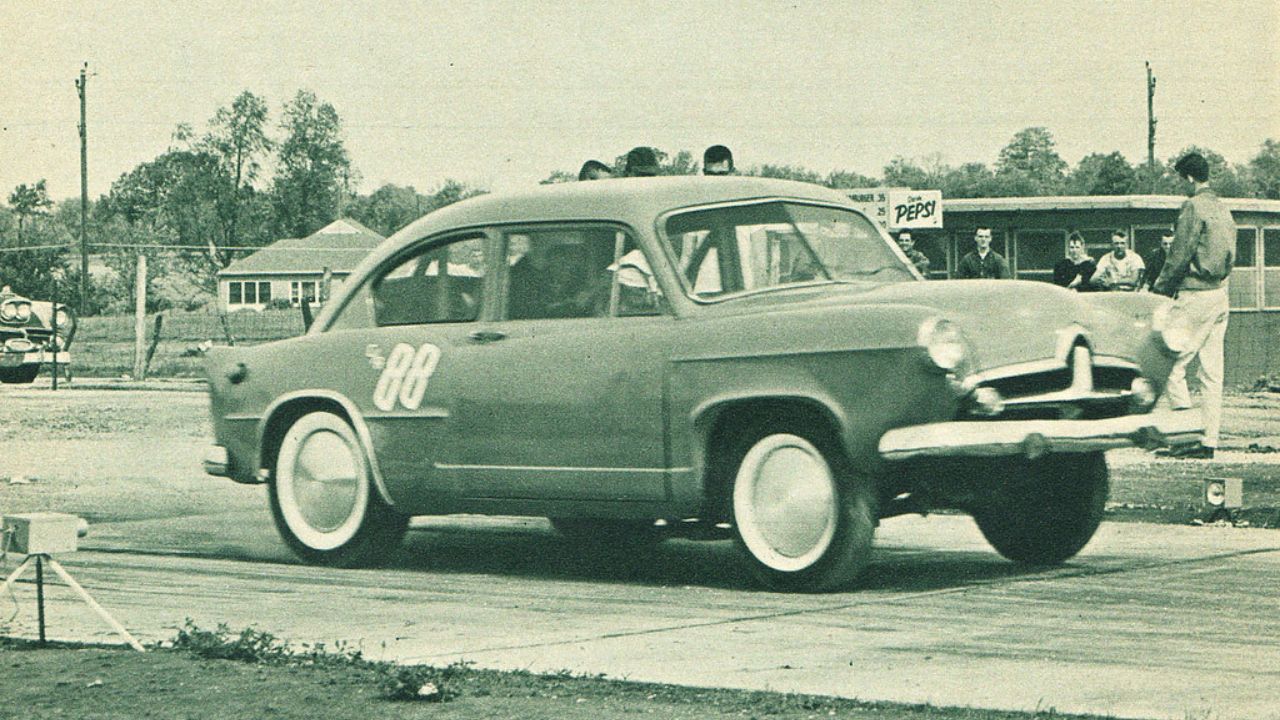
The Henry J wasn’t meant to be fast—it was meant to be cheap. But drag racers in the ‘60s saw potential in its short wheelbase and low weight. With a V8 swap, it became a menace in the gasser scene.
Stripped interiors, straight-axle front ends, and fender-well headers turned these stubby coupes into fire-breathers. They weren’t pretty, but they were fast and easy to wrench. Today, Henry Js barely show up at cruise nights, but in underground drag circles, they were once kings of the quarter mile.
1962 Mercury Comet
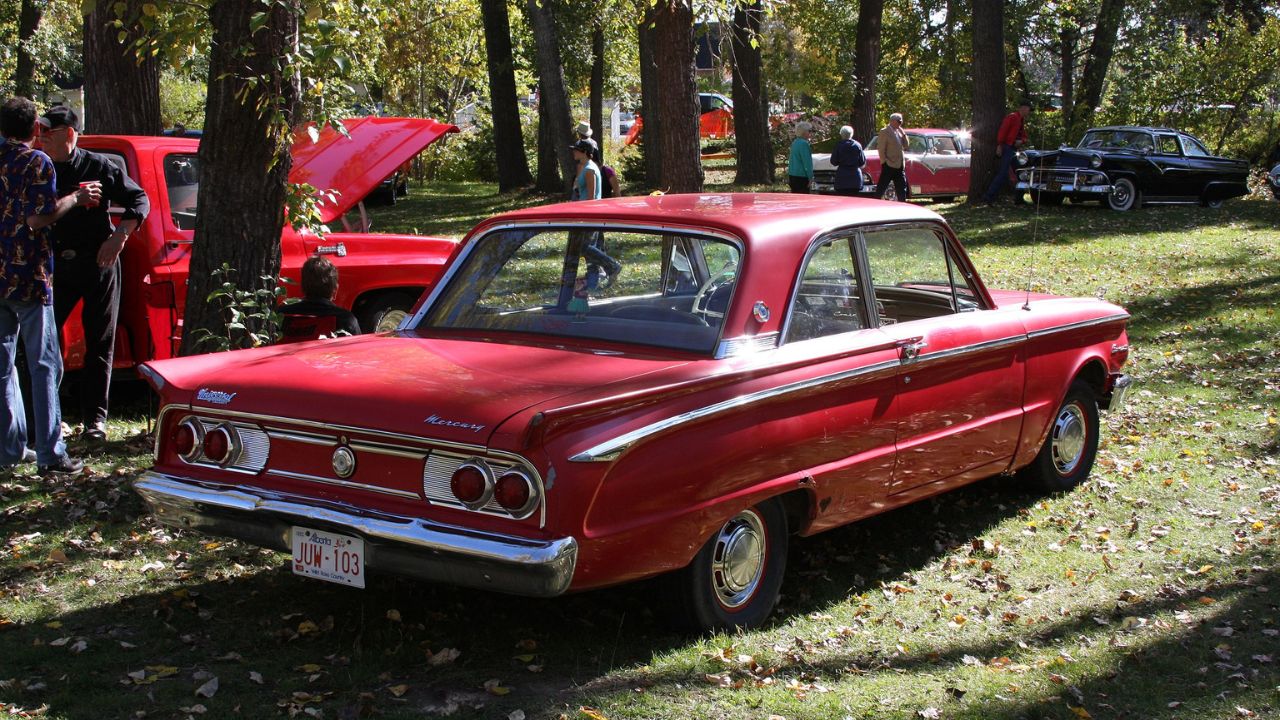
The early Comet wasn’t built for speed, but its light body and shared underpinnings with the Falcon made it a sleeper platform. Street racers in the mid-’60s started dropping in 289s and 302s and running them in primer-gray form.
The factory offered mild V8s later on, but the underground builds went way further—some even stuffed in 390s with tunnel rams. Interiors were bare-bones, and that was the point. These cars didn’t flash—they just ran hard. Most people forgot them, but the backstreets didn’t.
1949 Oldsmobile 88 Coupe
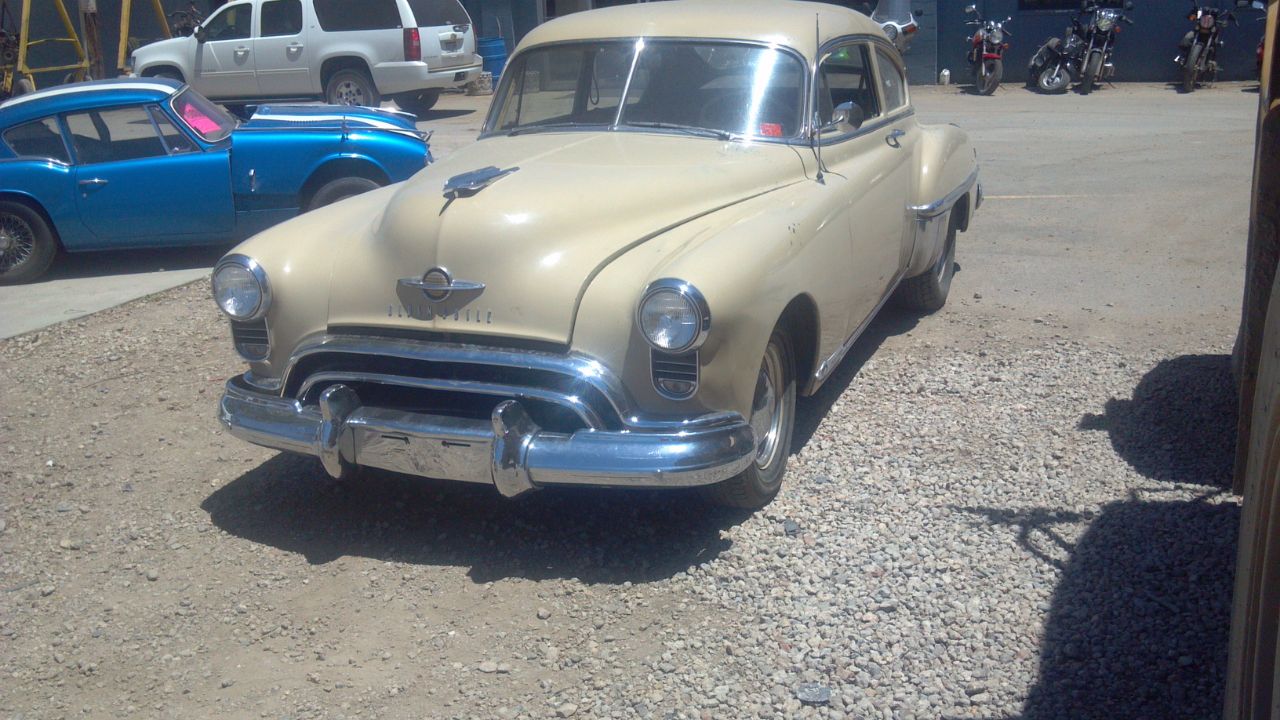
When the Rocket 88 landed, it was the original V8-powered street brawler. Racers yanked off trim, lowered the stance, and tuned the 303ci V8 with dual carbs or milled heads. This car became a foundation for early hot rod culture.
By the late ’50s, most were overshadowed by newer iron, but in certain corners, especially in the Southwest, these were the go-to platform. The interiors were often customized with tuck-and-roll upholstery, and the sound of those early Rockets left a mark you couldn’t miss.
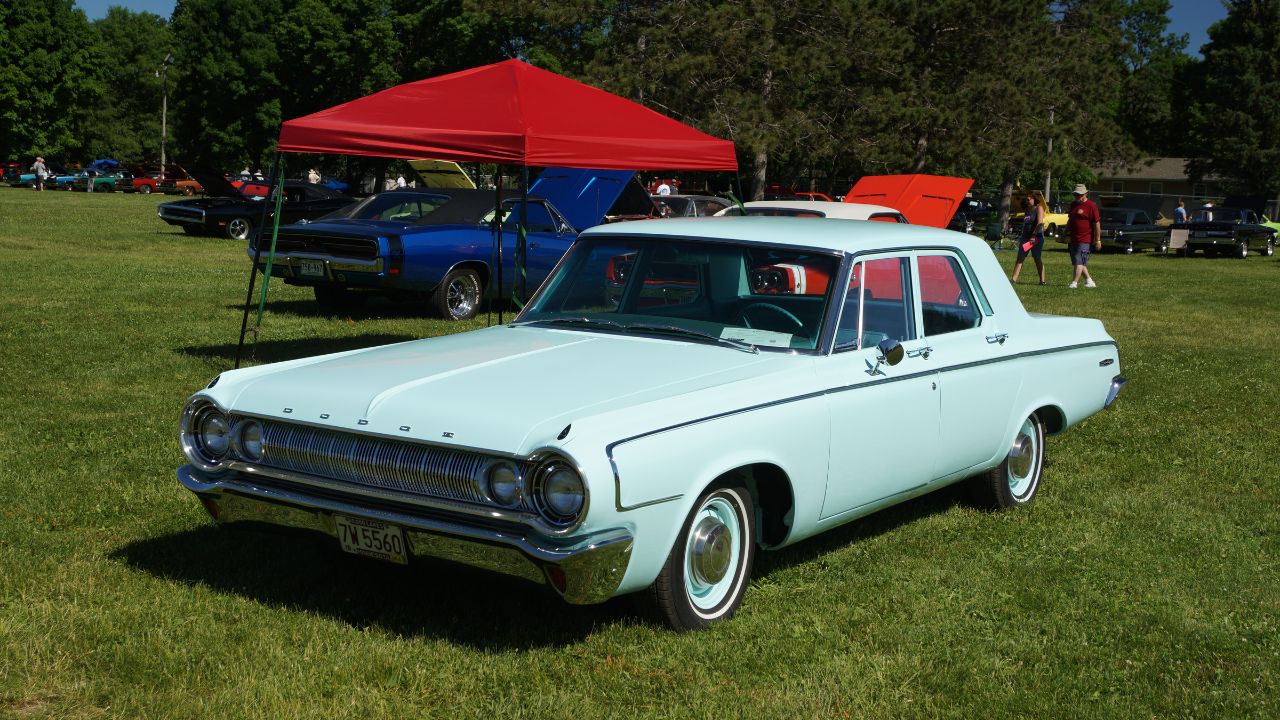
1964 Dodge 330 Max Wedge
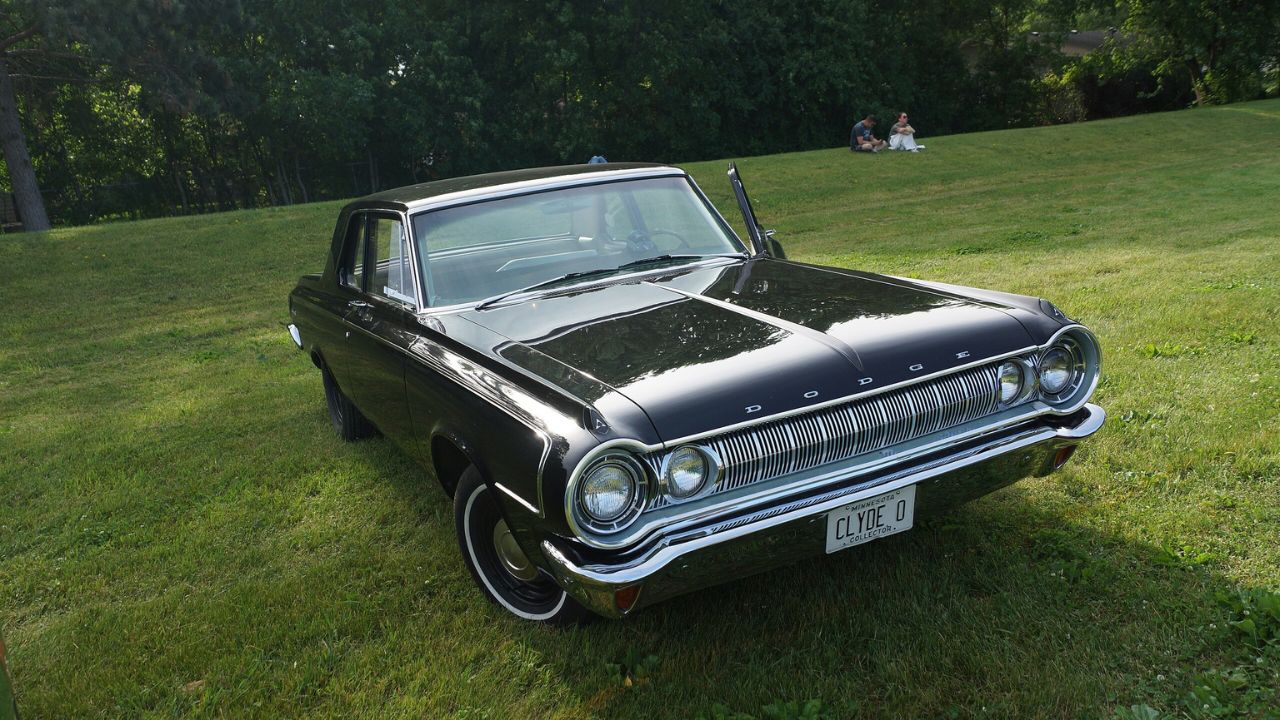
The Dodge 330 with the Max Wedge 426 was a factory-built monster—but it never got mainstream fame. These lightweight sedans packed up to 425 hp and could run 11s with slicks and minimal mods.
In the early Super Stock scene, these cars were feared but often ignored outside drag strips. The interiors were basic: rubber floors, bench seats, and a big tach mounted wherever it fit. Today, they’re overshadowed by Chargers and Road Runners, but underground racers knew what they were doing when they picked a 330.
1933 Willys Coupe
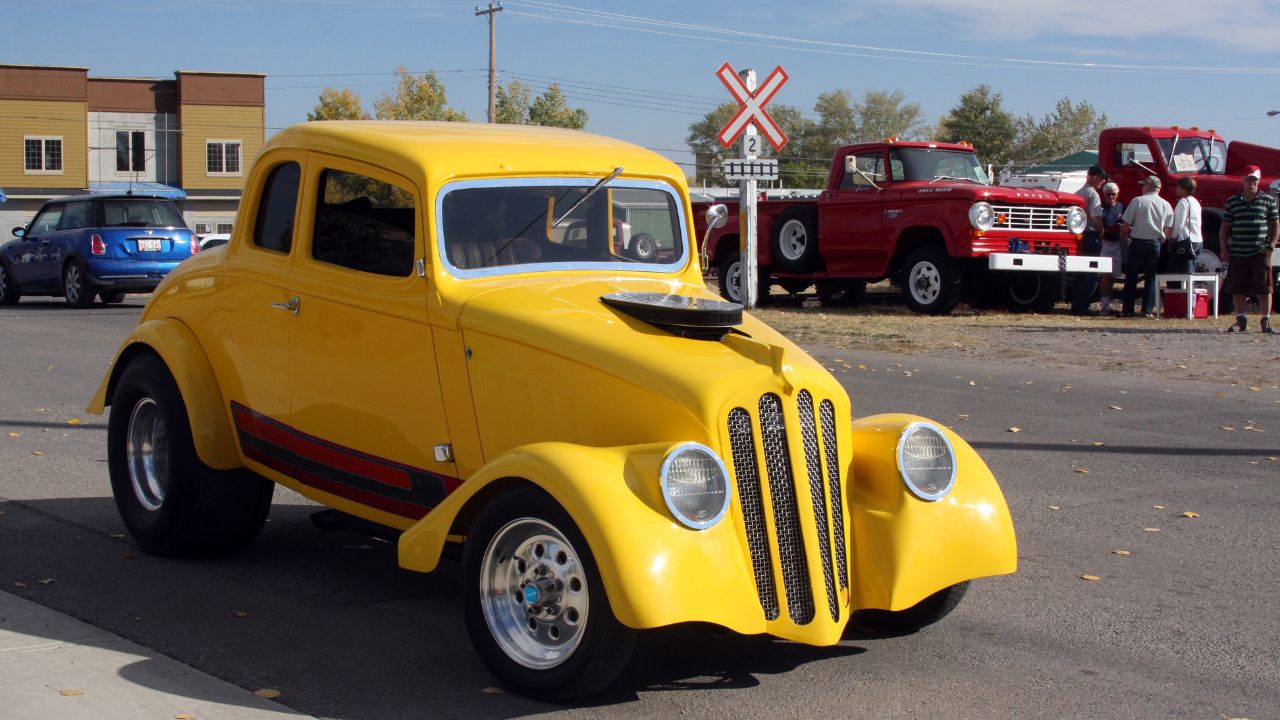
The Willys wasn’t glamorous, but it became a hot rod icon for the gasser crowd. Its short wheelbase and lightweight frame made it ideal for straight-line speed when equipped with a blown small-block or Hemi.
Many ran fiberglass front ends, straight axles, and high-riding stances that defined the ‘60s drag strip look. The interiors were stripped to the bone—just a tach, shifter, and maybe a lap belt. While street rod shows remember the Willys now, it was the outlaw racers that made it a legend first.
1957 Ford Ranchero
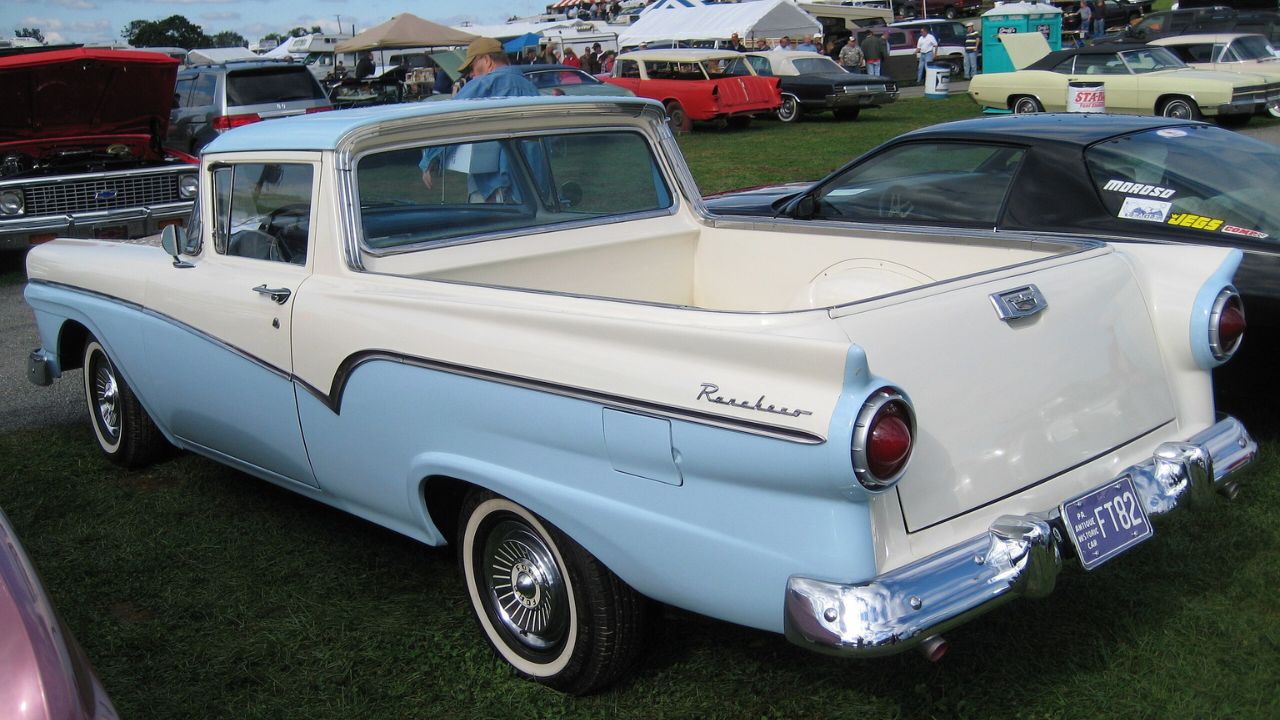
While the El Camino gets the spotlight, the Ranchero showed up first. In underground hot rod circles, especially on the West Coast, it became a hauler that could haul. The 292 and 312 Y-blocks got replaced fast with 390s or FE 427s.
With the rear bed cleared for weight balance and traction tricks, Rancheros were running circles around more obvious choices. The bench seat and steel dash stayed, but roll bars and line locks weren’t uncommon. Not flashy—but very fast if built right.
1974 AMC Hornet X Hatchback

The Hornet X was AMC’s lightweight coupe that got overlooked by pretty much everyone. But for the budget street racer crowd, it was perfect. Drop in a 401, tweak the suspension, and you had a sleeper that could surprise anything at a red light.
The factory interior was economy-class, but it didn’t matter. These cars were stripped, tuned, and thrashed. In East Coast street scenes, especially in the ’80s, Hornets became the underground hot rod no one saw coming—until they got beat.
1953 Studebaker Commander Coupe
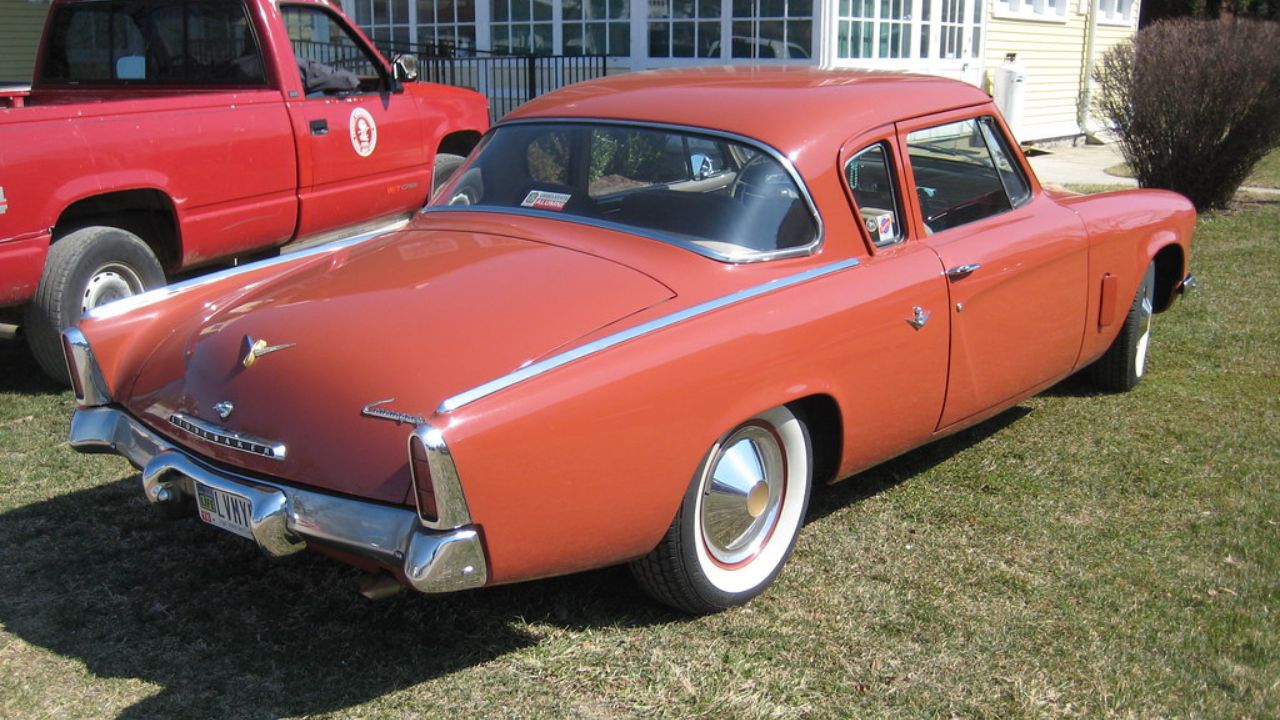
Studebaker’s low-slung, aerodynamic body was ahead of its time—and a few folks noticed. Racers on dry lakes and drag strips started stuffing these with Chrysler Hemis and Cadillac V8s for high-speed passes.
The stock 232 V8 wasn’t the draw—it was the body. The sloped nose and light weight made it perfect for high-speed runs. Interiors were simple and often gutted. This car didn’t need to be loud visually. It spoke volumes when it crossed the line ahead of you.
1961 Pontiac Ventura
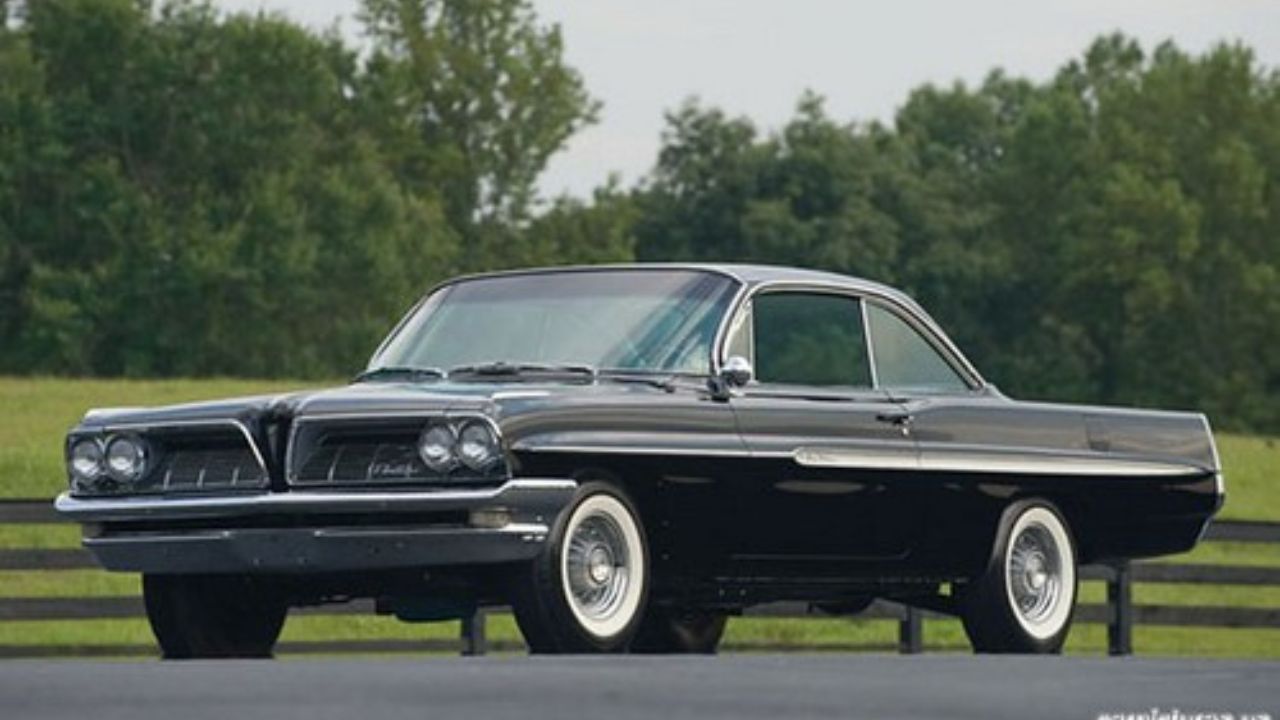
The Ventura was Pontiac’s stripped-down Catalina with better weight balance and factory access to big engines like the 389 Tri-Power. Underground racers liked that it looked like a grocery-getter but moved like a drag car.
The interiors were no-frills—vinyl seats, basic gauges, and room to add what mattered. You’d see these pop up at midnight meets outside Detroit and disappear just as fast. Today, everyone remembers the GTO, but the Ventura was often the one doing the real work on the street.
1936 Ford Three-Window Coupe
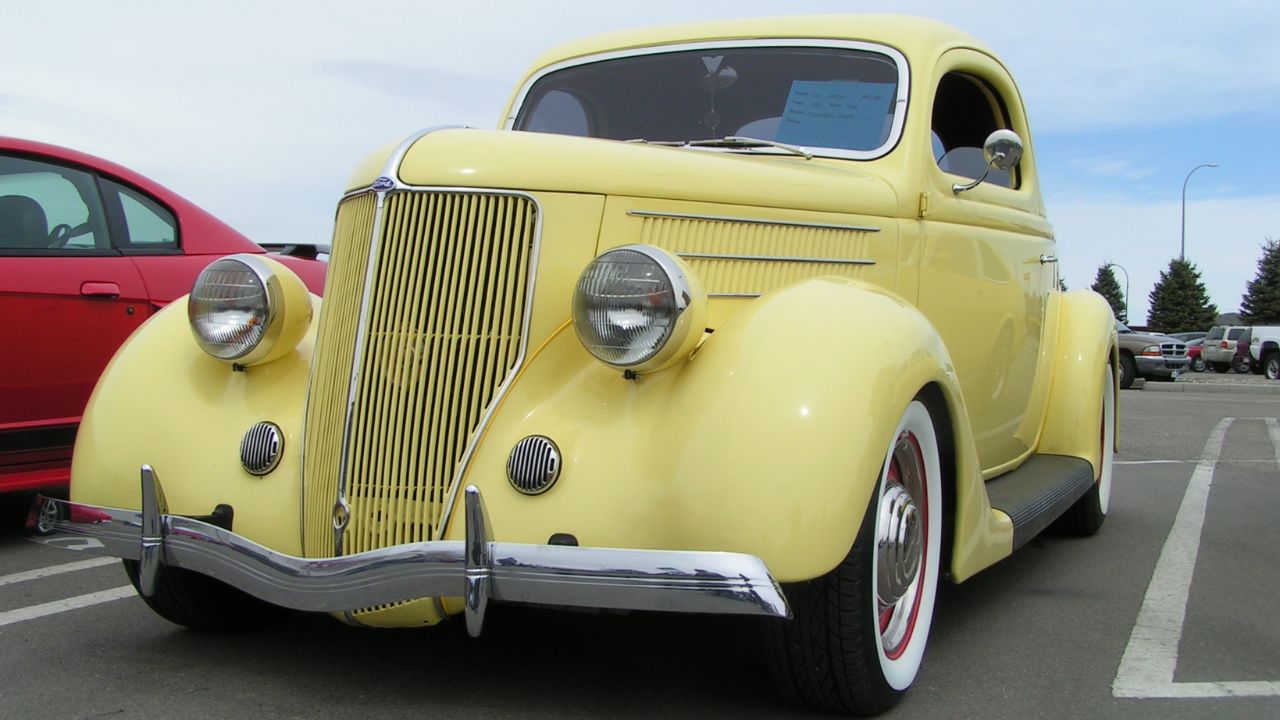
While the Deuce coupe gets all the ink, the ’36 three-window was the low-key favorite among traditional hot rodders. It had a longer nose and sleeker fenders that worked well with dropped axles and loud flatheads.
Later, builders would throw in Olds or Caddy mills and run them on the strip or the street. Interiors stayed tight—no creature comforts, just speed parts and style. You didn’t see these on magazine covers often, but the guys who mattered knew what they were looking at.
Like Fast Lane Only’s content? Be sure to follow us.
Here’s more from us:
*Created with AI assistance and editor review.