The 1940s were a strange, transitional decade for cars. War halted production for the first half, and when things picked back up, the designs were cleaner, heavier, and more grounded. Streamlining replaced excess, and powertrains were tough rather than quick. But despite the limitations, a handful of cars from that era still stand out today—not because they’re old, but because they carry a presence that’s hard to fake.
These aren’t museum pieces parked in glass. They’re the ones that make you stop mid-conversation when they pass by. Purpose-built, styled with confidence, and somehow still relevant decades later.
1948 Tucker 48
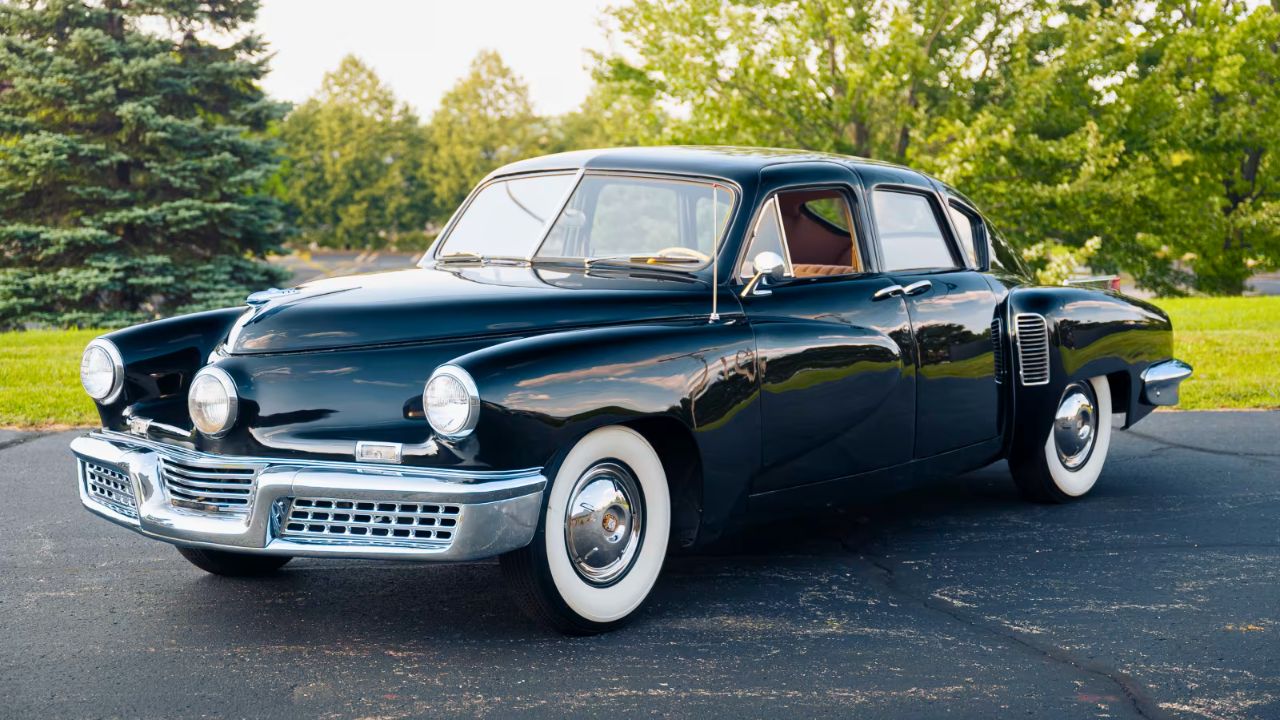
The Tucker 48 was way ahead of its time, even if it only lasted a single year. It had a rear-mounted 5.5L flat-six originally sourced from a helicopter, pushing out 166 hp. It also came with a fully independent suspension and a padded dash, which was pretty rare back then.
That center-mounted “cyclops” headlight turned with the steering wheel, which wasn’t just clever—it actually worked. Inside, the layout was open and modern for the period, with a column shifter and clean sight lines. Fewer than 50 were built, but every one still turns heads like it just landed from the future.
1941 Cadillac Series 62 Convertible Coupe
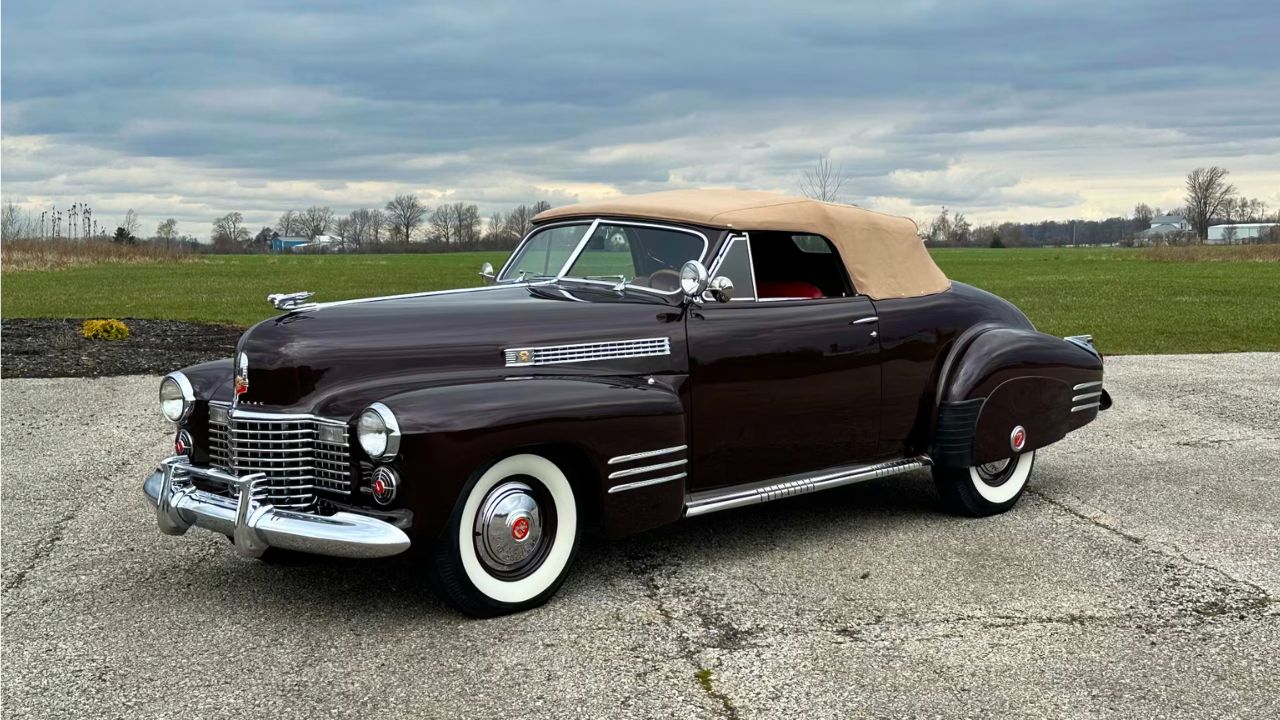
Long, low, and graceful—the 1941 Cadillac Series 62 hit a sweet spot before war paused production. It ran a 5.7L V8 that made around 150 hp, paired with a smooth Hydra-Matic automatic transmission, which was new tech at the time.
The front end had subtle chrome, a wide grille, and big round fenders that flowed neatly into the doors. Inside, it was trimmed in leather with Art Deco touches and clean analog gauges. It doesn’t try too hard. It just shows up with quiet style, and people still notice.
1940 Lincoln Continental
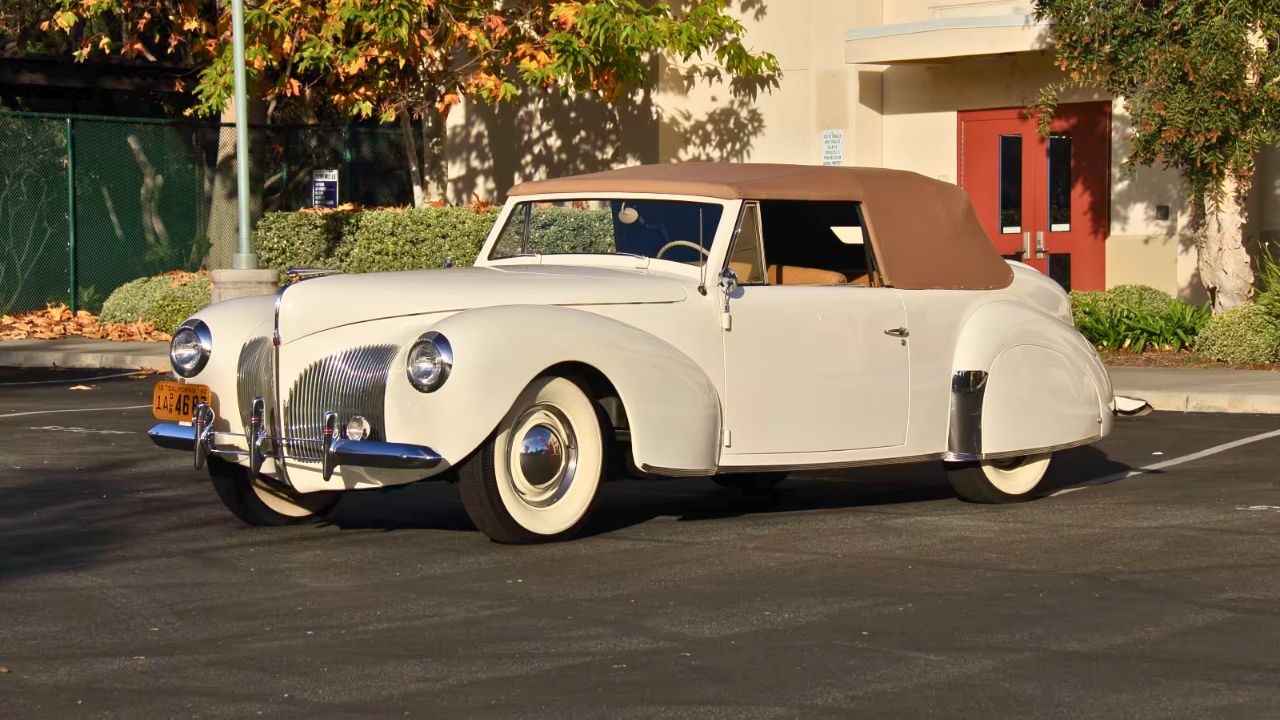
The original Lincoln Continental wasn’t built to grab attention—it just did. Edsel Ford wanted something elegant for personal use, and what came out was a long-hooded, clean-lined coupe powered by a 4.8L V12. It made about 120 hp and cruised effortlessly.
With its rear-hinged spare tire and near-horizontal grille, it had proportions that didn’t feel like anything else on the road. Inside, the cabin was restrained and well-finished, more like a private lounge than a driver’s cockpit. It’s still one of the few American cars that aged like a tailored suit.
1947 Delahaye 135MS Figoni et Falaschi
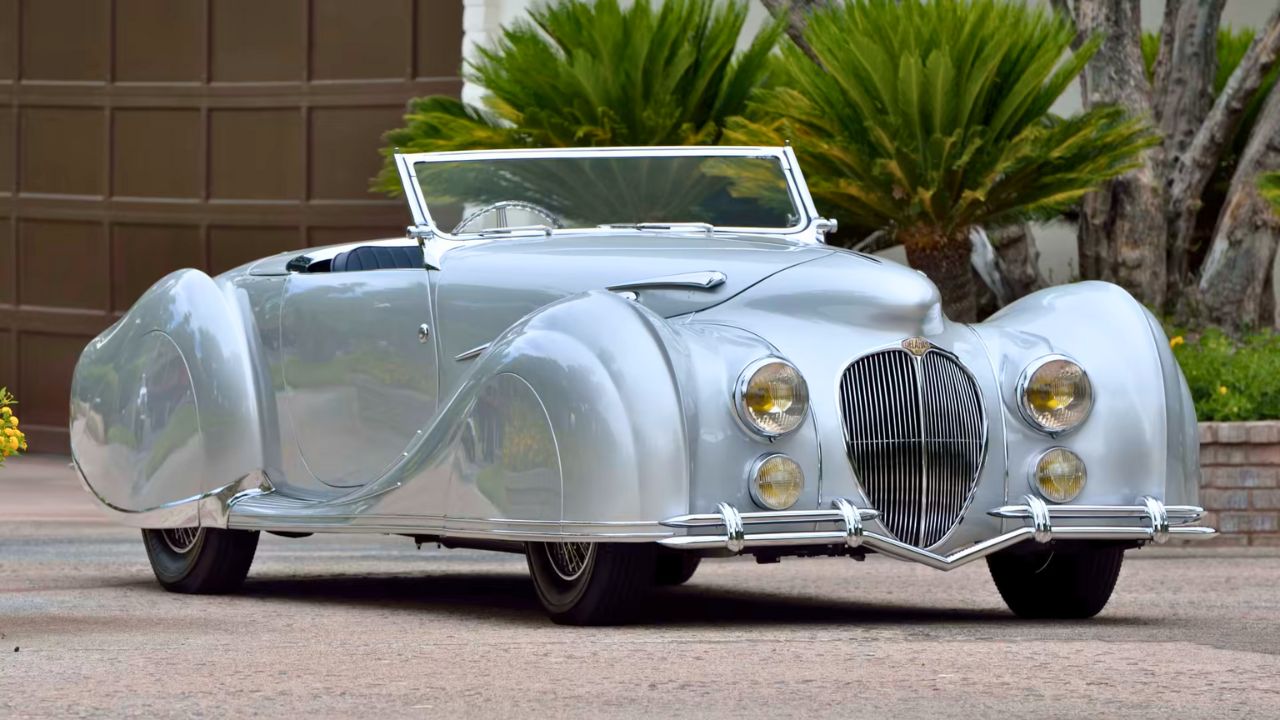
The 1947 Delahaye 135MS wasn’t mass-produced—it was sculpted. This French coupe ran a 3.6L straight-six, often with triple carbs, and put out around 145 hp. That power went to the rear wheels through a four-speed manual with pre-selector.
But the real story was the body. Designed by Figoni et Falaschi, it was all curves, long fenders, and low-slung proportions that barely seemed street-legal. Inside, it had rich upholstery and sweeping dash lines. It wasn’t practical, but that wasn’t the point. It still looks like it could headline a concours tomorrow.
1949 Mercury Eight Coupe
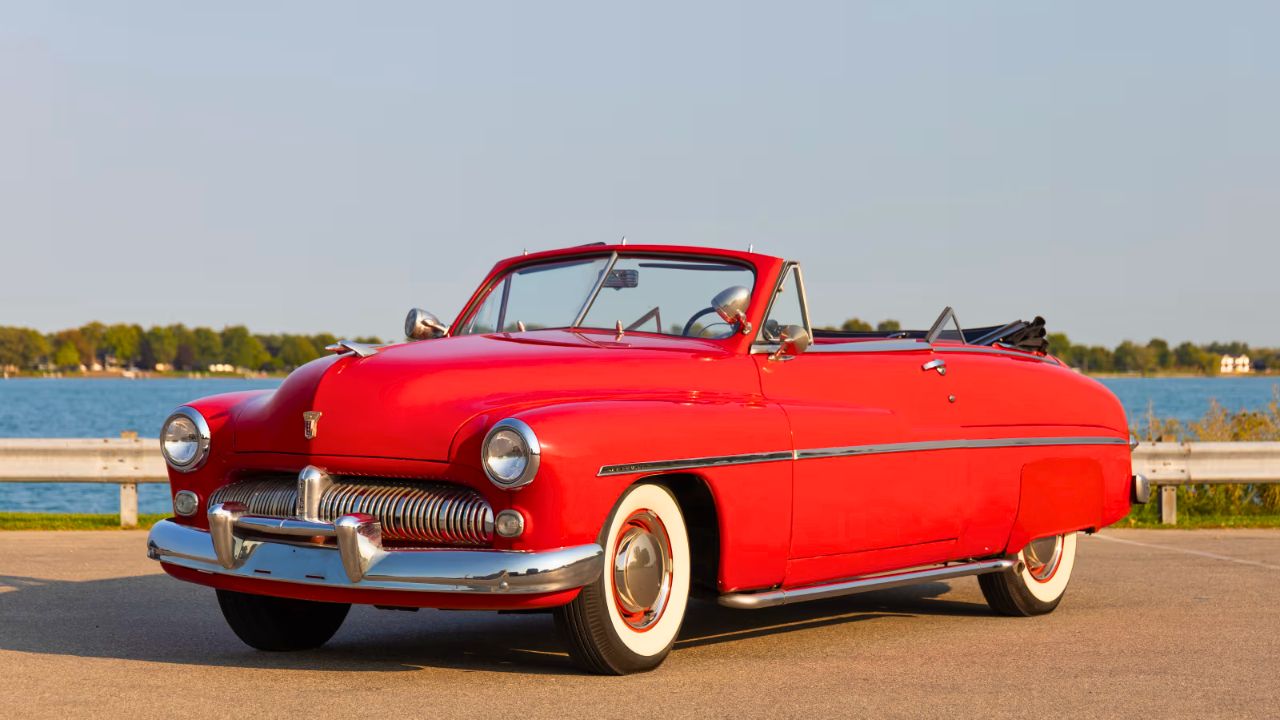
The ’49 Mercury Eight hit at just the right time—post-war America wanted something new, and this car delivered. Under the hood was a 255ci flathead V8 with 110 hp, but people didn’t buy it for speed. They bought it for presence.
The chopped rooflines and clean sides made it a favorite with customizers, but even stock, it had a smooth, almost understated aggression. The interior was basic but well-built, with a wide bench seat and simple dash layout. It’s still one of those cars that looks better lowered—because it already had attitude out of the factory.
1948 Jaguar XK120 (Prototype)
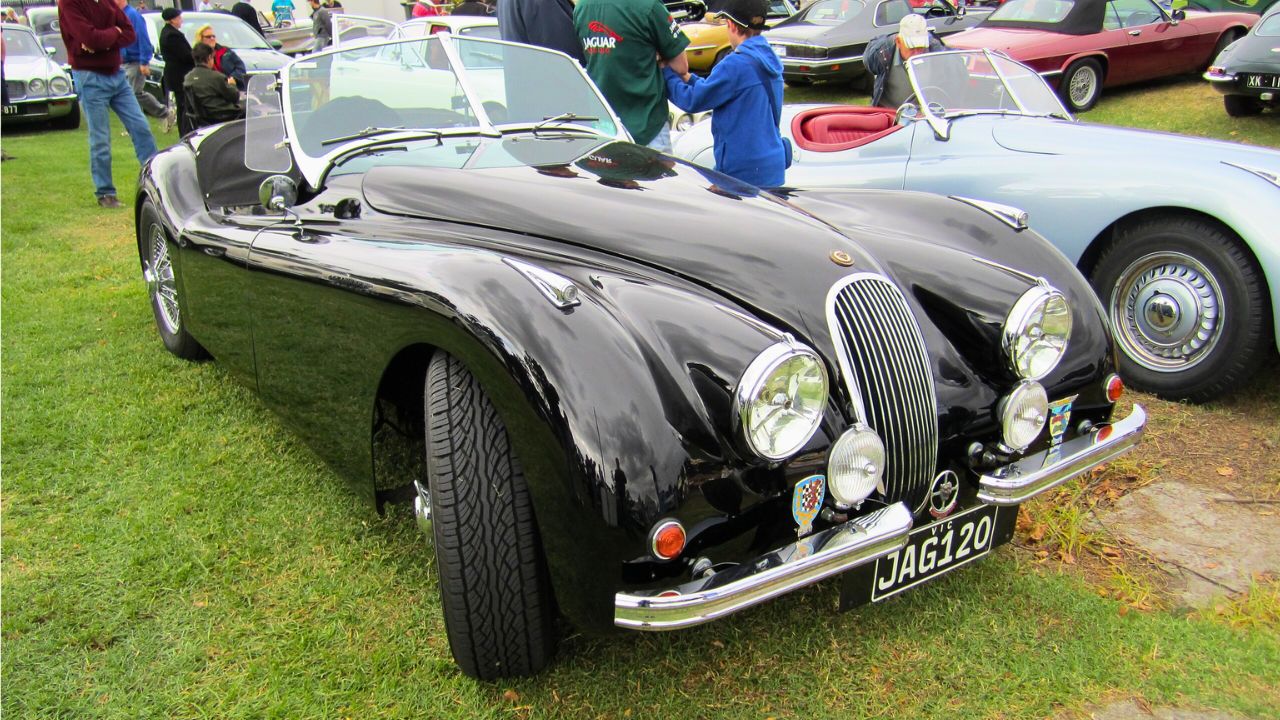
Technically a prototype in 1948, the XK120 caught people off guard. Jaguar threw a 3.4L inline-six under the hood making 160 hp, and it was good for 120 mph—which made it the fastest production car in the world at the time.
The design was long and clean with flowing fenders and a tucked-in cabin. The early aluminum-bodied versions were ultra-light. Inside, it had real wood, leather, and Smiths gauges—no clutter. It felt fast standing still, and when it moved, it backed it up. People didn’t forget it then, and they sure don’t now.
1946 Alfa Romeo 6C 2500 Super Sport
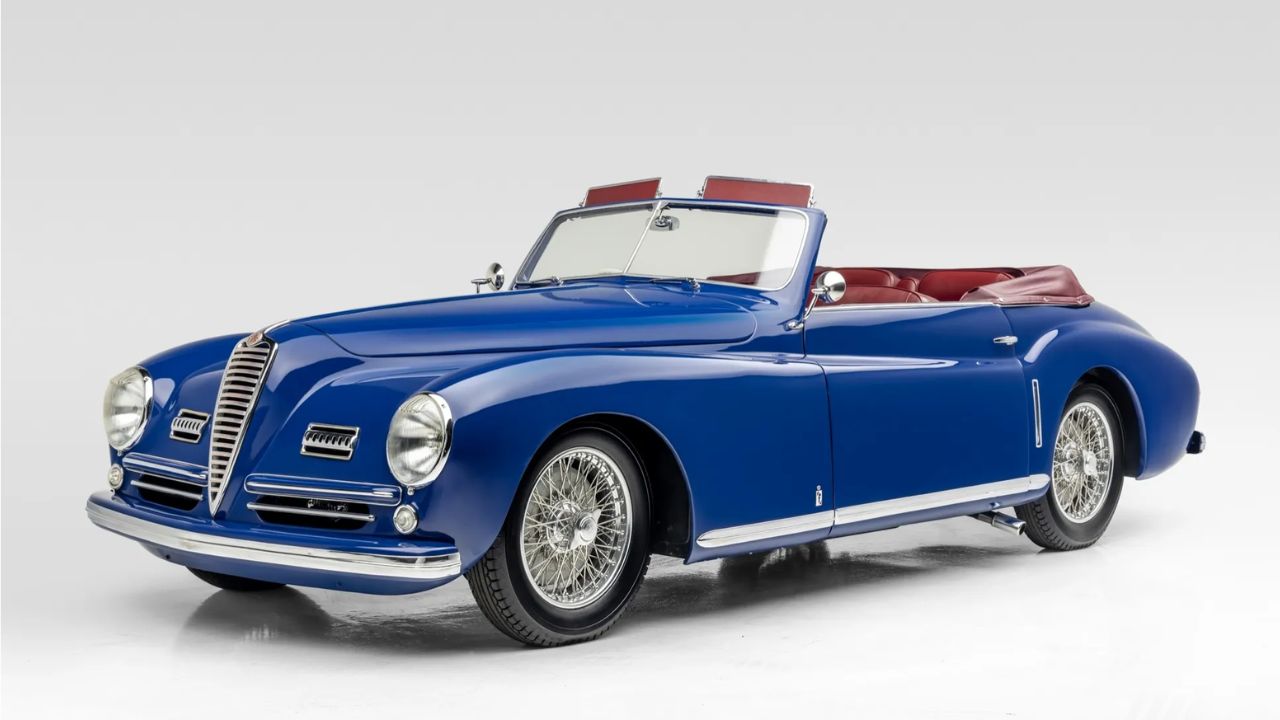
After the war, Alfa Romeo came back quietly with the 6C 2500 Super Sport, but the car itself was anything but quiet. It had a 2.5L twin-cam straight-six, around 110 hp, and independent front suspension that gave it proper handling for the era.
Bodies were mostly coachbuilt, often by Touring or Pinin Farina, and they all shared elegant proportions and rich materials. The cabin was driver-focused, with bucket seats, a small wheel, and round gauges. It didn’t scream for attention—it just carried itself with sharp lines and quiet speed.
1941 Packard One Twenty Convertible
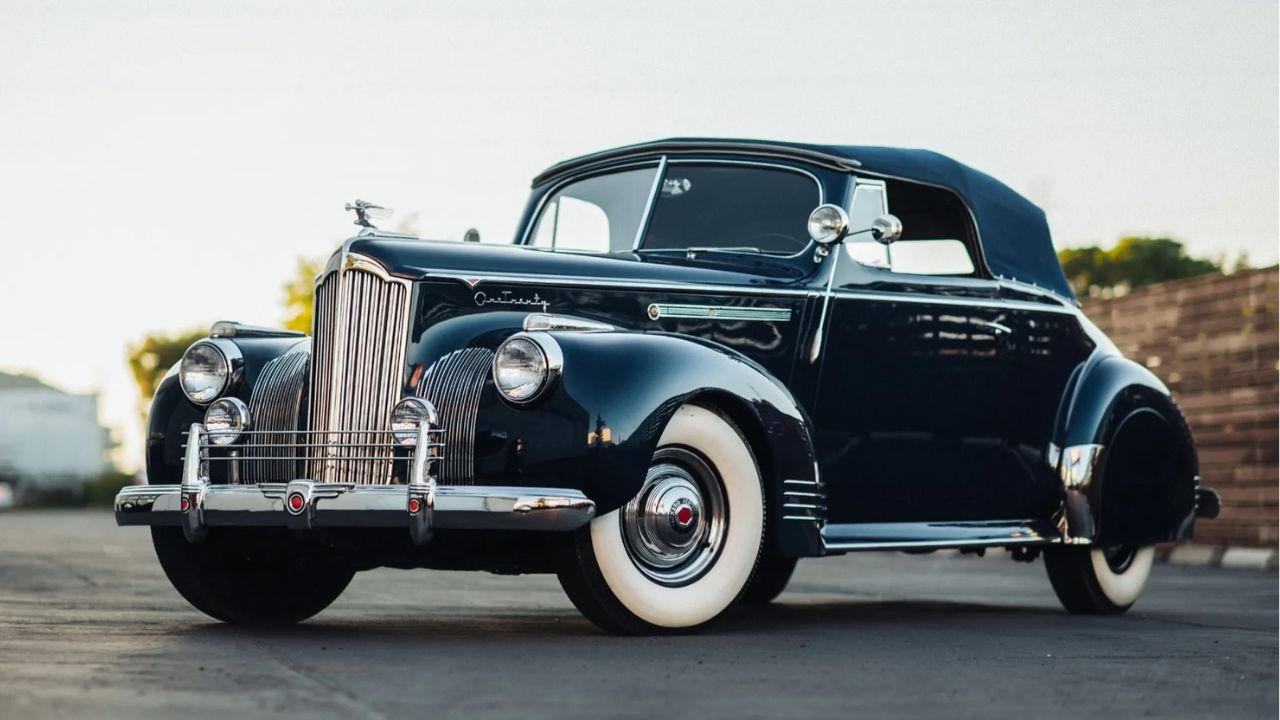
The One Twenty wasn’t Packard’s top-tier model, but in convertible form, it had real style. It came with a 4.0L inline-eight making about 120 hp, mated to a 3-speed manual. Suspension was coil spring up front, leaf out back—smooth enough for long drives.
The proportions were clean and the fenders wrapped around the body in a way that made it feel almost tailored. The interior leaned into comfort with broad seats and fine details like bakelite knobs and chrome accents. It wasn’t flashy, but it held together in a way that still works.
1940 Buick Special Coupe
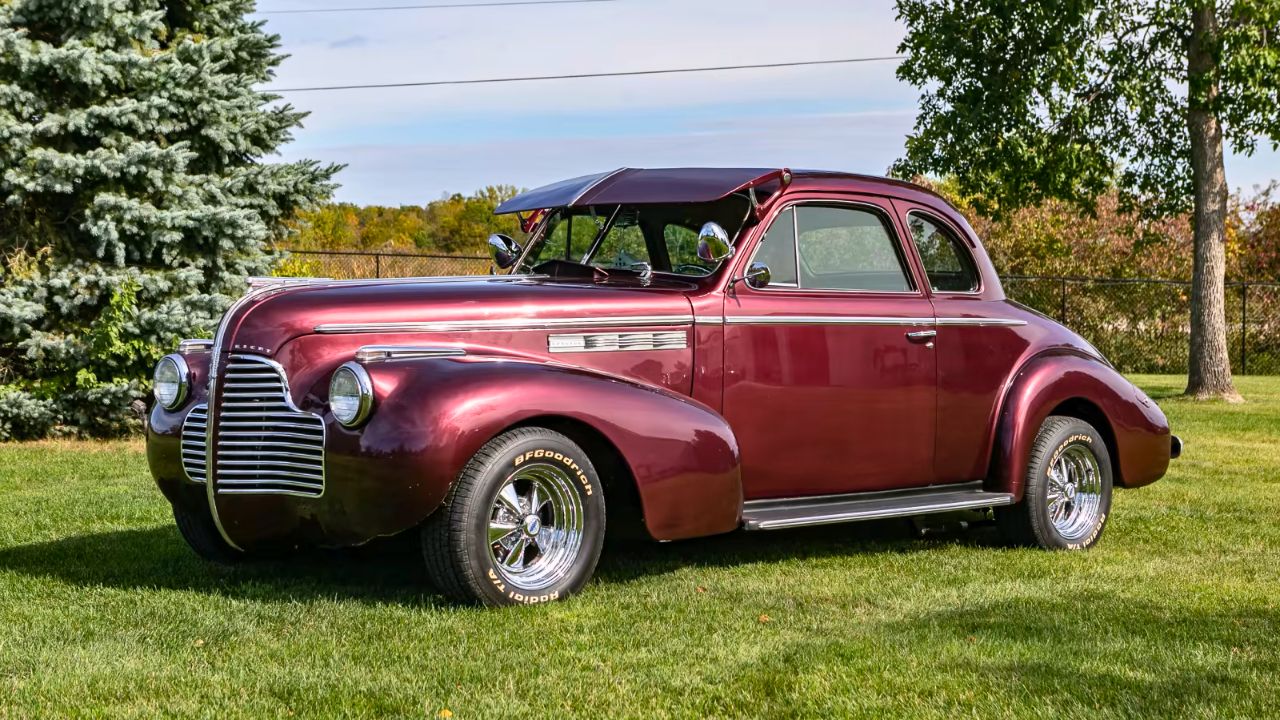
The ’40 Buick Special Coupe was a straight-up workhorse with a solid design. It ran a 248ci straight-eight engine with 107 hp, and used coil spring independent front suspension—a smooth step up from the solid axles that were still common.
The sweeping lines, split grille, and long rear deck gave it presence, even without excess chrome. The cabin was roomy, with a big steering wheel and simple, legible dials. It was the kind of car that felt confident without having to prove anything—and somehow, it still feels like that today.
1949 Porsche 356 “Gmünd” Coupe
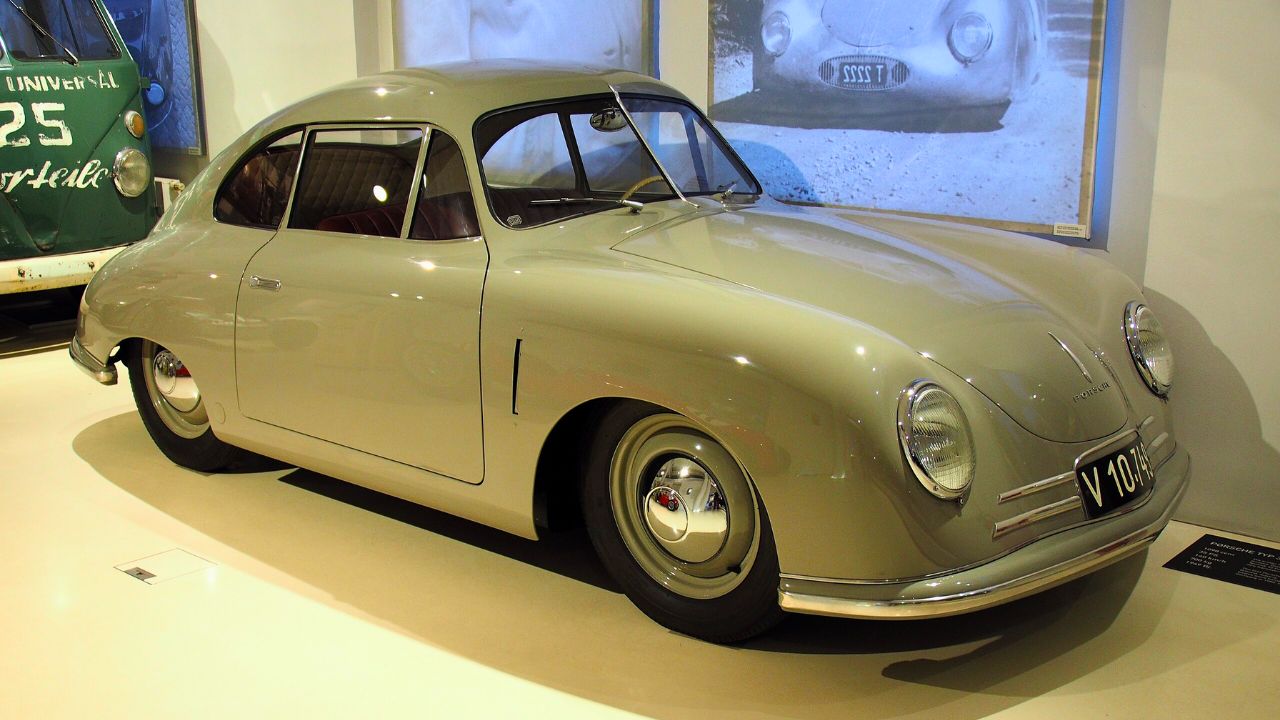
Before the 356 became a Porsche staple, it was hand-built in a sawmill in Gmünd, Austria. These early cars had a 1.1L flat-four making just 40 hp, but the whole thing weighed around 1,300 lbs, so it moved with surprising grace.
The shape was already there—rounded nose, sloped rear, tight cabin. Handling was the focus, and it delivered. Inside, it was spartan, with thin bucket seats and the bare essentials. But every piece felt engineered, not thrown together. It didn’t need flash—it had purpose, and that still comes through.
*This article was hand crafted with AI-powered tools and has been car-fully, I mean carefully, reviewed by our editors.