Classic car ownership is a hobby that transcends generations, yet the motivations and preferences of owners often vary significantly across age groups. Exploring the distinct characteristics and driving factors for Baby Boomers, Generation X, Millennials, and Generation Z in their pursuit of classic car ownership offers valuable insights. Understanding these generational differences reveals how the perception and value of classic cars have evolved over time.
Generational Motivations for Classic Car Ownership
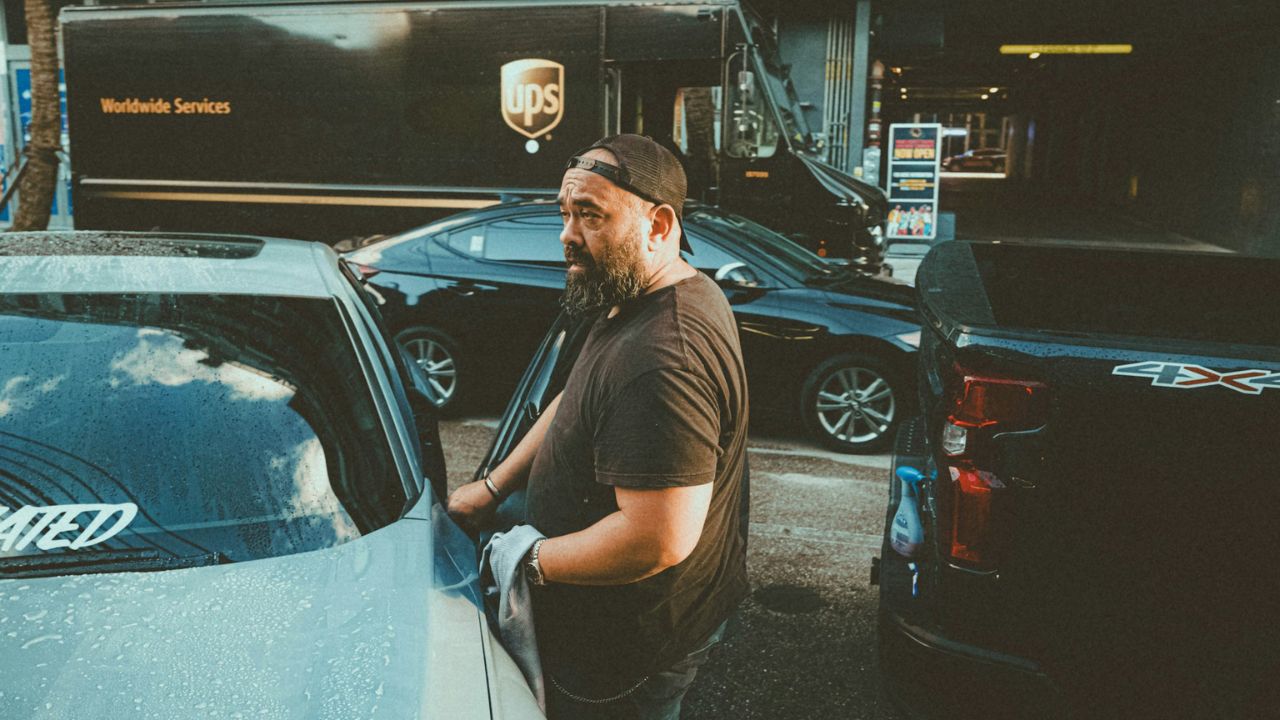
Baby Boomers: Nostalgia and Preservation
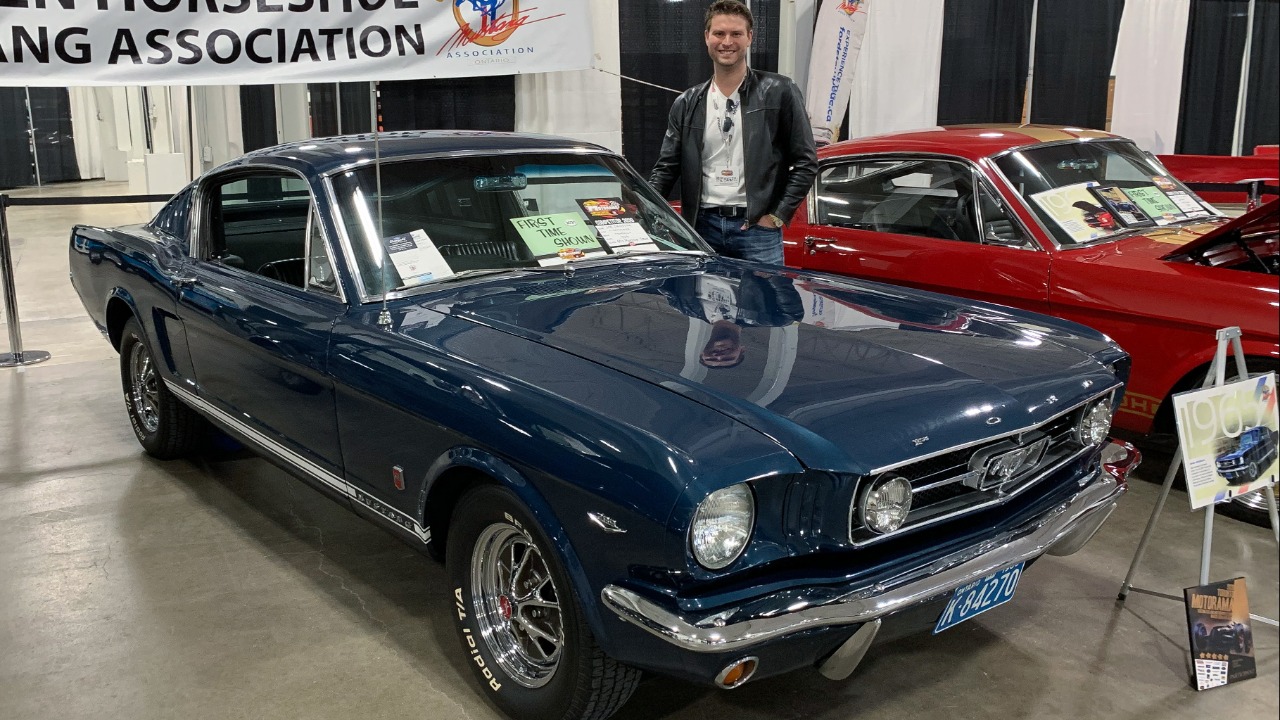
For Baby Boomers, the allure of classic cars often stems from a deep sense of nostalgia. Many grew up during a time when cars like the 1965 Ford Mustang and the 1957 Chevrolet Bel Air represented freedom and status. These vehicles evoke memories of a bygone era, and for Boomers, owning such models is a way to relive their youth. The emotional connection to these cars is profound, driving a passion for preservation and restoration.
Preserving classic models is not just a hobby but a commitment to maintaining the authenticity of automotive history. Baby Boomers often invest significant time and resources into restoring cars to their original glory. This dedication ensures that future generations can appreciate these vehicles, making preservation a key motivation for this age group.
Generation X: Investment and Aesthetic Appreciation
Generation X often views classic cars through the lens of investment and aesthetic appreciation. As they entered adulthood during the economic booms of the 1980s and 1990s, many saw an opportunity to invest in vintage cars like the 1970 Dodge Challenger or the 1969 Jaguar E-Type. These cars not only hold monetary value but also serve as tangible assets that appreciate over time.
Beyond financial considerations, Generation X is drawn to the aesthetic appeal of classic cars. The intricate design elements and craftsmanship of vintage models captivate this generation, who appreciate the artistry involved in vehicles from the past. For Generation X, owning a classic car is as much about the beauty and elegance as it is about the financial gain.
Millennials and Generation Z: Experience and Sustainability
Millennials and Generation Z approach classic car ownership with a focus on unique experiences and sustainability. Unlike previous generations, they prioritize storytelling opportunities and the experiential aspect of owning a car like a 1985 BMW E30 or a 1990 Mazda MX-5 Miata. Driving a classic car is seen as a way to create memorable moments and share stories across social media platforms.
These younger generations are also more conscious of environmental impacts, leading to an interest in sustainable classic car ownership. This includes exploring alternative fuels and modifications to reduce emissions while retaining the charm of a classic vehicle. The balance between preservation and environmental responsibility shapes their approach to classic car ownership.
Cultural and Historical Influences

The Influence of Popular Media
Popular media has played a significant role in shaping generational preferences for classic cars. Iconic movies and TV shows often feature memorable vehicles that capture the imagination of audiences. The 1981 DeLorean DMC-12 from “Back to the Future” and the 1968 Ford Mustang GT from “Bullitt” are prime examples of cars that gained legendary status through their on-screen appearances.
Music and popular culture also contribute to the fascination with certain models. Songs that reference specific cars or eras evoke a sense of nostalgia and desirability, influencing the vehicles that each generation aspires to own. These cultural touchstones continue to impact classic car popularity across different age groups.
Economic Conditions and Their Impact
Economic conditions have historically influenced the buying power of classic car enthusiasts. Times of economic prosperity often lead to increased disposable income, allowing individuals to purchase and maintain classic cars. In contrast, recessions can lead to a decline in ownership as financial priorities shift.
The role of disposable income is evident in the patterns of classic car ownership across generations. For example, during the economic growth of the 1990s, many from Generation X were able to invest in classics like the 1983 Porsche 911. Conversely, economic downturns can make classic car ownership more challenging, affecting market trends and collector demographics.
Technological Advancements and Classic Car Ownership
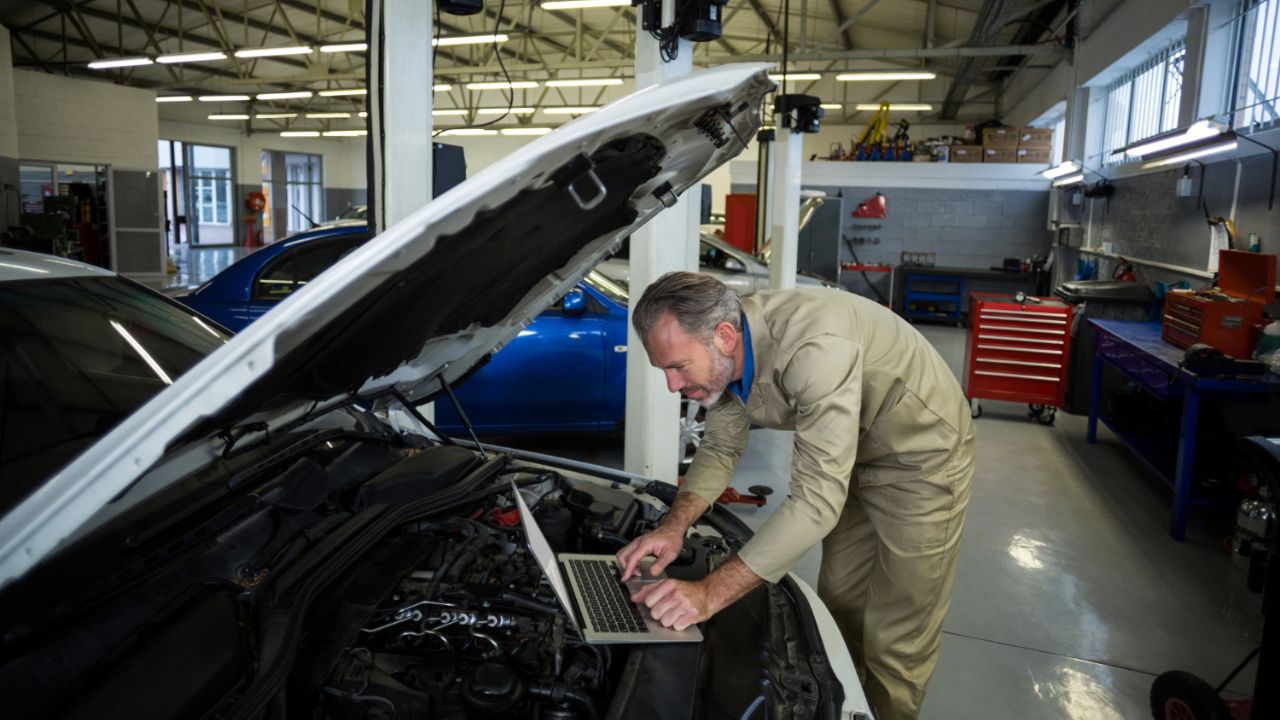
Restoration and Modernization Techniques
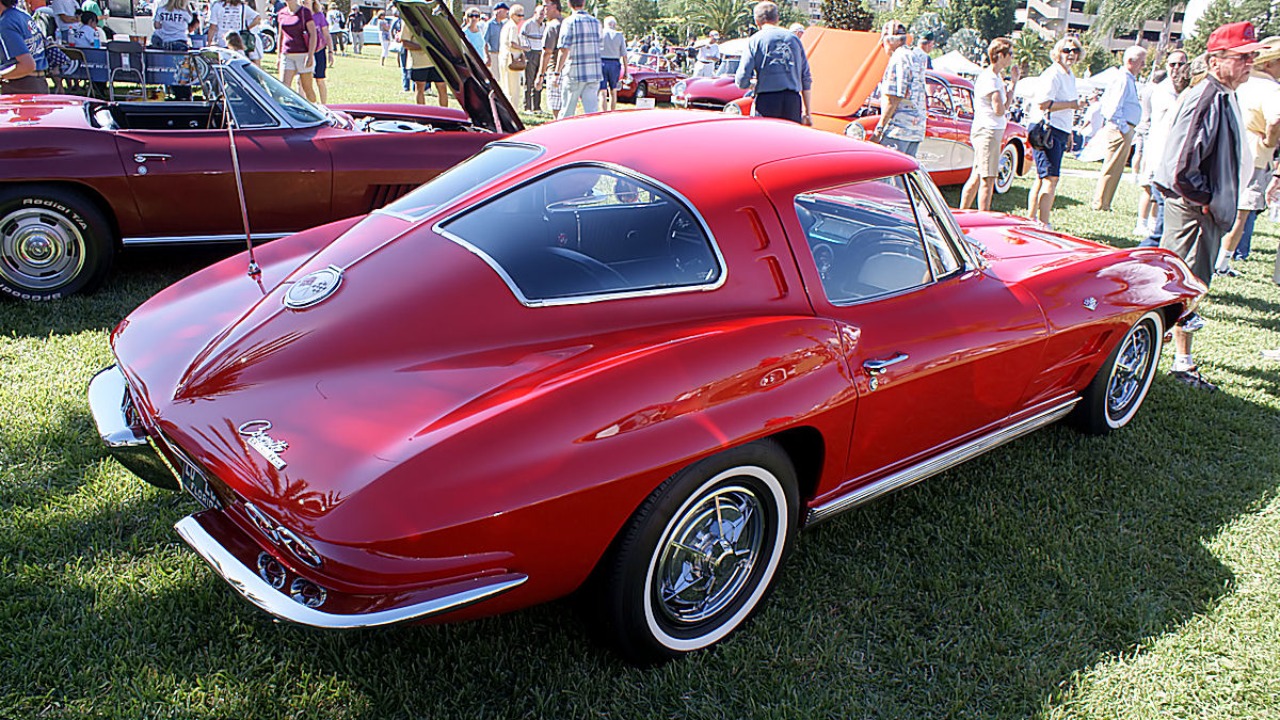
The advent of new technologies has revolutionized the restoration and modernization of classic cars. Techniques such as 3D printing and digital modeling allow for precise replication of original parts, making it easier to restore vehicles like the 1963 Chevrolet Corvette Sting Ray to their former glory. Modern tools and equipment also enable more efficient and accurate restorations.
However, enthusiasts often face the challenge of balancing authenticity with modern convenience and safety features. Integrating technologies such as GPS or advanced braking systems can enhance the driving experience without compromising the classic essence of the car. Striking this balance is a critical consideration for many classic car owners today.
Online Communities and Marketplaces
The rise of digital platforms has democratized access to classic cars, making it easier for enthusiasts to connect and share their passion. Online marketplaces like Bring a Trailer allow users to buy and sell classic cars from all over the world, expanding the reach and accessibility of the market. These platforms provide a space for collectors to showcase their vehicles and discover new ones.
Social media also plays a crucial role in shaping trends and collector communities. Platforms like Instagram and Facebook enable enthusiasts to share their restoration journeys, connect with like-minded individuals, and participate in virtual car shows. These online spaces foster a sense of community and facilitate the exchange of knowledge and resources.
Challenges and Opportunities in Classic Car Ownership
Regulatory and Environmental Challenges
Classic car owners often face regulatory and environmental challenges, particularly concerning emissions regulations. As governments worldwide strive to reduce carbon emissions, classic cars may fall under stricter scrutiny, impacting their usability. Navigating these regulations requires owners to stay informed and adapt their vehicles as needed.
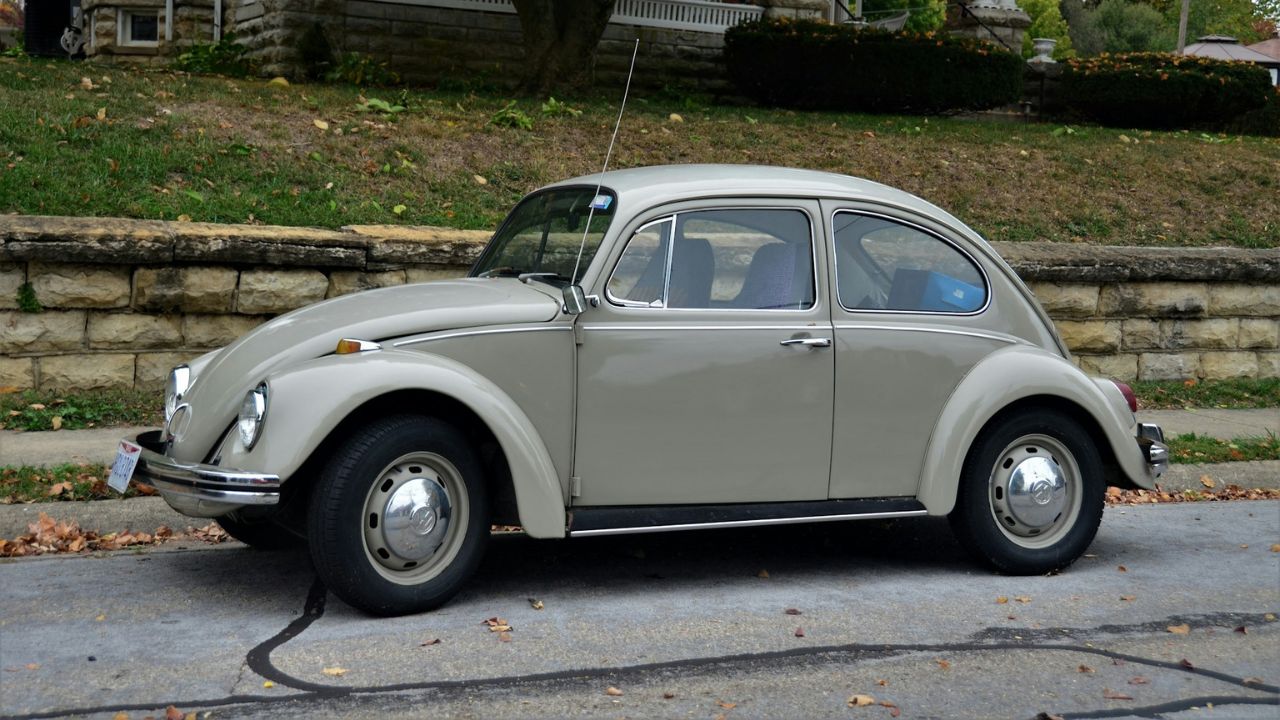
Exploring alternative fuels and modifications presents opportunities to enhance sustainability without sacrificing the classic appeal. Some owners are experimenting with electric conversions for models like the 1972 Volkswagen Beetle, combining iconic design with modern technology. These innovations pave the way for more sustainable classic car ownership in the future.
Future Trends and the Next Generation of Collectors
The landscape of classic car ownership is poised for transformation as new generations of collectors emerge. With shifting demographics and interests, future trends may prioritize sustainability, technology integration, and unique ownership experiences. Collectors from younger generations might focus on models that reflect their values and lifestyle.
Predictions for the future of classic car ownership suggest a continued evolution in preservation and appreciation methods. As technology advances and cultural values change, the classic car community is likely to adapt, ensuring that these timeless vehicles remain cherished treasures for generations to come.
Like Fast Lane Only’s content? Be sure to follow us.
Here’s more from us:
*Created with AI assistance and editor review.