
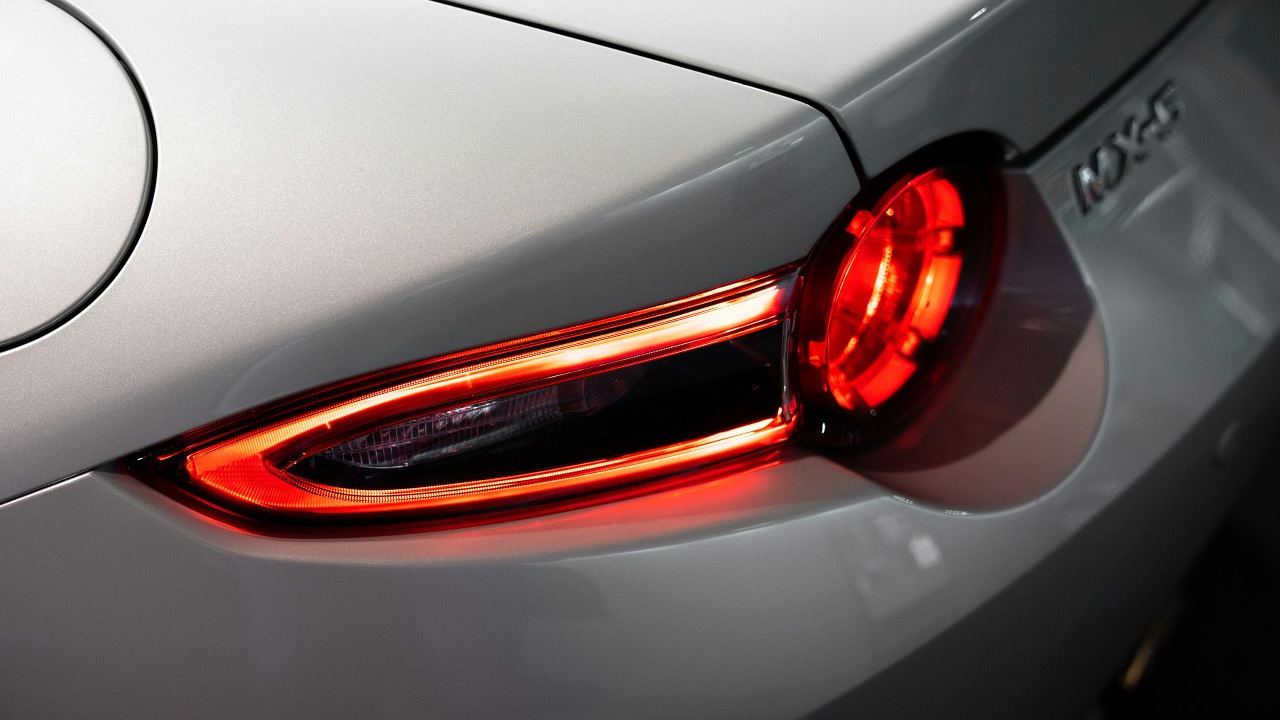
Navigating the maze of headlight and taillight laws can be perplexing for vehicle owners. While these regulations are essential for safety, variations across states and frequent updates often leave drivers confused and at risk of fines. Understanding the key areas where headlight and taillight laws commonly trip up vehicle owners is crucial to avoid unnecessary penalties and ensure road safety.
Understanding State-Specific Regulations
Headlight and taillight requirements can vary significantly from one state to another. For instance, some states mandate the use of headlights from sunset to sunrise, while others require them during adverse weather conditions such as rain, fog, or snow. California, for example, has strict regulations that necessitate the use of headlights if windshield wipers are in continuous use. In contrast, states like Arizona only require headlights from dusk to dawn, regardless of weather conditions.
It’s essential for vehicle owners to familiarize themselves with local regulations, especially when moving to a new state or embarking on a road trip. Failure to comply with these laws can result in fines and penalties. A common misconception is that vehicle lighting laws are uniform across the country, but this is far from reality. Drivers often assume that their home state’s regulations apply everywhere, leading to costly mistakes. Checking state-specific requirements before travel can prevent such pitfalls.
Daytime Running Lights (DRLs) and Their Legal Implications
Daytime Running Lights (DRLs) have become a standard feature in many modern vehicles, designed to enhance visibility during daylight hours. These lights automatically activate when the vehicle is in motion, improving the visibility of the car to other drivers and pedestrians. However, the legal requirements for DRLs can be somewhat confusing. In the United States, DRLs are not mandated by federal law, but their use is encouraged due to the potential safety benefits.
Despite the lack of a federal mandate, some states have specific regulations regarding DRLs. For example, New York requires DRLs on all new vehicles sold in the state. Non-compliance with these regulations can lead to fines or failed vehicle inspections. It’s important for drivers to understand how DRLs interact with other vehicle lighting systems. In some cases, drivers mistakenly believe that DRLs suffice in low-light conditions, neglecting to activate their full headlights, which can lead to visibility issues and legal penalties.
Aftermarket Modifications and Their Legal Challenges
Aftermarket modifications, such as replacing standard halogen bulbs with HID or LED alternatives, are popular among car enthusiasts. While these modifications can enhance the aesthetic appeal and brightness of vehicle lights, they often conflict with legal standards. For example, many states have specific regulations about the color and intensity of headlights and taillights, and exceeding these limits can result in fines.
Modifications can also impact road safety. Improperly installed or excessively bright lights can blind other drivers, increasing the risk of accidents. To avoid legal and safety issues, it’s advisable to consult local regulations before making any changes to a vehicle’s lighting system. Additionally, seeking professional installation and using products certified by the Department of Transportation (DOT) can help ensure compliance with state laws.
The Role of Technology in Headlight and Taillight Compliance

Advancements in automotive lighting technology are transforming how headlight and taillight systems function. Adaptive headlights, which adjust their intensity and direction based on vehicle speed and road conditions, are becoming increasingly common. These systems can significantly enhance nighttime driving safety but also pose regulatory challenges. For instance, while adaptive headlights are legal in Europe, their use in the United States has been limited due to outdated regulations.
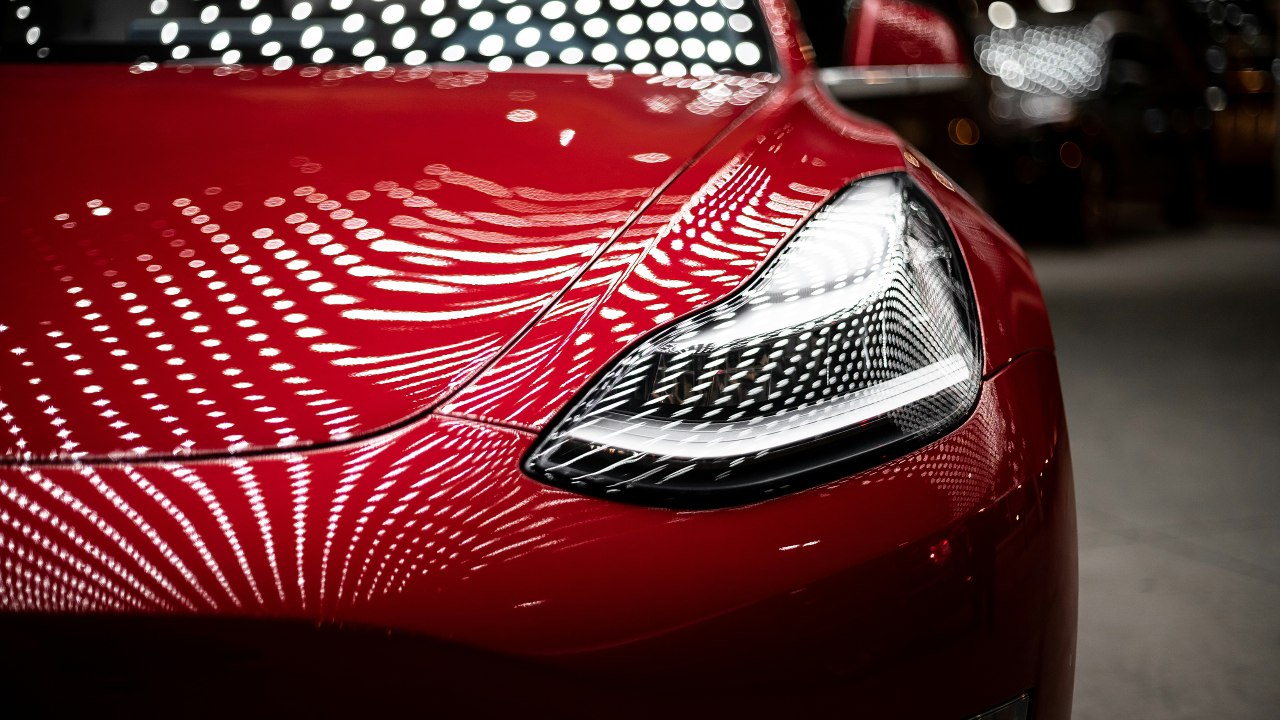
Smart lighting systems, such as those found in models like the Tesla Model 3, are also changing the landscape. These systems use sensors and cameras to optimize headlight performance, reducing glare for oncoming traffic and improving overall visibility. Staying informed about these technological advancements and any corresponding legal updates is crucial for vehicle owners. As laws evolve to accommodate new technologies, drivers must ensure their vehicles remain compliant to avoid fines and enhance safety.
Tips for Avoiding Common Headlight and Taillight Legal Pitfalls
To avoid common legal pitfalls related to vehicle lighting, regular maintenance checks are essential. Ensuring that headlights and taillights are functioning correctly and comply with state laws can prevent unexpected fines. Vehicle owners should regularly inspect their lights for any signs of wear or damage and replace bulbs as needed. It’s also a good idea to clean lights regularly to maintain optimal brightness and visibility.
Staying updated on changes in lighting laws can be challenging, but there are resources available to assist drivers. Websites such as the National Highway Traffic Safety Administration (NHTSA) provide valuable information on federal and state regulations. Additionally, consulting with automotive professionals or legal experts can provide guidance on complex lighting issues, ensuring compliance and peace of mind.
Ultimately, awareness and education are key to navigating the often confusing world of headlight and taillight regulations. By understanding state-specific requirements, the role of DRLs, the implications of aftermarket modifications, and the impact of emerging technologies, drivers can make informed decisions that enhance safety and avoid legal complications.



Leave a Reply