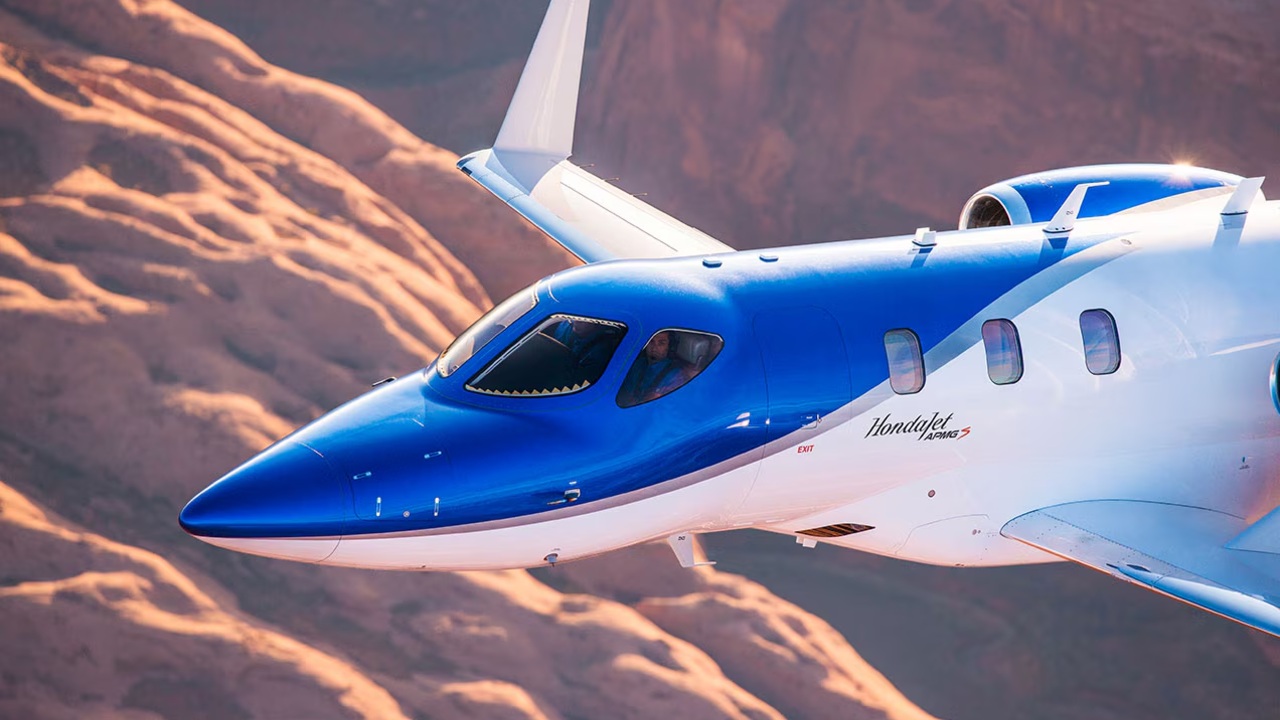
Honda is extending a familiar idea from its showrooms into the sky, giving its light jet a new S-branded lineup that mirrors the performance trims on Civic and Accord models. Instead of a ground-up redesign, the company is layering sharper avionics, efficiency tweaks, and cabin refinements onto the existing airframe, much like a sport package on a car that keeps the same chassis but feels noticeably more capable.
By treating the HondaJet more like a configurable platform than a fixed product, Honda is signaling that business aviation customers can expect rolling upgrades and special trims rather than waiting for a once-a-decade clean-sheet replacement. The new S configuration and the related APMG S upgrade package are the clearest expression yet of that strategy, blending software, hardware, and styling changes into a cohesive step up from the legacy jet.
How the S trim concept jumps from Honda cars to HondaJet
Honda has long used S badges in its car lineup to signal a more focused driving experience, and the same logic now applies to its light jet. Instead of chasing raw speed alone, the S treatment layers incremental gains in avionics capability, handling precision, and operational flexibility on top of the existing HondaJet platform, echoing how a Civic Si or Accord Sport builds on a mainstream model without abandoning its core identity. The new S lineup does not replace the underlying aircraft so much as reinterpret it for owners who want a sharper, more tech-forward configuration.
That philosophy is clearest in the way Honda is packaging the APMG S upgrade as a defined step above the unmodified legacy HondaJet. The company describes the APMG S as an upgrade package that combines avionics software and hardware to deliver faster processing speeds and improved performance over the unmodified aircraft, effectively turning the original jet into something closer to a factory S trim rather than a separate model line. By framing the changes as a trim-level evolution, Honda is importing the same product playbook it uses on the ground into the business aviation market.
Inside the APMG S upgrade: avionics, performance, and handling
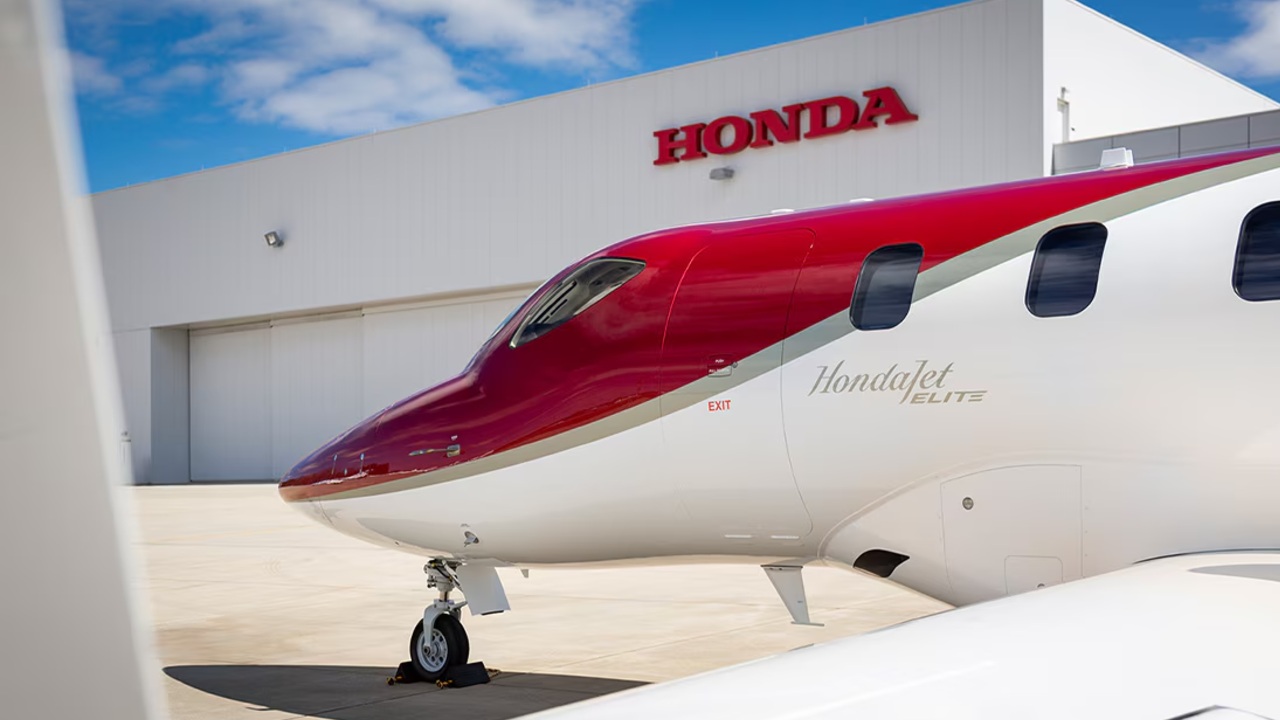
The centerpiece of the new S lineup is the HondaJet APMG S upgrade package, which targets the jet’s digital brain as much as its physical hardware. According to Honda, the APMG S package includes avionics software and hardware that deliver faster processing speeds, giving pilots a more responsive interface and enabling additional capabilities that were not available on the original configuration. This approach mirrors how a mid-cycle refresh in the car world might add a more powerful infotainment system and driver-assistance features without altering the basic engine or body structure.
Honda positions the APMG S as a clear performance step over the unmodified legacy HondaJet, with the upgraded configuration described as offering improved performance compared with the earlier aircraft. While the company does not frame the changes as a new generation, the language around the APMG S package makes it clear that this is more than a cosmetic refresh. The focus on avionics speed and capability suggests that Honda sees software-driven enhancements as a primary lever for keeping the jet competitive, much as modern cars rely on updated electronic control units and digital features to extend their lifecycle.
From factory line to fleet: how Honda is rolling out the S configuration
Honda is not limiting the S treatment to new jets rolling out of the factory, which is where the strategy starts to look very different from traditional business aircraft programs. The company has already modified several pre-owned HondaJet aircraft with APMG S upgrades, signaling that the S configuration is meant to be retrofittable rather than reserved for future buyers only. That retrofit focus is critical for operators who want the latest avionics and performance improvements without replacing an entire aircraft, and it mirrors how car owners might upgrade to a higher trim through dealer-installed packages.
Support for the S configuration is being woven into Honda’s existing service infrastructure, which is built around a network of 21 Authorized Service Centers. By tying the APMG S upgrade to that network, Honda is effectively treating the jet more like a supported platform with official upgrade paths than a static product that only changes at the factory. This approach gives owners a clearer roadmap for keeping their aircraft aligned with the latest configuration, and it reinforces the idea that the S lineup is a living trim structure rather than a one-off special edition.
What the S lineup means for the HondaJet Elite S and future variants
The new S trim structure does not exist in a vacuum, it builds on Honda’s earlier move to introduce the HondaJet Elite S as a more capable evolution of the original jet. Honda has described the Elite S as continuing to be the most efficient, quietest, fastest, highest, and farthest-flying aircraft in its class, positioning it as the flagship expression of the platform. That model already leaned heavily on avionics and systems upgrades, including an Avionics Software Upgrade that builds on the highly customized HondaJet avionics suite based on G3000, with optional features such as FAA Data Comm and ACARS.
Seen in that context, the broader S lineup looks less like a one-off branding exercise and more like a structured hierarchy of configurations that can be updated over time. The Elite S established the template for using software and targeted hardware changes to extend the jet’s capabilities, and the APMG S package now brings a similar philosophy to legacy aircraft. By anchoring the family around S-branded configurations, Honda is creating a clearer ladder for customers who might start with a standard jet, move into an S-upgraded aircraft, and eventually step into an Elite S, all while staying within a familiar ecosystem of avionics and support.
Why Honda’s car-style trim strategy matters for business aviation
Borrowing the S trim concept from its car lineup is more than a branding flourish, it is a signal that Honda wants to normalize incremental, software-led upgrades in a segment that has often relied on slower, generational change. In the automotive world, buyers are accustomed to choosing between LX, EX, and S or Sport trims that bundle performance, technology, and styling into clear steps. By applying a similar logic to the HondaJet, the company is making it easier for operators to understand what they gain by moving into an S configuration, whether that is faster avionics processing, improved performance over the unmodified legacy jet, or access to features first seen on the Elite S.
This strategy also aligns with a broader shift toward treating vehicles as upgradable platforms rather than fixed assets, a trend that is already visible in cars that receive over-the-air software updates and optional performance unlocks. While the HondaJet does not mirror that model directly, the APMG S package and the ability to retrofit several pre-owned aircraft show that Honda is thinking in similar terms. For business aviation customers, that could mean a future in which stepping into the latest S configuration feels less like buying an entirely new jet and more like moving from a base Accord to a well-equipped Sport trim, with a clear understanding of what the badge on the tail actually delivers.