
Supercar badges still dominate posters and social feeds, yet the cars that keep setting real-world benchmarks often cost a fraction of the price. Budget performance models now deliver track pace, daily usability, and reliability that leave many exotic machines looking fragile and overhyped.
Enthusiasts increasingly notice that the cars embarrassing traditional supercars rarely sit under silk covers in climate-controlled garages. They show up at track days, commute through traffic, and rack up miles that many six-figure toys never see.
Affordable performance now punches far above its weight
Modern engineering lets relatively cheap performance cars run lap times and acceleration figures that once belonged only to elite exotics. Turbocharged four-cylinders and compact V6 engines now match or beat the straight-line pace of older halo models, while advanced chassis tuning keeps them composed on track. Video breakdowns of “cheap cars that should not be this fast” highlight how mainstream brands now sell compact sedans and coupes that out-drag and out-corner prestige rivals, with hosts like Brad Danger treating their pace as a given rather than a surprise.
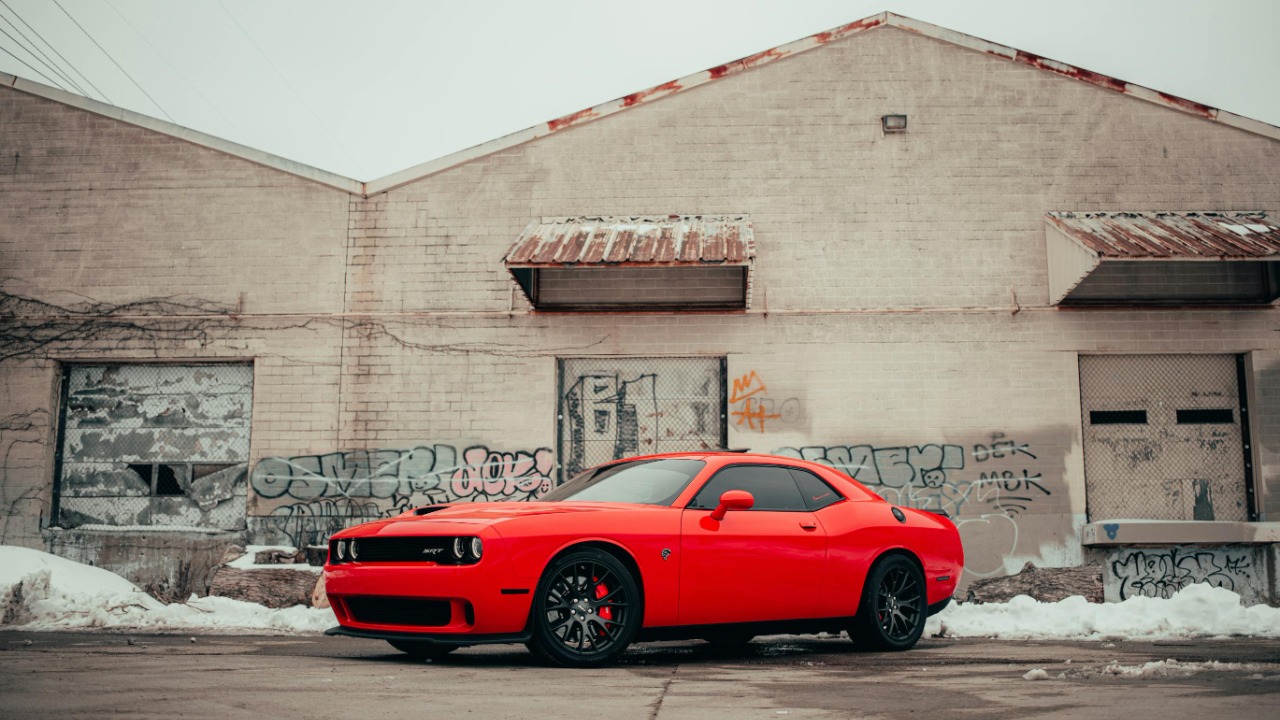
That performance edge does not stay theoretical. Track-focused buyers can pick up used heroes for around $50,000 and gain “Track-day royalty that makes Hellcats look like expensive paperweights.” Those same reports describe how these lighter, cheaper machines run circles around heavier muscle cars when corners appear, even if the spec sheet horsepower looks modest. A separate rundown of “cheap cars that will embarrass supercars” frames this as a structural shift, with an entire “league of Automotive underdogs” now capable of humiliating far pricier machinery in real-world conditions.
Supercar ownership costs keep the fastest cars parked
Raw speed only tells part of the story. Supercar ownership often carries a financial and practical penalty that keeps many of these machines off the road. Enthusiasts in one Comments Section describe how older sports cars can demand “another 5–10k in expenses yearly,” a figure that turns every drive into a mental calculation. That same thread notes how owners factor in insurance, consumables, and the risk of catastrophic repair, which can dwarf any fuel bill.
Usage patterns reflect those costs. Supercar owners often split their time between multiple vehicles, which means Their yearly driving mileage gets divided and the exotic spends long stretches idle. Another discussion about low-mileage bragging rights criticizes Guys who “buy cars and keep them in their garage and take them out maybe 10 times a year,” then boast about odometer readings instead of experiences. That culture of preservation helps resale values, but it also means budget performance cars, which owners actually drive, deliver more real-world thrills per dollar.
Engineering progress narrows the gap from below
Manufacturers now treat performance as a software and packaging problem rather than a pure displacement contest. One analysis of the “cheapest supercar” trend notes that One of the key factors behind affordable speed is innovative engineering that leverages lightweight materials and electronics to “optimize performance without inflating costs.” That same reporting credits Manufacturers for repurposing high-end tech across cheaper platforms, which spreads development costs and keeps sticker prices in check.
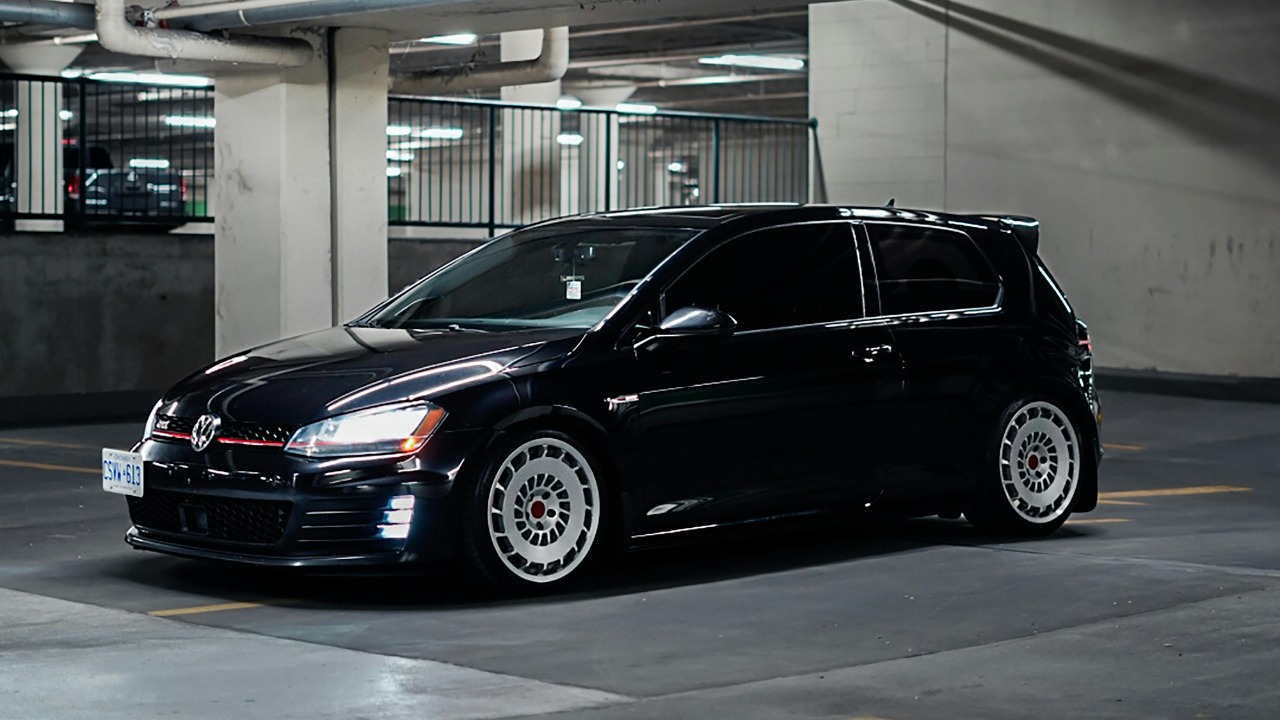
Body and chassis design also favor mass-market performance cars. A detailed explanation of why automakers do not simply build cheap cars with exotic silhouettes notes that The bodies and frames of typical vehicles are designed for mass production, with panels that stamp easily and frames that align with existing tooling. That industrial logic favors cars that share components and platforms, which in turn lets performance variants piggyback on mainstream production volumes. As a result, a hot hatch or compact coupe can inherit sophisticated suspension and electronics without the bespoke costs that define traditional supercars.
Budget supercars balance speed with daily life
A new class of “budget supercars” now blurs the line between exotic and everyday. Analysts describe how While traditional supercars often sacrifice practicality for performance, newer budget-oriented models strike a balance that makes them “well-suited for daily driving duties.” These cars still deliver dramatic styling and serious pace, but they add usable trunks, more forgiving ride quality, and cabins that tolerate commuting.
Definitions matter here. One breakdown notes that A budget supercar is essentially a vehicle that delivers the aesthetics, speed, and driving dynamics of traditional supercars but at a lower price, while still offering “a similar thrill and sense of prestige.” Another report highlights that One of the main challenges in this segment involves balancing raw power with everyday usability, since High-performance vehicles often feel compromised in traffic or on rough roads. Affordable supercars that solve this equation undercut traditional exotics by offering similar thrills without demanding a second “normal” car.
Culture is turning against garage-queen excess
Performance bragging rights now collide with shifting social attitudes. Some drivers no longer see towering wings and shrieking exhausts as aspirational. One Jun discussion bluntly calls “ridiculous sports cars” embarrassing and criticizes owners who flaunt wealth in traffic where that performance “is 100% not needed.” That sentiment does not reject driving enjoyment, but it questions whether six-figure excess still signals status in a world that prizes subtle competence.
Supercar expectations also clash with reality. Video essays on why supercars disappoint describe how drivers of models like the 296 G GTS need to work through gears constantly, especially in city traffic, which turns every short hop into a chore. Another creator, Oct Danger, argues that supercars can be “the dumbest thing you can buy,” since owners pay huge sums for machines they rarely exploit. That mismatch between fantasy and daily life makes it easier for drivers to celebrate cheaper cars that deliver 80 percent of the drama with far fewer compromises.
Why budget heroes keep winning on track and on wallets
Real-world usage patterns show where value now lives. Affordable performance cars often serve as both weekend toys and weekday commuters, which means owners actually explore their limits. Track-day footage and owner stories highlight how these cars run consistent sessions without overheating or triggering eye-watering repair bills, while some supercars limp through a few hot laps before retreating to the paddock. A video countdown of “cheap cars that should not be this fast” treats this durability as part of the appeal, not just their lap times, and again features Cheap cars that shrug off abuse.
Even online debates about old-generation sports cars acknowledge this shift. In one Yeah and thread, users warn that buyers must budget thousands annually just to keep aging exotics healthy, while more modest performance models deliver similar thrills with far lower risk. That calculus explains why budget supercars and hot compacts now dominate track days and back-road meetups. The cars that embarrass traditional supercars do not just accelerate harder per dollar. They also show up more often, stay out longer, and invite drivers to use every part of their performance envelope without fear of financial ruin.

Leave a Reply