
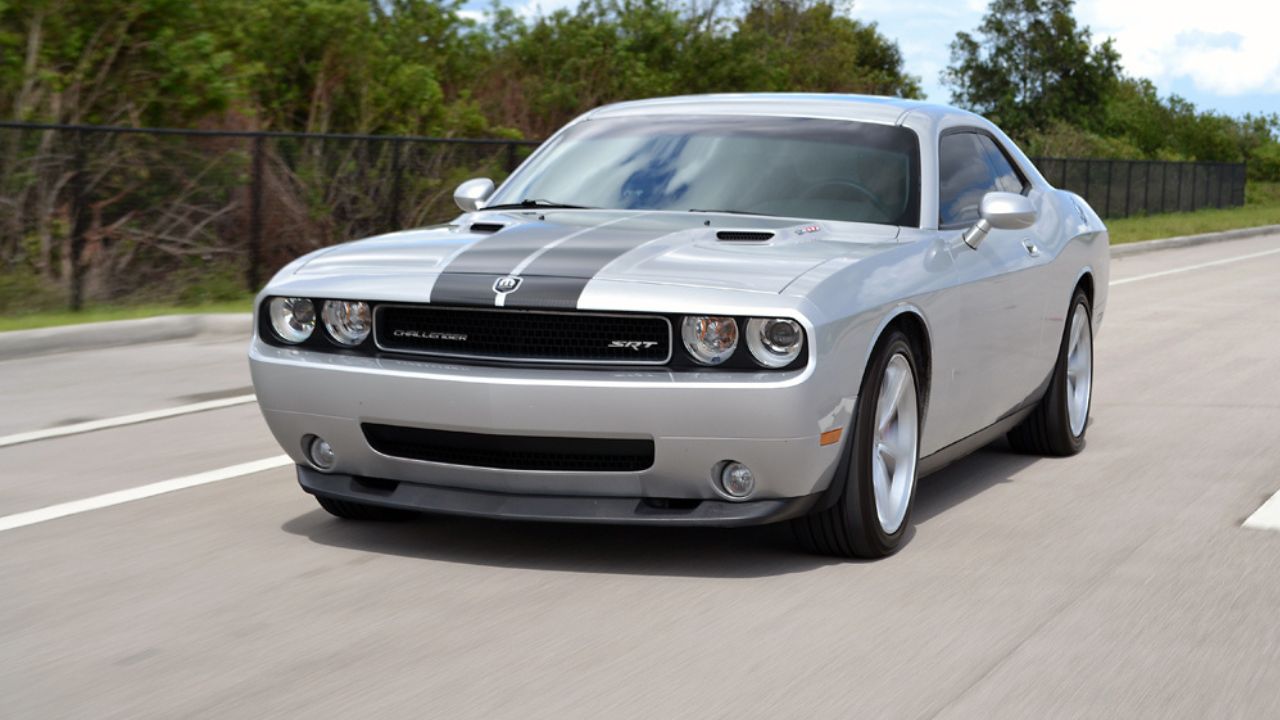
Modern muscle fans watched the Dodge Challenger SRT family shift from showroom bruisers to blue-chip collectibles almost overnight. Scarcity, heritage design, and escalating performance figures combined with a clear end date for production to turn these cars into rolling assets. Collectors now treat the most extreme SRT variants as modern-era counterparts to classic Hemi E-bodies, with values and attention rising accordingly.
From retro revival to instant classic
Designers treated the reborn Challenger as a deliberate callback to the original, not a generic coupe with borrowed badges. The project followed The Design Process that stayed Inspired by Heritage, using a Dodge Challenger Concept to channel seventies proportions with modern structure. Engineers then scaled that show car into a production Challenger that exuded power and confidence, which gave SRT versions an instant visual link to the golden age.
Enthusiasts responded because the new era of Challenger models arrived with styling that honored the original while driving like a contemporary performance car. The modern car drew inspiration from its predecessor yet integrated current engineering and safety, which allowed daily usability without sacrificing attitude. That balance of nostalgia and livability laid the groundwork for SRT variants to feel collectible from day one, rather than aging into desirability decades later.
Why the SRT badge changed the stakes
Performance fans quickly associated the SRT badge with the most extreme versions of Dodge’s big coupe. The SRT brand linked directly to the Dodge Challenger SRT Hellcat, which delivered towering horsepower and 656 pound-feet of torque. The SRT name signaled that engineers had pushed the Dodge Challenger and Charger Hellcat models to the edge of what street tires and human reflexes could reasonably handle.
Factory specifications turned the CHALLENGER into a headline car whenever SRT engineers touched it. The flagship HELLCAT versions used a Supercharged 6.2L HEMI V8 that made the SRT models feel closer to supercars than traditional pony cars. Marketing materials even referenced CHALLE performance credentials that backed up the aggressive styling, which helped collectors view these cars as significant milestones rather than simple trim packages.
Limited editions and the Mopar effect
Rarity always fuels collectability, and Dodge leaned into that dynamic with factory specials. Starting with the 2010 model year, Starting allocations under the Mopar banner created numbered Challengers that enthusiasts could track and trade. Dodge used the Mopar performance parts brand to build limited Challengers that arrived pre-upgraded, which meant collectors did not need to worry about aftermarket modifications hurting provenance.
Anniversary branding added another layer of desirability to the SRT ecosystem. Six years after an earlier commemorative model, Dodge introduced a Dodge Challenger 50th Anniversary edition that celebrated the Challenger nameplate itself. The Anniversary treatment appeared on multiple trims, but SRT versions combined the commemorative details with serious performance, which created a direct link between heritage storytelling and future value.
End of an era and the “Last Call” surge
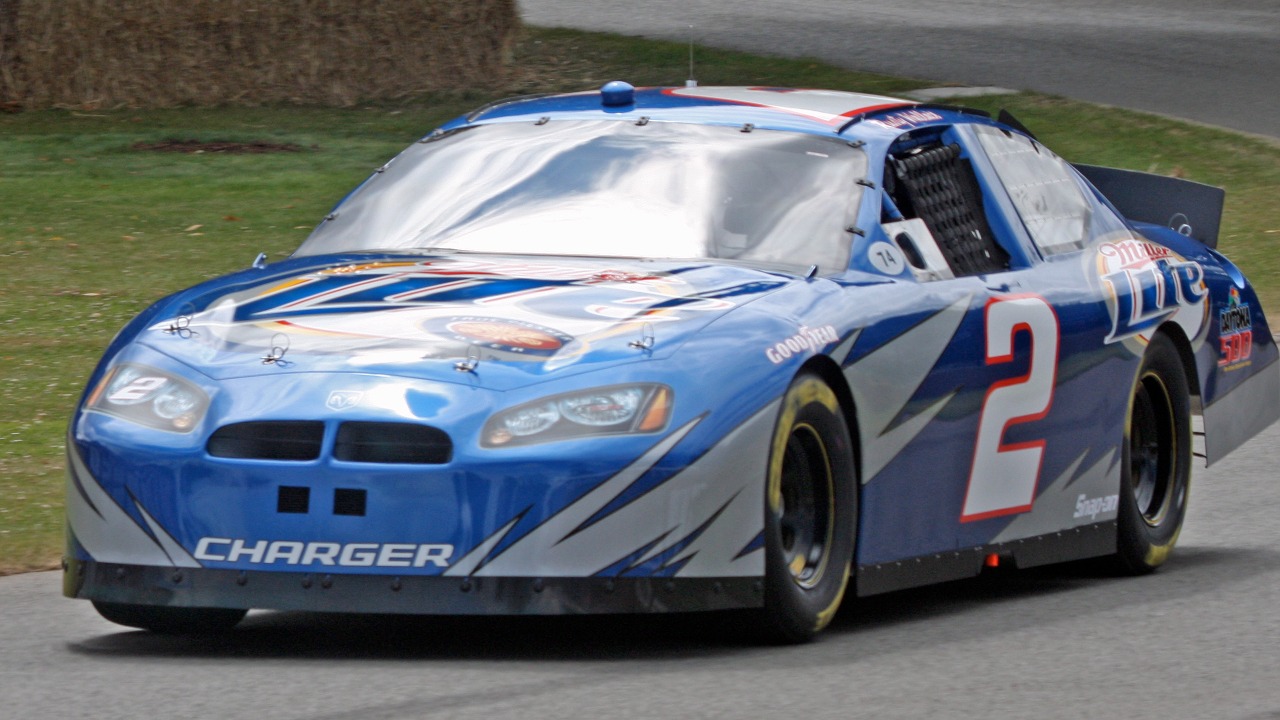
Collectors usually move fastest when they know the clock is running out. On August, Stellantis announced that Dodge Challenger, Charger, and Chrysler 300 production would end after the current generation. That decision capped a run that had started for the 2005 model year and signaled that factory V8 muscle from this family would not continue indefinitely.
Dealers framed the final production run as The End of an Era With Dodge stepping away from traditional big-sedan and coupe dominance. Marketing around The End of that dominance, which had spanned over 50 years, pushed buyers toward the final Charger and Challenger models. In the meantime, Dodge created In the Last Call series, promising 24 months of appearance packages and supercar-level performance editions that concentrated demand.
How collectors read the SRT market
Market watchers already debate how these cars will age financially. Analysts note that Some major differences between the new Challenger and old versions involve production volume and the sheer number of variants. Modern manufacturing created thousands of V8 cars, which means rarity depends more on specific trims, colors, and option combinations than on the basic idea of a big-engine coupe.
Specialists still single out certain SRT models as future standouts. Commentators already describe the 2021 Dodge Challenger SRT Super Stock Is a Modern Collectible because of its drag-strip focus and limited configuration. Analysts like Steven Symes argue that low-mileage examples with original equipment and documentation could make any car far more valuable, which encourages owners to preserve rather than heavily modify these machines.
Why nostalgia and the LX platform matter
Under the sheetmetal, the Challenger shared its bones with Dodge’s big sedans. Engineers built the coupe on The LX platform, which blended rear-wheel-drive proportions with modern safety and comfort. When Dodge rolled out its LX architecture, the company created a foundation that supported both daily commuting and serious performance, which helped SRT models feel usable rather than fragile.
Styling and naming tapped directly into memory. The Challenger, in particular, tapped into nostalgia by reviving a legendary nameplate and styling cues from the golden age of muscle. Enthusiasts saw Nostalgia Meets Modern Performance when they looked at the long hood, short deck, and bold colors. The same analysis notes that The Challenger drew strength from high-performance trims like the SRT and Hellcat variants, which turned emotional appeal into measurable resale value.
Lessons from broader collector trends
Challenger SRT models also fit into a wider pattern in the collectible car world. Manufacturers often produce limited quantities of special edition or high-performance models, which creates exclusivity that collectors prize. Analysts note that Manufacturers use this strategy to seed future appreciation, since rarity and performance usually move values upward over time.
Luxury and performance brands increasingly lean on customization and commemorative details to attract enthusiasts. Analysts describe how These special editions often feature unique design elements, performance enhancements, or commemorative details that set them apart. Reports highlight that such touches become especially attractive among collectors who value rarity and uniqueness, a pattern that These special editions in other segments already demonstrate. Dodge effectively applied the same playbook to SRT and Last Call Challengers, which helps explain their rapid move into collector garages.
Heritage, storytelling, and the SRT mystique
Brand storytelling keeps values buoyant long after production ends. Histories of the nameplate emphasize that the spirit of the Dodge Challenger refused to be silenced after earlier discontinuation. Analysts describe how However, Dodge and Chrysler revived the Challenger in 2008 with a car that honored its predecessor with modern engineering and technology. That narrative of survival and rebirth gives SRT versions a mythic backdrop that pure performance numbers cannot match.
Collectors also respond to a broader cultural fascination with blending old and new. Custom builders in other segments show how Merging classic styling cues with modern engineering enhancements can create the best of both worlds. One example uses a Ferrari 250 GT California replica that offers nostalgic charm and thrilling driving dynamics, illustrating how Merging eras can captivate buyers. Challenger SRT models deliver a similar blend straight from the factory, which helps them resonate with both traditional muscle fans and younger enthusiasts.
Why modern SRTs already feel like tomorrow’s classics
Collectors usually wait decades before an ordinary performance car earns classic status, yet SRT Challengers shortened that timeline dramatically. The combination of heritage styling, extreme factory power, and a clearly defined production sunset created a perfect storm for rapid appreciation. Enthusiasts now treat low-mileage Hellcat and Super Stock examples like curated assets rather than disposable toys, which shifts the ownership mindset.
Future values will depend on how many pristine cars survive and how tastes evolve, but the ingredients look strong. The Challenger, in particular, tapped into nostalgia while offering high-performance trims like the SRT and Hellcat variants that already command attention. Analysts at The Challenger showcase argue that these cars form a collectors’ dream and resale value powerhouse. With production ending and the market already treating key SRT models as blue-chip pieces, modern-era collectible status now feels less prediction than reality.

Leave a Reply