
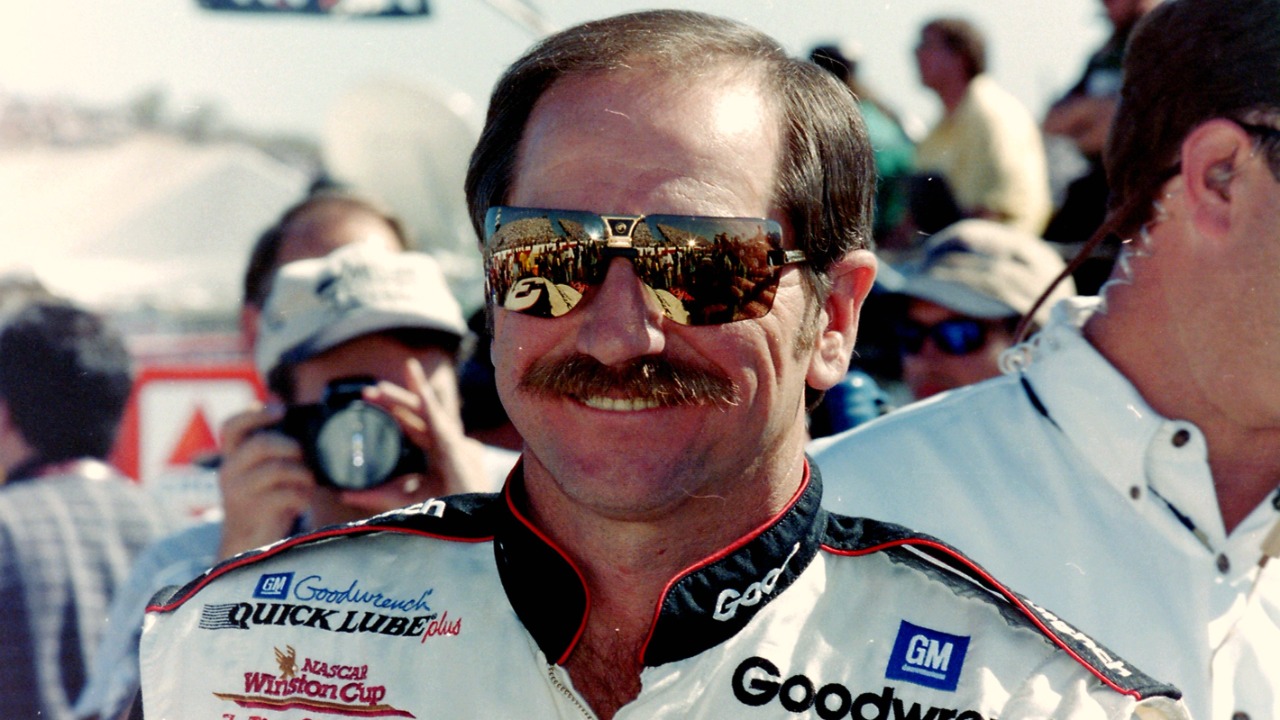
Dale Earnhardt arrived at Daytona each February as the sport’s most intimidating presence and its most confounding underdog. For nearly two decades, the seven-time Winston Cup champion dominated everywhere else yet left the Great American Race with a ledger of heartbreak that seemed to defy his talent and his reputation. His eventual breakthrough was not a lucky afternoon but the culmination of years of painful lessons, meticulous preparation, and a rare day when speed, strategy, and circumstance finally aligned.
To understand how he finally captured the Daytona 500, I have to trace the arc from those early near-misses to the perfectly controlled aggression of his 1998 run. The story is less about a single pass or pit call and more about how a driver, a team, and a sport evolved together until the race that had always slipped away finally came to him.
The long road of near-misses and frustration
By the time the green flag waved on the 1998 Daytona 500, Dale Earnhardt had already built a résumé that dwarfed almost everyone in the garage, yet the one race that defined stock car immortality kept eluding him. He had piled up seven Winston Cup championships and dozens of victories on every type of track, but at Daytona he was 0-for-19, a statistic that hung over each new attempt like a storm cloud. Earlier in his career he had been tagged with nicknames like “Ironhead,” a nod to his stubborn, hard-charging style that sometimes seemed to invite the kind of late-race chaos that Daytona specializes in, and those close calls hardened the sense that this event owed him something it never quite paid.
The pattern of frustration was not abstract, it was etched in specific, painful finishes. In 84 and 86, he watched potential wins slip away, first finishing second to Cale Yarborough and later seeing a bold fuel strategy unravel as he slid helplessly through the infield grass. Other years brought blown tires, late cautions, and freak incidents that turned dominant performances into bitter disappointments. Each failure added another layer to the mythology of his Daytona drought, reinforcing the idea that no matter how fast his car or how fierce his drive, something about this race remained just out of reach.
How Daytona shaped Earnhardt’s driving and mindset
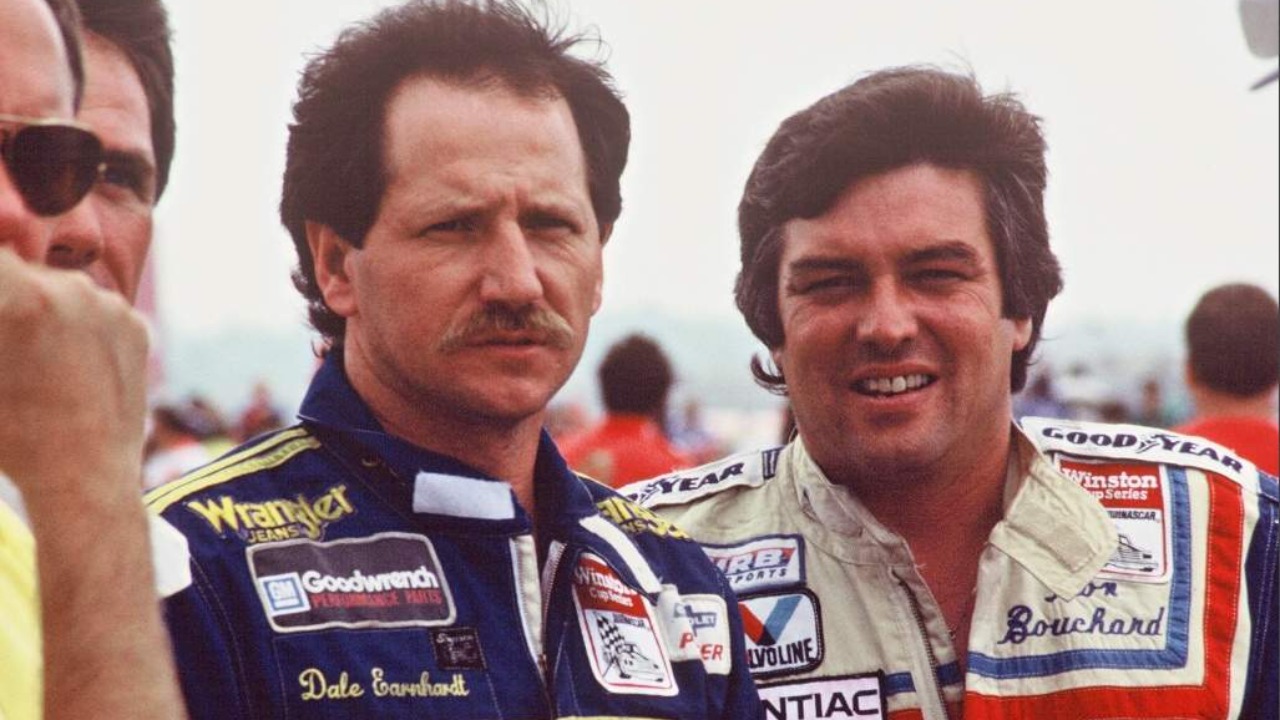
Those repeated setbacks did more than fill highlight reels, they reshaped how Earnhardt approached superspeedway racing. Early in his career he often tried to impose his will on the draft, muscling his way to the front and daring the field to react. Over time, the sting of those late-race collapses forced him to refine that aggression into something more calculated, a blend of patience and precision that still looked fearless from the grandstands but was rooted in a deeper understanding of air, timing, and risk. The son of a racecar driver, the younger Earnhardt had dropped out of high school to chase this life, and at Daytona he gradually turned that raw, inherited instinct into a kind of superspeedway craft that few could match.
By the mid-1990s, that evolution was visible in the way he managed the pack, often riding in line for long stretches before methodically working his way to the front when it mattered. Video of his late-race duels in earlier attempts, including the dramatic four-car shootouts highlighted in a Sep feature on his quest, shows a driver learning where to place his car, when to accept help, and when to abandon a lane that was about to stall. The heartbreaks did not soften his edge, but they did teach him that at Daytona, survival and positioning over the final laps were as important as raw speed. That mindset, forged in years of frustration, would be crucial when his 20th attempt finally arrived.
The 1998 car, team, and quiet confidence
Heading into Speedweeks in 1998, Earnhardt and his team carried a different kind of confidence, one grounded less in bravado and more in preparation. They had been testing his car since the previous summer, searching for a balance that would keep it stable in traffic yet nimble enough to lead the draft. Crew chief Larry McReynolds and the group around Earnhardt believed they had finally found a package that could stay out front and still respond to the inevitable late-race challenges. Inside the garage, the sense was that this was not just another try, it was a carefully engineered shot at rewriting his Daytona history.
That belief extended beyond the driver’s seat. Team members later recalled how, with about 15 laps to go, they were still calm enough to trade quiet questions about whether this might finally be the day, a moment captured in retrospective accounts that quote Richard asking, “What do you think?” as the laps wound down. The car itself was different from some of Earnhardt’s previous Daytona rockets, built not just for raw top speed but for stability and drivability over a full fuel run. That combination, paired with a team that had spent months anticipating every scenario, set the stage for a race in which Earnhardt could finally control his own fate instead of reacting to disaster.
Controlling the 1998 Daytona 500
When the field took the green at Daytona International Speedway for the 40th running of the event, Earnhardt quickly showed that this attempt would not be defined by desperation. He moved to the front and stayed there, leading long stretches and dictating the tempo of the draft rather than chasing it. According to the official 1998 Daytona 500 record, he held off Bobby Labonte and Jeremy Mayfield over the closing laps, using the air and the lanes with the kind of authority that only comes from years of hard-earned experience at that track. The race was still tense, but for once it felt like Earnhardt was the one forcing others into mistakes instead of being victimized by them.
The final moments, immortalized in the call that described “20 years of trying, 20 years of frustration,” captured the emotional weight of what was unfolding as Earnhard came to the caution flag to win the Daytona 500. The broadcast, preserved in a Feb highlight, shows the No. 3 car gliding under yellow while the grandstands erupt, a visual contrast to the chaos that had so often swallowed his previous attempts. He had not backed into this victory through fuel mileage or a fluke restart. He had led, defended, and managed the race from a position of strength, finally converting the kind of dominant Daytona performance that had so often gone sideways into the one result that had always escaped him.
The celebration and what the win meant
What happened after the checkered flag may be the clearest measure of how much this victory meant to the sport. As Earnhardt rolled down pit road, crew members from rival teams lined up to shake his hand, a spontaneous guard of honor rarely seen in a fiercely competitive garage. The man who had spent years as the paddock’s most polarizing figure suddenly became its most celebrated, at least for one afternoon. When he reached the tri-oval, he spun several celebratory doughnuts, circling the infield grass that had once symbolized his worst Daytona luck and turning it into a stage for long-awaited triumph.
Accounts of that day describe a driver who seemed almost lighter, as if the weight of two decades had finally lifted. The younger Earnhardt, who had followed his father into racing and endured so many public disappointments at this track, could now claim the one prize that had always been missing from his legacy. A detailed classic recap of that Feb 15, 1998 afternoon notes that the seven-time Winston Cup champion was finally first at Daytona, a simple fact that carried enormous symbolic weight. The win did not change his statistics as dramatically as it changed the narrative around him, transforming the Daytona 500 from the race that defined his failures into the exclamation point on his career.
Why this victory still resonates
More than a quarter century later, Earnhardt’s 1998 Daytona triumph still stands as one of the sport’s most replayed and discussed moments, in part because it encapsulates the idea that persistence can eventually bend even the cruelest storyline. Fans and historians often point to the sheer length of his pursuit, noting that he finally broke through after 19 failed attempts, a detail that has become central to how the race is remembered. A fan discussion of Dale Earnhardt Daytona Victory frames it as one of the most memorable wins in NASCAR history precisely because of that long, public struggle. The story resonates beyond racing because it mirrors the broader human experience of chasing a goal that keeps slipping away until, finally, it does not.
There is also the way the win reframed his earlier heartbreaks, turning them from isolated disappointments into essential chapters of a larger narrative. Clips of his previous near-misses, including the dramatic finishes highlighted in a Dale Earnhardt’s Quest retrospective that references “all dale Nhard” and “here comes D coat down on the inside nhard,” now play less like tragedies and more like foreshadowing. Even the famous call of “20 years of trying, 20 years of frustration” in the Daytona 500 broadcast has taken on a mythic quality, a shorthand for the idea that some victories are meaningful precisely because they are not easy. When I look back at how he finally captured the Daytona 500, I see not just a single race but a career’s worth of lessons, all converging on one February afternoon when the driver, the car, and the moment finally moved in the same direction.

Leave a Reply